





European independent producers claim the role of movie theaters
Reconocer el papel de las salas de cine como experiencia única y social así como por el valor añadido que le da a toda la cadena de distribución y la necesidad de flexibilizar las ventanas de exhibición en función del producto son algunas de las cuestiones que se debatieron en la Asamblea General de CEPI.
La pasada semana, AECINE, Asociación Estatal de cine, ejerció de anfitriona y organizadora de la Asamblea General de CEPI (Asociación Europea de Producción Audiovisual), uno de los grandes eventos de la industria audiovisual europea, que busca crear sinergias sentando las bases de futuras colaboraciones, siempre en defensa de la producción independiente, la más débil en el ecosistema, y buscando el fortalecimiento de la industria europea.
Celebrada en Madrid, la principal reunión anual de productores independientes europeos convocó no ólo a los asociados de CEPI y AECINE, sino también a numerosos profesionales de diversos ámbitos del sector y representantes de las instituciones. Así, la presidenta de AECINE Mª Luisa Gutiérrez y Mariela Besuievsky, miembro de la Junta Directiva de esta asociación, recibieron al Subsecretario de Cultura y Deporte, Eduardo Fernández Palomares; la Secretaria General del ICAA, Rocio Juanes de Toledo, la Consejera de Cultura y Turismo de la Comunidad de Madrid, Marta Rivera de la Cruz; y a Ana Amigo en nombre de la Academia de Cine como principales presencias institucionales.
En cuanto a la industria, el evento contó con una amplia representación que incluía a los representantes en España de Netflix (Esperanza Ibáñez y Juan Mayne) y Prime Video (Koro Castellano, Manuel Reverte y Chelo Abarca); el Director General para Europa de Comscore, Arturo Guillén; el presidente de PROA, Jordi Oliva; el presidente de PIAF, Antonio Mansilla; o el vicepresidente de Ama, Carlos D’Ursi y miembros de su Junta Directiva… entre otros profesionales que pudieron intercambiar opiniones, experiencias y sobre todo, sus expectativas ante el futuro inmediato de un sector que se enfrenta a un momento clave ante la inminente aprobación de la Ley General de Cine.
Durante los dos días del evento, tuvieron lugar encuentros profesionales y diversas sesiones de trabajo vertebrados alrededor de tres mesas de trabajo celebradas en la Academia de Cine, que planteaban algunas de las cuestiones claves para la industria.
Nuevos desafíos
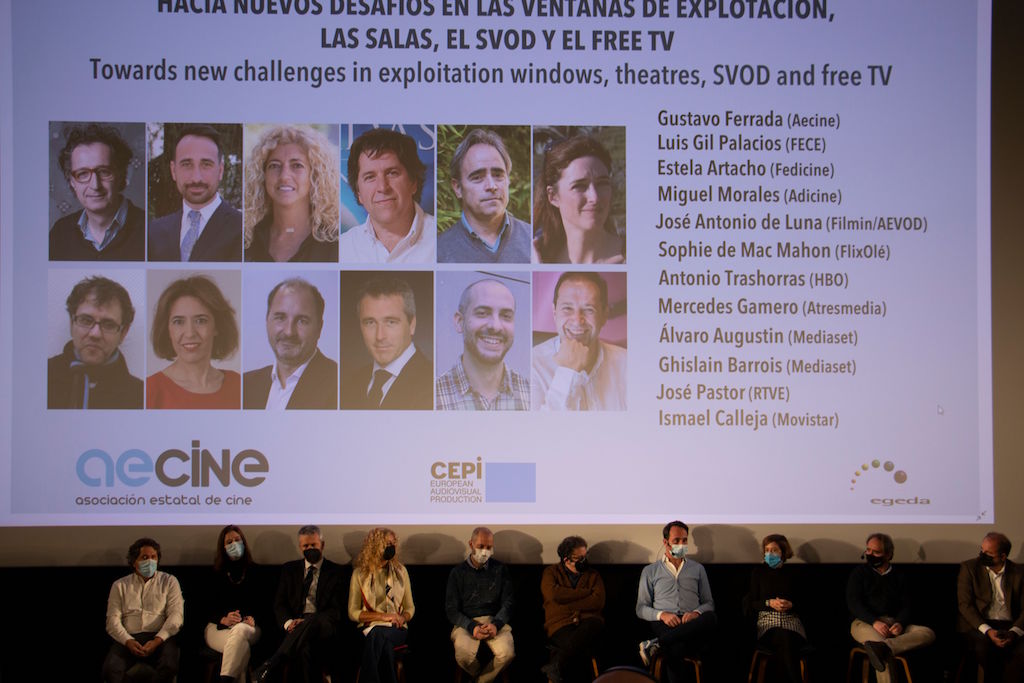
En la Asamblea quedó patente que los nuevos escenarios a los que se enfrenta la industria cinematográfica, acelerados tras un confinamiento mundial, obligan a traducirse en una mayor flexibilidad de las ventanas de exhibición, en un escenario donde el estreno en salas sigue considerándose sinónimo de calidad y prescriptor de las obras cinematográficas ante los espectadores frente al resto de ventanas posteriores de explotación. Dándoles valor. Porque disfrutar de una película en el cine sigue siendo una experiencia única y un modo de promoción del producto a futuro.
Esta es la principal conclusión de un encuentro clave moderado por Gustavo Ferrada, CEO de Convoy Films, y asociado de AECINE, en el que se debatió sobre el importante reto al que se enfrenta la industria y que sentó a representantes de las diferentes asociaciones de distribuidores y exhibidores junto a los responsables de cine de las principales cadenas tanto públicas como privadas (RTVE, Atresmedia, Mediaset y Movistar) y plataformas internacionales como HBO y españolas como Flixolé y Filmin.
Como planteamiento inicial, Luis Gil Palacios de FECE indicaba la postura de los exhibidores en su defensa clara de las salas “este periodo del último año no es referencia para medir los hábitos de consumo. Hay demasiada incertidumbre para medir la duración de la ventana ideal. Hay que verlo película por película. Ver la película en la sala de cine es una experiencia distinta a verla en el salón de tu casa. Cada cine es prescriptor de contenidos. Está comprobado que cuando las películas se estrenan directamente en plataformas, se corre un riesgo mayor de ser pirateadas antes en perjuicio de toda la cadena de distribución y el propio productor.. Todavía no hemos llegado a la normalidad que permita saber cuál va a ser el comportamiento del espectador de aquí en adelante. El estreno en cines favorece el desarrollo y explotación en las otras ventanas.”
En esta misma línea de defensa de las salas se mostraba Estela Artacho, presidenta de FEDICINE que apuntó que “las ventanas de cada uno de los socios de FEDICINE son distintas pues forman parte de la estrategia comercial de cada compañía y cada película. Cada asociado toma la determinación, experimenta la estrategia comercial más apropiada, algunos crean sus propias plataformas. Somos un sector en constante evolución intentando adaptarse a los diferentes escenarios, pero desde FEDICINE seguimos pensando que el cine es una experiencia única”.
For its part, Miguel Morales, de ADICINE, la asociación de distribuidores independiente, creen firmemente en que la experiencia del cine debe vivirse en las salas de cine, pero matizaba “desde la distribución independiente pensamos que tiene que existir una ventana flexible, pero debe haber una igualdad para todos los sectores: independientes y majors. Hay demasiada presión de estrenos, una hiperinflación que se convierte en el principal problema para las ventanas. Es algo muy difícil de gestionar para los distribuidores independientes. El principal perjudicado es el cine español que no puede luchar con las mismas armas para conseguir pantallas. La clase media de películas es la que lo está pasando mal. Nos preocupa la fuerte caída de la taquilla que se ha agravado con la pandemia, especialmente para el cine independiente español y europeo. Producción, distribución y exhibición deben lograr un compromiso que permita mantener los estrenos en los cines para que tengan repercusión en las salas, televisiones y plataformas..”
En Filmin también piensan que las ventanas deberían de ser flexibles en el momento que la película deja de estar en el cine. Así lo indicaba José Antonio de Luna, quien opinaba que “con la entrada de internet las formas de consumo, distribución y de explotación han cambiado en todos los aspectos radicalmente, lo que obliga a replantear todas las estrategias. Las salas no están en todos los sitios y, por tanto, la distribución es ineficiente. Consideran, sin embargo, que hay una retroalimentación de las ventanas por lo que Filmin nace como una experiencia de cine. Cada título requiere una estrategia distinta.” De Luna, que representa también a AEVOD, continuaba: “La experiencia cinematográfica es fundamental y en muchos de los títulos es un punto crítico para poder recuperar la inversión.”
Sophie Mac Mahon, de Flix Ole ofrecía su experiencia desde una plataforma especializada en nuestro cine que quiere dar visibilidad a un cine que ya es difícil de conseguir. Desde ese punto, señalaba la importancia de “valorar cada producto y decidir cuándo es el momento de que pase al público gratuitamente”.
Sin embargo, desde HBO MAX, Antonio Trashorras fue el más pesimista de la sesión en lo que al cine se refiere “cuando la gente socializa (cada vez menos) no quiere meterse en una sala de cine para estar callado y sin interactuar. La relevancia del cine cada vez es menor. Las estrellas de cine cada vez valen menos. Los medios no hablan de cine. Hablan de series. Viene una generación o dos que, cada vez, le va a dar más igual lo que hagamos. No es parte de su rutina ver cine. Ellos están en otras cosas: redes como tic toc… tenemos que preocuparnos de que los jovenes incorporen a sus rutinas, inocularles la pasión por las historias”.
Algo que rebatía Ismael Calleja de Movistar, “Las salas juegan un papel muy importante en la relevancia que luego tienen esos contenidos en Movistar. El cine que más se consume en nuestra plataforma es el que se estrena en salas, por todo el apoyo que conlleva en comunicación y marketing y el vínculo que genera con los espectadores. Pero la relevancia y notoriedad que se construye con la explotación en salas se pierde si hay mucho tiempo hasta la exposición. El concepto de flexibilidad es importante”.
Sobre ese concepto de flexibilidad puso el acento Mercedes Gamero, de Atresmedia: “en las compras de producto televisivo la flexibilidad ha existido desde hace años, y se han acortado llegando a veces al day and date contrariamente a las adquisiciones de cine cuya ventana era bastante inamovible. Desde la aparición de Atresmedia Player sí que estamos experimentando diferentes modelos de ventanas (pre catch up, catch up… ), tanto en producción propia como en adquisiciones, dependiendo del producto. Desde la producción, hemos peleado muy fuerte por mantener la ventana de cine. Estamos abiertos a explorar los diferentes modelos de explotación, buscando siempre que el cine español no se vea en desventaja frente al cine americano. Y esto implica poder negociar la ventana. Creemos en la flexibilidad de las ventanas, pero también que cada película tiene una vida propia en la taquilla, que es la que demuestra la longevidad en unas películas respecto a otras.”
Alvaro Augustin y Ghislain Barrois de Mediaset ahondaron aún más en el tema poniendo sobre la mesa la situación de las ventanas en abierto “la ventana en abierto es crítica porque la situación ha cambiado. Para el público de hoy en día dos semanas son una eternidad, imaginaos dos años para ver la ventana de abierto. La erosión de la ventana de abierto es real. En España las películas no son la máxima audiencia del abierto, como sí ocurre en Francia.” Indicaba Barrois. “Nosotros producimos un número limitado de películas y las convertimos en evento pero, cuando nos llegan a nuestra ventana ya están agotadas. Para nosotros es importante estrenar en cines, no obstante. Pero creemos también que la flexibilización es necesaria. La clave está en ver cómo se puede adaptar en toda la cadena de distribución”, concluía Augustin.
“Para TVE es importante que las películas pasen por las salas de cine.” Así lo expresó José Pastor, nuevo responsable del área de cine de la cadena pública, que puso de manifiesto su apuesta por hacer más visible el cine en la programación. “El consumo de la ficción ha cambiado mucho con la aparición de las nuevas plataformas, donde nos encontramos con una sobre oferta que choca con el poder prescriptor del canal en abierto. Las películas hay que protegerlas en su paso por los cines, pero se pueden acortar las ventanas y apostar por un video on demand, lo que pasa necesariamente por ponerse de acuerdo con las plataformas.” Con respecto al 6% del cine, se manifestaba partidario de “que TVE ajuste los criterios de valoración en la selección de proyectos, con más periodicidad en las mesas de evaluación y aumentando las mesas de valoración” y adelantaba que están trabajando ya en ello en su normativa interna, a la par que recordaba que “ los aportes de la TVE no constituyen una subvención si no una compra de derechos de emisión”.
Tras todas las exposiciones la presidenta de AECINE, Mª Luisa Gutiérrez apuntaba “La única forma de poner un poco de orden en las ventanas de explotación pasa por sentar a todos los jugadores actuales de la cadena de distribución del audiovisual, para intentar ponernos de acuerdo en el alcance de la flexibilidad que haga posible un ecosistema justo en el que no haya perdedores y ganadores y no dejemos muertos en la cuneta.. Además, es imprescindible que el Gobierno tenga intencionalidad política no sólo de involucrarse en este tema para poner las normas necesarias para que todos sobrevivamos sino para comenzar a dar la importancia al cine que tiene desde un punto de vista educacional”.
El valor de los datos
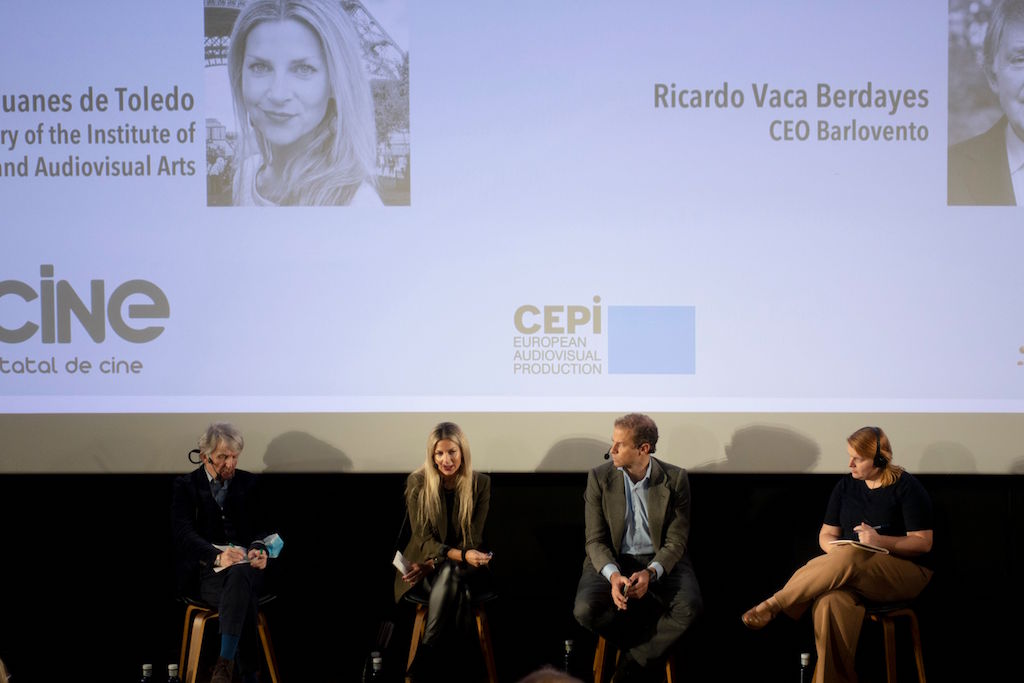
El panel El valor de los datos para los productores europeos independientes. Plataformas y TV, moderado por la Secretaria General de CEPI, Mathilde Fiquet, se convirtió en foro de debate para poner de relevancia la importancia de los datos como elemento clave, no sólo a la hora de abordar una producción sino especialmente en el desarrollo de las estrategias de lanzamiento. Unos datos que pocas industrias ofrecen de manera tan transparente como el cine (con la taquilla accesible en apenas unas horas) o la televisión con el minuto a minuto pero en la que falta por incorporar aún las cifras de los nuevos agentes incorporados a la escena audiovisual.
En el transcurso de la ponencia, la Secretaria General del ICAA, Rocío Juanes de Toledo, puso el acento en la importancia de la transparencia de datos que facilite a la Administración Pública legislar y ofrecer respuestas a los ciudadanos.
También en esa línea, Ricardo Vaca, CEO Barlovento Comunicación, empresa dedicada al análisis de audiencias, incidió en el papel clave de los datos a la hora de diseñar una estrategia de lanzamiento “Los datos son el oro del siglo XXI y son el maná del audiovisual. Hoy en día todo se mueve por datos. La información se utiliza para hacer negocio y para generar dinero.
Respecto a la televisión, es el medio más transparente de todos. Los suscriptores de la televisión son dos: anunciantes y clientes. La televisión da minuto a minuto, al día siguiente, todos los datos. De esta forma sabemos los usos y costumbres de todos los ciudadanos de un país. No hay ninguna industria que nos de los datos a las 8 de la mañana del día siguiente de todo lo que ha pasado el día de antes. Estos datos luego hay que traducirlos a estrategia comercializadora. De las OTT, sin embargo, no se sabe nada”.
For its part, Arturo Guillén, EVP&Global Managing Director de ComScore, abordó la actualidad de los datos y arrojó una posible luz sobre las cifras del mercado “desde los años 30 el consumo de cine ha ido subiendo hasta el año 2019 que fue el año de mayor consumo de cine. Con la pandemia se cerraron todos los cines del mundo. Sin embargo, se prevé que en el 2023 estemos en cifras del año 2019 de nuevo.”
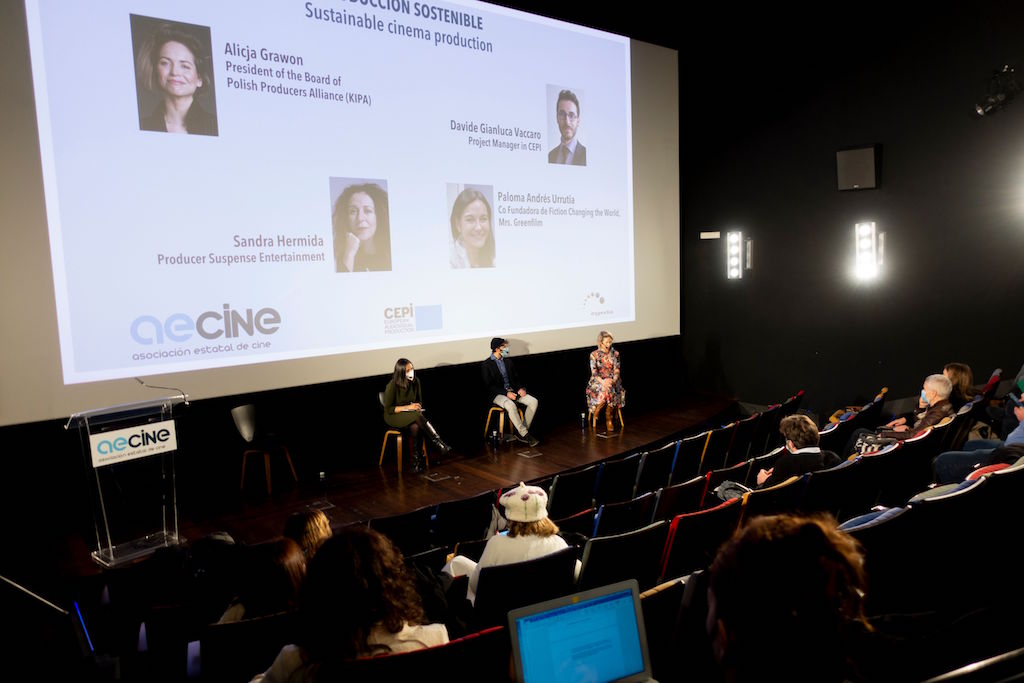
Producción sostenible
No cabe duda de que ha llegado el momento para la sostenibilidad en la producción cinematográfica. Llegar a una producción audiovisual sostenible se ha convertido en una meta común para la industria independiente de Europa, pero para que esa metamorfosis sea efectiva, el trabajo y el esfuerzo tiene que venir de todas partes: tanto de los agentes del sector como de los gobiernos.
La preocupación por el medioambiente acercan a la industria cada vez más a un cambio de modelo, como bien señaló Sandra Hermida, productora de Suspense Entertainment, quien presentó como caso de estudio su proyecto Rainbow, adaptación de El Mago de Oz, donde ya se están poniendo en práctica protocolos de rodaje y formas de actuación respetuosas con el medioambiente. Según Hermida en los últimos años se han visto cambios sustanciales en la producción audiovisual: mujeres jefas de departamento, nuevas políticas culturales, “por lo que el siguiente paso es ir hacia una industria verde y sostenible”.
Expertos en sostenibilidad como Paloma Andrés de Mrs. GreenFilm, recalcaron que “para ser efectivos en nuestro país es preciso trabajar unidos junto al ICAA, el Ministerio de Cultura y el Gobierno. La industria audiovisual necesita un empujón y la ayuda del gobierno para afrontar este reto, ya que alcanzar la sostenibilidad es un trabajo en equipo. Además, la educación y mentalización de los equipos, y reducir la inflación de los costes de producción, la formación de nuevos profesionales, como el eco-consultor o el eco-manager, serán fundamentales para dar el paso.”
Desde Europa, Davide Vaccaro, Project manager en CEPI (Europea Audiovisual Production), recalcó la importancia de un diálogo por la Sostenibilidad en Europa. CEPI lidera un proyecto que analizará de aquí a finales de 2022 las buenas prácticas en sostenibilidad que se aplican en Europa, y que culminará con una Plataforma web, así como seminarios de capacitación para productores y equipos del sector. Y Alicja Grawon, presidenta del National Chamber of Audiovisual Producers -KIPA de Polonia, señaló que los mismos problemas que ralentizan que el sector audiovisual sea sostenible se repiten por todo el mundo.
Es indudable que instituciones y organizaciones, tanto en España como en Europa, deben trabajar de forma conjunta para hacer de la Producción Audiovisual una industria sostenible, un sector verde . Quizá todo este trabajo conjunto consiga que la producción sostenible esté más cerca de lo que pensamos, y que haga de la industria audiovisual una de las más comprometidas con el futuro de nuestro planeta.
Did you like this article?
Subscribe to our NEWSLETTER and you won't miss anything.
Related articles
 Riedel technology played a key role at the Munich 2022 European Championships
 RTVE redoubles its commitment to Spanish cinema in San Sebastián through a new agreement with producers
 Minister Miquel Iceta meets with the main associations of film producers
 3XDOC reunirá en Madrid a productores europeos y latinoamericanos para impulsar la coproducción y distribución internacional
 Llega Feelmakers TV, un canal de cine, documental y animación independientes
 Mediapro, primer miembro asociado de la Coordinadora Europea de Productores Independientes (CEPI)
 EGEDA signs a representation agreement with the Turkish Film and Television Producers Association
 AEQ Kroma audio and video monitoring solutions played a key role at the 1st European Games in Baku
 Andalusian producers present their latest projects at the Huelva Ibero-American Film Festival
 MEDIA organiza una sesión informativa sobre ayudas a productores independientes
 Spanish producers make Spanish cinema fashionable in the US and Latin America
 The best European short films at the Film Academy
 Polanski triunfa en los Premios Europeos del Cine
 Producers in Spanish cinema