





VRT begins to translate and subtitle its productions with Ooona
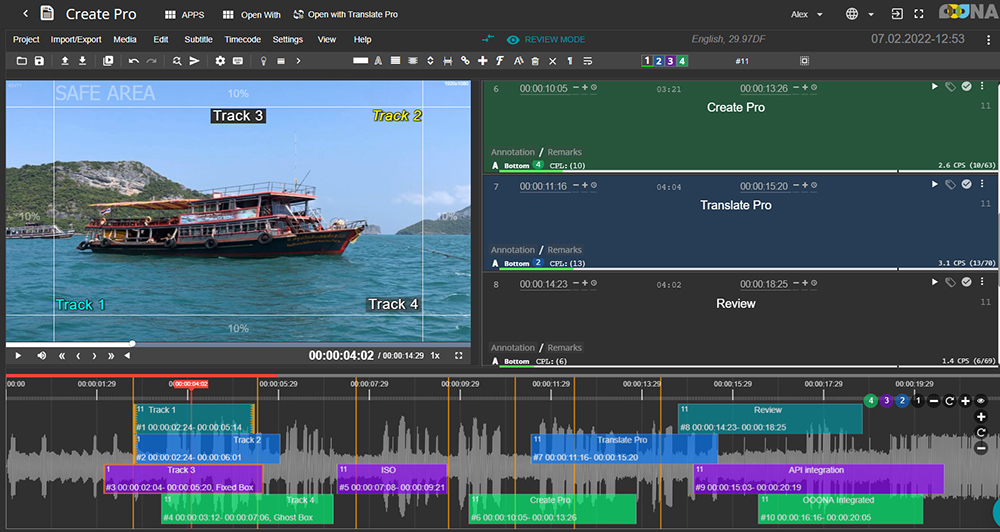
Oona Integrated, solución de localización que permite a broadcasters adaptar sus contenidos para su emisión en distintos territorios o plataformas, ya está siendo utilizada por el broadcaster belga VRT.
VRT es la emisora de servicio público belga-flamenca. Con tres canales de televisión, cinco emisoras de radio y una plataforma de vídeo en línea, crea y distribuye programas diversos de alta calidad que llegan al 90% de la comunidad flamenca. El objetivo de VRT es promover el debate pluralista y fortalecer la democracia propagando la identidad flamenca a través de una experiencia cultural y lingüística única. Además de su contenido distintivo, la emisora logra esto a través de una serie de servicios de localización. Estos servicios incluyen la subtitulación en directo y fuera de línea para los espectadores oyentes y con problemas de audición, the audio description and the subtitulación de audio para los discapacitados visuales, además de la voiceover and the dubbing in lengua flamenca.
Recientemente, el equipo interno de localización de VRT ha comenzado a utilizar la plataforma integrada de Ooona. Una conexión API proporciona el enlace para que los pedidos de localización de VRT se creen directamente en Oona, todo ello sin renunciar a la habitual autenticación de seguridad ADFS. Una vez finalizada la producción de la localización en la plataforma, el contenido se envía a los servidores de VRT para su distribución.
Erik Phalet, director del proyecto en VRT, ha afirmado sentirse “muy contento” de trabajar con Ooona, ya que “saben escuchar, entienden bien el mercado y han respondido rápidamente a nusetra petición de personalizar su plataforma a nuestras necesidades exactas”. Phalet hace referencia a una funcionalidad multicapa en la herramienta Create Pro of Oona para la subtitulación que se desarrolló a petición del equipo de VRT.
On the other hand, Wayne Garb, cofundador y director general de Ooona, celebra la confianza que VRT ha depositado en su compañía: “Ser la plataforma de localización elegida por esta emisora con visión de futuro es un reconocimiento a nuestra capacidad de ofrecer una plataforma que proporciona a los usuarios toda la funcionalidad necesaria para los complejos flujos de trabajo de localización de medios actuales”.
Did you like this article?
Subscribe to our NEWSLETTER and you won't miss anything.
Related articles
 ITV adopts Ooona for its location and accessibility needs
 Castilla-La Mancha Media implements an Etiqmedia system to subtitle with Artificial Intelligence
 Ooona OnStage: a free archive for media localization professionals
 Ooona partners with Audio Description Associates to promote training and certifications in audio description
 SDVI adds Ooona solutions to its Rally platform
 Telestream develops Stanza, a subscription that allows broadcast-quality content to be subtitled remotely
 Ooona integrates memoQ translation technology into its subtitling platform
 The era of Dolby Atmos music productions begins with JaviZone
 Television Spain begins to subtitle its service 'A la Carta'
 3net begins to acquire stereoscopic productions
 TPA begins broadcasting in HD tests
 The new NETWORK begins to be discovered
 EsRadio comienza hoy sus emisiones
 The Foundry begins shipping Nuke 5.2