





Transición del SD al HD en televisión: la guía definitiva

Jorge Pérez López, comercial broadcast en Data Average, aborda en profundidad las claves que permitirán a las televisiones completar su transición a HD antes del 1 de enero de 2023, fecha límite para dar el salto en España.
Durante la década de los 2000, se realizaron las primeras experiencias de emisión HD, tal como la conocemos hoy en día, sumándose cada vez más canales y producciones según avanzaban los años y animando al mercado a adoptar una tecnología que estaba llamada a asentarse definitivamente en la siguiente década. Hemos recorrido un largo camino en el que hemos encontrado muchas dificultades (y algunas ayudas inesperadas) que han moldeado la realidad de la implantación del HD en el mercado audiovisual y nos han alejado de las expectativas que pudiéramos tener a mediados de los 2000, cuando la realidad social y económica de nuestro país y, porque no decirlo, del mundo, era muy distinta.
Por medio, hemos tenido que lidiar con la implantación de la TDT, a recesión económica a nivel global que detuvo la inversión en la televisión tradicional (incluso provocó el cierre de algunos canales de televisión), el auge de la banda ancha y la telefonía móvil, el cambio de tendencia en consumo de contenidos audiovisuales, la aparición del UHD, las social networks, las plataformas de vídeo bajo demanda, y mucho más. Todo este nuevo panorama sin duda obligó a replantear el camino que se debía seguir, revisándolo cada poco tiempo y dificultando la elaboración de planes a largo plazo, sobre todo por la incertidumbre económica que asoló nuestro país durante más de un lustro.
En nuestro mercado, quien más, quien menos, ha ido dando pasos en la transición a la alta definición como mejor ha podido, siempre sujeto al presupuesto del que se disponía, por lo que en el mercado de la televisión nacional nos encontramos con un escenario muy heterogéneo cuando entramos a valorar cuanto terreno se ha cubierto y cuanto queda por delante. Hay televisiones que han renovado casi por completo y hay otras muchas que todavía deben afrontar una renovación de calado que podría incluir los studies, control central, continuidad u otras áreas de peso dentro de sus instalaciones. Seguramente, los grupos de comunicación privados sean quienes han podido avanzar más en este sentido, mientras que algunas televisiones públicas necesitarán esprintar este año para llegar a cumplir con la fecha límite indicada en el Plan Técnico Nacional de la Televisión Digital Terrestre para producir y emitir en HD de forma nativa.
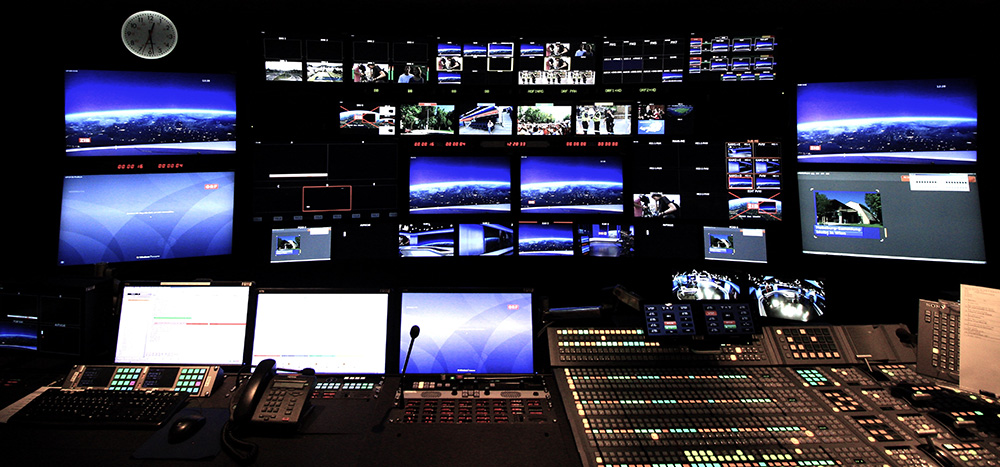
Entornos en los que está más implantada la alta definición
Mientras tanto, la producción audiovisual de ficción se ha afianzado en alta definición, cuando no en el UHD, desde hace tiempo, gracias a la posibilidad de consumir estos contenidos a través de plataformas de distribución por cable o internet. Si durante la transición a la TDT había preocupación por renovar el parque de televisores, o la adaptación de las antenas, instalados en el territorio español y hubo planes y ayudas para acometer esta transición, sin hacer mucho ruido y de una manera un poco anárquica, pero muy eficaz, se ha conseguido que en la mayoría de los hogares haya un televisor inteligente con acceso a internet con el que consumir contenidos en HD o UHD.
Este fenómeno, unido a la implantación masiva de la banda ancha, ha disparado el consumo de contenidos en UHD, o como mínimo en HD, a través de las famosas plataformas de pago que todos conocemos u otras gratuitas que ya están ofreciendo contenidos en alta calidad. Incluso se puede dar el caso de que algunos canales que no emiten todavía en HD pongan a disposición en su WEB o plataforma de televisión a la carta los contenidos que emiten en TDT en SD en formato en alta definición para que sus espectadores puedan verlos a través de su dispositivo móvil, ordenador o Smart TV.
Con esto quiero indicar que tenemos dos velocidades muy distintas si ponemos en contraposición la evolución de la tecnología en la televisión tradicional y generalista, y la evolución que ha experimentado en la producción de contenidos para distribución en nuevas plataformas. No entraré a valorar otros medios, como las redes sociales, que mueven millones de horas de contenidos al día, y donde se presta menos atención a este debate, pero donde, sin duda, se trabaja de manera totalmente habitual en HD, UHD o resoluciones totalmente distintas de los cánones de la televisión más ortodoxa, todo ello gracias a la capacidad de grabación en HD de los teléfonos móviles o de las webcams.
¿Por dónde empezar? Algunos aspectos importantes a tener en cuenta
Una vez echado un vistazo atrás, vamos a mirar hacia adelante, hacia el objetivo de cumplir con el requisito del 1 de enero de 2023. Para ello, repasaremos aquellos aspectos que pueden ser más críticos o relevantes a la hora de migrar a HD.
Uno de los principales retos es elegir el formato de fichero que se desea utilizar
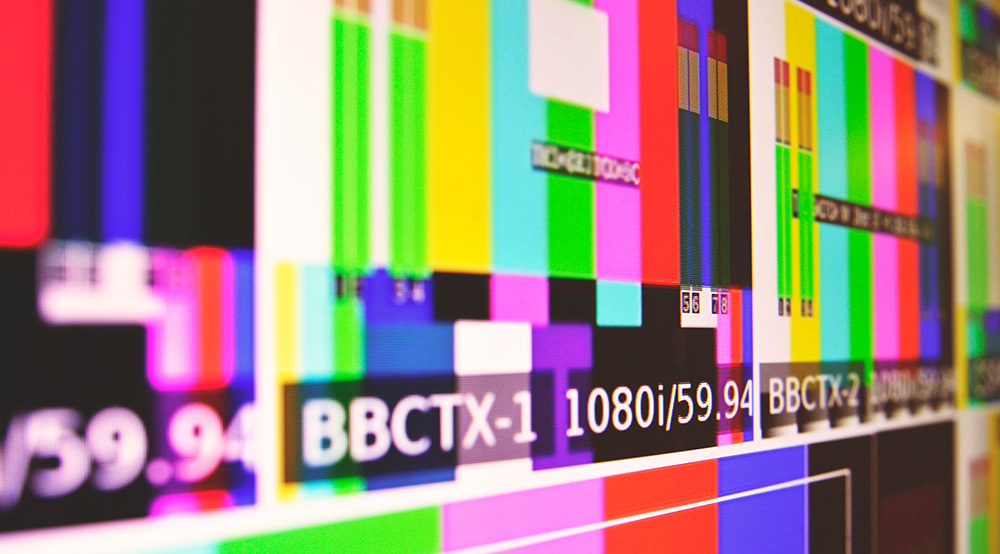
Esto es relevante por varias razones, y puede influir bastante en otros aspectos, como veremos a continuación. Abarca cuestiones como si se desea trabajar en 1080i, 720p ó 1080p, el códec y el envoltorio o wrapper. A lo largo de estos años, normalmente se tendía a trabajar en 1080i, pero el hecho de que cada vez más contenido se distribuya por internet, y por tanto se visualice en pantallas que son progresivas de manera nativa (y que el formato más común en UHD es progresivo) ha hecho que se tienda a valorar los formatos progresivos en lugar de los entrelazados. ¿La pega del progresivo? Requiere el doble de información que su equivalente en entrelazado. Por tanto, se necesita el doble de procesado, de almacenaje y de ancho de banda para su transferencia, lo que encarecerá bastante el proyecto.
Infraestructura: 1,5 Ghz vs 3 Ghz
Es importante tener en consideración que, a la hora de transportar el vídeo por el tradicional cable de vídeo digital SDI, si se trabaja en 1080p, usaremos un ancho de banda de 3 Ghz, mientras que si se trabaja en 1080i necesitaremos la mitad. Dicho esto, habrá que asegurarse de que la totalidad de los equipos en la instalación, y por tanto también el cableado, son compatibles con el ancho de banda en cada caso.
Aunque lo más habitual es trabajar en 1080i (por tanto, 1,5 Ghz), se recomienda que el cableado, patches, matrices y demás elementos de conmutación estén preparados para trabajar en 3 Ghz. La razón es que, como hemos indicado, el UHD es progresivo, y, por tanto, 12 Ghz, de tal manera que nuestra infraestructura se podría reconvertir a UHD usando 4 enlaces HDSDI 3 Ghz por cada flujo UHD de manera relativamente sencilla, mientras que si nuestra instalación solo está preparada para 1,5 Ghz será bastante complicado esta migración a UHD reutilizando infraestructura existente. Casi todos los equipos HD son ya 3G de manera nativa y el cableado no es necesariamente más costoso, por lo que esta puede ser una decisión interesante de cara a estar preparado para el futuro.
Familias de códecs
 En relación al códec, Sony y Panasonic llevaron su famosa batalla por el formato de cinta al terreno de los ficheros, y ambos tienen su propia familia de códecs, que abarcan desde ficheros considerablemente comprimidos con bitrate bajo para producciones de calidad media, hasta ficheros con tasas de bits muy altas que son idóneos para producciones UHD de la más alta calidad o incluso de cine digital.
¿Cuál elegir? Bueno, la gran mayoría de los sistemas de terceros soportan ambas familias de códecs hoy en día, sobre todo si nos ceñimos a las variantes HD. Aquí seguramente marque la diferencia el camcorde que pensemos que encaja mejor con nuestras necesidades. De tal forma, si nos agradan los camcorders de Sony, lo natural será adoptar un formato de fichero de la familia XAVC o XDCAM, mientras que, si nos decantamos por los camcorders de Panasonic, tenderemos hacia la familia AVC-Intra.
En cuanto al envoltorio, en ambos casos, tanto Sony como Panasonic trabajan en MXF que, desde hace mucho tiempo, es el estándar más utilizado en el mercado. Tan solo Quicktime puede considerarse una alternativa hoy en día, pero está más extendido en producción de ficción que en televisión.
Bitrate
Faltaría elegir el bitrate en el que se va a trabajar y almacenar el contenido. Cuanto más alto sea, normalmente la imagen será de más calidad, pero, como contrapartida, requerirá mayor ancho de banda y capacidad de almacenamiento. Por tanto, será capital elegir sabiamente el término medio que se adapte a nuestras necesidades y que encaje con el presupuesto disponible.
Otro aspecto clave del códec consiste en si se codifica en intraframe o en Long Gop. He Long Gop es más eficiente, al tener una calidad subjetiva mejor que el intraframe a igual bitrate, pero se tiende a pasar por alto que nuestros editores de vídeo, servidores y demás equipamiento seguramente deberán tener más capacidad de procesado si se trabaja en Long Gop que si trabajamos en intraframe.
No es siempre como tal, pero se debe tener en cuenta. Asesorarse bien antes de elegir es una buena idea para no tener disgustos más tarde.
Cómo se ven afectados la red ethernet y el almacenamiento
 Igualmente, la infraestructura de red ethernet deberá estar dimensionada para soportar la transferencia de ficheros del formato y bitrate que elijamos. Por tanto, este es otro elemento que se ve afectado según el tipo de fichero elegido.
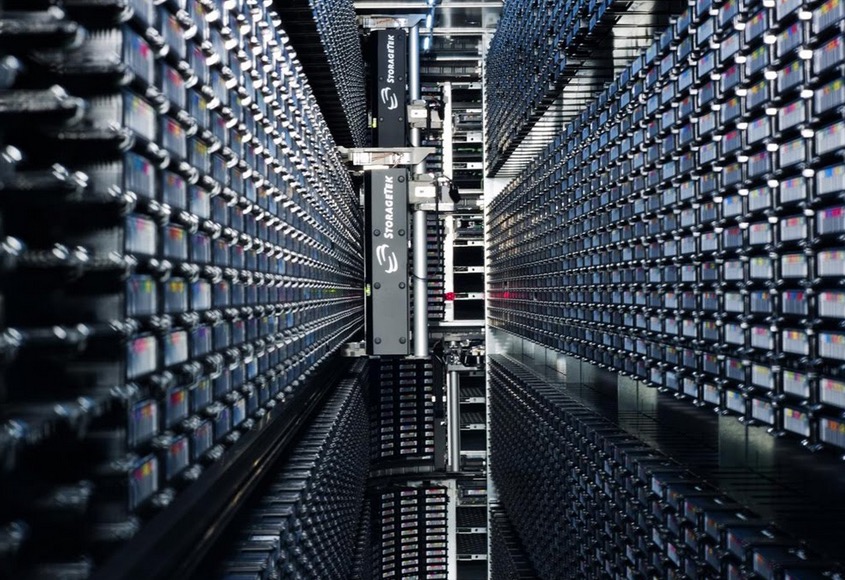
He almacenamiento de producción, las tarjetas de memoria de las cámaras, he archivo profundo y cualquier otro almacenamiento donde alojemos contenidos deberán tener unas características concretas según cuanto pesen los nuevos ficheros. Es recomendable realizar un estudio completo de todos estos almacenamientos para asegurar que su capacidad en horas de material no se ve reducida una vez pasemos a HD en comparación con nuestros actuales sistemas en SD. Si típicamente, en SD se trabaja con ficheros de unos 13 Gbytes por hora cuando se trabaja a 25mbit/s, en HD seguramente dupliquemos o cuatripliquemos esta cifra.
Las decisiones alrededor del formato de fichero o de la propia infraestructura son asuntos que seguramente ya han sido abordados en la mayoría de los canales de televisión y centros de producción. Algunos rezagados se encontrarán en ciernes de tomar la decisión, pero en general en el mercado somos conscientes de la importancia de considerar seriamente estos asuntos y no será necesario ahondar más en ello.
No vale con ser HD: también hay que parecerlo
En cuanto a la adquisición de equipos HD, aquellos que han ido haciéndose con equipamiento durante los últimos 3 o 4 años para renovar equipos obsoletos es muy probable que ya cuenten con soluciones en HD; de hecho, hoy en día es casi imposible encontrar un equipo que solo sea SD. El precio del equipamiento HD hoy es asequible y se podrá remplazar equipamiento SD, ampliamente amortizado, por su equivalente en HD. Por tanto, habrá una tarea, bastante obvia por otro lado, de sustituir equipos antiguos por los equivalentes que ya nos garanticen la compatibilidad con la alta definición.
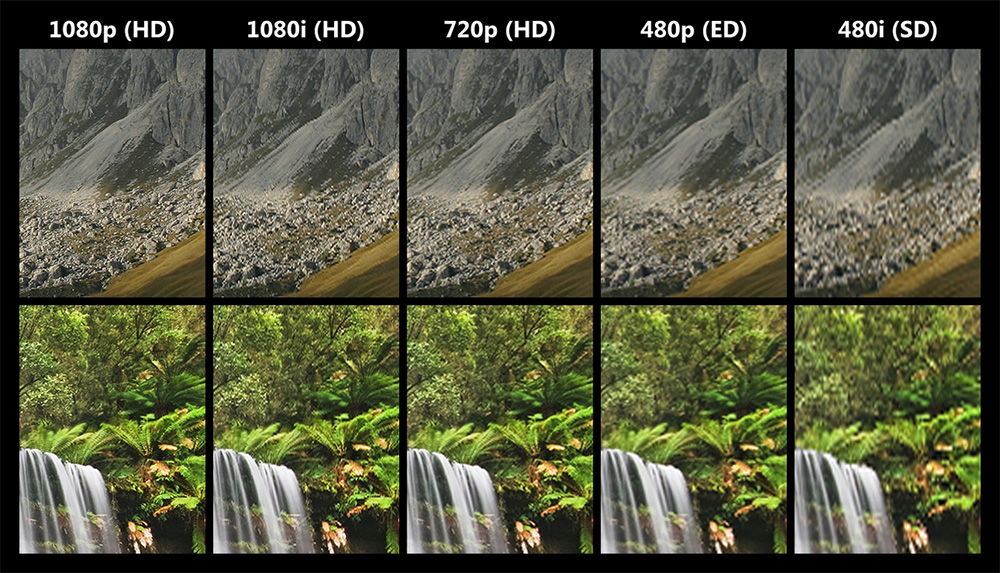
Pero no todo es ser HD. Renovar el equipamiento no es suficiente. Trabajar en alta definición o con equipamiento HD no es sinónimo de que la imagen de nuestra producción dé un salto cualitativo. Cuando se pasa de trabajar en definición estándar a trabajar en HD se debe tener en cuenta algunos aspectos que varían sustancialmente de un entorno a otro.
Cambios en la iluminación y el enfoque
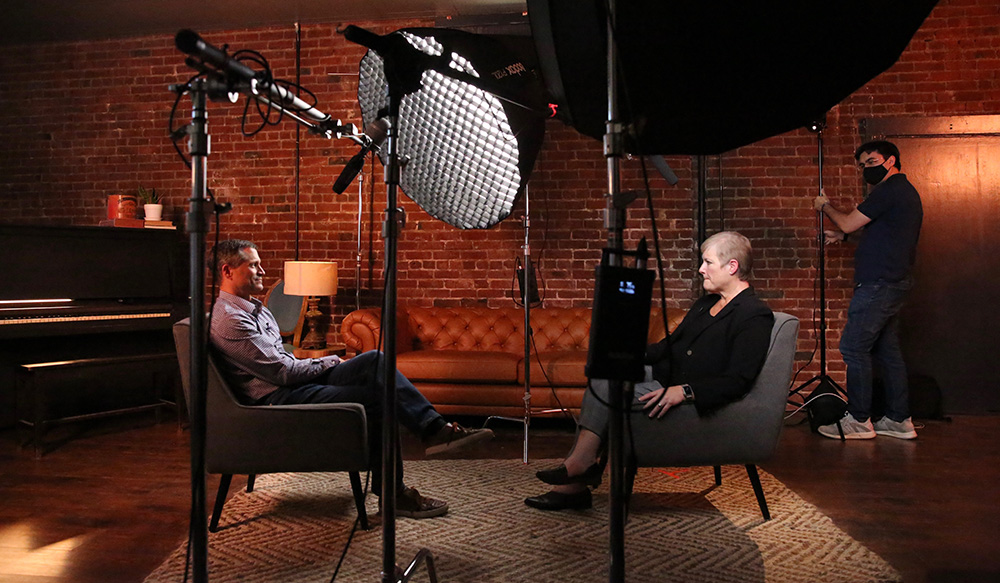
Será necesario reajustar, y tal vez reforzar, la iluminación y revisar los tiros de cámara. Las cámaras HD podría ser menos luminosas que sus equivalentes en SD. También la profundidad de campo es diferente en HD que en SD, por lo que hay trabajo por delante en este sentido. Por suerte, la mayoría de los realizadores y productores ya disponen de experiencia en producción en alta definición y no será necesario aprender sobre la marcha.
Mayor detalle en la imagen
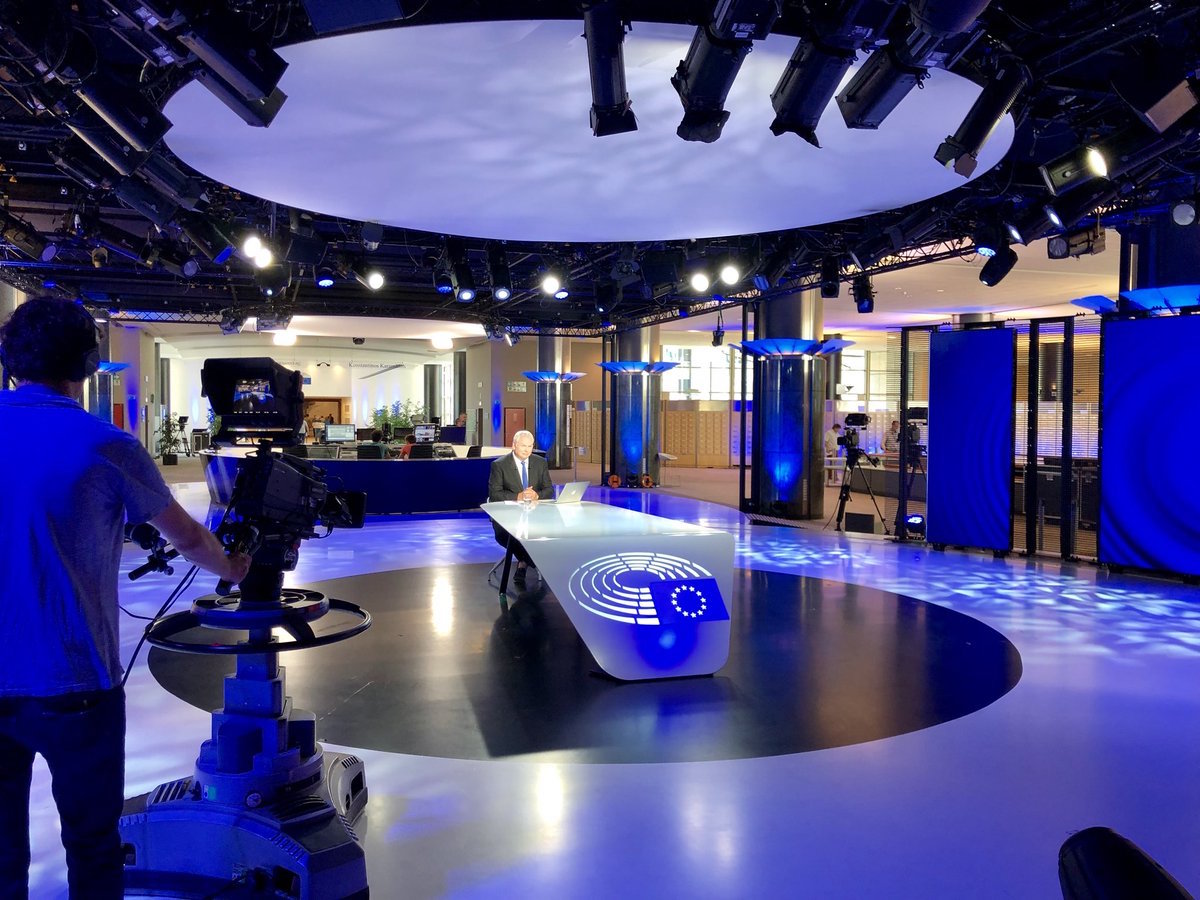 Habrá mucha más resolución de imagen y todo lo que se presente en pantalla se deberá cuidar al detalle. Esto incluye el maquillaje, he vestuario, he atrezo y los decorados. He oído anécdotas de presentadores que decían que la alta definición les hacía mayores cuando empezaron a hacer programas en HD. Arruguitas que pasaban desapercibidas en definición estándar en HD, se apreciaban claramente.
También será interesante realizar una renovación de la escenografía en los platos para adaptarse al nuevo formato de imagen, de resolución y de detalle. Puede ser buen momento para un cambio de look general e incorporar nuevos elementos que destaquen y refuercen la imagen de los programas, como pantallas LED, zonas en el plató donde disponer de escenografía virtual o realidad aumentada, o, simplemente, aprovechar para renovar y actualizar los decorados o los colores del set. El presupuesto marcará el alcance, pero cada cambio potenciará la producción de programas. Hay que aprovechar.
Grafismos
Con HD, se dispone de más cantidad de información en pantalla, por tanto, se puede, y se recomienda, mejorar el grafismo, tanto el utilizado para informar o enriquecer la imagen como el utilizado para promocionar. Estos gráficos deberán ser específicos para HD; sería una pena reutilizar los grafismos utilizados en producciones SD.
Adaptar los antiguos grafismo en SD a HD llevará un tiempo, pero el resultado merecerá la pena. No obstante, conformarse con esta adaptación será desaprovechar un gran número de posibilidades que brinda el HD en este sentido. Hay empresas especializadas en la creación de grafismos que pueden asesorar y ayudar a adaptarse de manera económica y profesional.
Migrar a HD no nos libera del SD: hay que convivir durante bastante tiempo
Terminar de pasar los equipos de producción a HD no significa que el SD quede atrás para siempre. Puede que ya no se manejen señales en definición estándar, pero no se puede cambiar el hecho de que durante años se han producido miles de hora de contenido en SD que constituyen el patrimonio de cada canal de televisión y que, por tanto, es material con alto valor que se debe preservar. Además de su conservación, a menudo se querrá reutilizar para su emisión tanto los programas enteros como fragmentos, as well as brutos de cámaras que se tengan almacenados y que mostrarán contenido relevante para noticias, documentales o programas de todo tipo.
Este material en SD puede que incluso esté en una relación de aspecto de 4:3 y que, por tanto, requiera no solo ser adecuado a alta definición, sino también adaptar la relación de aspecto a la que se utiliza en HD, 16:9.
Así, en el archivo profundo del centro de producción convivirán ficheros en SD 4:3, en SD 16:9 and in HD. Algunos assets del archivo es posible que se archiven con varias versiones, lo que requerirá de herramientas adecuadas y de unos workflows adaptados al nuevo escenario en el que se encontrará el canal de televisión para que toda esta gestión sea eficaz y no consuma tiempo de manejo o procesado adicional.
Sistemas de gestión de negocio y de contenidos
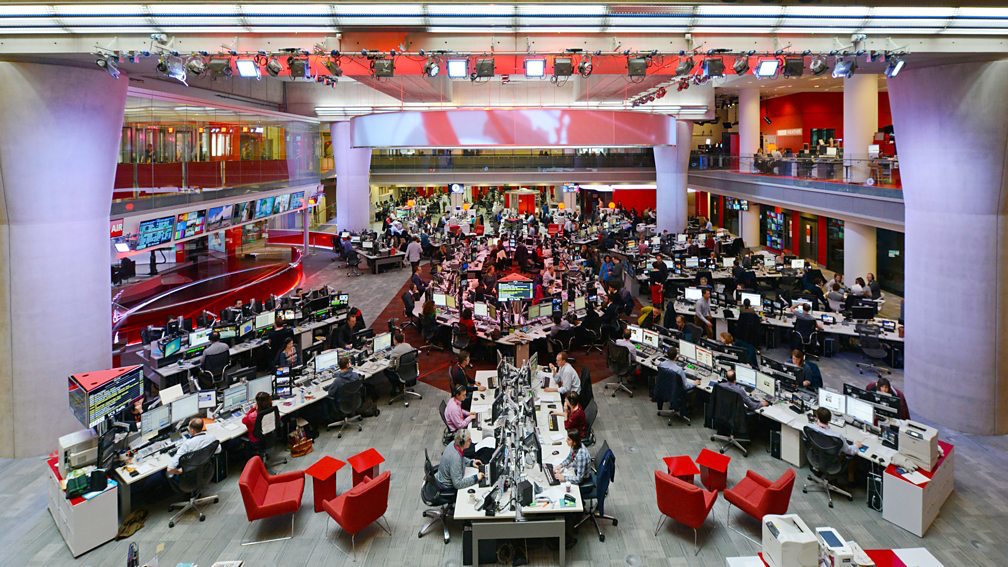
Antes de pasar todas las operaciones a HD es recomendable preguntarse si se está preparado para manejar los nuevos contenidos en paralelo con aquellos contenidos más antiguos. Tal vez sea momento para actualizar los sistemas que gestionan la producción desde el punto de vista de negocio, como el sistema de gestión de tráfico o el gestor de contenidos (Media Asset Manager). Estos sistemas, que en principio son agnósticos en términos de si se está trabajando en SD, HD o UHD, son los que permitirán una utilización optima de los contenidos y afinar los flujos de trabajo para eliminar el error humano, agilizar los procesos, reducir la intervención de los operadores en los mismos y sacar el mayor partido económico a cada hora de contenido producido o que se haya adquirido a terceras partes.
 No hay que olvidar tampoco otros colaterales, como los ficheros de subtítulos. Seguramente, se dispone de ficheros de subtítulos para muchos contenidos producidos hace años, pero atención, porque el mismo fichero generado anteriormente para un contenido en SD no tiene por qué servir necesariamente para el mismo contenido en HD. Una película o un documental, cuyos subtítulos se generaron a partir de una media en SD, nos vendrá en HD desde la distribuidora la próxima vez que la queramos emitir. Este fichero de media en HD podría tener una duración distinta, los códigos de tiempo podrían variar, o podrían existir otras diferencias que no hagan posible utilizar el fichero de subtítulos de manera directa, por lo que se requerirá una adaptación de estos ficheros también.
Por otro lado, si se van a revisar los flujos de trabajo del centro de producción, gestionados por el MAM y otras herramientas, habrá que aprovechar para integrar aquellos operativos que empezaron como algo testimonial y que, con los años, se han convertido en una parte relevante de las operaciones del centro, como la integración con redes sociales, WEB o Video on Demand: los llamados flujos no lineales.
Nuevas formas de distribuir los contenidos
En los últimos años, hemos asistido a un cambio importante de tendencia en la manera de consumir contenidos televisivos. Las redes sociales, las plataformas OTT, la televisión a la carta, el vídeo bajo demanda, y otros medios de distribución completan la tradicional oferta de canales lineales.
Es muy probable que existan broadcasters que tengan resuelto cómo abordar la distribución de contenidos por estos medios, pero justamente aquellos canales que estén todavía ocupados en terminar de migrar a HD son los que probablemente han puesto menos esfuerzos en definir cómo distribuir contenidos en estos medios de manera eficaz, integrada y automatizada.
Gestión
Seleccionar, adaptar y distribuir contenido y sus metadatos, o información editorial a numerosos destinos, es una tarea hercúlea si no se dispone de herramientas adecuadas. Para esto también será conveniente adaptar el MAM and the sistema de tráfico. Incluso el sistema de redacción de noticias deberá estar involucrado en estas tareas, puesto que buena parte de los contenidos será de tipo informativo.
El sistema de transcodificación es posible que requiera crecer o adaptarse para dar servicio al material que se distribuye a las redes sociales o plataformas. Es otra buena razón (a parte de la adaptación de contenido SD para producción en HD) para crecer en esta área de transformación de los ficheros.
Derechos
Si se gestionan los derechos con el sistema de tráfico, será interesante tener control de los derechos de los contenidos que se distribuyan por OTT/VOD. Una buena gestión de derechos ayudará a generar listas de manera ágil y automática con aquellos contenidos que se pueden distribuir, indicando el periodo de validez, la plataforma, el tipo de dispositivo y la región geográfica donde tienen derecho de difusión.
Advertising
Igualmente, si con el sistema de tráfico se gestiona la venta de espacios publicitarios, será interesante adaptarse a la manera de gestionar la publicidad en estos nuevos medios de distribución. Cuanto más control se tenga sobre estos materiales por parte de las herramientas informáticas de gestión de negocio, mejor se podrá monetizar su difusión en nuevos medios. Hay un amplio abanico de posibilidades que no se debe desperdiciar.
Una mirada al futuro
Como hemos comentado, la implantación de la alta definición en España ha ido a menor ritmo del deseado. Este es un hecho que no podemos cambiar, pero sí podemos aprender de los errores del pasado y tratar de adelantarse a la nueva ola tecnológica. Tal vez algunos de los que necesitan acometer reformas para cumplir con la exigencia de producir en HD pudieron invertir un poco años atrás y adelantar el trabajo. Tal vez lo intentaron, pero no pudieron. No nos corresponde juzgar. Sin embargo, estoy seguro que sí que desearían haber podido avanzar parte del trabajo.
Por tanto, ahora no estará de más analizar qué tecnología hay disponible y cuál puede ser el futuro a unos años vista. Hablar con quién va por delante en esta migración o con los fabricantes e integradores es sencillo y dará puntos de vista interesantes para determinar cuál es la mejor estrategia.
UHD / IP video sin compresión
Ya sabemos que el UHD está bastante implantado en producción de ficción (incluso en la producción de eventos deportivos de primer nivel), y que el 8K asoma por el horizonte. También se está viendo que el video sin compresión sobre IP es una realidad. Los nuevos estándares de SMPTE and of AMWA han hecho realidad la producción con equipamiento IP. En España ya existen platós totalmente diseñados con esta tecnología, y algunos de los «broadcasters» que van a realizar su transición a HD este año han decidido hacerlo con equipos IP, reduciendo el HD-SDI a algo residual en sus instalaciones.
Automatización de la producción
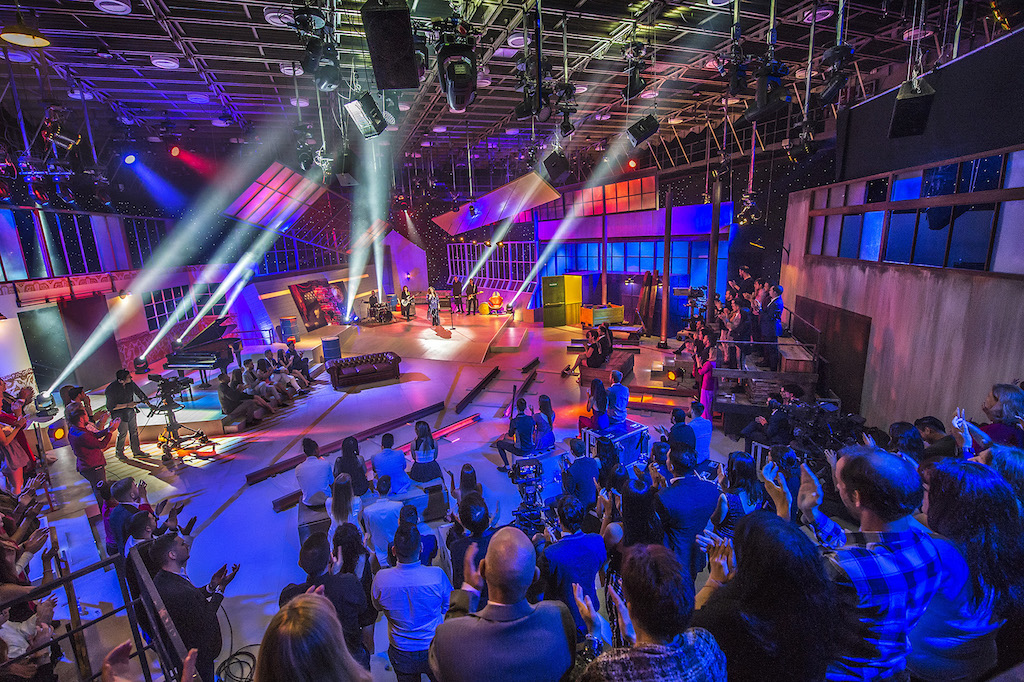 Aunque este es un tema que no está directamente relacionado con la migración a HD, si que está relacionado con la necesidad de renovar el equipamiento de nuestros estudios, like cámaras, mezcladores, robóticas, servidores y sistemas gráficos. Puede ser un buen momento para plantearse incorporar un sistema de automatización de la producción que permita sacar el mayor partido posible a los recursos disponibles y reducir los errores de producción.
Hoy en día existen sistemas que llevan años en el mercado y que, por tanto, están maduros para implantarlos en cualquier tipo de canal: desde el más sencillo a aquellos donde se hacen producciones complejas. Recomiendo tenerlo en cuenta antes de iniciar la renovación.
Audio inmersivo y HDR
He immersive audio and the HDR son también tecnologías que aportan una experiencia al espectador que hasta ahora no era posible. Aunque apuntan ambas a consolidarse con el UHD, es posible incorporarlas en HD e ir adelantando trabajo.
Distribución de señales y de ficheros
También es tendencia la contribución de señales a través de redes públicas utilizando señal comprimida, con protocolos de distribución de baja latencia, like IS o SRT. Otro elemento interesante que tener en consideración, una vez el uso de ficheros de vídeo se va a incrementar notablemente con la alta definición, es la incorporación de aceleradores de transferencias de ficheros a través de redes públicas con alta latencia.
Tanto a la hora de recibir contenidos de empresas externas, como para enviar fuera, estos sistemas ayudan a que el ancho de banda disponible se utilice a su máxima capacidad reduciendo los tiempos de transferencia de manera ostensible.
Cloud Pública
Finalmente, la migración de servicios al cloud público o reforzar la ciberseguridad son otros aspectos para tener en cuenta si se desea hacer una inversión que aguante bien el paso de los años. A día de hoy, todavía la infraestructura en la nube puede que tenga un coste demasiado elevado si se compara con una instalación on-premises. Aun así, si nuestra producción requiere elasticidad para crecer rápidamente por tan solo un periodo de tiempo corto, entonces podría tener sentido analizar lo que la nube pública nos puede ofrecer. Es posible desplegar un sistema en la nube en cuestión de minutos y empezar a utilizarlo en cualquier parte del mundo. Indudablemente no es económico, pero de otra manera es probable que no fuera posible. Por tanto, conocer qué posibilidades tenemos a nuestro alcance nos ofrecerá un amplio abanico de posibilidades para elegir en cada momento lo más conveniente.
El momento es ahora
Todas estas nuevas tecnologías, o nuevas formas de trabajar, puede que nos den respeto al principio. Pero, tarde o temprano, deberemos familiarizarnos con ellas.
Están aquí para quedarse. Solo hay que encontrar el momento adecuado para coger la ola.
Jorge Pérez López
Comercial broadcast en Data Average

Did you like this article?
Subscribe to our NEWSLETTER and you won't miss anything.
Related articles
 Spark: la solución definitiva de ISE 2026 para unir broadcast y AV
 URSA Cine 12K: la cámara definitiva de Blackmagic para producciones de primer nivel
 D&b: apuesta definitiva por el protocolo IP MILAN de cara a NAMM e ISE 2024
 NH Media completa su transición al IP unificando radio, radio visual y televisión con equipos DHD
 Ficciones sonoras, audio bajo demanda y Audible: ¿La puerta de entrada definitiva al mercado?
 Unitecnic diseña a medida la unidad móvil definitiva de Canal Sur
 Fallece José Luis Balbín, clave en la televisión de la Transición
 Canales pop-up de Movistar+: La editorialización definitiva de la plataforma
 La televisión pública de Gibraltar completa su transición hacia un entorno de noticias digitalizado end-to-end con VSN
 Telefónica desarrollará la transición digital de Radio Televisión de Galicia
 Software Venue 4.5 para Avid S3L, la solución definitiva
 Las jornadas de Broadcast hacen un balance de la transición hacia la televisión digital
 UTECA pide la asignación definitiva del múltiplex digital
 La CMT inaugura su sede definitiva en Barcelona