





Constelaciones de satélites y el mundo broadcast: ¿una verdadera alternativa?
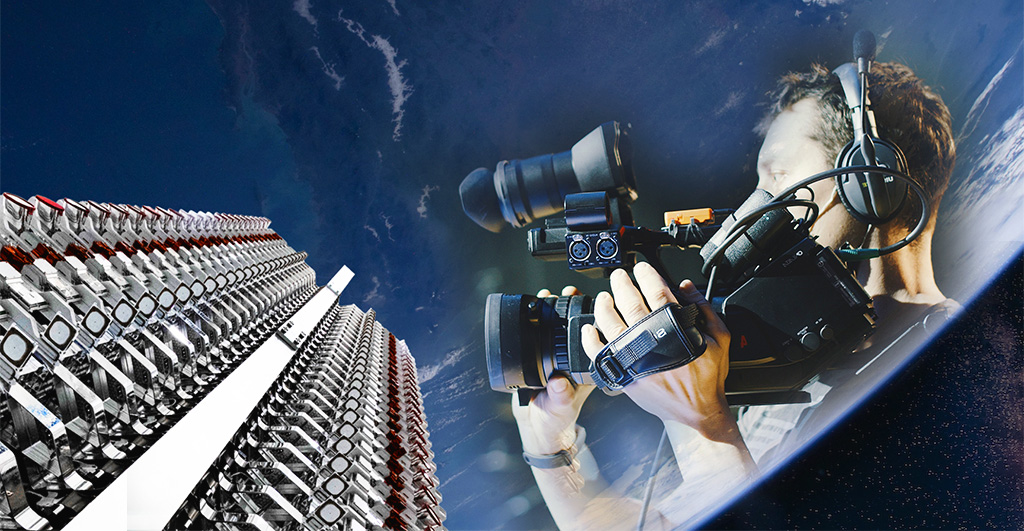

Máximo Morales Céspedes, doctor investigador en la Carlos III University of Madrid, arroja luz sobre el panorama de las constelaciones de satélites de órbita baja (LEO – Low Earth Orbit) y sus posibles aplicaciones a los flujos de transmisión de vídeo habituales de los flujos de trabajo broadcast.
Los satélites geoestacionarios, es decir, los satélites que de toda la vida han sido empleados para apoyar las retransmisiones de vídeo y así asegurar la disponibilidad de una conexión en directo o el transporte de señales entre infraestructuras broadcast, han sido desplazados en el último lustro por las mochilas de retransmisión. Quizá sobra explicar muchas de las razones que han llevado a las televisiones a optar por estas alternativas, siendo lowering costs estas resumidas en el y en su versatility de despliegue.
La evolución del 3G al 4G, todavía a la espera del verdadero 5G, ha solventado muchos de los problemas operaciones que trajeron en su despliegue inicial, tales como las capacidades de retransmisión, la resiliencia de los sistemas o su capacidad para alternar entre distintos puntos de retransmisión cuando estos equipos se utilizan en movimiento. No obstante, todavía existen problemas que estas soluciones no han podido responder: la estabilidad de la red en situaciones de high demand (el slicing todavía sigue siendo una promesa) o su dependencia del desarrollo de la red de telecomunicaciones, que dificulta su uso en lugares remotos. Ante estos problemas, los broadcasters buscan soluciones (algo innato a su naturaleza). Algunas de ellas parecen casi caídas del cielo.
El auge de empresas como Starlink no hacen sino evidenciar una carrera aeroespacial en torno a las constelaciones de satélite de órbita baja. Y es que muchas televisiones han depositado sus esperanzas para solventar retos de conectividad y disponibilidad en estos sistemas, de rápido despliegue y de fácil acceso. Sin embargo, ¿son una alternativa real, fiable y rentable para el día a día de los broadcasters? Máximo Morales, doctor investigador en la Universidad Carlos III de Madrid, derriba mitos sobre la enésima tecnología revolucionaria para el mundo audiovisual.
El satélite de órbita baja frente al satélite estacionario
“Cuando hablamos de satélites de órbita baja tenemos que ver de dónde venimos”, explica Morales, apuntando las importantes diferencias conceptuales y de base entre los satélites geoestacionarios y los satélites de órbita baja.
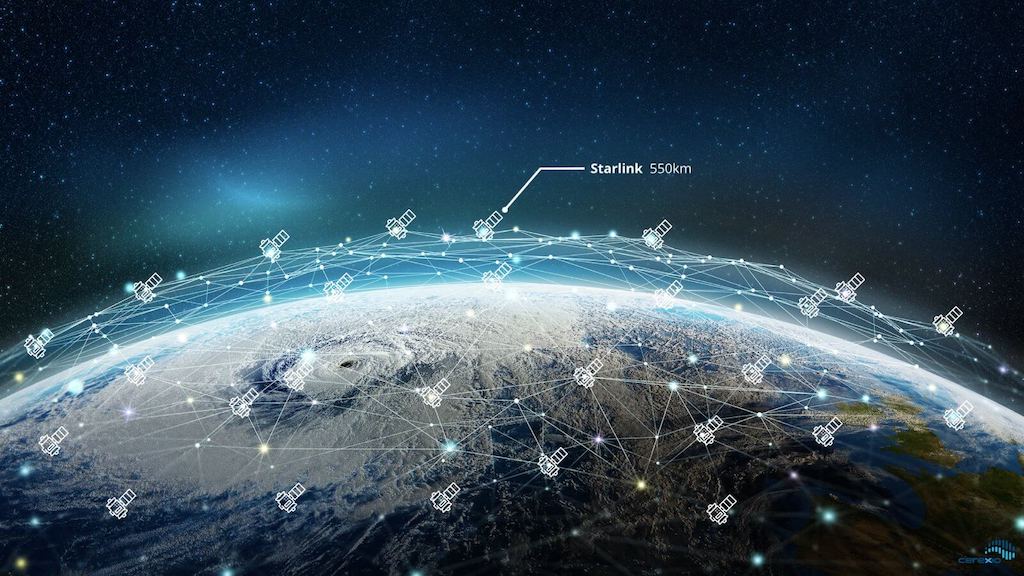
La primera alternativa, la que nos ha acompañado durante más tiempo, se sitúa a una altura aproximada de 36.000 km y siempre se encuentra fija en un mismo punto (o más bien, se consigue que gire a la misma velocidad que la tierra). Sin embargo, los satélites de órbita baja se sitúan a una altura de entre 500 y 1200 kilómetros de altura y están en continuo desplazamiento: en concreto, un satélite Starlink, situado a 540 kilómetros de altura, da una vuelta a la tierra cada 93 minutos.
“El concepto de constelación se puede explicar dividiendo la tierra en planos. En vez de tener un satélite muy grande, cuentas con muchos satélites muy pequeñitos que se mueven muy rápido y que cubren una determinada área”.
De ahí la necesidad de construir las llamadas “constelaciones de satélites”, solución que ayudará a preservar una retransmisión de varios minutos de duración intercambiando la disponibilidad de los distintos satélites: “El concepto de constelación se puede explicar dividiendo la tierra en planos. En vez de tener un satélite muy grande, cuentas con muchos satélites muy pequeñitos que se mueven muy rápido y que cubren una determinada área”.
 Disponibilidad y latencia
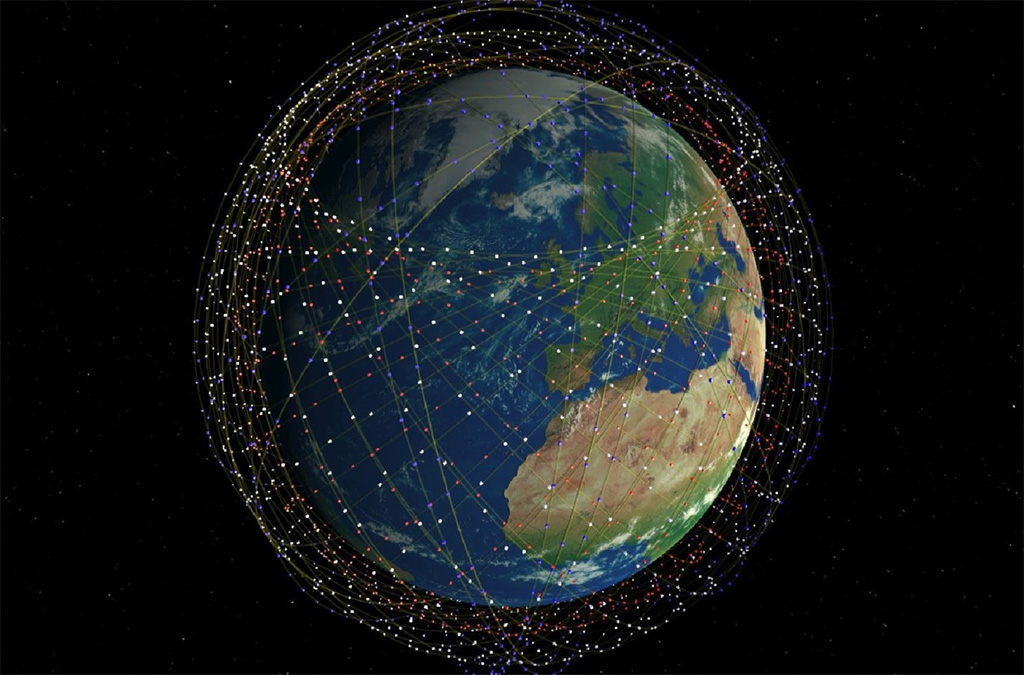
Estos datos, inherentes a la nature de cada una de las alternativas, condicionan sus aplicaciones y definen sus ventajas y desventajas. Por ejemplo, donde un satélite geoestacionario puede asegurar siempre su disponibilidad en su área de cobertura, el usuario del satélite de órbita baja dependerá de la localización de la constelación de satélites y su desplazamiento, obligando a lo que en el mundo de las telecomunicaciones se conoce como el “traspaso entre satélites”: “En estos casos, te conectas a un satélite y tienes que estar listo para conectarte al que está viniendo o a posibles superposiciones”.
Otra cuestión crítica para entender mejor la naturaleza de cada una de las alternativas satelitales a estudio es la cuestión de la latency. La distancia a la que tiene que bajar las señales hacen que el satélite geoestacionario ofrezca una latencia media de 125ms, mientras que el satélite de órbita baja permite hablar de una latencia de 2 o 5ms, “lo que le permite competir directamente con los sistemas 5G de hoy en día”, apunta Morales.

Satélites de baja óptica: problemas similares a las redes 5G
Las bases conceptuales previamente descritas ayudan a comprender las principales diferencias que a día de hoy sigue existiendo entre los satélites “tradicionales” y los LEO: la availability y fiabilidad del servicio.
Para Morales, el uso de los satélites de órbita baja es similar a “entrar en una red de conectividad móvil”. El usuario que se suscriba a uno de estos servicios (con un coste de 100€ mensuales como tarifa plana por parte de Starlink más el coste del aparato receptor) no tiene garantizado un acceso a la red, dado que la conexión a una constelación de satélites podrá ser solicitada por otros agentes. Como ocurre con las redes de telefonía 4G y 5G, todo depende de la concurrencia. Si múltiples broadcasters se conectan desde el mismo punto geográfico a la misma constelación para hacer una misma cobertura, es muy posible que la disponibilidad de la red se tambalee.
Si múltiples broadcasters se conectan desde el mismo punto geográfico a la misma constellation para hacer una misma cobertura, es muy posible que la disponibilidad de la red se tambalee.
Además, Morales apunta que hasta que los proveedores de soluciones de retransmisión ofrezcan soluciones completamente integradas con sus sistemas de codificación de vídeo, serán necesarios parches para solucionar problemas adicionales: “La velocidad va a ser muy variable, con lo cual incluso el codificador de vídeo puede ir variando. Para solventar esto, será necesario diseñar un buffer que vaya almacenando los paquetes de vídeo, puesto que puede haber momentos de fallo cuando el traspaso de la señal de un satélite a otro no se produzca de la manera más adecuada”.
 LEO: alternativa para casos concretos

Por todas estas razones, para Morales no tiene ningún sentido decantarse a día de hoy por una conexión con constelaciones de satélites de órbita baja para conexiones de vídeo en directo.
Eso sí, siempre que haya alternativas como talk about 5G o la opción de conexión vía fiber a internet pública. En el caso de que no sea así, los satélites de órbita baja pueden ofrecer soluciones para transmitir contenido desde aquellas ubicaciones en los que no haya disponibilidad de conectividad móvil, ya sean zonas rurales, selvas o la misma Antártida. Con las dificultades previamente mencionadas, se podrá realizar transmisión de live video con altas resoluciones y velocidad de fotogramas.
Del mismo modo, estos sistemas podrían sustituir y abaratar los procesos de envío de material audiovisual (dailies) en rodajes en los que los productores o los equipos de producción puedan necesitar el acceso inmediato a las piezas en localizaciones remotas: “Si queremos enviar un paquete de vídeo desde la Antártida hasta los Ángeles, y nos da igual que ese paquete llegue en 30 minutos o en 35, estos sistemas pueden ser una alternativa”.
Una carrera para mejorar los satélites de órbita baja
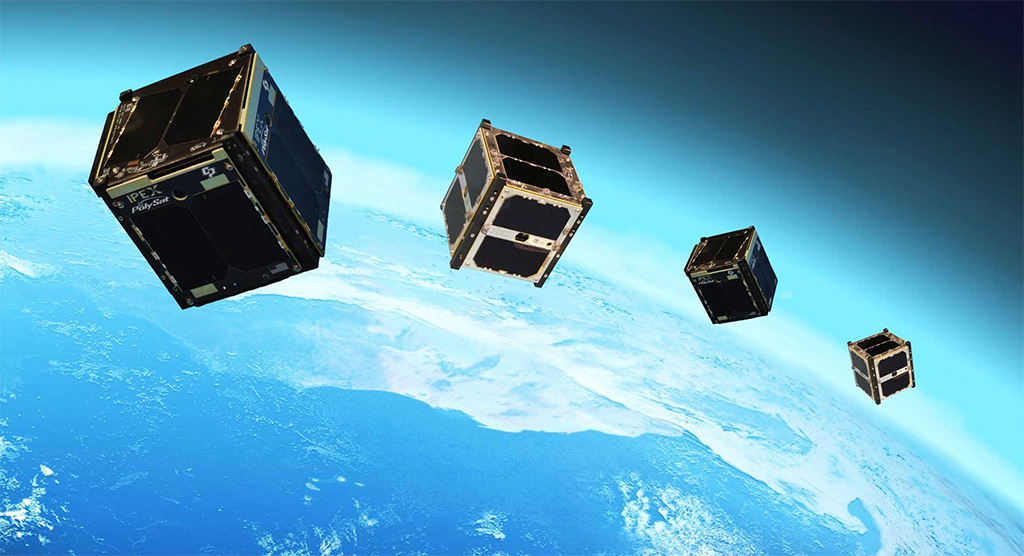
Los nanosatélites que componen las constelaciones de órbita basan su naturaleza en el estándar de construcción CubeSat: un cuadrado de 10x10x10 centímetros que, al ser combinado con otras unidades CubeSat, permiten conformar equipos aeroespaciales con diferentes funciones.
Con una fabricación “superestandarizada” y con lanzamientos que ya pueden ser gestionados independientemente por capital privado, el gran reto de la industria pasa por mejorar las capacidades tecnológicas de estos equipos. No solucionarán los problemas de su naturaleza, como la disponibilidad o su rápido desplazamiento en torno a la órbita terrestre, pero sí serán mejorados muchos de sus procesos: “Existe una carrera por introducir toda la electrónica necesaria para distintos procesos en un CubeSat. Pero es complicado, ya que hay que pensar en muchísimas cosas: como es un trozo tan pequeño, no se pueden poner paneles solares muy grandes; como estás en el espacio, es muy difícil disipar el calor, por lo que hay que conseguir soluciones muy eficientes…”.
“Los satélites de órbita baja, al tener un tiempo de vida pequeño, pueden integrar diferentes herramientas de procesado de señal, lo que es algo muy atractivo”.
A diferencia de los satélites geoestacionarios, los satélites de baja óptica también cuentan con un elemento diferenciador que marca la carrera tecnológica que les rodea: su tiempo de vida limitado. Dada su cercanía a la atmósfera terrestre, es “inevitable” que en el plazo “de tres a siete años” estos vayan cayendo. “No es ningún drama, sino algo totalmente normal”, señala Morales, quien también ve este hecho como una chance para que, en aplicaciones de vídeo, estos equipos aprovechen las tecnologías más recientes de codificación de vídeo: “Los satélites geoestacionarios lanzados en los 90 son transparentes; de alguna manera, son ajenos al paso del tiempo y pueden seguir recibiendo las señales y transportándolas de forma eficiente. Los satélites de órbita baja, al tener un tiempo de vida pequeño, pueden integrar diferentes herramientas de procesado de señal, lo que es algo muy atractivo”.
 La convergencia entre redes móviles y satélites

En el futuro, existen muchas posibilidades de que una transmisión de vídeo que salga en el aire y sea ejecutada desde una mochila de retransmisión se alimente de la creciente industria de los satélites de órbita baja sin que el propio usuario sea consciente del uso de esta tecnología.
Como explica Morales: “Las últimas versiones de 5G o los primeros bocetos del 6G no consideran a las comunicaciones por satélite como algo ajeno. Al contrario, las comunicaciones de satélite de órbita baja se van a integrar dentro de los sistemas de comunicación móviles. De este modo, posiblemente en 2030 o antes, podamos ser ajenos a si nuestro móvil se está conectando a través de un satélite de órbita baja, red WiFi o sistema de comunicaciones móviles”.
La llegada de los sistemas de satélites de órbita baja a las ofertas de las empresas de telecomunicaciones ya está en marcha: operadores de todo el mundo están anunciando acuerdos con empresas especializadas en este campo o potenciando sus capacidades aeroespaciales ante las promesas de esta nueva ventana, especialmente en lo que respecta a dar cobertura en zonas remotas, el mundo IoT o, por supuesto, en broadcast applications.
A report by Sergio Julián Gómez
Did you like this article?
Subscribe to our NEWSLETTER and you won't miss anything.
Related articles
 The corporate world turns to broadcast and streaming technology
 Projective will reveal what “true post-production in the cloud” looks like during NAB 2024
 Virtual reality: when will it be a real alternative for the world of entertainment?
 650 companies from the broadcast and IT world promote the Metaverse Standards Forum initiative
 Creating virtual architectures for the broadcast world: Myreze technology
 The International Chopin Competition travels around the world with Blackmagic's URSA Broadcast
 Alfalite brings together professionals from the world of broadcast and cinema around the new VP XR solution
 Mixed reality: the true revolution of virtual production environments
 BIT Audiovisual 2020: bridge between the IT world, broadcast and content
 EchoStar sells its broadcast unit, including nine satellites, to Dish for $800 million
 Connecting Media: experts debate the true digital transformation from broadcast to IP
 LTE Broadcast: an alternative to 4G for content distribution?
 Hispamar presenta los satélites Amazonas 3 y 4A en SET Broadcast&Cable
 Wings for Media: broadcast transmission via 3G as a reliable alternative