





DaVinci Resolve Studio, clave para el montaje, etalonaje y mezcla de sonido de ‘Winny’
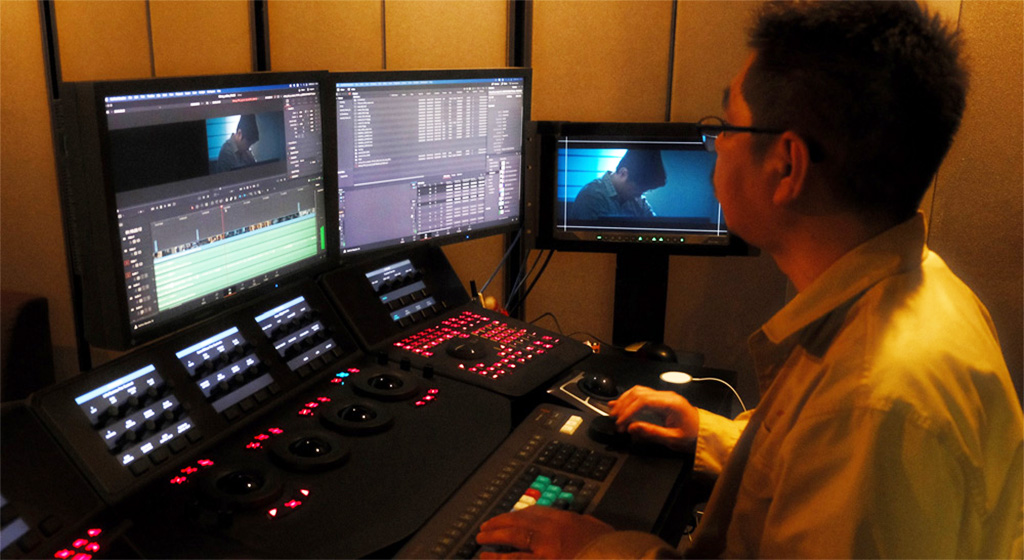
Genta Tamaki (Interceptor) y Takamitsu Hoshiko (DI Factory) eligieron DaVinci Resolve Studio (Blackmagic Design) para ejecutar el montaje, etalonaje, efectos visuales y mezcla de sonido del largometraje ‘Winny’.
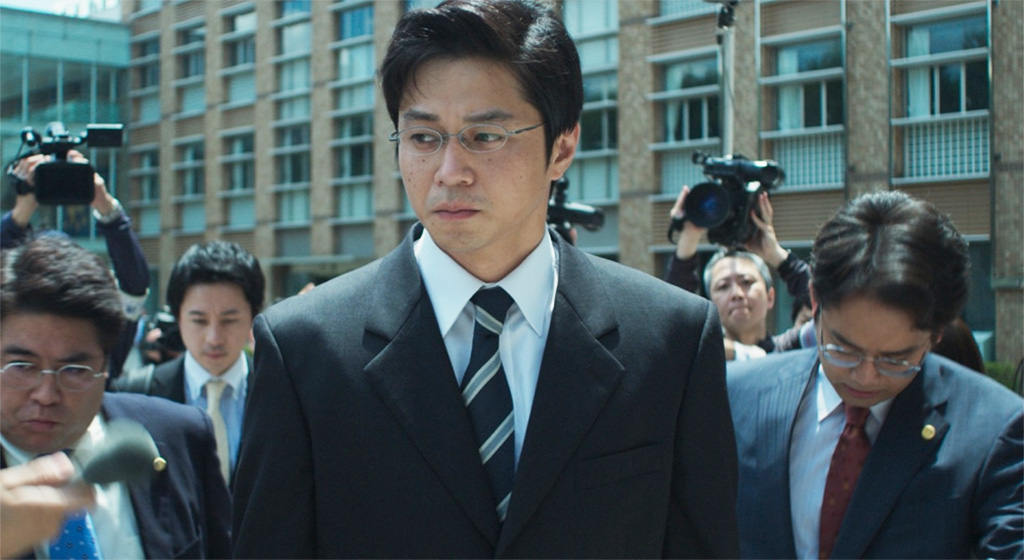
Protagonizada por Masahiro Higashide y Takahiro Miura, Winny narra la historia de Isamu Kaneko, el desarrollador del programa Winny, que desde inicios de la década del 2000 premitió compartir archivos y cuyo uso ha crecido exponencialmente. Las características de Winny incitaron a un sinfín de usuarios a subir y copiar películas, videojuegos o música ilegalmente, y a la consecuente filtración de una gran cantidad de información y virus. Esta situación dio lugar a problemas en el ámbito social, y el desarrollador, Kaneko, se vio arrestado bajo cargos de colaboración y complicidad en la violación de derechos de autor. En consecuencia, se convocó un equipo de asesoramiento legal a fin de proteger el futuro y los derechos del programador, arrestado injustamente.
 Para el montaje y el etalonaje de la cinta, Genta Tamaki y Takamitshu Hoshiko confiaron en DaVinci Resolve Studio, así como en los dispositivos DaVinci Resolve Editor Keyboard, DaVinci Resolve Speed Editor, Resolve Advanced Panel y DaVinci Resolve Micro Panel. Hoshiko aporta más detalles de cómo fue el flujo de trabajo de Winny, que se benefició en gran medida de procesos remotos: “En esta película, usamos DaVinci Resolve para editar a distancia, así que el proceso de trabajo para las correcciones cromáticas posteriores fue muy sencillo. Por lo general, los editores trabajan en el material provisional y exportan los datos para la edición final en formato XML o AAF. Ya con estos archivos y las imágenes de referencia, me dediqué a la conformación del proyecto a fin de que estuviera listo para etalonar en DaVinci Resolve”.
En esta dinámica fue clave la opción archivar, que genera el archivo de proyecto y los archivos multimedia empleados en un único paquete. Como comenta Tamaki: “De esta manera, Hoshiko solo precisaba abrir el archivo de proyecto que le había dado y todo lo que necesitaba estaba organizado en la línea de tiempo”.
La corrección de color de la cinta estuvo llena de momentos desafiantes, que el talento de Hoshiko y la solvencia de DaVinci Resolve fueron capaces de superar. Como el propio colorista cuenta: “En este caso, convertí escenas diurnas en nocturnas. La escena del interrogatorio se etalonó de manera que pareciera filmada de noche. Esta técnica le dio una apariencia distintiva de lo que se suele ver en las tomas nocturnas rodadas con luz artificial, y el director de fotografía, Kentaro Kishi, quedo satisfecho con la estética interesante que conseguimos en la escena”.
https://youtu.be/9uxA5WOS6OY
Did you like this article?
Subscribe to our NEWSLETTER and you won't miss anything.
Related articles
 Colour (Grup Mediapro) consolida DaVinci Resolve como solución de montaje y etalonaje
 El verdadero ‘Yellowstone’ toma forma con DaVinci Resolve como plataforma de edición y etalonaje
 La televisión RTS migra sus procesos de etalonaje a DaVinci Resolve
 ‘Extremely Inappropriate!’, la serie dramática de TBS, emplea DaVinci Resolve Studio en su etalonaje
 DaVinci Resolve Studio etalona, mezcla audio y crea la versión final de ‘Adam Bol’
 DaVinci Resolve, software clave para los últimos taquillazos veraniegos
 DaVinci Resolve Studio, key to ‘Winny’ editing, color grading and sound mixing
 Immersive MMG mezcla y masteriza contenido musical con Fairlight de DaVinci Resolve
 DaVinci Resolve, elegido para el etalonaje de ‘Reality’ (HBO Max)
 Pigmento cambia a DaVinci Resolve para el etalonaje en HDR e IMF
 Blackmagic Design acelera la edición, etalonaje y creación de efectos con la nueva versión de DaVinci Resolve
 Oscar winner Claudio Miranda trusts DaVinci Resolve Studio and DaVinci Resolve Mini Panel from Blackmagic
 DaVinci Resolve Studio procesó los copiones y el etalonaje final de ‘Asesinato en el Orient Express’
 Blackmagic lanza DaVinci Resolve 12 con opciones de edición y etalonaje en colaboración sin precedentes