





'Moon Garden', from 35 mm to digital with Cintel and DaVinci Resolve Studio
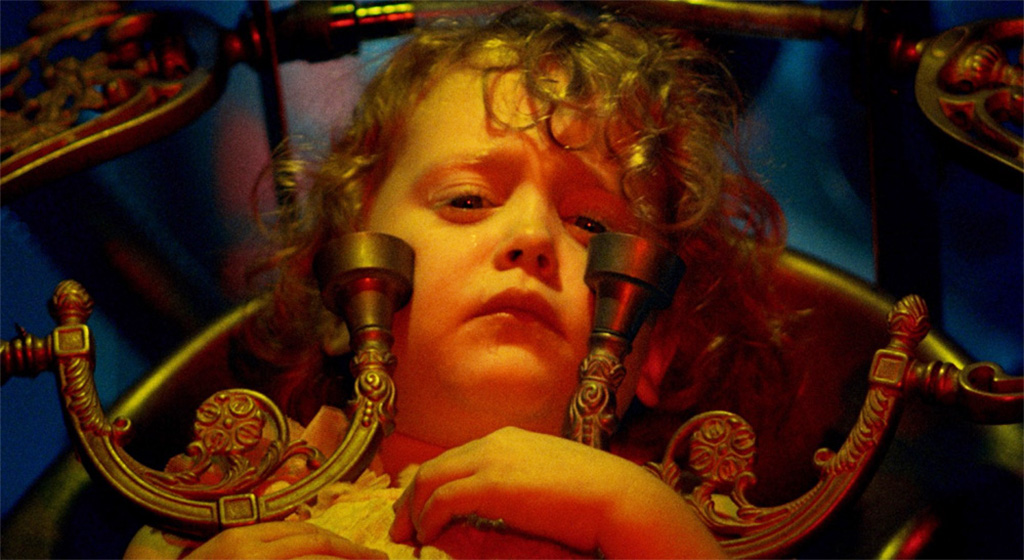
Ryan Stevens decided to film his latest short 'Moon Garden' in 35 mm, which required digitization with Cintel scanners and was finished with DaVinci Resolve Studio; both, solutions Blackmagic Design.
Defined as a fantastic epic, Moon Garden (Fire Trial Films) tells the story of a young woman in a coma who, with the help of magical creatures, embarks on a journey through a wonderful industrial world to find her way back to a state of consciousness. The film boasts various cinematographic tricks traditional techniques, such as the use of slow motion, puppets, time-lapse photographs and miniatures, to enlarge general shots, as well as a tank with different layers of liquids to simulate the night sky. John Elfers, producer of the short film, assembled a diverse range of tapes for the production, including negatives Kodak 5212 (100T) (used as the primary recording medium) and Kodak 800T (which are no longer manufactured), while head of photography Wolfgang Meyer used several film cameras for the purpose of filming the feature film.
The filmmakers' goal was to develop a unique style and a fantasy appearance. As Stevens explains: "The idea was always to create a world that seemed exhumed from the earth or converted. The film had to convey the feeling of belonging to another era, as if we had found an old, dusty tape in some attic and rediscovered the images recorded on it when projected. One of the main themes of the film revolves around whether it is really possible to repair broken things, so it seemed appropriate to conceive of a universe made up of demolished machines." To accompany this vision, Elfers decided to do without digital: "Every time we use this medium, the appearance of the images captured is much better than reality. In a way, celluloid combines all the elements, hides imperfections and increases the quality of the recorded material."
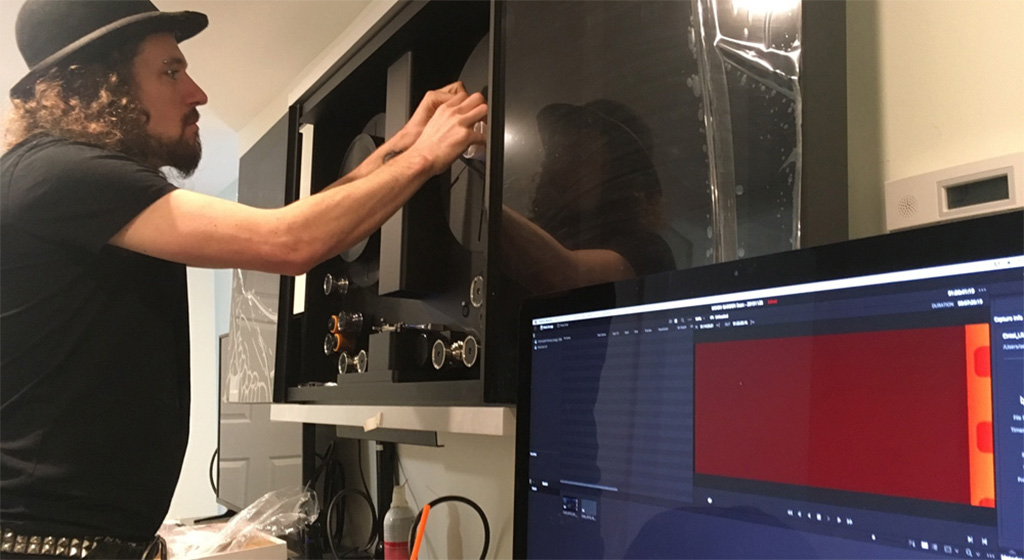
The role of the Cintel scanner
Although the team had the necessary tools for production and an unwavering desire to achieve a particular style, digitalization played an important role. In the words of Elfers: “It was all possible because our partner, Ken Locsmandi (Filmworks/FX), invested in a scanner Cintel, thus eliminating one of the most significant economic obstacles to production. “Once I learned how to use it, we had all the resources we needed for our 35mm film workflow.”
Given the diversity of film cameras used to achieve the unique look, it was necessary to carry out the digitization in a system that offered all the guarantees. Stevens says: "This was a very ambitious film, both technically and creatively. We used over 12 different cameras for 35mm film with two, three and even four perforations to achieve various tricks and capture various shots."
Considering this diversity of formats, the possible expense that digitization would have involved would have been worrying without the scanner: "One of the great advantages of this equipment is the ease of alternating between tapes with different numbers of perforations. In telecines of other brands, it is necessary to change the window in order to digitize different types of celluloid. However, with Cintel you only need to click a button. Generally, laboratories classify the reels according to the format of the perforations, and this can triple the expense necessary when filming with different recording media. However, “We saved thousands of dollars by having the possibility of mixing formats.”
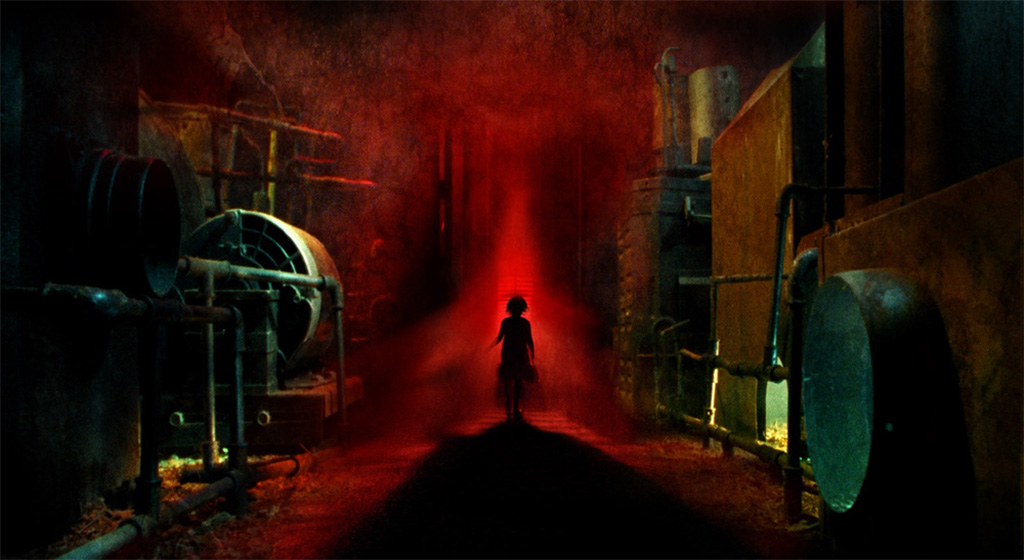
DaVinci Resolve Studio, key tool
The team of Moon Garden digitized the material directly from DaVinci Resolve Studio, which allowed access to additional functions that facilitated the management of differences in image quality caused by the use of different types of celluloid. As Elfers explains: "Part of the film's aesthetic was based on shooting with expired tapes whose tonality naturally changes over time. Although we leaned towards a very grainy appearance, the recorded material still had to be homogeneous. Some rolls had a magenta chromatic distortion and others a greenish one, but the scanner has an extraordinary function, called "auto black", which analyzes the space between the frames and makes the corresponding adjustments. This tool was a salvation, since it allowed us to restore an almost normal appearance to the images without losing their classic appearance.”
Once the aesthetics of the different negatives were balanced, Stevens was in charge of leading the short film grading, again delving into DaVinci Resolve: "It was an intense process due to the high graininess and changes in tonality of the expired tapes. I started by doing extensive basic grading, adjusting the values of the different types of celluloid and rebalancing the tapes that had the most damage and extremes. I was then able to use windows and tracking tools to isolate particular color bands, such as deep reds or midnight blues, to "I made sure the colors popped. I then handed the project over to Elliot Smith, a colorist in Los Angeles who I've worked with previously. He did a second grading, accentuating particular choices and refining the overall aesthetic of the film."
"For the most damaged tapes, sometimes the grain was so high that the recorded material was very blurry. Resolve has the best noise reduction function on the market today, so I was able to recover even these images that seemed unusable. In addition to the chroma tools, we used a host of other features to finalize the film. For example, we used Fusion effects to clean up frames. Then we removed dirt and other imperfections, particularly atrocious scratches, although we decided to retain many of these defects as they contributed to the overall aesthetic of the film. Time and time again, Resolve proved robust and reliable. It is the most complete of all post-production programs, and it is a pleasure to use,” concludes Stevens.
Did you like this article?
Subscribe to our NEWSLETTER and you won't miss anything.
Related articles
 ‘Y2K’ (A24) travels from digital to celluloid with DaVinci Resolve Studio
 Moon Garden’, from 35 mm to digital with Cintel and DaVinci Resolve Studio
 Cintel and DaVinci Resolve give new life to ‘Perth’, a Super 16 film
Cintel and DaVinci Resolve give new life to 'Perth', a film shot in Super 16
Cintel and DaVinci Resolve give new life to ‘Perth’, a Super 16 film
Cintel and DaVinci Resolve give new life to 'Perth', a film shot in Super 16
 DaVinci Resolve Studio takes on the darkness of 'Barbarian'
 DaVinci Resolve Studio finishes ‘Ms. Marvel' with a very particular aesthetic
 DaVinci Resolve Studio, axis of the completion of 'Writing With Fire'
 ‘The Green Knight’, etalonada con DaVinci Resolve Studio
 Corridor Digital uses DaVinci Resolve Studio for end to end post for its YouTube channels
Corridor Digital uses DaVinci Resolve Studio for post-production of its popular YouTube channels
Corridor Digital uses DaVinci Resolve Studio for end to end post for its YouTube channels
Corridor Digital uses DaVinci Resolve Studio for post-production of its popular YouTube channels
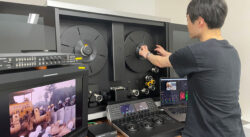 Athénée Français Culture Center uses Cintel scanner and DaVinci Resolve for film restoration
Cintel scanner and DaVinci Resolve make it easy for the French Athenaeum in Tokyo to restore its funds
Athénée Français Culture Center uses Cintel scanner and DaVinci Resolve for film restoration
Cintel scanner and DaVinci Resolve make it easy for the French Athenaeum in Tokyo to restore its funds
 Paramount graded 'Rocketman' with DaVinci Resolve Studio
 Oscar winner Claudio Miranda trusts DaVinci Resolve Studio and DaVinci Resolve Mini Panel from Blackmagic