





Las empresas de media y entretenimiento perdieron casi el 10% de sus ingresos debido a ciberataques en el último año

Un informe de Fastly revela que las organizaciones tardan una media de hasta ocho meses en recuperarse de los efectos negativos de las brechas de seguridad, que incluyen cuentas de clientes comprometidas y pérdida masiva de datos.
El informe anual global de ciberseguridad elaborado por Fastly pone de manifiesto la magnitud de los ciberataques contra las empresas de medios de comunicación, víctimas de una media de 25 ataques conocidos este año.
Esta encuesta también revela los efectos financieros enormemente perjudiciales de las brechas de seguridad. Ningún sector incluido en la encuesta es más susceptible de sufrir daños económicos directos causados por las brechas de seguridad que el de los medios de comunicación y el entretenimiento (36%).
Estas empresas también destacaron los cortes de red (34%), la desconexión de aplicaciones web (27%), la pérdida de datos (27%) y el compromiso de cuentas de clientes (27%) como los efectos más comunes de las brechas de seguridad. Los empleados de este sector también son más propensos a sufrir ataques de ingeniería social que cualquier otro de los encuestados (31%), lo que indica la necesidad de que estas empresas apliquen una formación a nivel de toda la organización para proteger a todos sus empleados.
Sean Leach, VP de Tecnología en Fastly, señala que “los ataques a la industria de los medios de comunicación y el entretenimiento son menos frecuentes que los dirigidos a otras industrias. Sin embargo, no son menos perjudiciales y a menudo causan importantes daños económicos. La baja frecuencia de los ataques conocidos en este sector puede ser motivo de preocupación, dado que cada gran evento de streaming es objeto de numerosos intentos de desconectarlo. Por otra parte, puede significar que muchas empresas de este sector son conscientes del gran riesgo que suponen para ellas los ciberataques y han tomado las medidas necesarias para mitigar los posibles daños”.
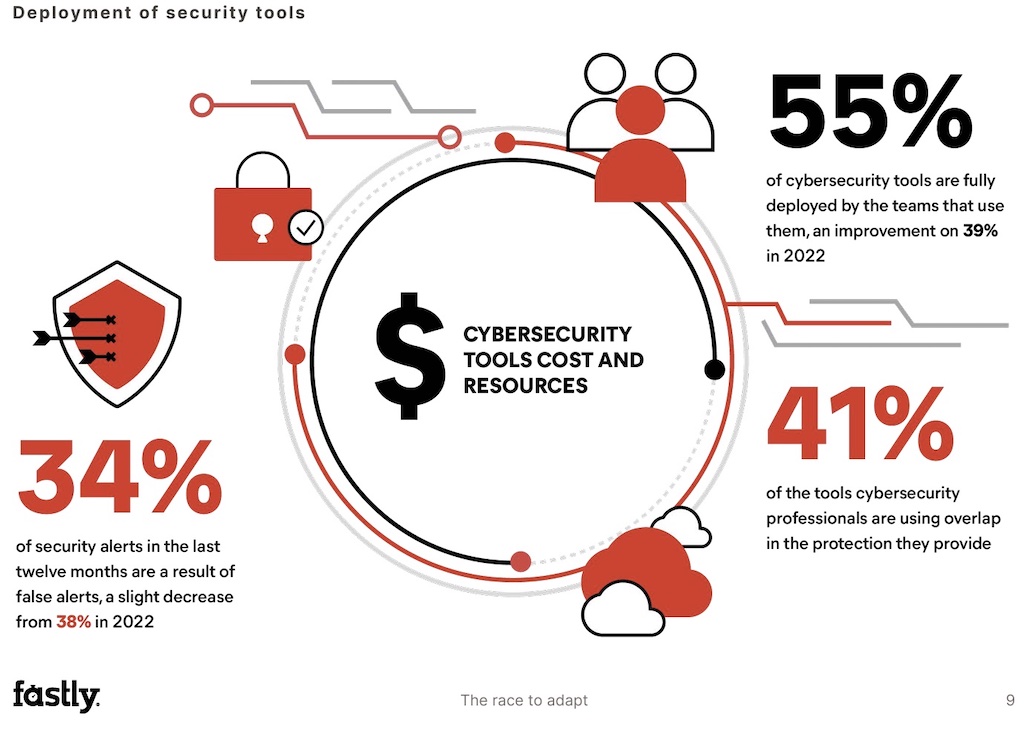
Ser conscientes de las implicaciones financieras de no tener la infraestructura de seguridad correcta, está llevando a las empresas de medios y entretenimiento a reevaluar sus inversiones, con un 71% planeando aumentar sus presupuestos de ciberseguridad en el próximo año.
A pesar de este incremento, la incertidumbre continúa reinando en los equipos de seguridad, con un 38% de los profesionales sintiendo que gastaron demasiado en herramientas de ciberseguridad en los últimos 12 meses, en comparación con un 28% que siente que no gastaron lo suficiente. El hecho de que sólo el 62% de las herramientas de seguridad se utilicen en su totalidad es representativo de esta conflictiva estrategia de gasto en ciberseguridad, lo que supone una importante cantidad de dinero infrautilizado en la lucha contra los ciberdelincuentes.
The escasez de talento especializado en materia de seguridad también está causando problemas. De hecho, el 32% de los profesionales de ciberseguridad en la industria de los medios y entretenimiento estiman que los problemas de los últimos 12 meses se debieron a la escasez de talento, y el 34% prevé que esta situación continúe en los próximos 12 meses. En consecuencia, en el último año el 53% de las empresas de este sector han aumentado sus presupuestos específicos para talento. La falta de experiencia en la gestión de amenazas (53%), la carencia de las competencias necesarias (40%) y la incapacidad para trabajar a gran escala (40%) son los principales problemas a los que se enfrentan los profesionales de la seguridad y que han complicado considerablemente el proceso de contratación.
Una posible solución a estos retos es la IA Generativa, en la que se espera que invierta el 53% de los profesionales de seguridad en los próximos dos años. Esta es también la principal prioridad de seguridad para las empresas en los próximos 12 meses, con un 37% centrado en la seguridad de la IA. Esta mayor priorización se debe al arma de doble filo que supone la IA Generativa. Por un lado, se prevé que sea el segundo impulsor de amenazas más prevalente en el próximo año, pero por otro, en el mismo periodo de tiempo el 66% de los profesionales de ciberseguridad estiman que el impacto de la IA Generativa será positivo. Estos encuestados consideran que la IA es la clave para desbloquear nuevas oportunidades (49%) y nuevos puestos de trabajo (42%) más que cualquier otra cosa.
“A pesar de que desde hace dos años está prestando mayor atención al problema de la disponibilidad de talento, muchas empresas siguen intentando resolverlo simplemente gastando más. Aunque esta estrategia puede ayudar a las empresas a atraer a los mejores profesionales, ignora los avances tecnológicos -y las soluciones alternativas- que pueden ayudar a los equipos de seguridad a superar sus retos de personal. Entre ellos, hemos visto que los Servicios de Seguridad Gestionados (MSS) y la IA Generativa han sido áreas prioritarias, ya que las empresas buscan reducir el trabajo y aumentar la productividad de sus equipos de seguridad internos aligerando tareas que consumen mucho tiempo, y de esta forma desbloquear nuevas oportunidades de innovación y garantizar que las empresas estén mejor protegidas en toda su superficie de ataque”, explica Leach.
Did you like this article?
Subscribe to our NEWSLETTER and you won't miss anything.
Related articles
 Almacenamiento de media: las directivas europeas clave que hay que conocer ante el auge de los ciberataques
 Fastly ayuda a las empresas de media a detectar y bloquear amenazas en el Edge
 'The Floor' (Antena 3), wTVision's latest project in its entertainment portfolio
 The Core Fest congrega a las más relevantes empresas del entretenimiento audiovisual
 The IP will mark the future in media, sports and entertainment
 Compaas Media y Secure&IT organizan un webinar sobre ciberseguridad en media y entretenimiento
 Tedial helps medium-sized companies migrate to remote operations
 Akamai analiza los ciberataques a medios de comunicación
 AMETIC coordina la participación de empresas españolas de tecnologías audiovisuales y de entretenimiento en IBC
 ¿Robots en la industria de media y entretenimiento?
 La penetración de la televisión de pago aumentó casi un 10% en el último año
 BrightDrive Media File Servers: pensando en media y entretenimiento
 Atempo crece en la industria de media y entretenimiento
 Sony Media RoadShow: the latest in technology at the service of creativity