





Virtual production and the training of new professional roles demanded by the industry
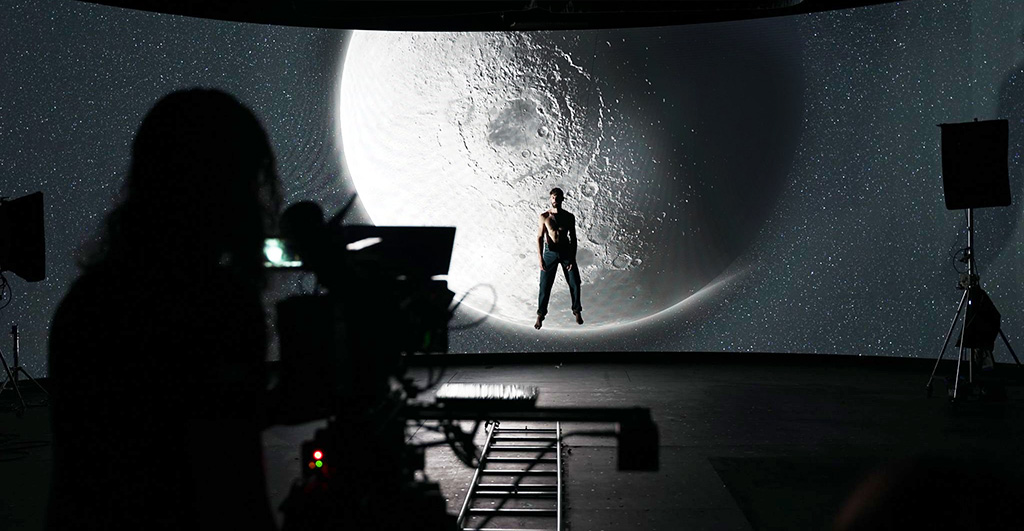

Miquel García, head of post-production and AV-IT engineer at Gestmusic (Banijay Iberia), and coordinator of the Master in Virtual Fiction Production with Unreal de La Salle-URL, conveys the new training needs around virtual production, an environment that requires specialized personnel to place the Spanish industry at the global forefront.
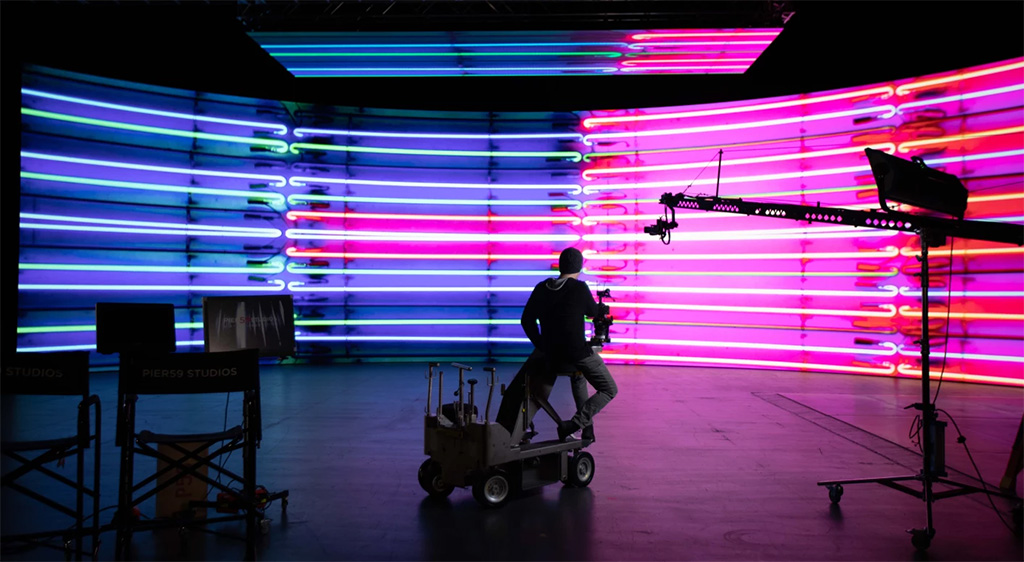
The virtual production has burst into the audiovisual industry with force, positioning itself as an essential tool for the creation of fiction content. The large format LED screens and the real time graphics engines, like Unreal Engine, are revolutionizing the way things are thought about. audiovisual productions, allowing the integration of hyper-realistic virtual environments that replace traditional sets. What was previously a long and expensive process, which required filming in real locations or in studios loaded with chroma key and then adding effects in post-production, is now being carried out in a more agile and efficient in LED volumes.
It is urgent to implement training plans that mean a complete and global immersion in the use of Unreal Engine, with a practical and theoretical approach to implement scenes that interact organic way with the lighting and physical elements, all in real time.
It is no longer necessary to travel to exotic environments o build monumental sets; These locations can now be projected in real time during filming, while actors interact with scenarios that are indistinguishable from reality. This type of innovation is being rapidly adopted, not only in big budget productions, but also in smaller projects, due to the growing accessibility of these technologies. This change is transforming the way of producing, and VFX processes that were previously carried out in post-production, now participate in pre-production and also during recording, boosting the emergence of new professional roles that require specialized training, profiles with specific skills in handling technologies that until now were not common on the film set.
The new professional roles of virtual production
With the rise of virtual production, art teams demand virtual production set creators, artists capable of design and create digital sets in which the stories are developed and that will be used in the productions. This professional not only needs to master the tools of 3D design, but also understand how these Environments interact with actors, light and camera on the actual set.
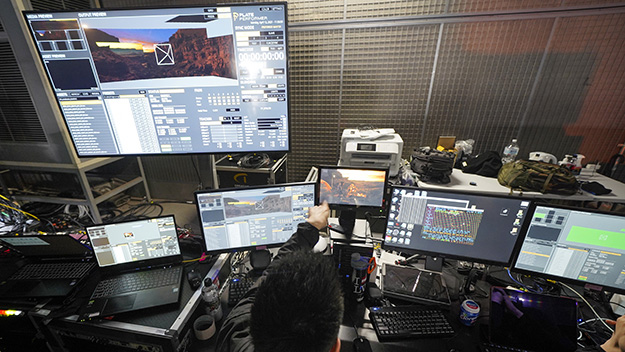
On the recording set, the set technicians in virtual production, responsible for configure and manage the interaction between LED screens, cameras and camera tracking systems. These professionals are essential to guarantee success in a shoot that integrates digital environments.
The formation of these new profiles cannot be offered specifically and only to the youngest, to those who have just left our universities; it has to be thought and designed also for recycle to those who are already good professionals and with experience.
Other emerging profiles are the operators on stage from Unreal Engine, that during the filming, they reproduce the virtual scenarios, and during the essays, they make sure to apply the necessary adjustments so that the scenes integrate with the real elements and the desired light. These professionals require in-depth knowledge of the tool that has established itself as the key platform for generating dynamic and realistic virtual environments in real time.
Finally, the transformation of work dynamics on set is requiring the presence of the virtual production supervisor which plays a crucial role in the planning and execution of virtual production projects. This role requires a combination of technical and management skills, ensuring that all elements, from virtual environments to live action, are effectively integrated to achieve a cohesive final product. Supervisors must not only have a technical mastery of the tools, but also a deep understanding of the creative process, since their role is to mediate between the director's vision and the technological possibilities that virtual production offers and how it is integrated into all processes from pre-production to post-production.
The need for new training plans
It is evident that the technological transformation is demanding a specific and quality training, capable of preparing professionals to face the challenges posed by this new way of producing. Here they can play a key role specialized training programs that focus on learning technology while acquiring the ability to lead projects in the industry. It is urgent to implement training plans that mean a complete and global immersion in the use of Unreal Engine, with a practical and theoretical approach to implement scenes that interact organically with the lighting and physical elements, all in real time. The new professional roles must not only master technology, but must also be able to lead projects and understand the language of the industry.
The formation of these new profiles cannot be offered specifically and only to the youngest, to those who have just left our universities; It also has to be thought and designed for recycle to those who are already good and experienced professionals, and who now need complete and expand their knowledge to be protagonists in this process of transformation and adaptability. They must find the tools that provide them with the necessary elements to occupy these new roles, to be able to manage the entire life cycle of a project, from initial conceptualization to final editing.
The companies that have already led y experienced in virtual productions are the ones that should lead training of the next teams encouraging them to be built valuable networks of contacts that facilitate a real professional exchange.
The bet must be a formation comprehensive, intensive and, above all, accompanied from the industry, elemento esencial para abordar los desafíos que plantea la producción virtual en todas sus etapas. La empresas que ya han liderado y experimentado en producciones virtuales son las que deberán lead training de los próximos equipos propiciando que se construyan redes de contactos valiosas que faciliten un intercambio profesional real, para que la industria pueda ir cubriendo los huecos laborales con los nuevos profesionales formados.
La innovación tecnológica en la producción audiovisual no muestra signos de desaceleración, y la producción virtual está liderando este cambio. La posibilidad de generar mundos inmersivos y dinámicos que interactúan con la acción en vivo está redefiniendo las posibilidades narrativas y creativas en la ficción audiovisual. Para adaptarse a este nuevo escenario, la industria necesita de sus nuevos profesionales.
No podemos obviarlo, hay que dar una respuesta clara a esta demanda preparando a una nueva generación de profesionales que están llamados a liderar el futuro de la producción audiovisual.
Miquel García
Responsable de postproducción e ingeniero AV-IT de Gestmusic (Banijay Iberia), and coordinator of the Master in Virtual Fiction Production with Unreal de La Salle-URL

Did you like this article?
Subscribe to our NEWSLETTER and you won't miss anything.
Related articles
 IIM and Netflix promote training in virtual production among women
 Disguise will train the VP industry from MARS, virtual production set for 'The 3-Body Problem'
 New virtual and advanced production courses from the Galician Audiovisual Cluster
 Disguise organizes a free virtual production course designed by professionals with experience at Netflix and Amazon
 Absen collaborates with Final Pixel on virtual production training
 RAMPA organizes five professional meetings to contribute to the training of women in audiovisual
 Sgo launches Mistika Insight thinking about the training of future post-production professionals
 Madrid Premiere Week: training and the audiovisual industry shake hands
 Industrial Media announces new microcourses and launches online training
 The Television Academy and the UNED sign an agreement for the training of audiovisual professionals
 S3D Campus: 3D training with the best professionals
 The future of training in the audiovisual industry
 New Shure professional headphones
 DTT, HD, mobility, 3D and training will focus the Professional Conferences in Broadcast'09