





Canal+ brings MotoGP to a new immersive experience for Apple Vision Pro with Blackmagic Design
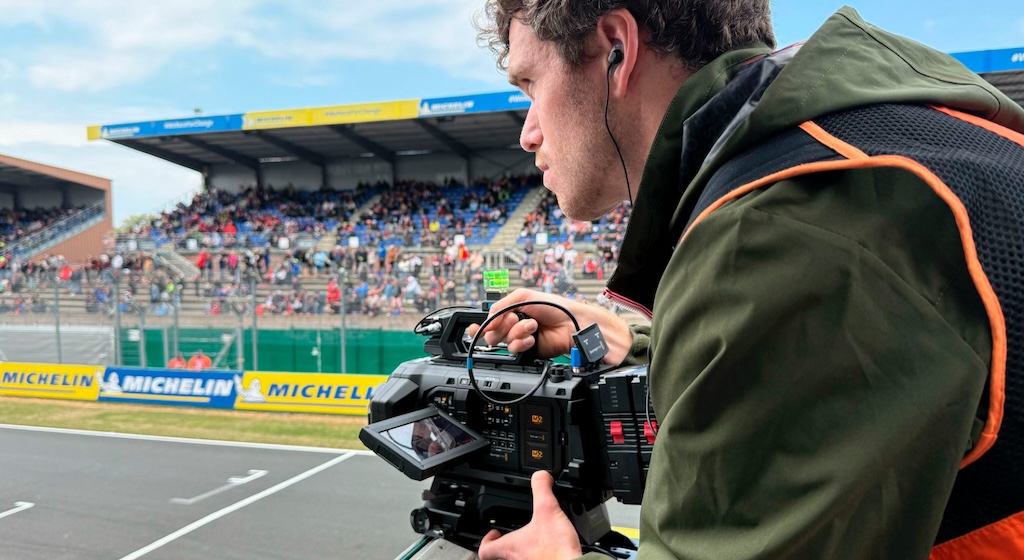
Filmado íntegramente con la nueva cámara Blackmagic URSA Cine Immersive y finalizado en DaVinci Resolve Studio (Blackmagic Design), Canal+ produce un documental inmersivo para disfrute de los espectadores en Apple Vision Pro.
MotoGP siempre ha puesto a prueba los límites de lo que el público puede ver y oír en la pantalla. Para su último proyecto, Canal+ se propuso capturar no solo la velocidad, sino también los momentos más tranquilos que definen un fin de semana de carreras.
Producido en colaboración con MotoGP y Apple, el documental sigue al campeón del mundo Johann Zarco y a su equipo durante su dramática victoria en casa en el Gran Premio de Francia en Le Mans. El documental se grabó con la cámara URSA Cine Immersive con dos sensores de 8160 x 7200 (58,7 megapíxeles) a 90 fps, lo que permite ofrecer contenido cinematográfico inmersivo en 3D en un solo archivo mezclado con Apple Spatial Audio. La experiencia deportiva de MotoGP sitúa a los espectadores en el centro de la acción, desde el pit lane y el paddock hasta el podio.
Etienne Pidoux, de Canal+, afirma que “MotoGP está hecho para este formato. Sientes la velocidad pura y ves detalles que de otro modo se perderían en una pantalla plana. Te acerca más que nunca a las máquinas y al equipo”.
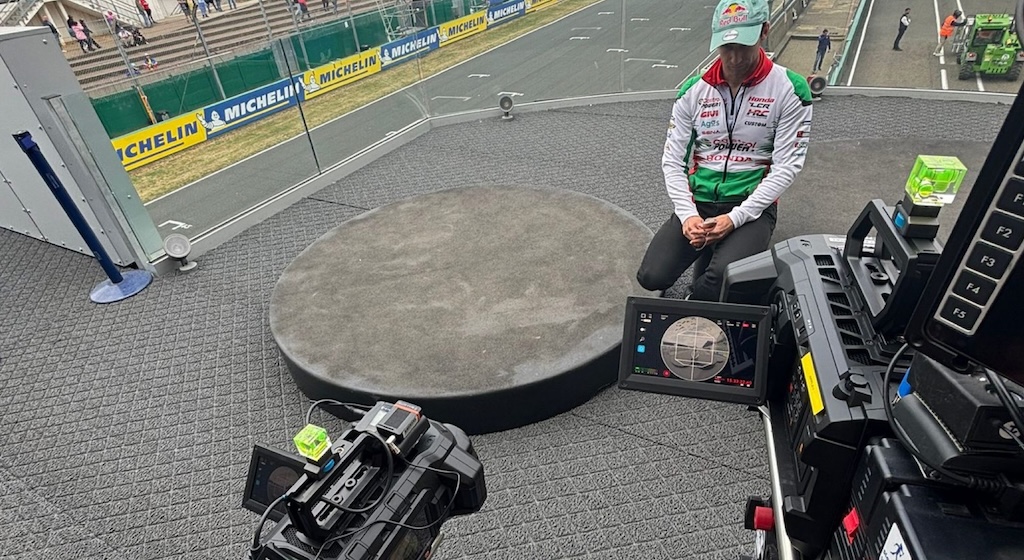
Para situar al espectador en el centro de la acción, Canal+ utilizó varias cámaras URSA Cine Immersive. “Teníamos dos cámaras en pedestales y una en una Steadicam”, explica Pierre Maillat, de Canal+. “La idea era poder cambiar rápidamente entre la Steadicam y las configuraciones fijas en función de lo que estuviera sucediendo en cada momento. La configuración de la Steadicam fue muy valiosa”, señala Pidoux. “Nos permitió reaccionar con mayor rapidez en un entorno que cambia rápidamente y nos dio más agilidad durante el rodaje”.
“El vídeo inmersivo cambia la forma de grabar”, añade Pidoux. “Planificas más, grabas menos y replanteas la composición debido a la visión de 180 grados, especialmente en espacios reducidos o concurridos como el pit lane”. La lightning también fue un factor a tener en cuenta dentro de los garajes del equipo. “Añadimos algo más de luz para compensar la captura estereoscópica de 90 fotogramas por segundo”.
Audio espacial
Cada cámara se emparejó con un micrófono ambisónico para capturar audio espacial de primer orden, y los micrófonos ambisónicos se complementaron con micrófonos discretos para entrevistas y otras fuentes de sonido críticas. “Grabamos en formato ambisónico A para la mezcla inmersiva y en formato basado en canales para otras fuentes”, afirma Maillat. “Todo se codificó por tiempo de forma inalámbrica y se sincronizó tanto en las cámaras como en las grabadoras externas”.
“Se instaló un carro de producción portátil con un Mac Studio con DaVinci Resolve Studio, junto con un Apple Vision Pro, junto a la pista para supervisar y probar las tomas en contexto. «Este enfoque nos permitió comprobar el contenido justo después de la grabación y nos ayudó a verificar el encuadre mientras aún estábamos en el lugar”, explica Maillat.
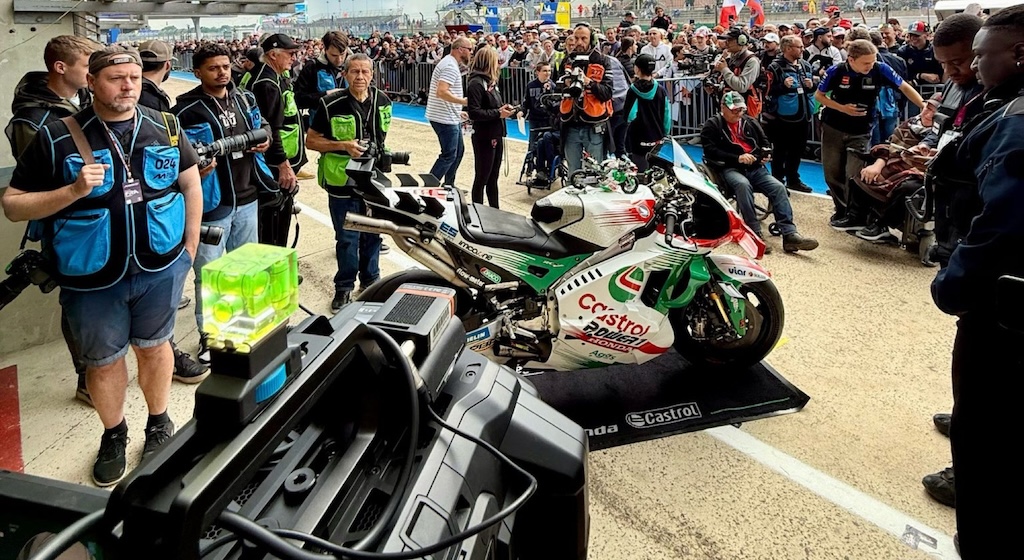 Canal+ disponía de un segundo Mac Studio con DaVinci Resolve Studio y un Apple Vision Pro instalados en el hotel de Le Mans para gestionar la descarga de medios y las copias de seguridad. Con 8 TB de almacenamiento interno y la posibilidad de grabar directamente en el módulo multimedia, el equipo pudo filmar más de dos horas de metraje inmersivo en 3D estereoscópico 8K en la pista sin necesidad de cambiar tarjetas.
La posproducción se llevó a cabo en París, donde Canal+ utilizó un Mac Studio con DaVinci Resolve Studio para la edición, la gradación de color y la mezcla de audio. “Incluso pudimos previsualizar la línea de tiempo estereoscópica directamente en Apple Vision Pro, algo crucial para la gradación inmersiva”, explica Maillat.
He spatial audio se mezcló con Fairlight de DaVinci Resolve Studio. “Inicialmente, pensábamos utilizar otra estación de trabajo de audio digital (DAW), pero DaVinci Resolve Studio y Fairlight era la plataforma que nos ofrecía tanto flexibilidad creativa como resultados de alta calidad para Apple Vision Pro”, destaca Maillat.
“Al filmar con la cámara URSA Cine Immersive y verlo en Apple Vision Pro, encontramos momentos increíbles que normalmente habríamos considerado como fondo. La limpieza de la pista, los primeros planos de los cascos, la multitud… todo se convierte en parte de la experiencia”, concluye Pidoux.
Did you like this article?
Subscribe to our NEWSLETTER and you won't miss anything.
Related articles
 LaLiga tests immersive reality with Blackmagic Design cameras during El Clásico
 Creating advertising campaigns for Apple Vision Pro with URSA Cine Immersive (Blackmagic)
 Rogue Labs uses URSA Cine Immersive (Blackmagic) to create content aimed at Apple Vision Pro
 Blackmagic Design launches support for the Apple ProRes RAW format
 Canal+ brings MotoGP to a new immersive experience for Apple Vision Pro with Blackmagic Design
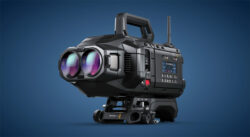 Blackmagic introduces URSA Cine Immersive camera: 8K stereoscopic 3D for Apple Vision Pro
Blackmagic Unveils URSA Cine Immersive Camera: 8K Stereoscopic 3D for Apple Vision Pro
Blackmagic introduces URSA Cine Immersive camera: 8K stereoscopic 3D for Apple Vision Pro
Blackmagic Unveils URSA Cine Immersive Camera: 8K Stereoscopic 3D for Apple Vision Pro
 Ateme's Titan encoders already power spatial computing experiences for Apple Vision Pro
 Canal+ gives its experience to PCCW for the growth of the OTT Viu service
 Mediapro designs an immersive experience for Canadian Premier League matches
 The new cinematographic camera from LaLiga and Mediapro takes the audiovisual experience of football to another level
 Shivver develops an immersive experience for 'OT 2018' viewers
 Intel technology makes an immersive experience possible for 'Dunkirke'
 Blackmagic Design introduces new Intensity Pro 4K card for capturing video in SD, HD and Ultra HD