





Netflix opens the melon of generative AI in production

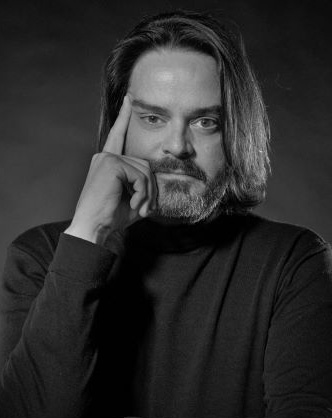
En esta tribuna, Ivan Garriga Simó, fundador y CEO del estudio de postproducción Pijama Studio y co-fundador del estudio especializado en IA Caapsai Genlab, traslada su reflexión personal sobre lo que significan para la industria audiovisual las directrices compartidas por Netflix en el terreno de la inteligencia artificial generativa.
The publicación de las nuevas directrices de Netflix sobre el uso de Generative AI (GenAI) en producción audiovisual me parece un turning point. Y no lo digo solo como profesional que lleva más de 20 años en este sector, sino como alguien que ha visto de cerca cómo cada avance tecnológico ha ido transformando nuestro oficio: desde la llegada del digital, hasta la democratización de la edición y el color, pasando ahora por la inteligencia artificial.
Cuando leí el comunicado oficial de Netflix, pensé: “por algún lado había que empezar”. Y lo han hecho poniendo orden en un terreno donde, hasta ahora, reinaba más la especulación y la improvisación que las normas claras.
1. Por qué era urgente este paso
Todos sabemos que la IA está generando una mezcla de fascinación y miedo en la industria. Los sindicatos en Hollywood lo dejaron claro en 2023 durante las huelgas: no se puede jugar con los derechos de guionistas, actores o técnicos sin reglas claras.
Netflix, que suele marcar tendencia, ha decidido adelantarse con un marco propio. Y más allá de la letra pequeña, lo que me parece importante es la señal estratégica: quieren ser vistos como el estudio que lidera el uso de la IA de forma responsable.
2. Las cinco reglas que marcan el terreno de juego
1. Nada de infringir derechos. No se pueden replicar obras con copyright ni rostros o voces reconocibles sin permiso.
2. Herramientas seguras. Solo software de nivel enterprise, nada de versiones de consumo que entrenen con tus datos.
3. Uso provisional. A priori, el material generado sirve para explorar y previsualizar, no para entregables finales sin una aprobación explícita por parte de Netflix.
4. Respeto al talento. No se tocan personajes principales, dobles digitales o voces sin consentimiento legal por escrito.
5. Ética y transparencia. Nada de usar IA para engañar al espectador ni para suplantar roles de la industria.
3. El caso de The Eternaut
Quizá lo más llamativo es que esta guía no se publica en abstracto. Llega justo después de que Netflix usara GenAI por primera vez en un contenido propio: The Eternaut.
A secuencia compleja, el colapso de un edificio en Buenos Aires, se resolvió con IA. Según Ted Sarandos (co-diretor ejecutivo de Netflix), se completó 10 veces más rápido y a un coste mucho menor que con VFX tradicionales.
Si abrimos la puerta a que una escena generada por IA se cuele sin avisar, corremos el riesgo de perder credibilidad.
Hay quien puede verlo como una amenaza para los profesionales del sector de VFX, pero en realidad es una chance para proyectos que, de otra manera, jamás podrían haberse producido. Si la IA puede abaratar o acelerar ciertos procesos sin sacrificar calidad, puede abrir puertas a narrativas más ambiciosas.
Hay una respuesta que dio Sarandos cuando se le preguntó si veía riesgos en el uso de la IA que creo que resume muy bien el enfoque y la tendencia que va a seguir el sector audiovisual: ”Esto es gente real haciendo trabajo real con mejores herramientas”.
4. Lo que significa estratégicamente
- Posicionamiento responsable: Quieren marcar la pauta antes de que otros lo hagan de forma caótica.
- Relación con el talento: Prefieren blindar la confianza de sindicatos y creativos.
- Menos exposición legal: Las reglas reducen riesgos de demandas y conflictos.
- Ventaja competitiva: Al estructurar sus propios flujos de trabajo con IA, ganan tiempo y experiencia.
- Futuro abierto: Estas directrices no son definitivas; evolucionarán conforme lo haga la tecnología
5. Mis dudas y mis certezas
Como creativo, tengo dos sensaciones encontradas. Por un lado, entusiasmo: la IA puede ser la herramienta que nos libere de tareas tediosas y nos demás espacio para lo que realmente importa, la narración y la emoción.
La IA no viene a sustituir la creativity, sino a ampliarla
Por otro, caution: necesitamos transparencia y ética para que el espectador confíe en lo que ve. Si abrimos la puerta a que una escena generada por IA se cuele sin avisar, corremos el riesgo de perder credibilidad.
Lo que sí tengo claro es que negar la IA sería un error. Ya está aquí, ya se usa, y, quien no empiece a experimentarla ahora, llegará tarde.
6. Un melón que había que abrir
Netflix no solo ha abierto el melón: lo ha hecho con bisturí, no con machete. Y eso, en un sector tan sensible como el audiovisual, es de agradecer.
Su guía es más que un protocolo: es un manifiesto estratégico que nos recuerda que la IA no viene a sustituir la creatividad, sino a ampliarla.
Ivan Garriga Simó
Fundador y CEO del estudio de postproducción Pijama Studio y fundador del estudio especializado en IA Caapsai Genlab.
Did you like this article?
Subscribe to our NEWSLETTER and you won't miss anything.
Related articles
 'City of Shadows' (Netflix), filmed on Mediapro's virtual production set in Barcelona
 IIM and Netflix promote training in virtual production among women
 Mundos Digitales 2025 opens its doors with virtual production as a programmatic axis
 IBC 2025 will host Future Tech, a new area focused on generative AI and virtual production
 Netflix opens up to third-party linear content by integrating the channels of the French TF1
 Víctor Martí will direct production, post-production and VFX for Netflix in Spain and Portugal
 Netflix Spain and virtual production: creativity, challenges and future
 Netflix will reinforce its production in Colombia this year and open headquarters in Bogotá
 Netflix will launch a production center at Shepperton Studios in the United Kingdom
 Reed Hastings inaugurates Netflix's first European production headquarters in Madrid
 Netflix addresses the production of five new Spanish projects
 Netflix establishes its first production headquarters in Europe in Madrid
 Netflix skyrockets its profits thanks to its internationalization and its own production
 Mediapro begins production for Netflix and HBO