





Zero Density develops Reality 5.7 with new multi-channel architecture and key performance improvements
Zero Density lanza Reality 5.7, una nueva versión de su motor gráfico en tiempo real que introduce avances significativos en arquitectura, rendimiento y operatividad para entornos broadcast y de producción virtual.
La actualización incorpora una innovadora arquitectura de ejecución multicanal, integración nativa de con Nvidia DLSS, mejoras en la composición de vídeo y nuevas herramientas orientadas a la estabilidad y monitorización de sistemas profesionales.
La principal novedad de Reality 5.7 es la introducción de una multichannel architecture, which allows graphics to be run on completely independent channels. These channels can be distributed across multiple Reality Engine instances or coexist within a single engine, without limits imposed by the software.
This approach is applied transversally to all graphical areas of the system, including live graphics; augmented reality with monitoring and virtual sets; and templateless graphics based on low-level logic, Blueprints and Node Actions. The result is a unified and predictable workflow, where a single template-based approach can be used for AR, virtual studios, overlays and video walls within a single delivery model.
Con Reality 5.7, Zero Density expand the project library available in Reality Editor. These projects are royalty-free, fully editable, and can be customized and broadcast without copyright restrictions, facilitating faster, stronger adoption by technical and creative teams.
Native integration with Nvidia DLSS
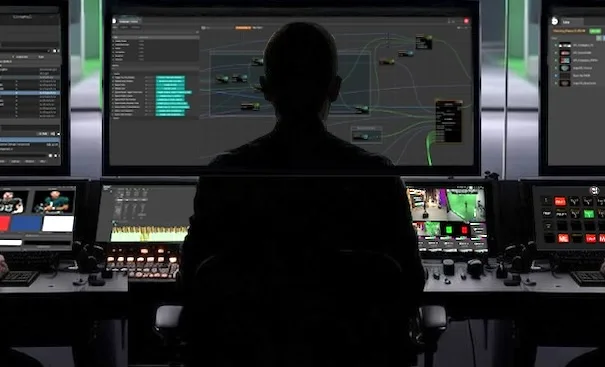
Reality 5.7 incorpora native support for Nvidia DLSS, including advanced lightning reconstruction based on artificial intelligence. Using a unified neural renderer, the engine effectively reduces visual noise and temporal artifacts in complex ray-traced scenes.
This integration makes viable the ray tracing in high-fidelity real-time, allowing for more complex environments, higher polygon density, and physically accurate lighting effects. Additionally, AI-powered upscaling allows you to generate sharp 4K outputs from lower resolution renders, optimizing GPU load and maintaining stable 50/60 fps rates.
On the other hand, version 5.7 introduces the Yadif node within the node-based composition system. This tool significantly improves the quality of interlaced video signals through advanced spatio-temporal analysis, eliminating motion artifacts and “combing” effects. The result is a cleaner and sharper progressive signal in the 3D channel, which is especially relevant for the use of interlaced cameras in **virtual sets and virtual video walls**.
Given the end of Windows 10 support, Reality 5.7 has been completely tested and certified for Windows 11, guaranteeing stability and compatibility in current production environments. Zero Density recommends users contact their support team to plan to upgrade their systems.
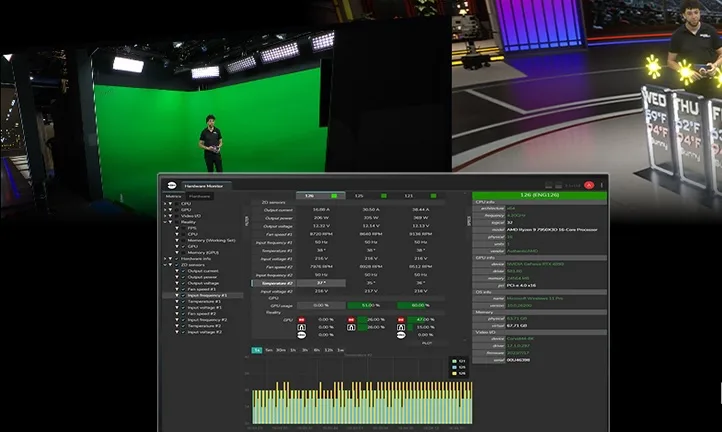
It should also be noted that Reality Hub Hardware Monitor It becomes part of the service level agreement (SLA) at no additional cost. This tool offers a centralized, real-time view of critical hardware metrics and system configuration. Values are color-coded to quickly detect deviations from recommended settings, facilitating proactive problem detection both autonomously and in collaboration with the Zero Density support team.
Finally, Reality 5.7 introduces a relevant update to the REST API license. Starting with this version, the creation of new tokens will not require a license, including Reality Hub LE. The API expands its capabilities with new endpoints (including Lino playback) and allows you to define granular access permissions per token, managed by Reality Hub administrators.
Did you like this article?
Subscribe to our NEWSLETTER and you won't miss anything.
Related articles
 News Malayalam leverages Reality 5 (Zero Density) to bring spectacularity to its news programs
 Reality 5.6 and Lino, protagonists of the Zero Density showcase at IBC 2025
 Zero Density develops a unified solution for broadcast graphics with Reality 5.6
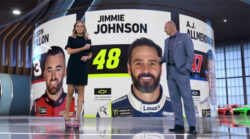 'Nascar Race Hub' (Fox Sports): 2,500 programs with Zero Density's XR Reality technology
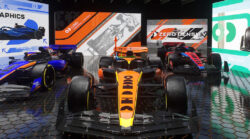 Zero Density: the newly introduced Lino and the latest Reality improvements will be at IBC 2024
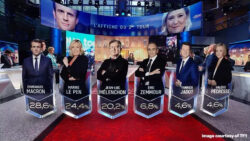 Reality by Zero Density moves towards photorealism with its version 5.3
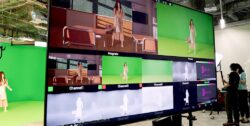 DIVA-DAG (Tokyo) redefines CG production with Zero Density's Reality Engine
 Zero Density returns to NAB 2023 with new Unreal-based solutions and improvements for Traxis
 The Japanese Virtual Line bets on Zero Density's Reality Engine
 South Korea anticipates the future of television entertainment with Zero Density's Reality
 Alhurra TV uses Zero Density's Reality to cover the latest US elections
 Litepanels develops the new range of Studio X high-performance fresnels
 Zero Density reality of life on the virtual set of Nissan's latest showcase
 HP incorporates important improvements in the performance of its Thin Clients