





Los desafíos de la financiación en la industria audiovisual en 2026


En esta tribuna, Patricia López, directora de SEGO Creative, analiza las claves de la financiación audiovisual en 2026, las cuales responden a la imparable evolución de una industria que explora modelos eficientes ejecutados con la máxima planificación.
La financiación audiovisual atraviesa en 2026 un momento de redefinición profunda. En los últimos años se ha vivido un cambio radical en la forma de consumir contenidos audiovisuales, antes, el cine y la televisión marcaban horarios y opciones limitadas. Ahora, nos encontramos con un ecosistema digital dominado por plataformas bajo demanda donde el espectador elige qué, cuándo y dónde ver, impulsando la personalización y la producción global.
En 2026, el foco ya no está en producir más, sino en producir mejor, con modelos financieros más sostenibles y un control más riguroso del riesgo.
La industria se enfrenta a un escenario más exigente pero lleno de oportunidades para quienes sepan adaptarse a las tendencias. Comprender la situación actual, los requisitos del mercado y las posibles vías de respuesta resulta clave para afrontar el año con una perspectiva realista. Y para lograr esto, además de contenidos de interés, hace falta un plan de financiación robusto y adecuado, y pienso que esto puede lograrse combinando distintas herramientas de financiación que ofrece el mercado.
Producción estratégica y financiación inteligente en 2026
La expansión casi ilimitada de la producción, impulsada por la competencia entre plataformas y el acceso relativamente fluido a la financiación, ha dado paso a una fase de ajuste. En 2026, el foco ya no está en producir más, sino en producir mejor, con modelos financieros más sostenibles y un control más riguroso del riesgo.
Las plataformas de streaming continúan siendo actores centrales, pero han modificado sus estrategias: priorizan proyectos con mayor potencial de retorno, apuestan por catálogos más equilibrados y muestran una mayor cautela en la inversión directa.
Las plataformas de streaming continúan siendo actores centrales, pero han modificado sus estrategias: priorizan proyectos con mayor potencial de retorno, apuestan por catálogos más equilibrados y muestran una mayor cautela en la inversión directa.
Paralelamente, los operadores tradicionales buscan mantener relevancia mediante coproducciones y alianzas, aunque con presupuestos más contenidos. A este contexto se le suma un entorno económico global todavía marcado por la incertidumbre, el encarecimiento del crédito y una mayor presión sobre los costes de producción.
El mercado audiovisual actual exige proyectos sólidos desde el inicio, combinando creatividad con viabilidad financiera, definición clara del público, potencial internacional y cumplimiento de criterios de sostenibilidad y normativos. Todo ello ha hecho que la financiación ya no sea un elemento que se resuelve al final del proceso, sino una variable estratégica desde la fase de desarrollo, con planes estratégicos elaborados con combinaciones de financiación pública, privada y mixta.
Fondos públicos y alternativas privadas: claves para proyectos sólidos
La financiación pública continúa siendo un pilar fundamental del ecosistema audiovisual. Los fondos públicos no solo aportan recursos económicos, sino que actúan como elemento tractor para atraer inversión privada. El acceso a ayudas cada vez es más competitivo y exige proyectos completos, con calidad artística, impacto cultural, solidez financiera y buena planificación.
Los incentivos fiscales siguen siendo una herramienta relevante, aunque requieren una gestión cada vez más especializada. Su correcta aplicación puede marcar la diferencia en la estructura financiera de una producción.
El acceso a ayudas cada vez es más competitivo y exige proyectos completos, con calidad artística, impacto cultural, solidez financiera y buena planificación.
Por todo esto, es aconsejable tener un plan financiero se adapte a las necesidades de cada proyecto diversificando las fuentes de financiación, combinando recursos públicos, inversión privada, preventas, coproducciones internacionales y nuevas fórmulas como la financiación participativa o acuerdos de explotación escalonada.
Estas fuentes alternativas ofrecen mayor agilidad y personalización según las necesidades de cada proyecto, complementando los modelos tradicionales.
Planificación financiera como motor del éxito audiovisual
La financiación de proyectos audiovisuales en 2026 no será más sencilla que en años anteriores, pero sí es más clara y profesionalizada. El mercado premia la planificación, la coherencia y la capacidad de adaptación. Lejos de un modelo basado únicamente en la intuición o el crecimiento acelerado, se impone una lógica más madura y selectiva.
Lejos de un modelo basado únicamente en la intuición o el crecimiento acelerado, se impone una lógica más madura y selectiva.
Este contexto invita a repensar cómo se conciben y se sostienen los proyectos audiovisuales. Quienes comprendan que la financiación forma parte también del proceso creativo, y que no es un trámite posterior o secundario, estarán mejor preparados para afrontar los desafíos del presente y construirán proyectos con una base más sólida, capaces de alcanzar el éxito y sostenerse en el tiempo en un mercado competitivo. Y, por ende, todas estas mejoras y profesionalización de la planificación financiera, provocará una industria más estable y previsora ante cualquier complicación ante posibles tensiones de caja.
Patricia López
Directora de directora de SEGO Creative

¿Te gustó este artículo?
Suscríbete a nuestro NEWSLETTER y no te perderás nada.
Artículos relacionados
 Tres investigaciones sobre cineclubes, guionistas y financiación reciben las Ayudas Berlanga 2026
 Inteligencia artificial en la producción audiovisual: oportunidades y desafíos
 Next-Gen Audiovisual Forum: la innovación en la industria audiovisual a debate en VDS Valencia 2024
 El audiovisual desde la financiación: tendencias y posibles futuros
 CARTV organiza una jornada sobre financiación audiovisual
 La Academia de Televisión aborda los desafíos del sector audiovisual en el Parlamento Europeo
 CCMA reclama en el Parlament la “financiación necesaria” para impulsar la industria audiovisual
 EGEDA y Fundación Secuoya impulsan Iberseries Platino Industria, evento profesional de la industria audiovisual iberoamericana
 VSN demuestra en este NAB 2018 que está preparada para hacer frente a los desafíos en la industria
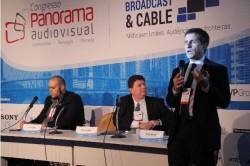 El Congreso Panorama Audiovisual define en Brasil el futuro de la industria audiovisual
 Profesionales del audiovisual gallego participan en un seminario sobre financiación de la obra audiovisual
 Audiovisual S.G.R. hace posible la financiación de 708 proyectos del sector cultural
 ICO, CERSA y Audiovisual SGR facilitarán la financiación a autónomos y PYMES
 Financiación al audiovisual