





Del papel a la pantalla: el derecho moral de integridad como límite a la adaptación cinematográfica
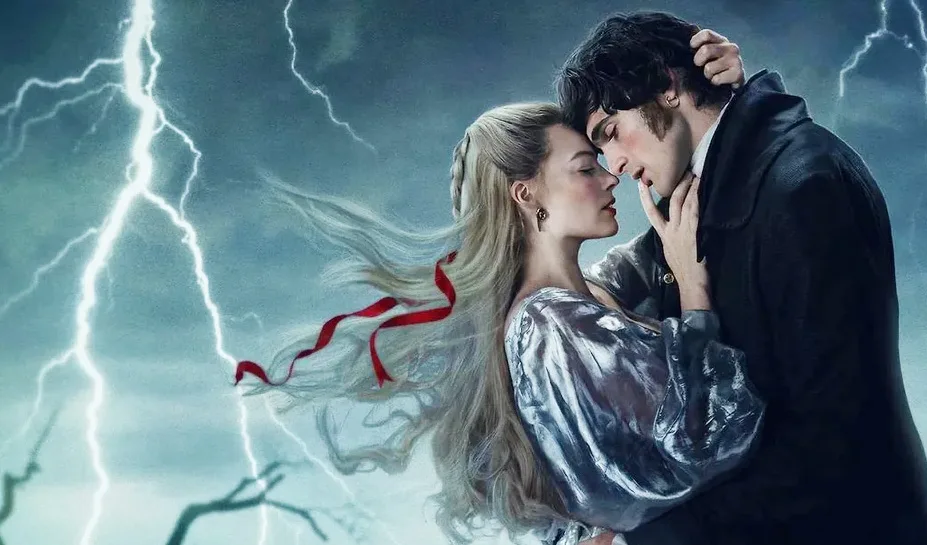

En esta tribuna, Eduardo del Río Dutú, abogado en Bardají & Honrado, parte del fenómeno mundial de la adaptación de ‘Cumbres Borrascosas’ para analizar el marco legal de la adaptación de obras cinematográficas a formatos audiovisuales, en los que las “adaptaciones” y “reinterpretaciones” pueden encontrar límites a la creatividad.
El pasado 13 de febrero se estrenó la octava adaptación cinematográfica de la novela de Emily Brontë Cumbres Borrascosas con una muy buena acogida en taquilla, recaudando 82 millones de dólares en Estados Unidos en tan solo tres días y 1,8 millones en España, en su primer fin de semana. Pese a que la magnitud de estas cifras pueda resultar sorprendente, lo cierto es que las adaptaciones cinematográficas de obras literarias de éxito suelen utilizarse como medio para asegurar un mínimo de beneficios y más aún si dicha adaptación cinematográfica está liderada por el tirón mediático de Margot Robbie y Jacob Elordi.
Esta cuestión hace tiempo que dejó de pasar inadvertida para las producers que, cada vez con más frecuencia, buscan asegurar sus derechos sobre obras literarias para llevarlas a la gran pantalla. De hecho, el Instituto Francés de España, en su último informe relativo al impacto de las adaptaciones literarias en la industria audiovisual española, estimó que 1 de cada 6 estrenos en sala fueron producciones cinematográficas provenientes de adaptaciones literarias.
Resulta inevitable preguntarse si la autorización del autor para que se adapte su obra concede a la productora un cheque en blanco para producir la película sin necesidad de respetar el relato original.
No obstante, la buena acogida en la taquilla no ha tenido su reflejo en las críticas recibidas por la película. Buena parte del público no ha podido tolerar las diferencias entre la película y la novela original, que en cierta forma parece haber desvirtuado el relato de Emily Brontë: desde la sustitución de la represión del deseo por un contacto físico explícito, hasta la supresión de personajes clave para el desarrollo de la trama o la evidente la dulcificación y romantización de la relación entre los protagonistas.
En cualquier caso, no es extraño que una adaptación cinematográfica se distancie de la obra literaria en la que dice inspirarse. A menudo, ello responde tanto a la difficulty que supone trasladar lo escrito a lo visible, a la modernización en busca de una mayor empatía en el público joven o a la necesidad imperiosa del director de dejar su impronta personal.
En este contexto, resulta inevitable preguntarse si la autorización del autor para que se adapte su obra concede a la productora un cheque en blanco para producir la película sin necesidad de respetar el relato original y limitarse a aprovechar elementos aislados, como el título o el nombre de los personajes.
La adaptación cinematográfica de una obra literaria: El derecho de transformación como presupuesto necesario
El artículo 21 del TRLPI regula el derecho de transformación, que otorga el derecho al autor de la obra literaria para autorizar la adaptación y reproducción cinematográfica de la misma. Este derecho tiene una doble vertiente: por un lado, la vertiente positiva, consistente en la facultad o el derecho de crear obras cinematográficas sobre la base de una obra literaria; y, por otro, la vertiente negativa, consistente en impedir que terceros no autorizados modifiquen la obra literaria. Por lo tanto, para poder adaptar una obra literaria y transformarla en una película, será necesario recabar el consentimiento de su autor.
Dicho esto, para entender que estamos ante una verdadera transformación de la obra literaria, y no ante una mera inspiración, será necesario que la película respete el contenido ideológico de la obra literaria, así como que su visionado venere en el espectador la impresión de que está viendo algo que ya conoce.
El derecho moral de integridad como límite a la libertad creativa
Ahora bien, lo anterior no implica que una vez el autor de la obra literaria ceda el derecho de transformación a una productora para su adaptación cinematográfica, puedan realizarse todas las modificaciones que se pretendan, pues depende de cómo se lleve a cabo un acto de transformación, puede vulnerarse el derecho moral del autor.
Por mucho que el autor de una novela autorice su adaptación cinematográfica, ésta encontrará sus límites en el respeto al derecho a la integridad de la obra. No obstante, esta situación rara vez llega a plantearse en la práctica.
Para limitar las posibles transformaciones que puedan afectar a una obra, el TRLPI otorga al autor el derecho de integridad de la obra, que se trata de un derecho moral, inherente al propio autor, inalienable e irrenunciable. Es decir, el autor no podrá ceder este derecho a la productora y, consecuentemente, ésta tendrá que respetar la integridad de la obra literaria sobre la que pretenda realizarse la adaptación cinematográfica. En este sentido, el derecho de integridad de la obra es la facultad del autor que le permite impedir cualquier deformación, alteración o modificación de su creación que menoscabe su reputación o perjudique sus intereses legítimos.
Por tanto, por mucho que el autor de una novela autorice su adaptación cinematográfica, ésta encontrará sus límites en el respeto al derecho a la integridad de la obra. No obstante, esta situación rara vez llega a plantearse en la práctica, pues en muchas producciones el propio autor tiene un papel activo en el proceso creativo, pudiendo revisar aquellos aspectos que, a su juicio, podrían desvirtuar el sentido original del relato.
Dominio público y persistencia de los derechos morales
Habiendo dejado claro que para la adaptación cinematográfica de una obra literaria exige, con carácter general, la autorización de su autor, este requisito desaparece cuando la obra ha entrado en dominio público, esto es, una vez transcurridos setenta años desde su fallecimiento.
Pese a la entrada en dominio público de la obra, el derecho moral persiste de forma imprescriptible y puede ser ejercitado por los herederos del autor.
En tales casos, no será necesario la obtención por parte de la productora del derecho de transformación, pues la obra podrá ser libremente utilizada (como ocurre, precisamente, en el caso de “Cumbres Borrascosas”). Sin embargo, esto no implica que el derecho a la integridad de la obra haya expirado pues, pese a la entrada en dominio público de la obra, este derecho moral persiste de forma imprescriptible y puede ser ejercitado por los herederos del autor.
Así, el derecho de integridad se erige como el máximo defensor de los intereses del autor, incluso cuando su creación haya pasado al dominio público y sea objeto de adaptación cinematográfica. No obstante, determinar si una obra cinematográfica ha vulnerado el derecho de integridad es un criterio resbaladizo, difícil tanto de delimitar en abstracto como de aplicar en la práctica.
La escasez de criterios jurisprudenciales
En España, los pronunciamientos judiciales que permiten delimitar cuándo una adaptación cinematográfica vulnera el derecho moral de integridad de una obra literaria son escasos. Esta falta de criterios consolidados convierte su aplicación práctica en un terreno incierto, en el que cada caso debe ser analizado atendiendo a circunstancias concretas.
Uno de los precedentes más relevantes es la sentencia de la Audiencia Provincial de Madrid de 5 de julio de 2002, que versa sobre la adaptación cinematográfica de la novela de Javier Marías Todas las almas, a la que se le dio el nombre de El último viaje de Robert Rylands. El tribunal concluyó que la película se distanciaba del texto original “y ello en lo sustancial”, al no respetar el espíritu de la obra. En consecuencia, entendió que la adaptación excedía los límites admisibles del derecho de transformación, condenando a la productora al pago de una indemnización y a retirar el nombre del autor de los créditos.
Although he derecho de integridad ocupa una posición central dentro del sistema europeo de derechos de autor, como demuestra su imprescriptibilidad junto con el derecho de paternidad, la escasez de resoluciones y la ausencia de criterios uniformes dificultan su invocación.
La experiencia comparada en el ámbito europeo ofrece ejemplos igualmente ilustrativos. Así, el Tribunal Regional Superior de Munich conoció de la solicitud de medidas cautelares presentada por Michael Ende, autor de La Historia Interminable, frente a la productora Neue Constantin Film por su disconformidad con el final introducido en la adaptación cinematográfica. El tribunal consideró que la película alteraba de forma significativa la sustancia de la novela, infantilizando el relato y obviando su dimensión psicológica. No obstante, denegó las medidas cautelares solicitadas al haber aceptado previamente el autor un final alternativo y ante el grave perjuicio económico que supondría paralizar la explotación de la obra.
Por su parte, el Tribunal de Casación francés, en su sentencia de 12 de junio de 2001 relativa a la adaptación audiovisual de El Principito, abordó una reclamación interpuesta por los herederos de Antoine de Saint-Exupéry, quienes alegaban que la versión cinematográfica distorsionaba la obra original pese a existir un contrato de adaptación. El tribunal reconoció la especial protección del derecho moral, pero precisó que únicamente se vulnera cuando se altera el espíritu de la obra o las características esenciales de sus personajes. Al reproducirse fielmente la trama y la personalidad del protagonista, aunque se añadieran nuevos personajes, se concluyó que las aportaciones creativas del director no suponían una infracción del derecho de integridad.
En definitiva, aunque el derecho de integridad ocupa una posición central dentro del sistema europeo de derechos de autor, como demuestra su imprescriptibilidad junto con el derecho de paternidad, la escasez de resoluciones y la ausencia de criterios uniformes dificultan su invocación frente a adaptaciones cinematográficas que puedan apartarse del espíritu de la novela original.
Europa frente al modelo anglosajón
No obstante, la propia existencia y regulación del derecho de integridad en el ordenamiento europeo tiene un importante efecto disuasorio frente a quienes pretendan aprovechar la entrada en dominio público de una obra literaria para explotar su reputación mediante adaptaciones cinematográficas que desvirtúen por completo el espíritu concebido por su autor.
He contraste con el modelo anglosajón resulta especialmente significativo. A diferencia de lo que ocurre en Europa, donde los derechos morales conservan una posición central, en los ordenamientos de tradición common law su reconocimiento existe, pero aparece condicionado por numerosas excepciones, limitaciones sectoriales e incluso la posibilidad de renuncia por parte del autor. Así, si ya en el ámbito europeo su invocación resulta compleja por la escasez de resoluciones y la falta de criterios uniformes, en el sistema anglosajón deviene prácticamente inviable.
Un ejemplo paradigmático lo encontramos en determinadas adaptaciones cinematográficas producidas a partir de obras recientemente incorporadas al dominio público. En este contexto, la productora Jagged Edge Productions, parece haber convertido el aprovechamiento de estos clásicos en su propio monopolio creativo, explotando de forma sistemática títulos liberados de derechos para producir películas de serie B como Winnie the Pooh: miel y sangre, Peter Pan: Pesadilla en Nunca Jamás o Bambi: La Venganza, reinterpretaciones que, desde una perspectiva europea, difícilmente superarían el examen del derecho moral de integridad.
No se trata de exigir una reproducción literal, cuestión totalmente incompatible con el lenguaje cinematográfico, sino de evitar que la adaptación termine siendo irreconocible para quien conoce el original.
En estos supuestos, la obra original queda tan profundamente alterada que no resultaría complicado sostener la existencia de una vulneración de dicho derecho. Precisamente por ello, la imprescriptibilidad del derecho de integridad adquiere una relevancia esencial, al permitir que alguien continúe velando por la creación incluso tras su entrada en dominio público. De lo contrario, cualquier obra podría ser explotada sin límite alguno, desdibujando completamente el sentido que el autor quiso imprimirle.
Por tanto, lejos de constituir un obstáculo creativo, el derecho moral de integridad actúa como una brújula jurídica que recuerda que adaptar no equivale a apropiarse. La libertad artística encuentra así un límite razonable en la necesidad de respetar aquello que convirtió a la obra literaria en digna de ser adaptada: su espíritu. No se trata de exigir una reproducción literal, cuestión totalmente incompatible con el lenguaje cinematográfico, sino de evitar que la adaptación termine siendo irreconocible para quien conoce el original.
Y quizá sea precisamente en el contexto actual, marcado por la creciente tendencia a reinterpretar obras clásicas para captar la cada vez más “exigente” atención del público y por un constante temor a incomodar que, en ocasiones, parece dar más importancia a evitar controversias que a preservar la esencia de las historias, donde el derecho moral de integridad adquiere un valor renovado. No como un obstáculo para la creatividad, sino como un recordatorio incómodo de que no se puede sacrificar todo aquello que hizo a una historia memorable.
Eduardo del Río Dutú
Lawyer in Bardají & Honrado

Did you like this article?
Subscribe to our NEWSLETTER and you won't miss anything.
Related articles
 La prensa cinematográfica eleva a ‘Los domingos’ como Mejor Película del año en los Feroz 2026
 Filming begins on 'Burundanga', film adaptation of the popular theatrical hit
 Esther García vindicates the role of women in the film profession as winner of the Donostia Award
 Andalucía refuerza su papel como gran plató internacional
 Costa Rica Media Market perfila su papel como ‘hub’ audiovisual en la región
 Jorge Alonso directs 'Everything We Never Were', the film adaptation of the successful novel by Alice Kellen
 HBO promotes the series adaptation of the novel 'Like water for chocolate'
 Los trabajos de terceros y la actualidad. ¿Un falso límite al derecho de autor?
 Goya for ‘El olvido que seremos’, the film adaptation of the true story of “a good man”
 Eva Hache will debut as a director with 'Idiotizada', the adaptation of the successful Moderna de Pueblo comic
 Huawei se incorpora como miembro de pleno derecho a la AIMS
 The FesTVal of Vitoria-Gasteiz recognizes 'La casa de papel' as best fiction
 Eiken refuerza el papel de la internacionalización como palanca de evolución del sector audiovisual vasco
 Los clústers audiovisuales debatirán en Broadcast su papel como generadores de contenidos y negocio