





Kokoro Content facing the great unknown: can television interest young people again?
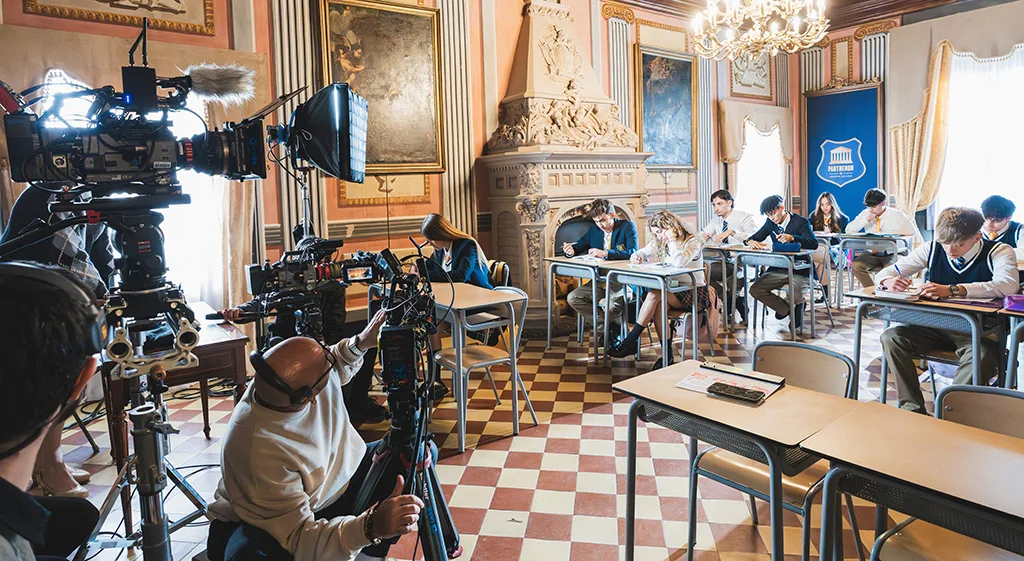

Raül Asensio, founder and CEO of Kokoro Content, analyzes the creation of digital and television content adapted to young audiences, an area in which participation is presented as a key tool and production companies accompany not only the creation, but also the reach towards their target audience through talent.
The audiovisual industry is accompanied by some uncomfortable questions that are floating in the environment. They are addressed, resolved, forgotten, addressed again. They are that elephant in the room that must be faced and whose consequences, although they will not be able to overthrow a well-established industry, yes they will have the ability to shake the board and rethink those pillars that have accompanied broadcast for decades.
Among these issues is the question of generational change of audiences. Content directors and those responsible for digital strategies have been sharing impressions, measuring the impact of the digital consumption revolution and how it has affected the most common modes of consumption.
The diagnoses, however, are shoot. some voices they consider lost the battle of the linear, drawing a future in which on-demand and personalized consumption will rebuild televisions as we know them. Other executives, for their part, are confident that millennials, zetas and alphas They will improve their relationship with the screens as they age and are the natural relief of current viewers.
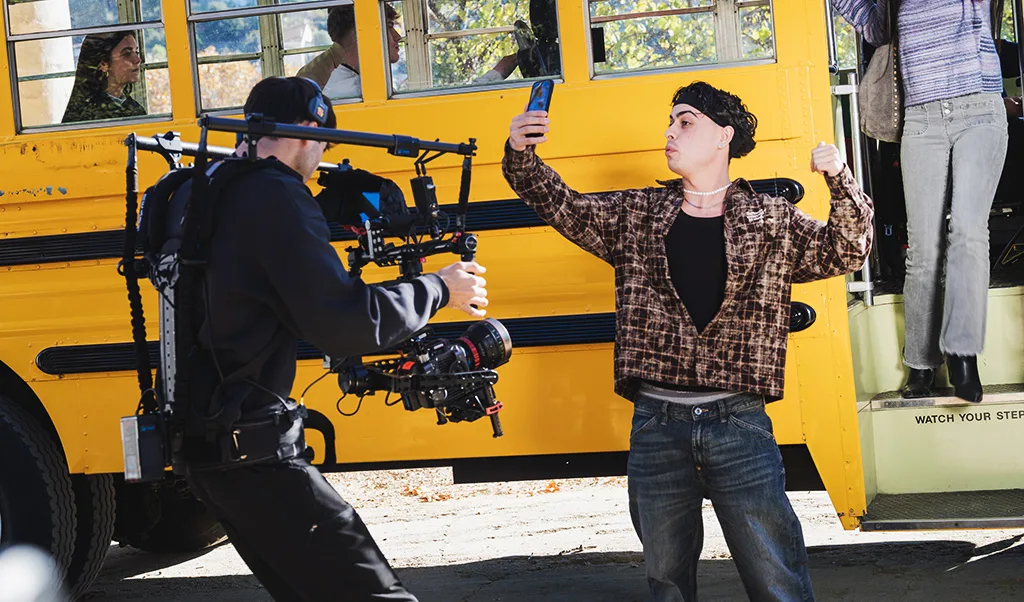
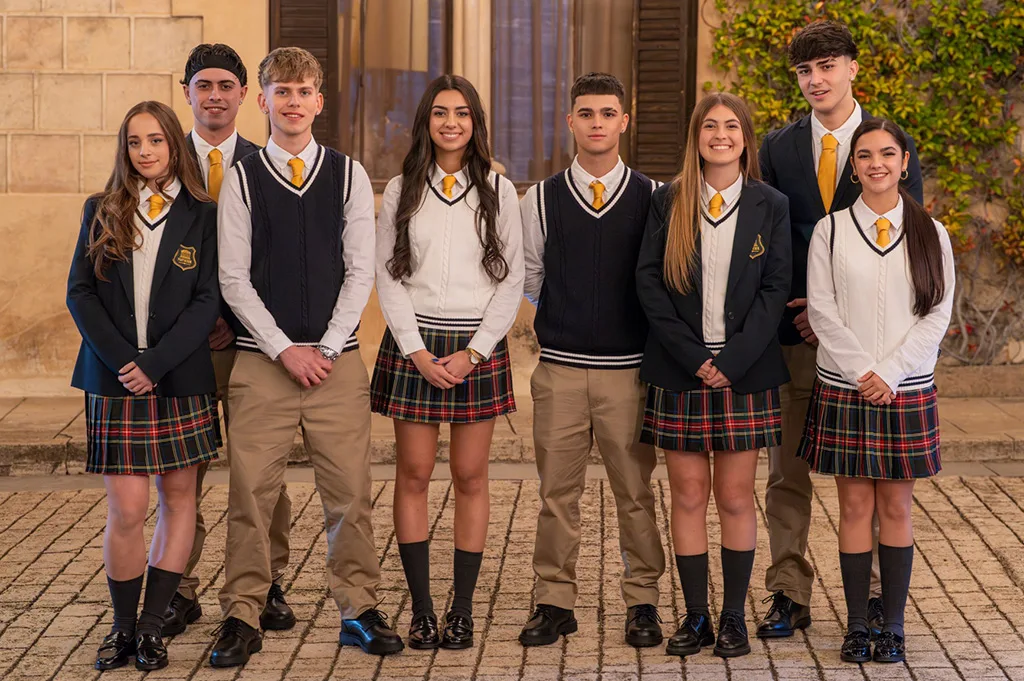
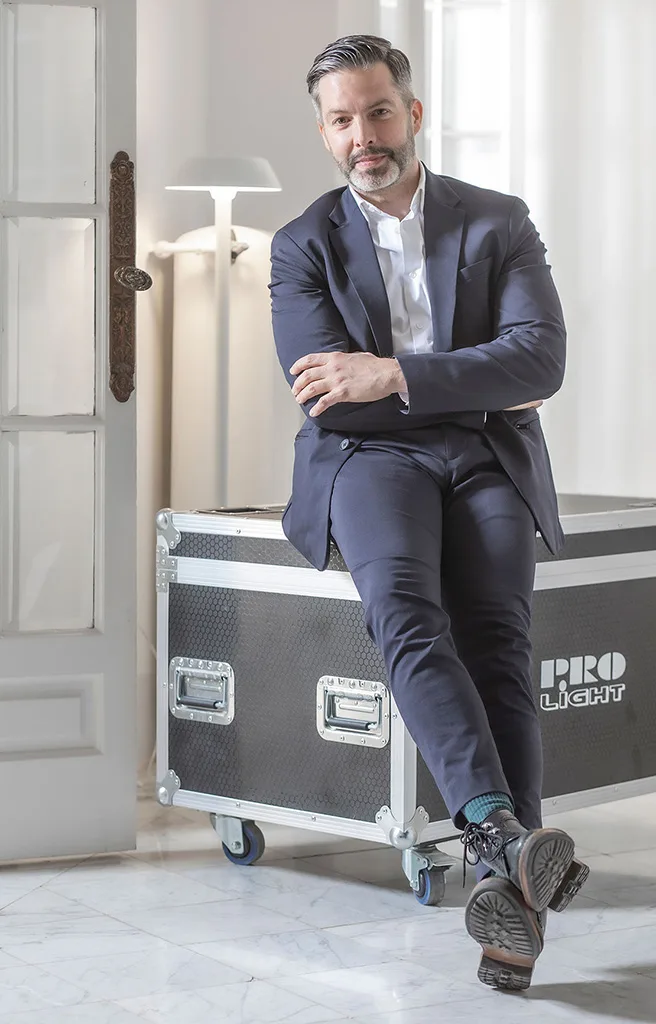 Key, a production company specialized in young audiences, considers that there is a third way. As a recently created company, but with a team of sector veterans specialized in the convergence between broadcast and digital platforms, does not doubt the scope of the digital aspects of the platforms and, therefore, develops innovative formats like vertical microseries (Stupid Cupid – RTVE).
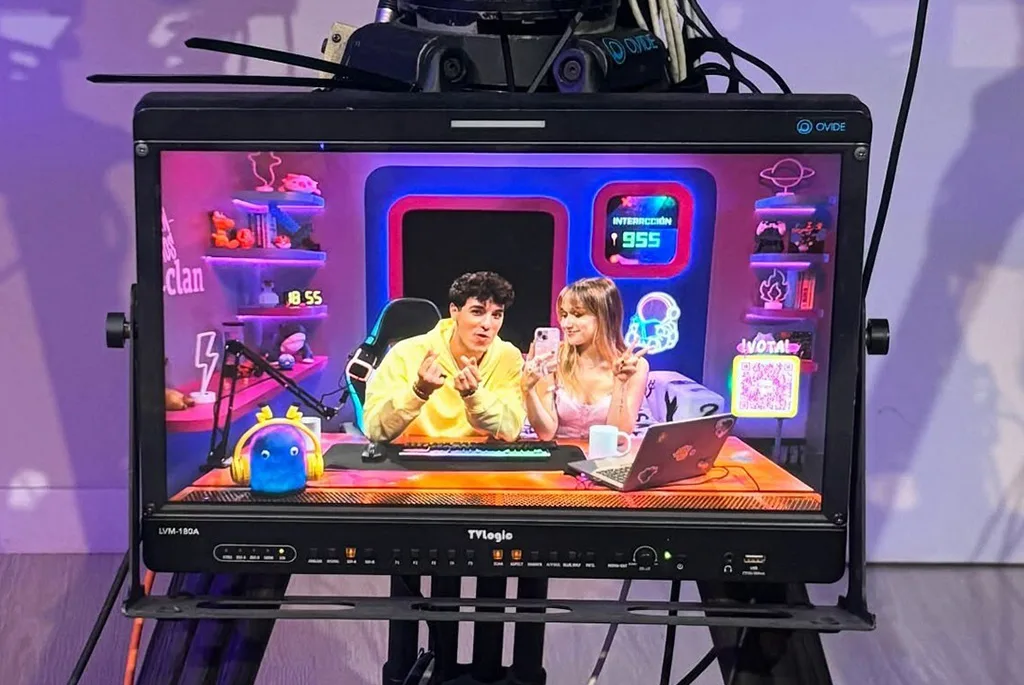
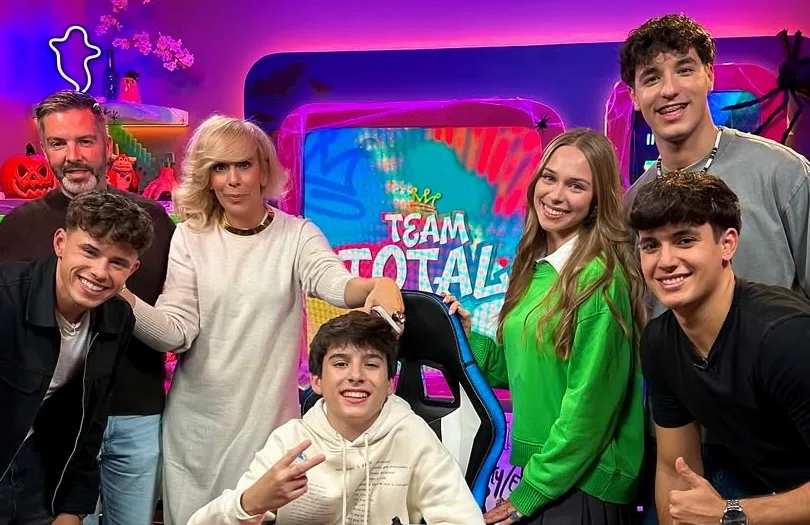
However, he also considers that there are spaces in the traditional television for these new generations, as demonstrated by initiatives such as Team Total, Clan's first live program in which participation is key, or Tick Tock Factory, and game show focused on crafts for SX3 (3Cat). Raul Asensio, producer, showrunner and CEO of Kokoro Content, analyzes the creation of content for new generations based on your experience in these programs and others innovative works that helped promote in the past, such as those awarded at MIPTV Rabia (Atresplayer) and Area 34 (RTVE).
Learning from mistakes
Much of the team Kokoro Content He dedicated himself to making television, as they call it, “conventional.” After working in the context of the new audiences, he was able to identify some of the errors of those production companies that set out to build bridges between the entertainment of linear environments with the world of content creators.
“The long-time producers tried to get a influencer in a traditional program to “secure” that leg of the young audience. And that doesn't work."
“The traditional production companies, when trying to reach this type of audience, what they did was put a influencer in a traditional program to “secure” that leg of the young audience. And that doesn't work," explains Asensio. This formula, still widespread today in entertainment franchises whose audience ratings barely reach that desired percentage, takes content creators out of their context, which makes its audience “not buy it.”
Faced with this approach, Kokoro finds greater value in creating spaces “thinking of them and for them"And this variable is key: the content creator himself will be in charge of convincing his audiences: "If he sees himself doing that format, his audience will buy it."
The value of choral content with creators
Among Kokoro's portfolio, Asensio highlights those productions that involve several content creators as one of the most successful solutions for its clients. "When you are going to create something with a single content creator, surely the audience that will consume you will be his fans and someone else. When making choral products, various audiences come to consume you," he explains.
“We don't pay what brands pay, but we offer you a additional value"We are creating a format designed and made for people like them."
This type of approach, which takes into account Rabia of Flooxer (Atresmedia) one of its greatest exponents, requires the total involvement of content creators and involves breaking the usual synergies between representation agencies and these celebrities. They will no longer have to do a couple of stories, but to become a central part of a team in which “40 people will depend on them”.
"This, more than a problem for us, is a plus point. We do not pay what brands pay, but we offer a additional value: We are creating a format designed and made for people like them. In this way, for an amount that would be the normal established in the sector, we can have committed people who maintain their own codes,” says Asensio, who reconstructs the language of his productions based on feedback of your own talent.
Influencers, celebrities and television formats
The claim of influencers and content creators is not far from overly proposed established by the realities and traditional television contests. Today, his presence it is essential both to achieve the television approvals, as if to convince the public itself. As an example, the premature cancellation of the last edition with anonymous contestants from Big Brother.
For Kokoro Content, the presence of influencers committed takes on vital importance. Not only because of the value that this talent will bring, but because the communities of each of these creators serve as guarantee of success. In the words of Asensio: “We sell content that we know will work, but also something that has not been common in the history of television: when I deliver the product, I make sure that that audience is fulfilled.”
“We sell content that we know will work, but also something that has not been common in the history of television: when I deliver the product, I make sure that that audience is met.”
When signing a contract with a creator for these youth-focused formats, Kokoro adds among his responsibilities the dissemination of content. They will be part of a promotional campaign de estreno del programa, pero también podrán revivir su relevancia si las visualizaciones empiezan a bajar, con un plan adhoc creado para potenciar su alcance.
Este enfoque, si bien hace más dependiente de unos canales externos el éxito de una propuesta, modifica los códigos habituales de las audiencias televisivas. Sin embargo, devuelve a las televisiones y plataformas una certeza: el público que verá el programa es, estrictamente, ese público al que se quiere dirigir.
La lucha contra el algoritmo
Independientemente del tipo de contenido que se escoja para tratar de alcanzar a esas audiencias jóvenes, las televisiones no solo compiten contra una industria repleta de alternativas de presupuestos millonarios. Su público objetivo son aquellas generaciones a las que el poder del algoritmo ha modificado su capacidad de atención y permanencia, haciendo que la fidelización sea cada vez más compleja.
“Estamos viendo una generación que busca un impacto continuo. Es una cuestión compleja y precisa de una reflexión. ¿Debemos ir hacia esto y promover que los chavales estén sobreestimulados continuamente? Es difícil decirlo, pero la realidad es que cuando estás buscando la parte de audiencia, tienes que ir ahí”, apunta Asensio.
“Estamos viendo una generación que busca un impacto continuo. Es una cuestión compleja y precisa de una reflexión. ¿Debemos ir hacia esto y promover que los chavales estén sobreestimulados continuamente?”
Para adaptarse a este contexto, Kokoro Content ha decidido lanzarse a la producción de los microdramas. Este fenómeno, extendido especialmente en Corea del Sur, propone series con capítulos con un máximo de dos minutos de duración dirigidos a competir con reels, shorts, tiktoks y todo tipo piezas de consumo corto.
Stupid Cupid (Playz – RTVE) reúne todas estas características: “No hemos creado una serie más y las hemos troceado en capítulos de dos minutos. Hemos pensado episodio a episodio para que todos terminen en alto para que quieras ir al siguiente. Hay que ir un paso más allá, porque es muy fácil deslizar y pasar a otro contenido”.
Participación e interacción en los públicos jóvenes
Las estrategias de difusión de los contenidos juveniles son frecuentemente acompañadas con la publicación de fragmentos dirigidos a redes sociales. El éxito de estos programas no puede medirse exclusivamente viendo la respuesta de estos clips: es necesario que, si se apuesta por construir un formato para la televisión lineal, este sea capaz de congregar a una audiencia que habitualmente consume otras ventanas.
Para conseguir congregar a su público y hacer frente a este reto, el magazine juvenil Team Total de Clan (RTVE) de Kokoro Content se apoya en la interactivity. Concretamente, los espectadores pueden decidir en directo a través de un QR cuál va a ser la siguiente sección o si va a haber una penalización para quien haya perdido una prueba: “Es una manera de que sientan que tienen el poder y tengan esa capacidad de decisión activa sobre lo que están viendo”.
De canales “menores” a la televisión convencional
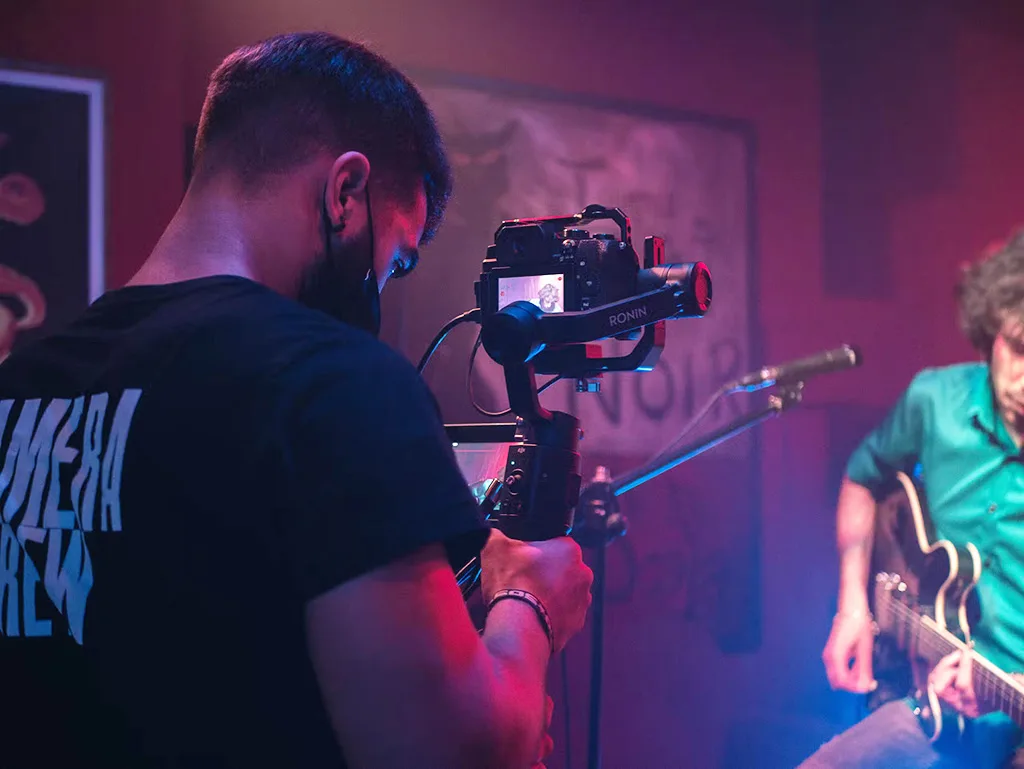
Aunque los contenidos de Kokoro Content parten de unos conceptos y creadores digitales, are realización técnica se basa en los estándares habituales de los entornos de ficción y producción televisión. Por ejemplo, su microdrama vertical ha sido rodado en 4K horizontal con los monitores marcados en vertical, pero también se han desplegado cámaras semiprofesionales tipo Alpha for your making of, y se ha generado todo tipo de piezas directamente con móviles de alta gama para labores de promoción.
“A los canales principales todavía les da miedo dar ese paso. Pero tiene que llegar: la audiencia que ahora mismo ve la televisión convencional es mayor, está envejecida y acabará”.
El planteamiento técnico de este tipo de propuestas para las nuevas audiencias, así como su tratamiento conceptual, responde a todos los estándares del mercado. Canales secundarios como Playz (RTVE), Flooxer (Atresmedia) o Infinity (Mediaset) reciben con naturalidad a la nueva propuesta promovida por productoras con el enfoque de Kokoro.
El salto a la primera divisiónAsensio explains, it is a matter of time: "The main channels are still afraid to take that step. But it has to come: the audience that watches conventional television right now is older, older and will end. If we want to reach young audiences, we have to take a turn. Some of my colleagues, content directors of large producers, are convinced that what we do at Kokoro is the future."
The value of brevity
Despite these standards, aimed at new audiences, there are still concepts of the past to overcome. If the formats aimed at the new generations have never been among those with the most economic support, the variable of short content only increases a gap halfway between the prejudices and one lack of confidence in the value of production.
"Everything has a price and we are not lowering the quality to make this product. Both the viewers and the creators themselves value it."
There is a risk that a possible standardization of short-lived parts translates into a budget reduction and a new degradation of the conditions of audiovisual workers. In this ecosystem, production companies must stand firm to claim content destined to become a standard. At least until the audiovisual consumption codes are modified again.
Asensio is clear: "Everything has a price and we are not lowering the quality to make this product. Both the viewers and the creators themselves value it. They have been making streams in their homes or with their social networks because they did not have access to do it with a television. But beyond this, if they take the leap, they want to do it with the appropriate means.”
A report by Sergio Julián Gómez
Did you like this article?
Subscribe to our NEWSLETTER and you won't miss anything.
Related articles
 The strength of linear television in the face of a multitude of fierce competitors
 The Television Academy addresses the main audiovisual challenges in the face of Artificial Intelligence
 Six out of ten young people replace traditional television with streaming
 Television consumption among children and young people skyrockets due to the coronavirus crisis
 More than half of young Spaniards no longer watch linear television
 'Old-young' viewers spend an average of five hours a day watching television
 Can the online experience surpass that of traditional television?
 Enrique Alejo: “4K can once again highlight great productions from the TVE archive”
 Toni Novella: “if a film does not have the decisive support of a television station, it cannot expect great success”
 Young people and new future trends in radio and television consumption
 Atresmedia is committed to young creators by broadcasting their projects on television
 Young Spaniards are committed to quality television and crossmedia
 Where is youth television?
 Television, according to a study by Ocendi, is little liked by young people