





GI Joe: six studios united around Autodesk to create the most impressive visual effects
Estudios de efectos visuales de California, Londres y Canadá crean espectaculares efectos utilizando las aplicaciones Flame, Maya, 3ds Max, Softimage, Mudbox, MotionBuilder y FBX de Autodesk.
Un total de 1.500 tomas con efectos visuales han sido necesarias para crear G.I. Joe: The Rise of Cobra una de las películas más taquilleras de este verano. Autodesk con sus herramientas Flame, Maya, 3ds Max, Softimage, MotionBuilder, Mudbox y FBX han hecho posible convertir en realidad la fantasía de un guión.
Stig Gruman, vicepresidente de entretenimiento digital en Autodesk Media & Entertainment, ha destacado que “facilitar la colaboración creativa forma parte fundamental de nuestra estrategia de desarollo de software. G.I. Joe es un perfecto ejemplo del éxito de dicha estrategia. La película es el resultado del trabajo de seis estudios de efectos visuales de enorme talento que hicieron uso de la gama de herramientas de Autodesk para componer este gigantesco proyecto y conseguir un resultado visual asombroso”.
[youtube]http://www.youtube.com/watch?v=zdvMpL4wtMg[/youtube]
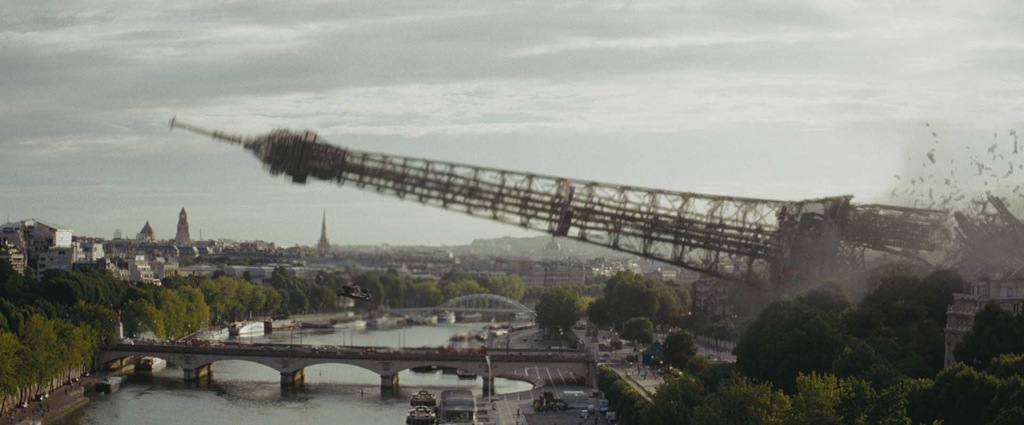
Digital Domain (Hollywood)
Un equipo formado por 175 personas trabajó durante más de un año en la creación de 320 tomas con efectos visuales para dos de las secuencias principales: una escena de persecución ambientada en París que finaliza con la destrucción de la Torre Eiffel y el ataque de un convoy a gran escala. Digital Domain confió en Maya como principal herramienta de animación, modelado, iluminación, programación de personajes y manipulación, así como en Mudbox para la creación de borradores de modelado. “La Torre Eiffel era un modelo enorme y muy detallado, compuesto por varios millones de polígonos. Gracias a Maya pudimos controlar la gran carga de datos y cumplir con nuestra labor. Maya es un programa tremendamente robusto en muchos aspectos, pero lo que más nos atrae es, sin duda, su capacidad de integración en una línea de producción”, dijo Bernd Angerer, supervisor de animación.
CIS (Hollywood y Vancouver)
Como empresa encargada de 265 tomas pertenecientes a cinco secuencias de 20 minutos de duración total, CIS hizo uso de un arsenal de herramientas Autodesk destinadas a realizar una amplia variedad de tareas, como el modelado de superficies duras y la creación de dobles de acción y entornos virtuales (el cuartel general de GI Joe, el desierto del Sahara, el eje de energía, un circuito de obstáculos submarino y un casquete polar). “La envergadura de esta película supera todo concepto. Literalmente, no podría imaginar cómo llevar a cabo una exhibición de tal complejidad sin utilizar Maya y Flame”, ha comentado Bryan Hirota, supervisor de efectos visuales en CIS. “Además de Maya, utilizamos 3ds Max y la extensión FumeFX para crear y representar efectos dinámicos de fuego y humo, MotionBuilder para procesar datos de captura de movimiento y Flame para llevar a cabo composiciones complejas en 2½D y 3D”, ha añadido Hirota.
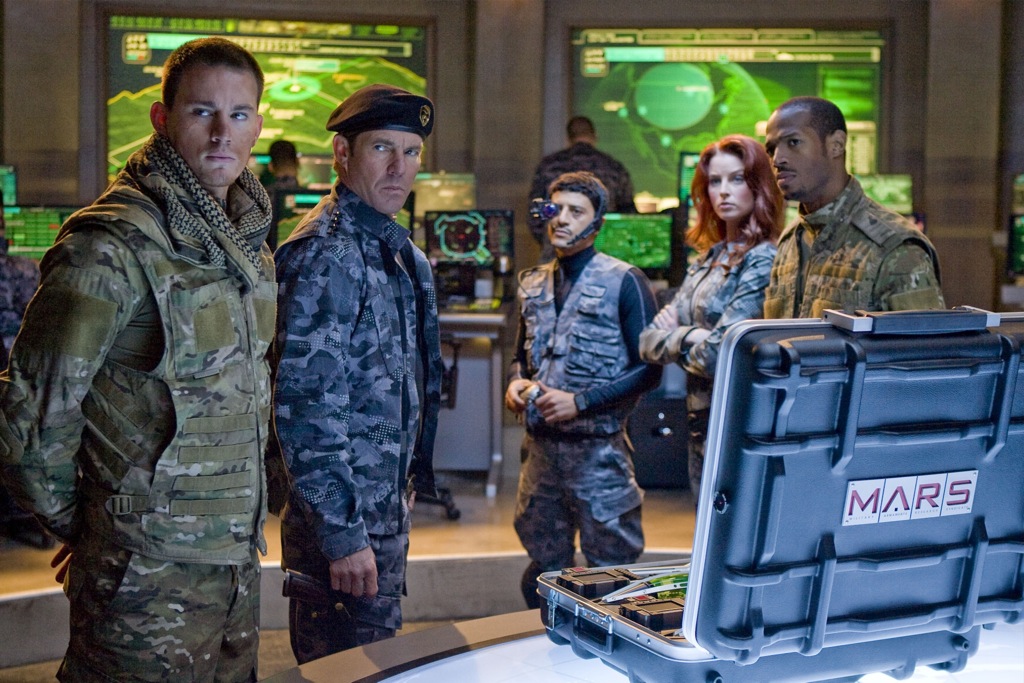 The Moving Picture Company MPC (Londres)
MPC creó 168 tomas con efectos visuales, la mayoría de ellas para una épica secuencia de acción bajo el agua sobre un gigantesco acantilado creado íntegramente de forma digital. Greg Butler, supervisor de efectos visuales en MPC y jefe de un equipo de 100 artistas, ha comentado que “al haber trabajado ya en Poseidón con Boyd Shermis, supervisor de efectos visuales también en G.I. Joe, sabíamos que estábamos en buenas manos. Para esta película decidimos confiar en Maya como principal herramienta, aunque también utilizamos Mudbox para los efectos de curvatura de metales y MotionBuilder para realizar algunas tareas de captura de movimiento. Las herramientas de Autodesk se han convertido en un estándar dentro del sector que facilita a nuestro propio equipo de investigación y desarrollo la creación de código a medida. Gracias a FBX conseguimos evitar el desarrollo de programas especiales o hacer grandes cambios para intercambiar datos, lo cual hizo el proceso infinitamente más sencillo”.
Prime Focus VFX (Hollywood, Winnipeg, Vancouver)
El equipo de Prime Focus, formado por 55 personas, conocida anteriormente como Frantic Films VFX, contribuyó a crear 124 tomas con efectos visuales. El proceso incluyó tareas de previsualización, creación de entornos digitales, simulación de líquidos y representación de grandes volúmenes de partículas. El emocionante final, en el que se concentra el grueso del trabajo de Prime Focus, incluye escenas durante las que un avión es devorado por Nanomitas (un arma de alta tecnología que desintegra el metal), un gigantesco entorno digital e intensos espacios 3D que simulan el cielo y las nubes. Chris Bond, supervisor sénior de efectos visuales y presidente de Prime Focus VFX, ha destacado que “elegimos las herramientas 3ds Max y Maya., creando una línea de producción de animación a medida utilizando 3ds Max y nuestro sistema registrado de representación volumétrica de partículas, Krakatoa, para representar los miles de millones de partículas necesarios para crear un enjambre de Nanomitas”.
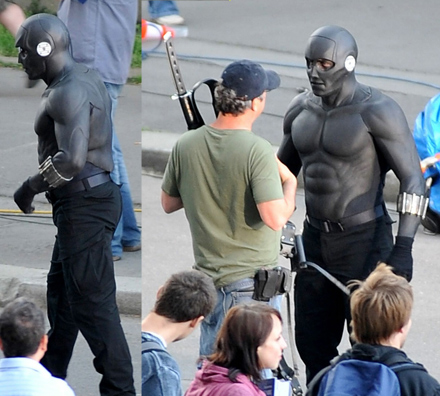 CafeFX (Santa María)
“Fue muy emocionante participar en el paso a la gran pantalla de este fantástico icono americano”, ha comentado Seth Lippman, supervisor de gráficos generados por ordenador en CafeFX. El equipo, compuesto por 50 artistas, creó más de 100 tomas que incluían manipulaciones orgánicas complejas de tipo facial de los personajes protagonistas Destro, Zartan y NeoViper. “Usamos Maya para la animación de personajes y la alineación de movimientos de cámara y Softimage para la animación e iluminación de efectos generados por ordenador. Quedamos especialmente satisfechos con el resultado ofrecido por el motor dinámico ICE (Interactive Creative Environment) de Softimage y su capacidad para crear simulaciones con subprocesos. Softimage se integra perfectamente con mental ray, lo cual permite crear un puente transparente entre los efectos y la iluminación. Lo que es fantástico de usar Maya y Softimage es la flexibilidad que ofrecen para aplicar las herramientas adecuadas que mejor se adaptan al talento de la gente”, ha añadido Lippman.
Framestore (Londres)
Framestore creó varias tomas en entornos de gran amplitud que aparecen en la película: un helicóptero que despega de una base aérea en Afganistán, una imagen compuesta de París, un enorme silo subterráneo de misiles y una recreación generada por ordenador de un avión de transporte que vuela sobre aguas tormentosas. Jon Thum, supervisor de efectos visuales de Framestore, reconoce que fue necesario crear gran cantidad de código a medida en Python para que las cosas saliesen exactamente como debían en esta película”, dijo . “La verdadera ventaja de Maya gira en torno a sus posibilidades de programación a medida. La flexibilidad y capacidad de ampliación de Maya nos ha permitido integrar la herramienta completamente en nuestra línea de producción; sin duda, es nuestra herramienta preferida”.
Did you like this article?
Subscribe to our NEWSLETTER and you won't miss anything.
Related articles
 The Foundry presents Nuke Stage, a new application designed for virtual production and in-camera visual effects
 U-tad launches its first Degree in visual effects
 Sony will demonstrate its proposal for in-camera visual effects at ISE 2023
 Christie muestra en NAB impactantes soluciones visuales
 Autodesk Smoke 2015: potentes efectos más accesibles que nunca
 The five films nominated for the Oscar for best effects used Autodesk software
Autodesk Developer Network launches new applications for Autodesk 2013 suites
The five films nominated for the Oscar for best effects used Autodesk software
Autodesk Developer Network launches new applications for Autodesk 2013 suites
 'Men in Black 3', a new production and visual effects challenge for the men in black
 Orange y la ACB forman equipo con Flumotion para crear una comunidad única en torno a la música y el deporte
 Free Your Mind in the 3D visual effects of 'Torrente 4'
 Serena surprises with the visual effects of the Cuatro promos for the World Cup
 'Alice' in the land of 1,700 sequences with visual effects
 Autodesk lanza las versiones 2011 para Digital Entertainment Creation
 Eyeon Generation 2.0, more visual effects with 3D support