





3D floods CES 2010
At a fair dedicated to consumer electronics it is sometimes difficult to find a technology that attracts all the attention except for the editions marked by the birth of DVD, Blu-ray or high definition. Those who attend these days in Las Vegas at the Consumer Electronics Show, CES 2010, have a certain feeling of living in a historical moment around the takeoff of 3D.
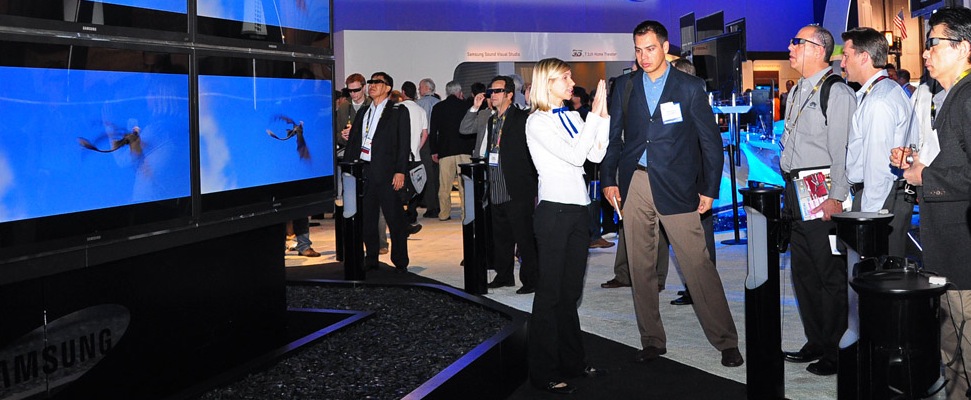
There are editions of the Consumer Electronics Show, CES, that become single-thematic events. As already happened with the emergence of DVD, Blu-ray or high definition, it seems that the almost one hundred thousand visitors who walk through the Las Vegas Convention Center these days, and if we except the glances outside the venue at the absent Google (with its new mobile terminal) and Apple (with its tablet proposal), only talk about one thing: 3D. Stereomania directly or indirectly floods the eight hundred stands that make up this CES 2010.
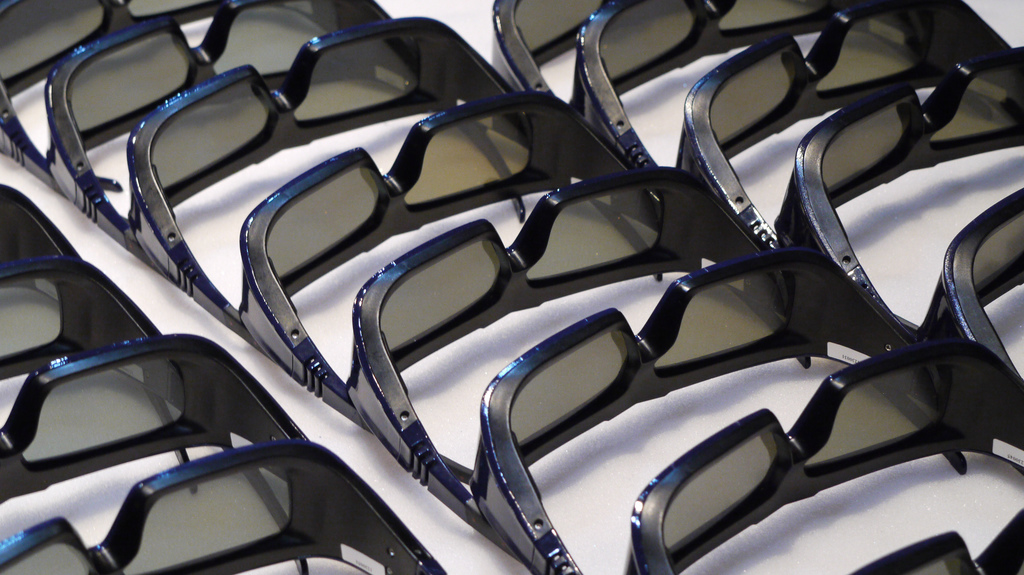
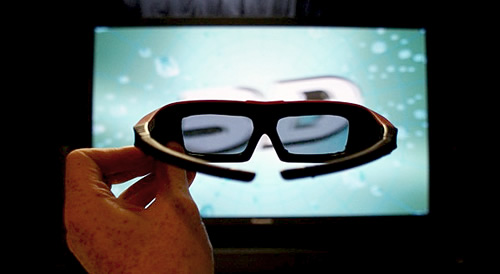 Although it has been known for months that some of the most powerful multinationals in the consumer industry would take advantage of CES 2010 to timidly announce 3D products, the truth is that timidity has given way to a true avalanche of stereoscopic products and solutions. Consumers who have put on their glasses en masse to watch Avatar seem to no longer want to take them off to go to the movies, watch television, play video games, or even play with their cell phones. 3D is here and given what we are seeing these days in Las Vegas, it is here to stay.
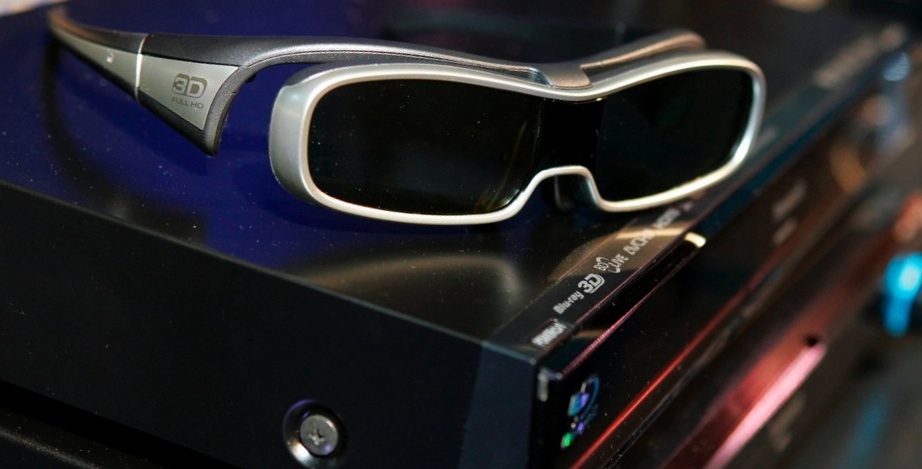
The takeoff of Blu-ray?
For many, this stereomania means saving the lives of an entertainment industry afflicted by the crisis. And if not, ask the Blu-ray Disc Association, the consortium that sponsors this medium, has found in 3D the argument that they have been crying out for since the launch of the format to definitively distance itself from DVD and definitively take off.
The Blu-ray Disc Association has even presented at CES 2010 the logo with which all movies or series available in the format will be identified. We will have to be attentive because it promises to become a logo as common in our lives as the DVD was. For now, it is already known that the codec finally chosen will be Multiview Video Coding (MVC), an extension of ITU-T H.264 (AVC) that is supported by all Blu-ray players on the market. In fact, by using the MPEG4-MVC codec to encode the 3D version of the movie, it will only require 50% more space than the same 2D version. The new 3D Blu-ray will include three-dimensional effects in the menus and subtitle embedding also in stereoscopy.
New channels and screens
Production companies, channels and platforms have also wanted to do their part in this stereomania by announcing the launch of new channels such as the three that DirecTv will launch, sponsored by Panasonic; Discovery 3D in collaboration with Sony and IMAX; or Sony's intention to produce a good part of the World Cup matches in South Africa in 3D with direct support from sports channels such as the omnipresent ESPN.
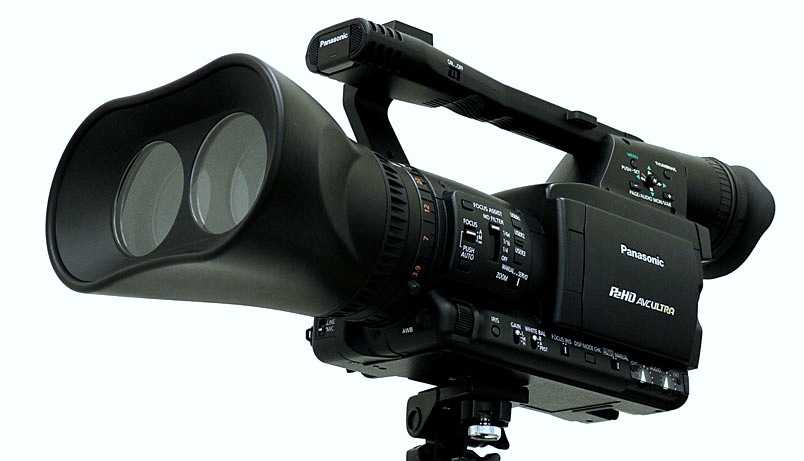
As for screens, the announcements follow one another with important launches such as the new Viera Full HD 3D range from Panasonic or the Sony Bravia 3D with active system. In Las Vegas Panasonic is showing a huge 153-inch plasma in 4K and 3D, although what everyone is talking about is the long-awaited compact stereographic camera that, after the prototype shown at some international events in recent months, seems to finally be ready coinciding with NAB.
MPEGIF 3D Working Group
The MPEG Industry Forum, coinciding with CES 2010, will bring together the 3D working group tomorrow, Saturday, January 9, for the first time. The 3DTV Working Group is made up of representatives from Motorola, Harmonic, Dicas, NetLogic, MainConcept and TDVision, and among its objectives will be to act as a bridge between organizations such as the Consumer Electronics Association (CEA) or the SMPTE, coordinate the standardization of the technology and seek new business models.
Sean McCarthy, president of TV3D MPEGIF and director of Motorola, has commented that 3D, beyond a passing fad, is the natural evolution of digital media in the home. "As we have seen in cinema, modern 3D creates a better and more immediate experience than we have ever known before. Today, the technology and everything that surrounds 3D reminds me of the challenges that the industry faced a few years ago with the appearance of the new MPEG4/AVC compression technologies. Unlike other technologies, 3D television could become widespread much faster because it can take advantage of existing MPEG headers, the distribution of digital channels and the set top boxes.”
Did you like this article?
Subscribe to our NEWSLETTER and you won't miss anything.
Related articles
 The XIII Festivalito de La Palma floods the island with cinema, stars, theater, gastronomy and good humor
 Atomos floods the RAI Convention Center with its Ninja Assassin
 Spanish cinema floods Miami
 Adobe floods IBC with a powerful range of broadcast applications
 Fanta floods the street with audiovisual art and Christie technology
 Chyron: blue floods the graphics
 Crambo closes his 2010 Tour in Madrid
 A whole world of possibilities in audio and video at Avid Event 2010
 Avid 2010 Event, the great day of post-production and audio
 Minium at Primavera Sound 2010
 Audiovisual MAC 2010: proximity and effectiveness in investment
 All the secrets of the 2010 World Cup, revealed
 Smoke 2010, Flint 2010 and Luster 2009 Extension
 The Vancouver 2010 Games with Panasonic HD