





'The Consul of Sodom', immersive atmosphere in Super 16mm
Con fotografía de José David Montero, la nueva película de Sigfrid Monleón se ha rodado en Super 16mm con película Kodak Vision. EPC suministró para el rodaje en España la Arriflex 416 Plus con ópticas ARRI/Zeiss Ultra 16 y un juego de Ultra Prime, entre otro material de cámara como zoom Angenieux Optimo 15-40 o la ARRIflex 16 SR3.
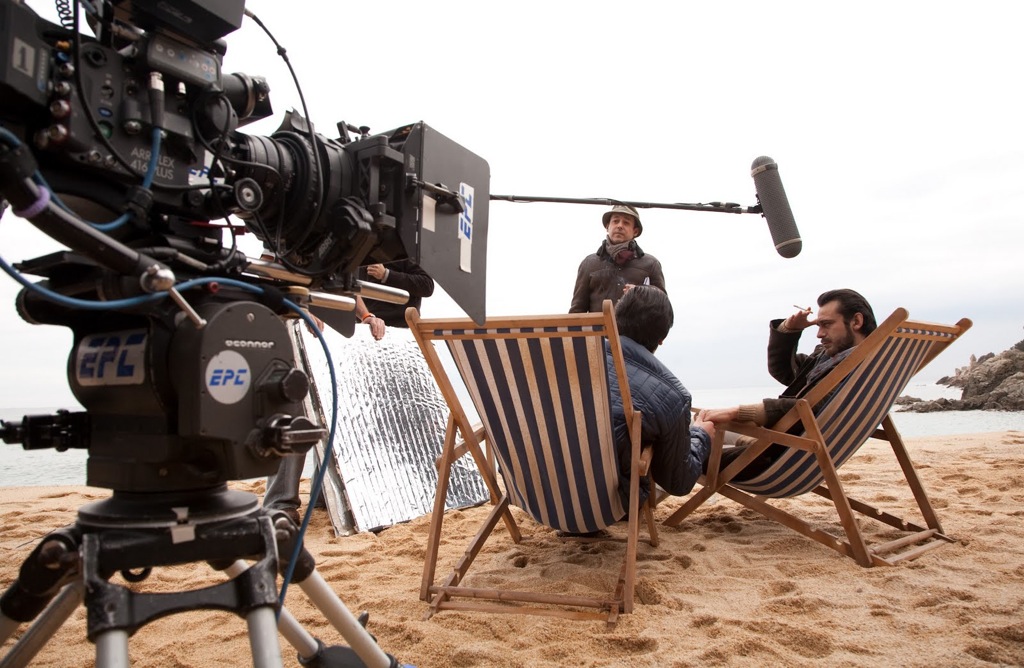
La polémica El cónsul de Sodoma, y uno de los primeros estrenos más esperados del año, presenta en pantalla con toda naturalidad y crudeza la vida del poeta Jaime Gil de Biedma (1929-1990), miembro clave de la Generación del 50. Bajo la dirección de Sigfrid Monleón, José David Montero ha estado al frente de la fotografía contando para El Sensor de EPC algunos detalles de su trabajo en esta película inspirada en la biografía que escribió Miguel Dalmau sobre el poeta.
The Consul of Sodom se rodó durante febrebro, marzo y abril del año pasado, ocho semanas en localizaciones de Barcelona y Madrid para después continuar dos intensivas semanas en Filipinas, en Manila. Se rodó en Super 16mm con película Kodak Vision y EPC suministró para el rodaje en España la ARRIflex 416 Plus con ópticas ARRI/Zeiss Ultra 16 y un juego de Ultra Prime, entre otro material de cámara como zoom Angenieux Optimo 15-40 o la ARRIflex 16 SR3.
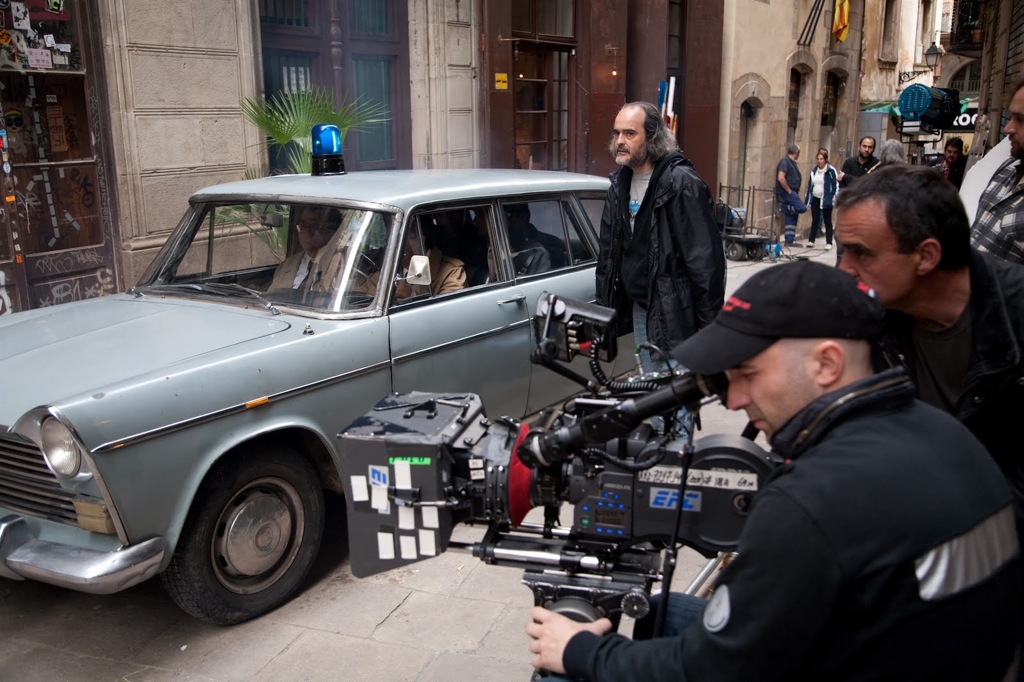 “The Consul of Sodom está inspirada en una biografía pero también es un melodrama de corte clásico”, cuenta el director de fotografía José David Montero. “Teníamos una película que transcurre sobre todo en los años 60 pero el director quería distanciarla en el tiempo y que tuviera una estética con un cierto aire ‘camp’. Ese esteticismo de las películas de los 60, muy ‘kitsch’, aunque no tan llevado al extremo. También vimos algunas películas de Fassbinder que tenían ese aire. Los melodramas clásicos de Hollywood eran la referencia, incluso más antiguos como los de Josef von Sternberg, Douglas Sirk, Stahl… De hecho, en El cónsul de Sodoma se nombra alguna de estas películas”, comenta.
Con estos referentes visuales, la opción lógica era rodaje en soporte cine y eligieron formato Super 16mm. “El director quería hacer evidente el grano de la emulsión cinematográfica y rodar con esa textura que te da el Super 16. Además, nos construimos unos filtros especiales con medias de mujer para dar una textura añeja”, cuenta José David Montero. “Rodamos a la antigua usanza”, añade, y bromea, “hasta el director decía ‘vamos a poner la media de la Montiel”.
Para terminar de crear esa atmósfera de ensueño que perseguían, eligieron unos objetivos muy nítidos como son los Ultra Prime y los Arri/Zeiss Ultra 16, que compensaban la falta de definición que provocaba poner la media, dice el director de fotografía. “Así conseguíamos una textura que se veía muy bien definida y a la vez era textura antigua, que era lo que quería el director”.
 Cámara envolvente
En cuanto al uso de la cámara, toda la película está planteada sobre una grúa pequeña y con mínimos movimientos. “La película es bastante clásica en el sentido de que los movimientos de cámara acompañan a los personajes sin estridencias. Hay pocos movimientos enfáticos, son muy suaves”, explica José David Montero a El Sensor de EPC, que además trabajó con escasa profundidad de campo para detener la mirada más en los personajes que en los escenarios en que transcurre la historia.
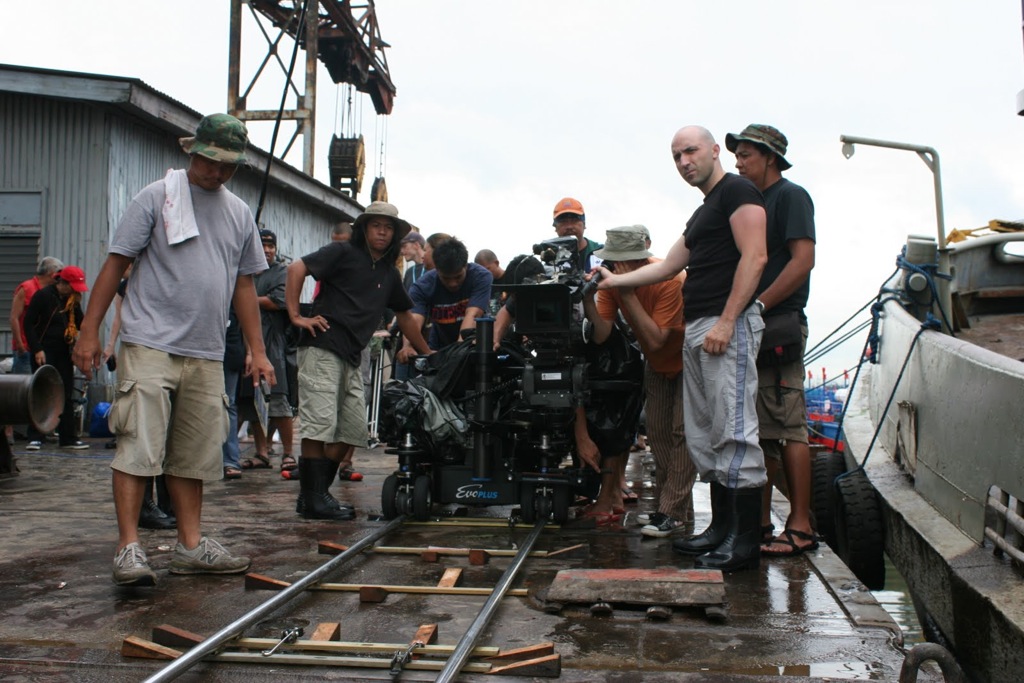
Toda la película se rodó con la ARRIflex 416 Plus en España, a excepción de un día que utilizaron también como apoyo la ARRIflex SR3. “La 416 Plus es una cámara que está muy bien. Como teníamos muchas localizaciones y rodábamos en espacios naturales, había que ser muy rápido, y el Super 16 te facilita esa agilidad en rodaje”. Las dos semanas en Manila, que supusieron un esfuerzo mayor para aprovechar al máximo el tiempo, utilizaron la SR3. “En Filipinas no se rueda casi en S16, y al final se consiguió una SR3 que llegó desde China, pero utilizamos las mismas ópticas”, cuenta José David Montero.
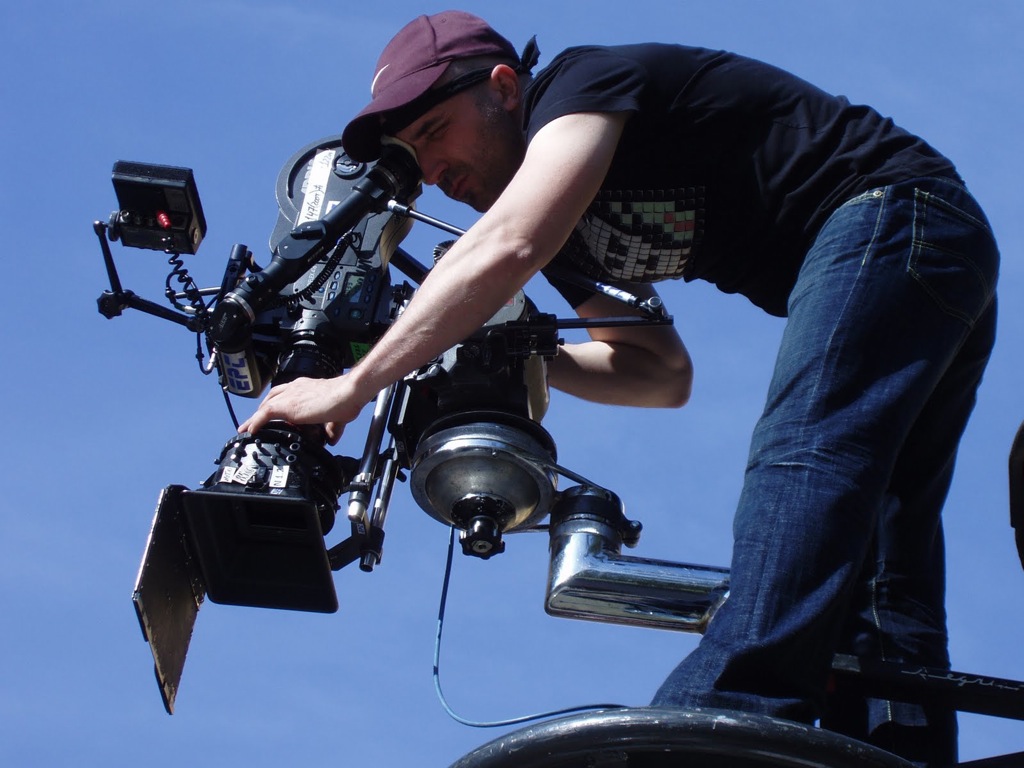 José David Montero reconoce su predilección por el “plano final de la película pero no quiero destriparlo. Define bastante bien la estética teatral que quería Sigfrid Monleón tanto para la puesta en escena como para la interpretación. Es una plano muy largo de tres minutos, en travelling, que acaba con un primer plano de Jordi Mollà. Esta última escena es un poco el resumen de la película y es muy representativa de la intención de la cámara y la luz. Me quedo con esa imagen”.
Did you like this article?
Subscribe to our NEWSLETTER and you won't miss anything.
Related articles
 Los estudios HeGuang incorpora audio envolvente en sus instalaciones con Genelec
 This is DaVinci Resolve 19: 100 improvements, AI, surround sound...
 Santi Amodeo shoots the film 'The Sky of Animals' in Super 16mm
 'Akelarre', recognized with a Goya for the power of its special effects to recreate an evocative atmosphere
 Santi Amodeo begins filming in Super 16mm of '@Las_Gentiles' in Seville
 Canon develops Free Viewpoint Video, an immersive virtual camera system
 DaVinci Resolve creates a very Shakespearean atmosphere in 'Macbeth'
 The Look achieves with Pablo Rio a unique cinematographic atmosphere in the TV movie 'Quirke'
 Dolby Atmos: the new generation of surround sound
 DTS will bring to IBC the best surround sound for IPTV environments
 5.1 and 7.1 surround audio, without headaches, with DTS on NAB
 'The Consul of Sodom' hits the screens next Friday
 Kodak teaches a 16mm Film Workshop in Alcalá de Henares
 Technicolor looks again at 16mm