





Dolby Atmos traslada al espectador al centro de la acción
Coincidiendo con la entrega de los Goya y los Oscar, Julian Pinn, director de marketing de cine para la región EMEA de Dolby, analiza en esta Tribuna el papel del sonido en el cine como elemento crucial para contar la historia. Dolby fue la primera compañía que apostó por el sonido envolvente. Hoy, sigue liderando la última generación de sonido cinematográfico con el lanzamiento de Dolby Atmos.
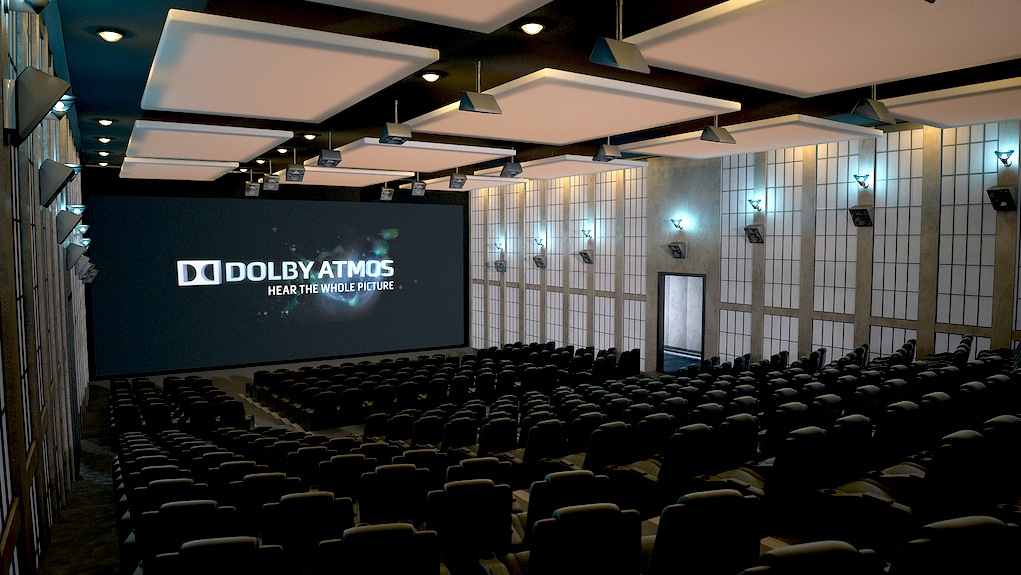
Con más de 40 años de colaboración con estudios y salas de cine, Dolby fue la primera compañía que apostó por el sonido envolvente en las películas. Hoy, sigue liderando la última generación de sonido cinematográfico con el lanzamiento de Dolby Atmos.
A la hora de filmar una película, la intención artística del director es reproducir de la forma más exacta la idea que tiene en su cabeza, con el fin de implicar a la audiencia emocionalmente con la historia.
El proceso de rodar una película es como una coreografía, donde intervienen profesionales de distintas áreas: productores, cámaras, guionistas, estilistas, actores, maquilladores… No podemos olvidarnos de una de las partes más importantes para que la película cobre vida, los diseñadores y mezcladores de sonido.
El sonido es un elemento crucial para contar la historia, representa más del 50% de la experiencia total cuando vemos una película. Es vital a la hora de modelar las emociones del público frente a la pantalla, para hacerle sentir lo “visual” a través del sonido. En el cine, el sonido pasa desapercibido para el espectador. Por ello, la tarea de los diseñadores de sonido y creativos, junto al director, es imprescindible para que la audiencia sienta que está dentro de la acción, gracias a una experiencia sensorial envolvente.
Hasta ahora, el sonido multicanal ha permitido al director y al editor aumentar la tensión cuando se produce la acción, cuando un coche salta por los aires y se oye como se rompen los cristales. El sonido puede transportar al público en medio de una guerra, o de una conversación en un restaurante, donde los murmullos de otras mesas fuera de plano crean el fondo sonoro del diálogo en pantalla.
Con el sonido Surround multicanal, la fuente de sonido en una película se simulaba a través de un pequeño número de canales, cada uno correspondiente a la ubicación física del altavoz en el cine. Sin embargo, esta tecnología presenta algunos inconvenientes a los que los diseñadores de sonido se han tenido que enfrentar habitualmente. Es difícil recrear fielmente los sonidos de una película, un susurro al oído, el crujir de la leña ardiendo… Los altavoces no tienen siempre una respuesta de frecuencia ni un rango dinámico perfectos. Además, cada sala de cine y cada estudio de doblaje tienen su propia configuración, un número de altavoces ubicados de una manera específica, que determinará el resultado final. Todo esto hace que el director y el diseñador de sonido confíen plenamente en que su visión creativa se vaya a recrear de manera fiel y coherente allá donde se proyecte la película.
Así pues, las limitaciones de las mezclas basadas en canales, con un número limitado de fuentes de audio en el auditorio, implican que la posproducción del audio sea un trabajo lleno de arte.
El sonido más realista
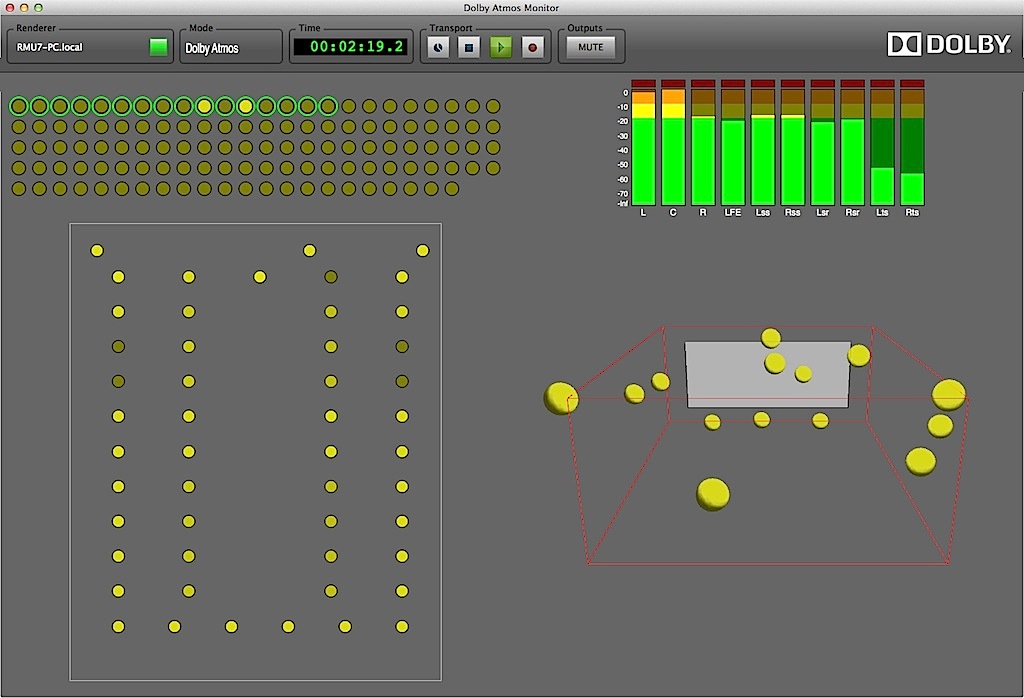
¿Cómo pueden directores y profesionales del sonido ofrecer al espectador el sonido más realista? Con una tecnología totalmente novedosa en la mezcla de sonido para cine, Dolby Atmos permite evitar la imprecisión y la incoherencia propias de los sistemas multicanal. Gracias a la renderización de “objetos” sonoros a través de un gran número de altavoces en la sala, se crea una ilusión realista de que hay un número casi infinito de canales a tu alrededor, haciendo que el sonido vuele literalmente sobre la cabeza del espectador. Con Dolby Atmos se dan más posibilidades creativas, como si se diese más colores a la paleta del colorista, para crear la obra de arte.
Por primera vez, los profesionales del sonido no tienen que preocuparse de cómo están colocados los altavoces en la sala, con Dolby Atmos pueden centrar toda su atención en ubicar cada sonido específico para que coincida con la visión original del director. Los diseñadores de sonido tampoco se tienen que preocupar por cómo cambia un sonido a medida que se traslada de los altavoces frontales a los de surround. El sistema Atmos se ocupa de hacer coincidir el nivel y el timbre y de controlar los bajos, lo que asegura una transición suave y sin interrupciones mientras el sonido se desplaza de forma muy real por toda la sala.
Dolby Atmos porporciona un campo sonoro más natural y realista, ofreciendo a los creadores de contenido la posibilidad de mezclar por objetos, lo que permite un control total sobre la ubicación y el movimiento de cada sonido u “objeto” en cualquier punto de la sala.
Además, uno de los aspectos más interesantes es la capacidad de Dolby Atmos de adaptarse a diferentes salas, desde un pequeño cine hasta un complejo multicine, proporcionando una experiencia totalmente optimizada en cada cine gracias al método por el que la banda sonora se masteriza y se ofrece en el cine. Esto permite que la banda sonora se renderice teniendo en cuenta el tamaño y la forma de cada sala, así como al tipo de altavoz y su ubicación.
Podemos concluir que Dolby Atmos es una nueva herramienta que mejora la experiencia de la narración y permite provocar una reacción emotiva, realista y entusiasta en el público. Ofrece más habilidades a los directores y creadores de contenidos para contar la historia exactamente como fue concebida en el inicio y entretener como nunca antes. El futuro del sonido de cine, ya esta aquí.
Julian Pinn
Director de marketing de cine para la región EMEA de Dolby
Did you like this article?
Subscribe to our NEWSLETTER and you won't miss anything.
Related articles
 Dolby colaborará con Cinemo para acelerar la experiencia del audio Dolby Atmos en el coche
 Telestream Vantage now supports Dolby Atmos and Dolby Vision
Telestream Vantage now supports Dolby Atmos and Dolby Vision
Telestream Vantage now supports Dolby Atmos and Dolby Vision
 Ateme natively integrates Dolby Vision HDR and Dolby Atmos into its Titan Live solution
Ateme natively integrates Dolby Vision HDR and Dolby Atmos into its Titan Live solution
Ateme natively integrates Dolby Vision HDR and Dolby Atmos into its Titan Live solution
 Juan Pedro de Gaspar, Goya a la mejor dirección artística, traslada al espectador a la Barcelona de los años veinte en ‘La sombra de la ley’
 Netflix: first global combined Dolby Atmos and Dolby Vision Streaming experience to consumers around the world
 Netflix launches first combined Dolby Atmos and Dolby Vision experience
 'Rogue One: A Star Wars Story' will be released in Dolby Vision and Dolby Atmos
 ‘Godzilla’ será mezclada en Dolby Atmos
 Ink Production: first Dolby Atmos post-production center in France
 Dolby Atmos exalta la acción del próximo estreno de ‘La jungla: Un buen día para morir’
‘El Hobbit’ se mezclará en Dolby Atmos
Dolby reveals the list of the first rooms in the world with Dolby Atmos
Dolby Atmos exalta la acción del próximo estreno de ‘La jungla: Un buen día para morir’
‘El Hobbit’ se mezclará en Dolby Atmos
Dolby reveals the list of the first rooms in the world with Dolby Atmos