





'RoboCop' returns under the direction of José Padilha
Dirigida por José Padilha y escrita por Joshua Zetumer y Edward Neumeier, el director de fotografía ha sido Lula Carvalho quien junto al supervisor de efectos, James E.Price, han hecho un trabajo impecable.
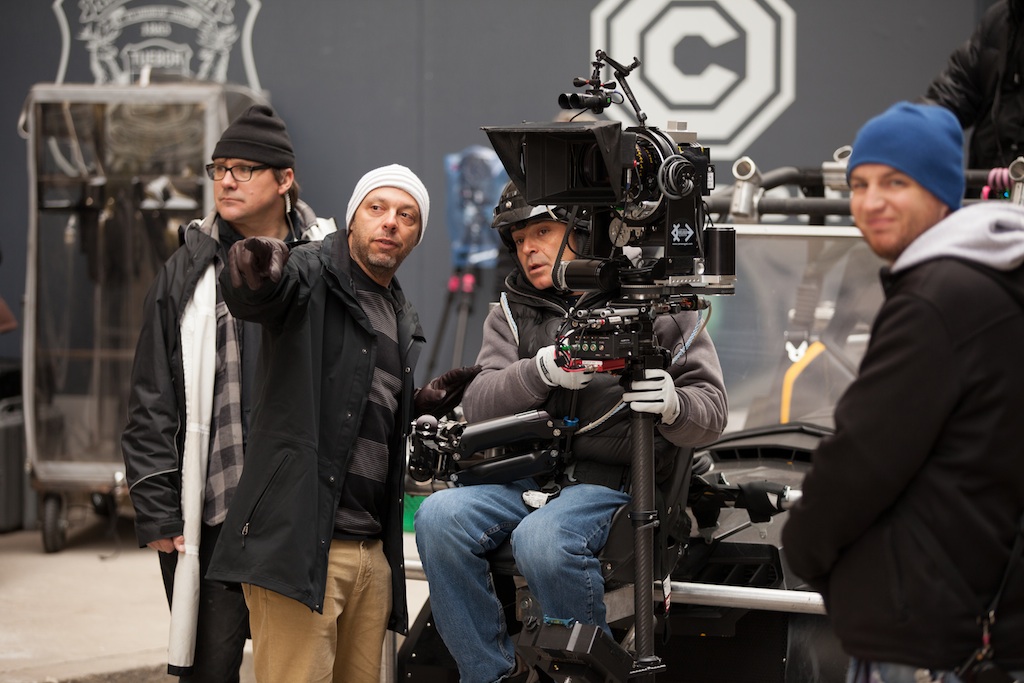
Metro-Goldwyn-Mayer Pictures y Columbia Pictures estrenan RoboCop, una producción de Strike Entertainment, protagonizada por Joel Kinnaman, Gary Oldman, Michael Keaton, Abbie Cornish, Jackie Earle Haley, Michael K. Williams, Jennifer Ehle, Jay Baruchel, Marianne Jean-Baptiste, y Samuel L. Jackson. Dirigida por José Padilha y escrita por Joshua Zetumer y Edward Neumeier, el director de fotografía ha sido Lula Carvalho quien junto al supervisor de efectos, James E.Price, ha hecho un trabajo impecable.
Hombre y máquina se dan la mano en RoboCop, una nueva visión del clásico de culto de los años 80. En el filme, el policía Alex Murphy se convierte en el producto estrella de OmniCorp, la empresa líder de defensa robótica en el mundo. En la ciudad de Detroit, devastada por la delincuencia, OmniCorp identifica la forma de introducir el policía perfecto– un robot que pueda limpiar las calles de la ciudad sin arriesgar las vidas de los policías.
Para OmniCorp, Murphy representa una gran oportunidad. “Es un producto que ellos quieren vender,” explica Padilha. “Es un prototipo. Lo han desarrollado como quien desarrolla un nuevo refresco. Intentan dar con el diseño ideal de un nuevo robot para vendérselo a las comisarías. Potencialmente, estaríamos hablando de miles de millones de dólares que se embolsaría la empresa y están motivados a conseguir esa pasta a toda costa, aunque no sea de la forma más ética. Pero hay un detalle que han obviado – dentro del producto, hay un hombre; no es un mero traje, es un ser humano. Montan esta invención pensando que podrán controlarla, pero eligieron al hombre equivocado. Eligieron a alguien demasiado bueno, un tío dispuesto a usar sus nuevos poderes a favor de la justicia.”
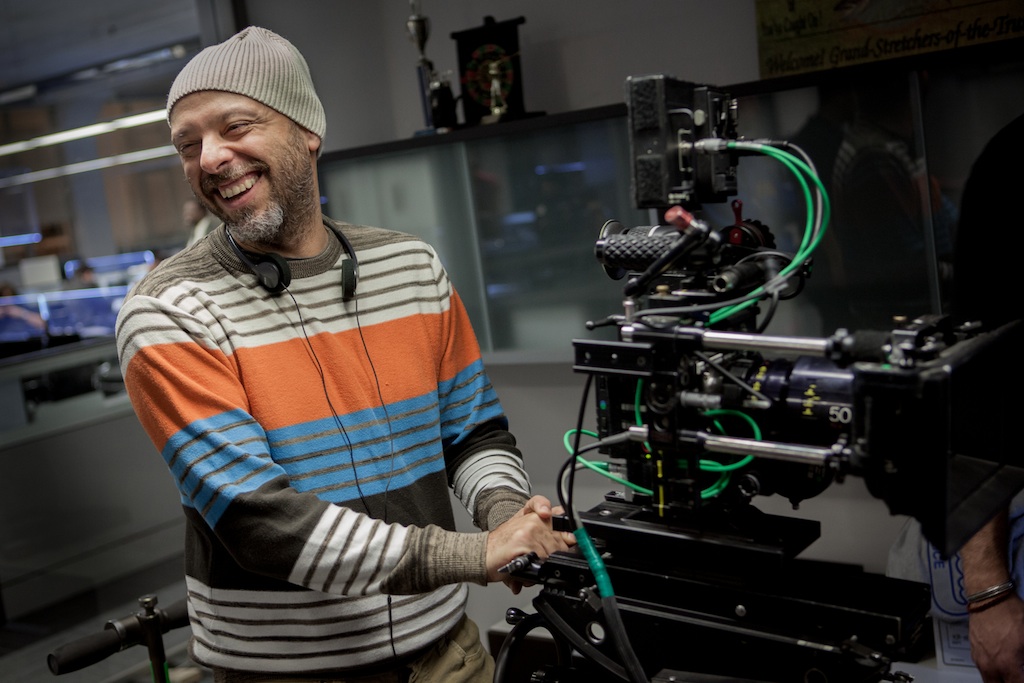 Padilha asegura que su participación en el filme ocurrió de casualidad por designios del destino: “Tenía una reunión en MGM, estábamos hablando de películas que me gustaría hacer. Tenían un poster del RoboCop original y dije, pues, mira, esa es una película que me hubiera gustado hacer. Es brillante, un clásico, un icono. Les di mi perspectiva y dijeron, „pues hagámosla.‟ Fue una afortunada coincidencia– un estudio que tenía el material adecuado, un fan, y un poster.”
Los productores del filme, Marc Abraham y Eric Newman, dicen que Padilha era la opción perfecta para dirigir esta nueva visión de RoboCop. “El estudio realmente se arriesgó,” dice Abraham. “Acudieron a un realizador que había hecho documentales brillantes y dos películas, Elite Squad y Elite Squad 2, que fueron enormemente exitosas, especialmente en Brasil – Elite Squad ganó el Oso de Oro en el Festival de Cine de Berlín. Estaban entusiasmados de poder contratar a un realizador original para hacer una película original.”
“Las películas de José exhiben una cualidad frenética,” asegura Newman. “Sales del cine pensando ‘Eso ha molado’. Pero a la vez, inyecta vida en la película con su propio punto de vista.” Añade Newman que RoboCop proporcionó el marco idóneo para ello. “RoboCop sigue siendo tan relevante ahora que cuando se estrenó,” continua. “José quería hacer una película exitosa en dos niveles– tenía que rebosar acción y dejarte sin aliento con cosas jamás vistas hasta el momento – pero la temática también tenía que ser relevante, tenía que comentar el mundo en el que vivimos.”
“Es divertido ir al cine, pasártelo en grande y pensar, „aquí hay algo,‟” explica el realizador. Mediante su admiración de RoboCop, Padilha encontró la forma de representar esa historia en la pantalla de una forma novedosa y muy actual. “Actualmente los temas de la películas son aun más candentes,” confiesa el director. “Nos adentramos a un mundo donde las guerras serán automatizadas. Veremos robots sustituyendo a soldados y policías. Ahora comenzamos un intenso debate sobre los robots de uso militar, los cuales no son automatizados – hay un ser humano que observa desde un lugar remoto y decide cuándo apretar el gatillo. Pero, ¿qué ocurre cuando un programa informático o un algoritmo toma esa decisión? Todo lo que sale en la película será real en muy poco tiempo, y tendremos que discutir estos temas y decidir si está bien o no. Es fascinante tener la oportunidad de dirigir este proyecto tantos años después tras conocer todo lo que ha ocurrido en el terreno tecnológico, e intentar recrearlo en nuestros tiempos actuales, pero a la vez, mantener vivo ese debate filosófico que representa el personaje original.”
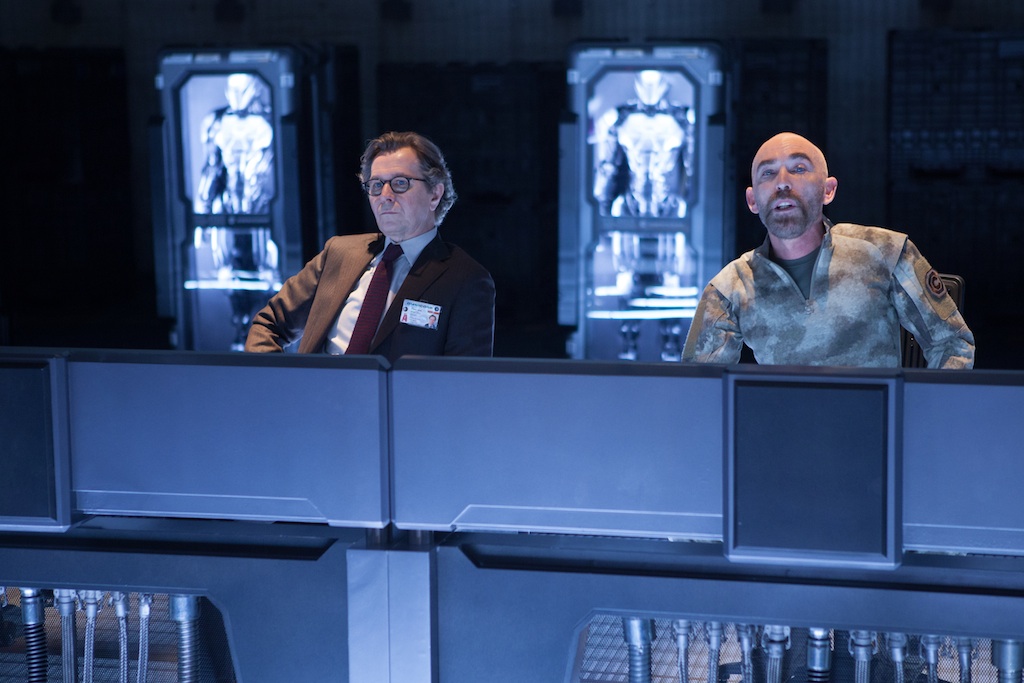
Look futurista
In it RoboCop original los realizadores emplearon animación fotograma a fotograma para el ED-209. En la nueva entrega, los realizadores se decantaron evidentemente por los efectos visuales. “Ese momento en el que ves el ED-209 en la película original es realmente memorable – pero, debido a la clase de animación que emplearon, el movimiento de la cámara y la composición de los planos eran muy limitados,” asegura el supervisor de efectos visuales James E. Price. “Ahora que somos capaces de emplear herramientas modernas tenemos más flexibilidad. Realmente somos capaces de integrar movimiento sofisticado y construcciones diferentes en esas escenas. Y esta forma de trabajar encaja perfectamente con el estilo de José – es muy activo y la cámara se mueve mucho, él vive el momento. No tuvimos que amarrar la cámara, la dejamos volar y así los efectos visuales se adaptaron a su forma de rodar.”
Para lograr el look futurista de RoboCop, los realizadores acudieron al director de producción Martin Whist. Aunque el día a día de un director de producción es la configuración de los platós – y sin duda Whist fue el responsable de los mismos – también diseñó otros aspectos del filme, tales como los trajes de RoboCop, las bicis y los coches, las armas, los robots de efectos visuales: el ED-209 y el EM-208. “Es la primera vez que he diseñado elementos cuya animación transcurriría en el terreno de los efectos visuales,” explica el director. “Hice frente a muchos y nuevos retos que me atraparon desde el principio y me lo pasé en grande – diseñando desde coches a bicis pasando por trajes y armas. ¡Todo eso sumado a los sets!”
Whist asegura que es gracias a la experiencia de su equipo que pudo abarcar tanto trabajo en RoboCop. “Claro, porque, nos complementamos. Conté con gente extraordinaria y diseñadores asombrosos que trabajaron en diferentes aspectos: algunos trabajaron en las armas, dos tíos trabajaron en los robots,” explica. “Eso me permitió diseñar como supervisor– calibrando, ajustado detalles, más que haciéndolo yo todo. Los expertos se pusieron a trabajar y nosotros aprovechamos sus ideas y talento. Nosotros guiábamos, editábamos.”
A la hora de diseñar los trajes de RoboCop asegura Whist que el segundo – el negro – acaparó más atención por parte de los diseñadores. “El segundo traje es negro, visualmente más estilizado, diseñado, meditado, y un poco más elegante y agresivo.”
Para construir los trajes físicos de RoboCop, Whist colaboró con un equipo en Legacy Effects, una de las fuentes más solicitadas de Hollywood para crear visiones que se convierten en realidad como es el caso de los creadores del traje de Iron Man y otros notables encargos con efectos.
Whist trabajó codo con codo con el equipo de efectos visuales para coordinar el diseño de los robots. “Diseñé el 209 como una imagen estática,” explica. “Una vez que comenzamos con la animación y el movimiento, tuvimos que modificar el diseño. Aunque es un efecto visual, hay que respetar la física del mundo real para que el movimiento sea el adecuado; por ejemplo, la articulación de la pierna la tienes que colocar en un punto determinado para que pueda levantar la pierna o girar la pistola.”
Whist diseñó los vehículos que aparecen en el filme y también aquí le hicieron un guiño a la entrega original ya que los coches de policía están basados en el nuevo modelo del Ford Taurus – al igual que el Taurus de primera generación había tenido un papel estelar en la película original. “Por suerte, ¡el último modelo del Taurus es alucinante!” sonríe Whist. “He quedado muy satisfecho con los coches patrulla, salieron genial.”
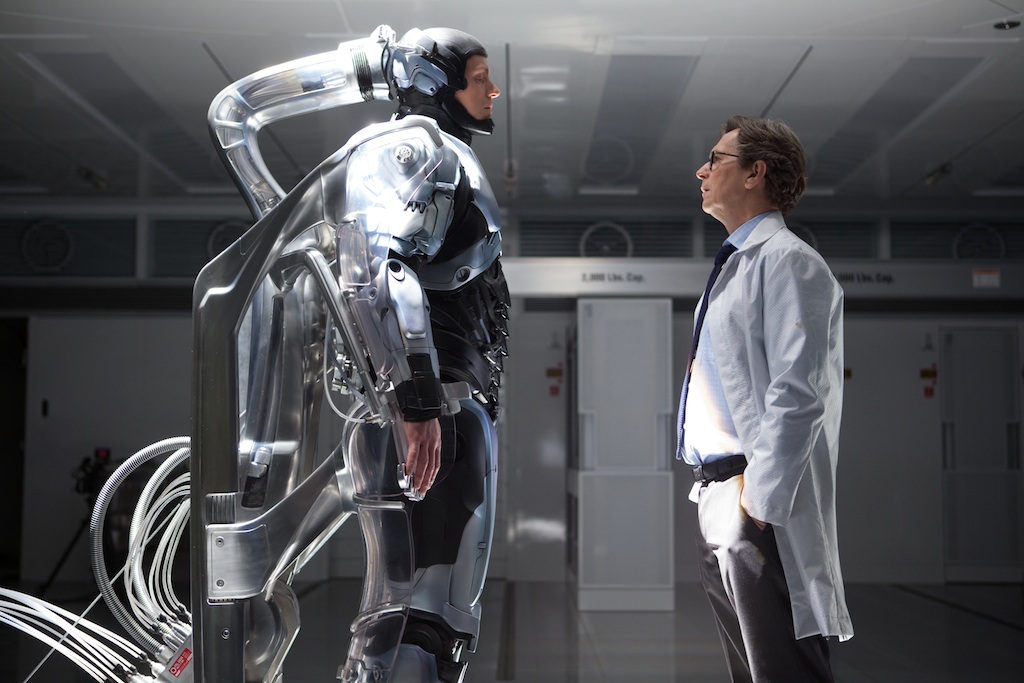
Efectos visuales
Para los efectos visuales de la película los realizadores acudieron al supervisor de efectos visuales James E. Price, quien asegura que las tareas pendientes de RoboCop se podían asignar en tres categorías los robots – mayormente el EM-208, el ED-209, y el propio RoboCop; la futurización del entorno; y los gráficos y el aspecto visual, incluyendo el punto de vista de RoboCop.
El diseño de los robots comenzó en el departamento de arte, pero pronto los artistas iniciaron una estrecha colaboración con el equipo de efectos visuales que añadiría la animación a sus diseños. “La meta para el 209 era que pareciera lo más real posible – como si fuera realmente pesado, un robot intimidante,” explica Price. “El diseño es único ya que una rodilla está al revés y la cabeza es grande y pesada por lo que el reto era brindarle un movimiento que fuera interesante y mecánico y que no fuera contrario a las leyes de la física – que pudiera mantener su equilibrio y caminar adecuadamente y ser amenazante sin llegar a ser ridículo.”
Para el 208 – los “soldados de a pie” de Whist – Price asegura que los retos cobraron otra dimensión. “El 208 tiene un diseño humanoide, por lo que queríamos que su movimiento reflejara sus articulaciones humanoides. Pero no podían ser demasiado humanos; tenían que mantener esa calidad mecánica en su forma de andar y de moverse. Para nosotros, el quid de la cuestión era la precisión y la velocidad. Cuando una persona está apuntando con el dedo hacia una dirección y se gira, es probable que su dedo y su mano se muevan un poco tras realizar el giro para compensar el peso del brazo durante el giro. Pero un robot no – tiene un control muy preciso sobre sus articulaciones. Comenzamos haciendo captura de movimiento con seres humanos y cada vez íbamos eliminado el rebasamiento, el movimiento brusco, el impulso propio del movimiento humano.”
Para el propio RoboCop, todas estas consideraciones y más se dieron cita. “Echamos mano de un amplio abanico de técnicas para que nuestro RoboCop cobrara vida,” continua Price. “Comenzamos con un actor que se vestía de traje – o bien Joel o bien un especialista. En algunos casos sustituimos partes del traje – por ejemplo, manteníamos sólo la cabeza y el rostro de Joel y sustituíamos el resto del cuerpo para un movimiento especialmente complejo. Y si RoboCop tenía que ejecutar una acción que un ser humano fuera incapaz de realizar – como moverse a mayor velocidad o saltar a mayor distancia – pasábamos directamente a una versión cien por cien digital de RoboCop. A la hora de pasar a la animación de RoboCop en esas situaciones basábamos la misma en los movimientos de Joel y luego añadíamos una dosis más de potencia, agilidad, o flexibilidad que sólo un robot puede aportar.”
En cuanto a la futurización, era importante plantearlo con sutilidad y sin pasarse. “En la calle ves coches que tienen entre uno y veinte años de antigüedad. Lo mismo ocurre con los edificios – de hecho verás edificios aquí en EE.UU. que tienen entre 50 y 100 años,” apunta Price. “No quisimos forzar las cosas – optamos por crear una evolución sutil a partir de nuestro momento actual.”
El principal reto de la futurización al que se enfrentó el equipo era cómo cambiar el perfil urbano de Detroit. “Añadimos la destacada sede de OmniCorp,” apunta Price. “La mitad superior del edificio, el rascacielos, lo diseñó el departamento de arte; la mitad inferior se basó en el centro de convenciones de Vancouver, que precisamente es el exterior donde rodamos una parte de la escena final. Para las tomas del rascacielos me trasladé a Detroit y rodé planos aéreos del actual perfil urbano de la ciudad. Elegimos un lugar donde estaría el edificio – al sur del centro Renaissance, el clásico edificio con el logo de GM. Justo al sur de esa zona hay un parque y espacio abierto y ahí tomamos algunas fotos fijas para hacer una panorámica. Echamos mano de la cámara giroestabilizada y rodamos una vista de 360 grados de Detroit desde dos altitudes ligeramente diferentes – una que representaría el despacho de Sellars, y otro ligeramente más elevado que representaría el tejado, donde está ubicado el helipuerto. En postproducción utilizamos esas fotos fijas para crear una gran visión panorámica en movimiento.”
Y finalmente, el resultado es que la vista de Detroit vista desde el ventanal de Sellars y desde el tejado es exactamente la que se vería si un edificio realmente se construyera allí.
Los elementos finales eran los gráficos y las visualizaciones – una parte clave de la representación del punto de vista de RoboCop. “Su perspectiva le transmite mucha información al espectador – sobre el estado de RoboCop, sobre cómo gestiona su entorno, como evalúa las cosas.”
Para ello los realizadores decidieron cómo se rodaría el punto de vista de RoboCop. “Trabajamos con una grúa especial para la cámara que el departamento bautizó la Robo-visión. Es una grúa inteligente– la cabeza estaba estable y montada sobre una Steadicam. Te permitía un movimiento muy fluido, muy Steadicam – un plano que los espectadores tradicionalmente asociarían con un plano que muestra el punto de vista del actor en cuestión – pero gracias a la cabeza teledirigida, nos aportó la precisión en los giros y movimientos horizontales que buscábamos, para poder así aportarle una sensación robótica. Cuando miras a través de la mirada de RoboCop, resulta que caminas parecido a como lo haría un ser humano, pero tu atención es capaz de centrarse en algo y después cambiar con mucha precisión a otra cosa. Además de todo ello, añadimos muchos gráficos, texto, y lecturas que muestran cómo RoboCop analiza las cosas que está observando.”
Price y su equipo crearon también el plató virtual para el programa del comentarista político Pat Novak – interpretado por Samuel L. Jackson. “Rodamos a Sam sobre una pantalla verde de 240 grados; el fondo es pura animación,” asegura Price. “Estas escenas tenían su propio look por lo que trabajamos con una empresa en Los Ángeles para diseñar la estética del programa y el look de esos sets. Afortunadamente Sam tiene mucha experiencia trabajando en estos contextos y sabía exactamente lo que esperar.”
[youtube]http://www.youtube.com/watch?v=8KpSKzT-Fh0[/youtube]
Did you like this article?
Subscribe to our NEWSLETTER and you won't miss anything.
Related articles
 Javier Alvariño regresa al cine por la puerta grande: Goya a Mejor Dirección de Arte por ‘La Virgen Roja’
 Raúl Cimas films 'The Exact Coordinates' in Gran Canaria under the direction of Alejandro Millán
 Netflix and Alea Media will film the series 'Salvador', directed by Daniel Calparsoro
 Wattpad's 'Bad Influence' webnovela becomes a film directed by Chloe Wallace
 Morena Films produces the hooligan comedy 'Cuerpo Escombro', filming under the direction of Curro Velázquez
 Mar Coll returns to directing feature films a decade later with 'Las Madres No'
 José Mota returns to La 1 with the fake live show 'José Mota Live Show'
 Grass Valley regresa a IBC 2022 bajo el lema ‘We Love Live’
 Prime Video begins filming in Madrid of the series 'Reina Roja' under the direction of Koldo Serra
 'My other Jon' will be filmed in La Palma and Madrid under the direction of Paco Arango
 'Operación Triunfo' returns to TVE on May 20 without an audience and under a strict security protocol
 Filming of 'Nasdrovia', the new original Movistar+ series, begins under the direction of Marc Vigil
 Caviar produces the new Christmas Lottery campaign for Leo Burnett under the direction of Amenábar
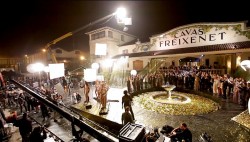 Freixenet premieres its new Christmas campaign under the direction of Kike Maíllo (Making of)