





The EBU welcomes the recommendations of the European Commission regarding spectrum below 700 MHz.
The European Commission's High Level Group in charge of studying the impact of the digital dividend recommends safeguard access in the spectrum below 700 MHz for digital terrestrial television in Europe until 2030.
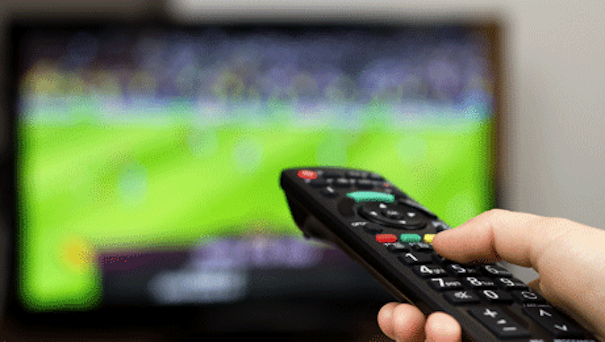
The EBU welcomes the recommendations of the European Commission regarding spectrum below 700 MHz.
The European Broadcasting Union (EBU) has welcomed the report of the European Commission's High Level Group which has recommended safeguard access in the spectrum below 700 MHz for digital terrestrial television in Europe until 2030. However, the group has also expressed concern about the early release of the 700 MHz frequencies.
The group chaired by the former European commissioner and director general of the World Trade Organization (WTO), Pascal Lamy, analyzed the future use of the UHF spectrum band between 470 to 790 MHz, which is essential for the broadcast of free-to-air digital terrestrial television (DTT).
DTT is the most popular television platform in Europe, reaching one hundred million homes and two hundred and fifty million viewers, becoming a fundamental pillar to comply with the universal obligations of public service broadcasting organizations and the delivery of content to mass audiences.
EBU members have welcomed the report's recommendation that “the EU should adopt a common position against the co-principal allocation of the basic audiovisual band (470-694 MHz) to the mobile service at WRC 2015”.
“The EBU believes that safeguarding the spectrum below 700 MHz will allow public service broadcasters and the European audiovisual sector to continue reaching all sectors of the population, maintaining the widest selection of content, with secure investments and long-term innovation,” said Simon Fell, Head of Technology and Innovation at the EBU.
"It is essential that broadcasters are not financially weakened by the loss of the 700MHz band. Member States must pay attention to the report's conclusions on compensation and transition arrangements," Fell added.
All expenses should, in the opinion of the report, be compensated, including investments in new technologies, even if they are more efficient at the expense of mitigating mobile interference from DTT reception.
“There is a danger that broadcasters and viewers will not be given enough time to adapt to spectrum provisions and ensure the necessary upgrades to DTT networks and consumer equipment, particularly in countries where DTT is the primary television platform,” Fell said.
La industria de la radiodifusión argumenta que una fecha de liberación anticipada pueda causar la interrupción de los servicios de televisión en una serie de Estados miembros, en particular cuando, debido a la falta de capacidad, la transición reduzca el volumen y la calidad de los contenidos que se ofrecezcan a los espectadores.
El informe señala que debido a las “asignaciones recientes en la banda de 800 MHz, la banda de 700 MHz no es inmediatamente necesaria para los servicios móviles” y propone un “stock take” en 2025 para proporcionar una base objetiva para futuras decisiones políticas sobre la asignación de espectro.
La UER cree que éste debería incluir todos los desarrollos tecnológicos y de mercado pertinentes, así como todas las bandas de frecuencias para la radiodifusión terrestre y la banda ancha móvil.
Did you like this article?
Subscribe to our NEWSLETTER and you won't miss anything.
Related articles
 The European Commission supports the current use of the UHF band
 The European Commission will present the new strategy for 6G at the 5G Forum
 The European Commission approves the merger between Discovery and WarnerMedia
 The 5G Forum advances the keys to 6G with Peter Stuckmann (European Commission)
 The European Commission puts out to tender an investigation into uses of the sub-700 MHz band
 The European Commission proposes new rules applicable to digital platforms
 The European Commission gives the green light to Buendía Estudios, the new production company of Telefónica and Atresmedia
 The European Commission opens a public consultation on piracy
 European Commission places Lightspeed and Telestream's Vantage at the heart of its contribution platform
 The European Commission awards Mediapro the distribution of its television channels
The Commission welcomes the approval of the Creative Europe program by the European Parliament
The European Commission seeks opinions on the rapid convergence of the audiovisual world
The European Commission awards Mediapro the distribution of its television channels
The Commission welcomes the approval of the Creative Europe program by the European Parliament
The European Commission seeks opinions on the rapid convergence of the audiovisual world
 Yes from the European Commission to aid for Spanish cinema
 Parc Audiovisual de Catalunya: 'Best Practice' by the European Commission