





King Felipe VI presides over the 150th anniversary of the International Telecommunications Union
Fundada en París en 1865 con el nombre de Unión Telegráfica Internacional, la UIT adoptó en 1932 su denominación actual y en 1947 se convirtió en organismo especializado de las Naciones Unidas.
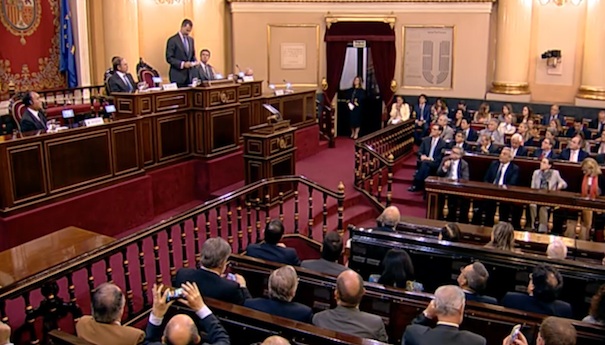
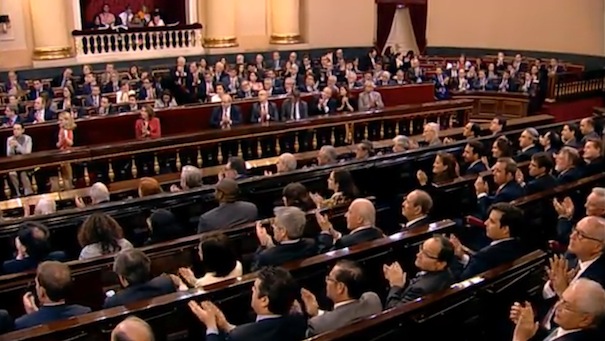
El Rey Felipe VI ha presidido este martes en Madrid el 150º aniversario de la Unión Internacional de las Telecomunicaciones (UIT/ITU). El acto celebrado en el antiguo salón de sesiones del Senado español, el mismo lugar en el que nacía el organismo especializado de las Naciones Unidas para las tecnologías de la información y la comunicación (TIC), ha reunido a destacados profesionales del mundo de las telecomunicaciones.
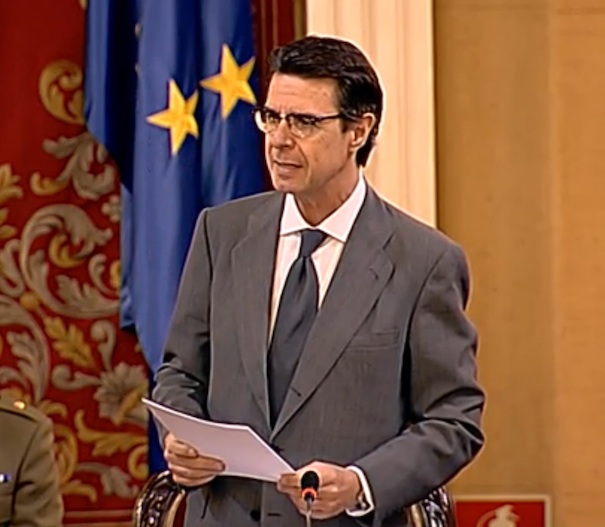
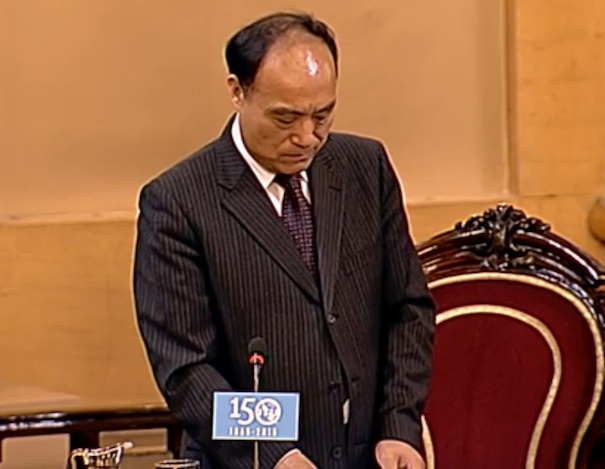
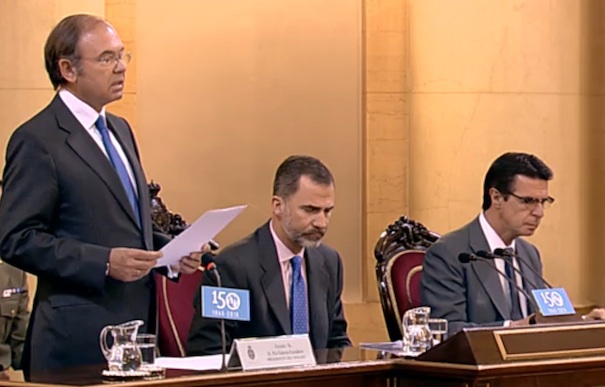
Felipe VI ha estado acompañado en este Día Internacional de las Telecomunicaciones, por el secretario general de la UIT, Houlin Zhao, el presidente del Senado, Pío García-Escudero, y el Ministro de Industria, José Manuel Soria.
Fundada en París en 1865 con el nombre de Unión Telegráfica Internacional, la UIT adoptó en 1932 su denominación actual y en 1947 se convirtió en organismo especializado de las Naciones Unidas.
 Tras las grandes convulsiones mundiales de las primeras décadas del siglo veinte y a cinco años de su propuesta en la IV Conferencia Administrativa Radiotelegráfica Internacional de Washington de 1927, se celebraron conjuntamente en Madrid, durante el último cuatrimestre del año 1932, la V Conferencia de Plenipotenciarios de la UTI (Unión Telegráfica Internacional) a la que asistieron delegaciones de ochenta países y la V Conferencia Radiotelegráfica Internacional, en la que participaron sesenta y cinco países. La reunión fue un hito histórico, ya que se firmó el primer Convenio para la creación de la Unión Internacional de Telecomunicaciones (UIT).
El 3 de septiembre de 1932, Manuel Azaña, entonces Presidente de España, declaró abierta en Madrid la 5.ª Conferencia de Plenipotenciarios de lo que se conocía entonces como la Unión Telegráfica Internacional. La Conferencia estaba presidida por Santiago Casares Quiroga, Ministro de Interior de España. El evento resultó complejo, ya que se celebraba conjuntamente con la 4.ª Conferencia Radiotelegráfica Internacional. Ambas Conferencias (por mediación de una comisión) habían de decidir, entre otras cosas, cómo crear y bautizar una organización internacional refundida.
 El resultado fue la fusión del Convenio Telegráfico Internacional y el Convenio Internacional de Radiotelegrafía en un único Convenio Internacional de Telecomunicaciones. Se creó lo que desde entonces se llama la Unión Internacional de Telecomunicaciones.
Tras arduas deliberaciones, el nuevo Convenio se firmó el 9 de diciembre de 1932. La Conferencia de Madrid no sólo permitió crear un tratado y una organización únicos para las telecomunicaciones, sino que también marcó el logro de la verdadera condición internacional de la UIT en virtud del número de Estados signatarios. La elección del nuevo nombre de la Unión, que entró en vigor el 1 de enero de 1934, reflejaba la dimensión del cometido de la UIT, que para entonces abarcaba todas las formas de comunicaciones alámbricas e inalámbricas.
 El denominado Convenio de Madrid, y las revisiones sucesivas del mismo, constituyen un Tratado entre Estados soberanos comprometidos en el desarrollo armónico de las telecomunicaciones internacionales. Posteriormente, la Conferencia de Plenipotenciarios de Ginebra (1992) finaliza el debate iniciado por la celebrada en Torremolinos (España) en 1973 introdujo cambios importantes en la estructura de la UIT adoptando una constitución como instrumento fundamental, y el Convenio de la Unión Internacional de Telecomunicaciones, que la completa.
Es precisamente a raíz de la Conferencia de Madrid en 1932 cuando el vocablo telecomunicación alcanza el significado que tiene hoy en día.
La UIT, organización en la que los sectores público y privado están asociados desde su creación, tiene actualmente 193 países miembros y unas 700 entidades del sector privado. Su Sede está en Ginebra (Suiza) y tiene 12 oficinas regionales y de zona en todo el mundo.
Mundo digital sin fronteras
Durante su intervención, Felipe VI ha explicado que “hoy todo depende en buena medida de la tecnología. Más aún en un contexto como el actual, en el que las tecnologías de la información y las telecomunicaciones son un factor imprescindible para el crecimiento económico, los avances sociales y, en definitiva, el desarrollo de los pueblos”.
Por su parte, el secretario general de la UIT, Houlin Zhao, ha subrayado que “es un gran privilegio estar hoy aquí y poder celebrar juntos este día. Quiero agradecer a España su continuo apoyo y animo a que miremos todos juntos a futuros años de fructífera cooperación internacional”
El ministro de Industria, Energía y Turismo, José Manuel Soria, ha aprovechado su intervención para resaltar que “en este mundo digital es imprescindible que países y regiones converjan y colaboren, porque el mundo digital no conoce fronteras. Por ello, gobiernos, legisladores y organizaciones internacionales no debemos dejar de trabajar para que ciudadanos y empresas puedan disfrutar de una experiencia digital abierta y puedan habitar de forma fluida en un ecosistema digital cada vez más complejo, con más servicios, mercados y dispositivos”.
Did you like this article?
Subscribe to our NEWSLETTER and you won't miss anything.
Related articles
 Renaud Lavoid: “the integration of Embrionix into Riedel is the perfect union”
 The European Union studies the design of a satellite connectivity system
 The European Broadcasting Union cancels the Eurovision Song Contest 2020
 The Huesca International Film Festival closes its edition with greater international projection
 TVE 2 launches special programming on the occasion of the 150th anniversary of diplomatic relations between Spain and Japan
 The European Broadcasting Union will attend the Virtual Reality Observatory (ORV17)
 The UHD Alliance is born, a union of companies with the aim of promoting UHD content
 The coronation of Felipe VI, in 4K, with Fujinon lenses
 Queen Sofía presides over the presentation of the ultra high definition TVE documentary 'The Passion of the Prado'
 The European Union opens a consultation on crowdfunding
 The European Union will cut its telecommunications allocation by 1,000 million euros
 TVE Internacional, Hot Bird TV 2011 Award for best general international channel
 'Felipe and Letizia' resist the challenge of 'Hispania'
 Felipe del Campo will be in charge of Marca TV