





Ribbon driver technology and line array speaker systems
La combinación de la tecnología ribbon driver y la configuración en matriz lineal confiere ventajas claras de rendimiento sonoro frente a las tecnologías tradicionales de altavoces y disposiciones de drivers. El uso de ribbon drivers dentro de una sola caja en un diseño de matriz lineal da lugar a un sistema de alto rendimiento. excepcionalmente compacto.
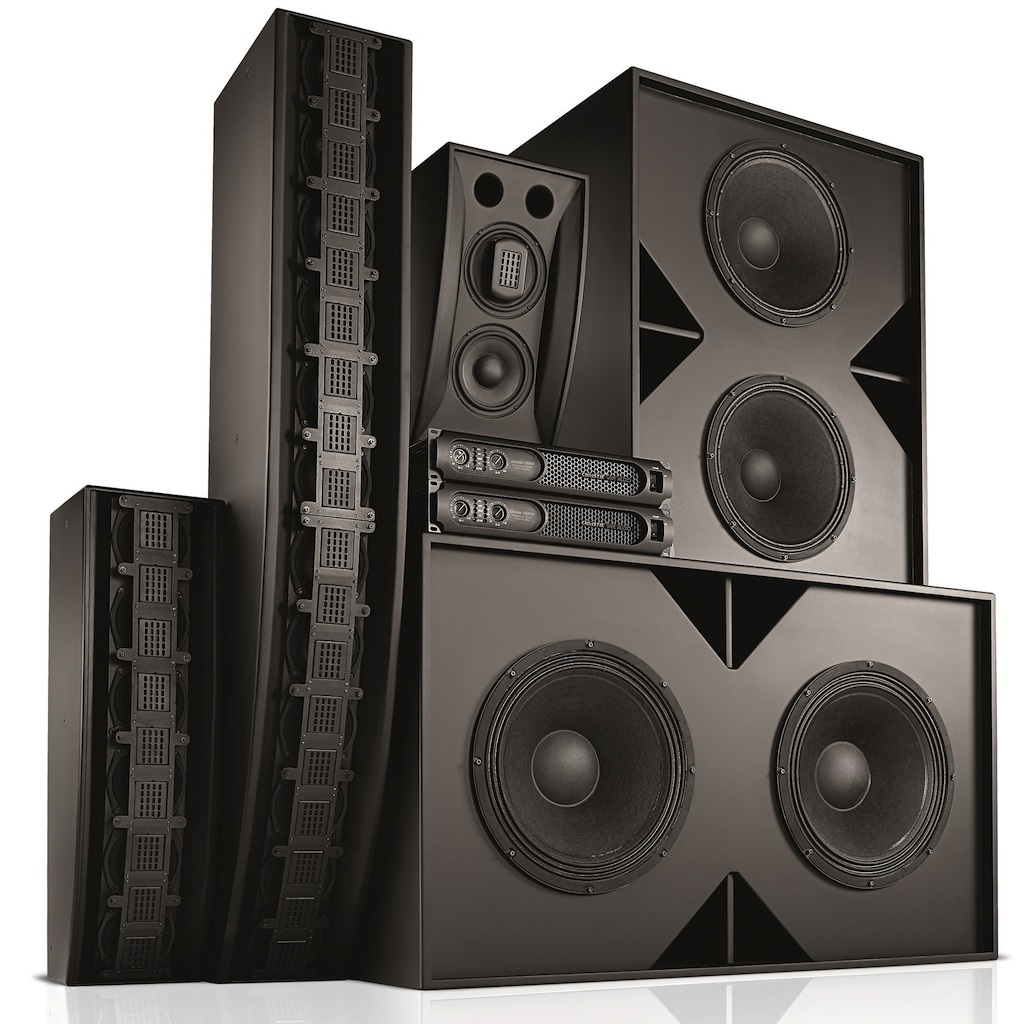
La tecnología ribbon driver representa el siguiente paso en el diseño de altavoces y garantiza una claridad reforzada, una distorsión bajísima y una respuesta en transitorios ultrarrápida.
Los sistemas de altavoces profesionales que emplean la tecnología ribbon driver están pensados para cubrir un amplio espectro de aplicaciones, desplegándose con resultados óptimos en situaciones complejas que exigen una potencia y calidad sonora del máximo nivel y altos niveles de fiabilidad.
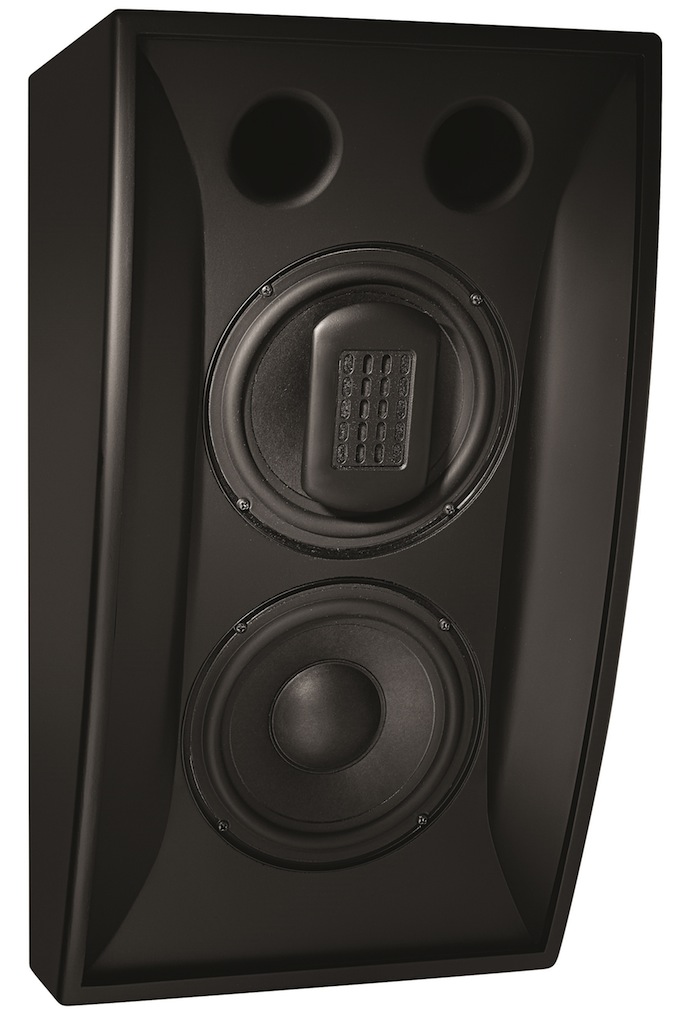
Los transductores de cinta, o ribbon drivers, contienen una cinta de película metalizada muy fuerte y ligera (de PEN o poliimida) sobre la que se han dispuesto unas pistas de circuito impreso; dicha cinta va suspendida entre un conjunto de imanes de neodimio de alta potencia. Son radiadores directos y no requieren de bocina para producir sonido. Cuando se aplica una corriente alterna a la cinta con un amplificador, la cinta se ve atraída y repelida alternativamente por los imanes. Esta vibración de la cinta genera ondas sonoras de manera directa. Los ribbon drivers actuales se usan para frecuencias altas y medias, ofreciendo una dispersión horizontal ancha y homogénea, y ofrecen aguantes de potencia y potencias de salida altos.
 Drivers de compresión y ribbon drivers
Tradicionalmente, el diseño de altavoces se ha basado en tecnología de driver de compresión cargado con bocina. Este diseño lleva un diafragma de metal con bobina de voz con un imán alrededor. Los componentes se montan en un receptáculo con una apertura frente al diafragma en uno de los extremos. El diámetro de esta apertura es menor que el del diafragma. En la apertura del receptáculo del driver de compresión se monta una bocina para controlar la directividad.
Cuando se aplica una corriente alterna a la bobina de voz con un amplificador, ésta y el diafragma al que va conectada se ven atraídos y repelidos alternativamente por el imán. La vibración del diafragma genera unas ondas sonoras que se comprimen al atravesar la apertura para expandirse luego en la bocina. Este proceso de compresión tiende a generar distorsión y efecto de ruptura en frecuencia alta. La interacción entre las ondas sonoras y la bocina puede generar distorsión adicional debido a la reflexión y la reverberación. Además, con el paso del tiempo, la bocina de voz presenta compresión de potencia con pérdidas de salida en las frecuencias altas.
En comparación con los drivers de compresión, la masa extremadamente baja de un diafragma de cinta permite una respuesta en transitorios mucho más rápida y que el altavoz se configure como un radiador directo. Pero además, las ondas sonoras de un ribbon driver no se comprimen para luego expandirse en una bocina, lo que reduce la distorsión, elimina los modos de ruptura en frecuencias altas y proporciona una respuesta extendida en frecuencias altas. Además, el hecho de que los ribbon drivers no tengan bobina de voz y que en su lugar se empleen pistas de circuito impresas sobre el diafragma evita que se vean afectados por compresión de potencia.
 Patrones de dispersión de los drivers
El sonido producido por la fuente puntual de un driver de compresión da lugar a un patrón de propagación esférico que se extiende de manera uniforme en todas direcciones. Ello obliga a utilizar una bocina que asegure el control sobre la directividad, lo que puede dar lugar a reflexiones y reverberaciones de efectos negativos dentro de la bocina así como a un aumento de los efectos del lobulado.
En cambio, el sonido producido por la fuente lineal de un ribbon driver da lugar a un patrón de propagación cilíndrico, con una dispersión horizontal amplia y una dispersión vertical controlada. Además, los niveles de presión sonora (SPL) producidos por un sistema con fuente lineal se atenúan a un ritmo que es la mitad del de un sistema con fuente puntual (3dB por unidad de distancia en comparación con 6dB por unidad de distancia), generando un SPL más uniforme en el área de escucha.
Tecnología de matriz lineal
Los sistemas tradicionales de altavoces de matriz lineal se construyen apilando bafles idénticos uno sobre otro para formar una disposición vertical curvada o recta. Una disposición en matriz lineal puede proporcionar un patrón de dispersión cilíndrico muy direccional sobre un área extensa, y esa es la razón de que las matrices lineales se hayan convertido en el estándar del sector del sonido profesional para refuerzo de sonido y megafonía en aplicaciones tales como sonido en directo, grandes eventos, estadios o festivales al aire libre.
Las prestaciones de audio superiores que ofrece la tecnología de matriz lineal resultan asimismo útiles para toda una serie de aplicaciones llevadas a cabo en instalaciones fijas, como por ejemplo en cines, lugares de culto, clubes nocturnos y otro tipo de locales.
Matriz lineal basada en ribbon drivers
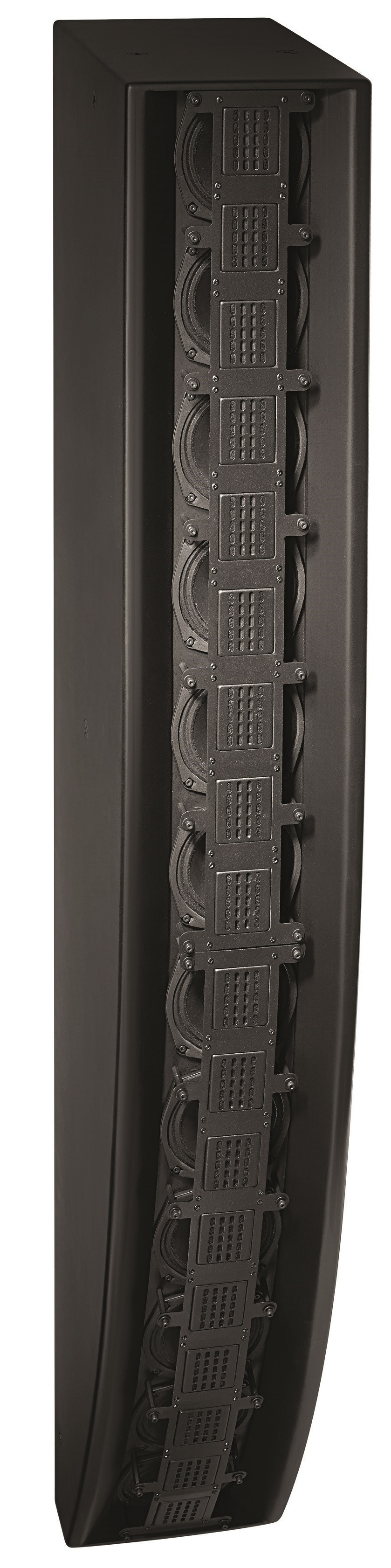
El patrón de propagación cilíndrica de los ribbon drivers hace que estos transductores resulten ideales para formar matrices lineales. Y al no precisar bocinas, los ribbon drivers pueden ser mucho más compactos que los drivers de compresión con bocina tradicionales. En suma: poseen las características idóneas para montar una matriz lineal compacta en una sola caja, en un diseño recto o articulado.
Una matriz lineal basada en ribbon drivers constituye una fuente de audio auténticamente lineal, generadora de un patrón de propagación cilíndrico y con capacidad para producir una dispersión horizontal muy ancha y una dispersión vertical muy controlada, con un nivel de presión sonora muy consistente por toda la zona de escucha. La combinación, en esta solución, de las prestaciones sonoras superiores de los ribbon drivers con los factores de rendimiento y fiabilidad de un sistema en matriz lineal hace que presente toda una serie de ventajas frente a los sistemas de audio tradicionales de fuente puntual basados en drivers de compresión.
Richard Nye
Director de Ventas para Cine de Christie EMEA

Did you like this article?
Subscribe to our NEWSLETTER and you won't miss anything.
Related articles
 Meyer Sound launches Astrya, a new series of cinema speakers
 Tres Sistemas uses TVU Networks' IP technology to broadcast the emblematic performance of 'Don Juan Tenorio'
 Los sistemas Talent y Alio de AEQ ya son compatibles con la tecnología Starlink
 AEQ delivers the first XPEAK matrix-free intercom systems
 Xiaomi launches its own linear television service supported by Amagi technology
 Spanish Television launches its first voice experience about Eurovision for smart speakers
 For-A will present its advanced 12G technology at IBC and show new systems for live production
 Los altavoces inteligentes serán el dispositivo de mayor crecimiento este año
 ‘Sistemas de producción audiovisual’, un compendio sobre gestión, instalación y mantenimiento de sistemas audiovisuales
 Christie Vive Audio expands its range of cinema speakers with the LS Series
 AJA launches a single unified Kona and Io driver for third-party solutions on Windows or Mac
 BPM-SOA as a driver of the new audiovisual industry
 Pere Vila asume la nueva Dirección de Tecnología, Innovación y Sistemas en RTVE
 Matrox releases unified Mac driver for editing solutions from Adobe, Apple and Avid