





Televisa digitaliza su emisión ATSC con tecnología de Sapec
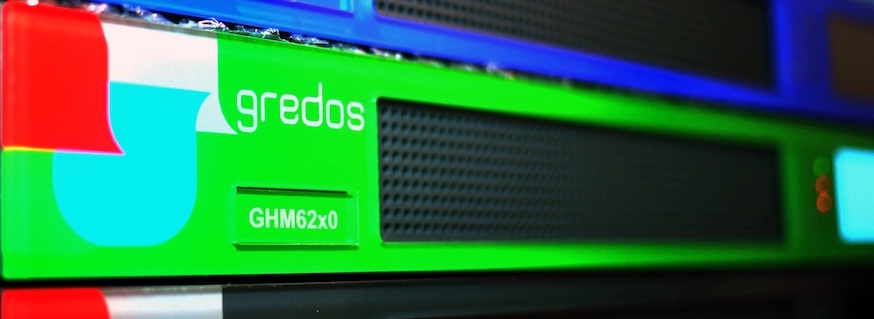
La familia de codificadores con modulador integrado, Gredos, permite a Televisa distribuir su senal bajo estándar ATSC a los lugares más remotos de México.
Tras el apagón analógico televisivo que se realizó en diciembre del año pasado, Televisa valoró entre varias opciones de cara a adquirir equipamiento para la difusión de la señal digital terrestre bajo estándar ATSC, a los lugares más remotos del país.
El objetivo era llevar a poblaciones pequeñas la señal de Televisa, en digital, cumpliendo así con la Ley que obliga a los broadcasters a migrar la emisión de sus contenidos a Televisión Digital Terrestre (TDT), dejando atrás la era analógica en México.
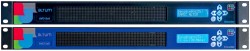
 La empresa española Sapec se presentó a las pruebas con sus equipos Gredos, una familia de codificadores con modulador integrado (diseñado y fabricado por Sapec), que reduce costos sin comprometer la calidad de la señal codificada, permite pasar la guía electrónica de programación (EPG), así como configurar los parámetros necesarios y generar por sí mismo las tablas necesarias para atacar al modulador ATSC interno que posee y entregar al amplificador la señal modulada para su emisión.
A esta solución se suman los amplificadores y el desarrollo de un software de gestión para el manejo y mantenimiento de ambos equipos; es decir, desde una sola aplicación se puede, desde cambiar el formato de entrada al codificador hasta cambiar las potencias del amplificador de una manera transparente y muy deductiva. De esta manera, Sapec logra ofrecer una solución de cabecera ATSC ideal para la transmisión de esta señal, de acuerdo a los estándares establecidos para la Televisión Digital Terrestre. Todo esto hace que los costes de los equipos se reduzcan y la solución técnica sea de sólo dos equipos: el codificador/modulador Gredos de Sapec y el amplificador digital, todo pensado y diseñado para facilitar la operación.
Este proyecto comenzó en el segundo semestre de 2015 y actualmente se encuentran instaladas y en pleno funcionamiento más de 200 estaciones, a lo largo del primer semestre de 2016 se realizará el suministro e instalación del resto de equipamiento, es decir, 200 equipos más.
Did you like this article?
Subscribe to our NEWSLETTER and you won't miss anything.
Related articles
 Radio Barbeton dota su estudio de emisión con tecnología de AEQ
 Sapec creará el codificador de la primera emisión TDT 8K en directo
 La Copa Africana de Naciones se transmite con ayuda de la tecnología de Sapec
 Sapec suministra en México una nueva cabecera de Televisión Digital Terrestre con estándar ATSC
 CNN emplea la tecnología de Blackmagic en su emisión en Facebook Watch
 The Mexican Televisa implements SAM's CiaB technology for its new automated playout
 Televisa selecciona la tecnología de Ericsson para emitir HD con compresión HEVC
 Fox Sports empleó la tecnología de Avid en la emisión de la Super Bolw
 Euronews se apoyará en la tecnología de Dalet para su emisión en trece idiomas
 Sapec celebra el Premio Panorama a la mejor tecnología en emisión y distribución
 El operador Tigo emplea la tecnología Altum de Sapec en sus contribuciones IP
 'Big Brother' returns to Televisa with Panasonic and Sennheiser technology integrated by Bexel Global
 Sapec compression technology, present at the BIT Broadcast workshops
 Sapec presenta su tecnología de alta definición H.264 en IBC’09