





EVS debuts its XT 4K servers and demonstrates IP interoperability
Marc Caeymaex, vicepresidente sénior para EMEA en EVS, hace un repaso en esta videoentrevista a la presencia de EVS en IBC 2016 donde la empresa belga ha exhibido una solución completamente integrada de producción interconectada entre diferentes sitios de producción en vivo y el broadcast center y la distribución online del contenido.
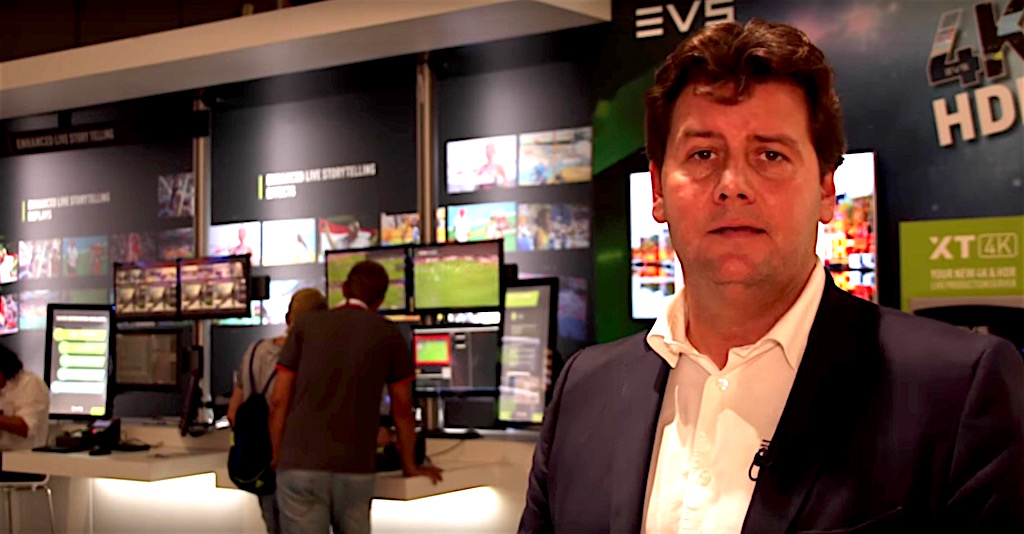
EVS ha mostrado un año más en IBC que sus soluciones son capaces de interconectar diferentes sitios de producción en vivo con un broadcast center y distribución online del contenido. Marc Caeymaex, vicepresidente sénior para EMEA en EVS, hace un repaso en esta videoentrevista a algunas de las soluciones tecnológicas del fabricante belga.
Para afianzar las posibilidades que brinda el IP, EVS está colaborando estrechamente con el broadcaster belga VRT y la Unión Europea de Radiodifusión (UER) en el Proyecto IP Live que pretende demostrar cómo es posible ya hoy contar con una infraestructura para producción en directo totalmente interconectada sobre IP. Para Caeymaex hay dos aspectos clave que han quedado patentes tanto en la experiencia on-air llevad a cabo este verano como en el piloto implantado en el RAI Center con motivo de IBC. Por un lado, la interoperabilidad entre sistemas y la necesidad de contar con estándares que compartan todos los sistemas.
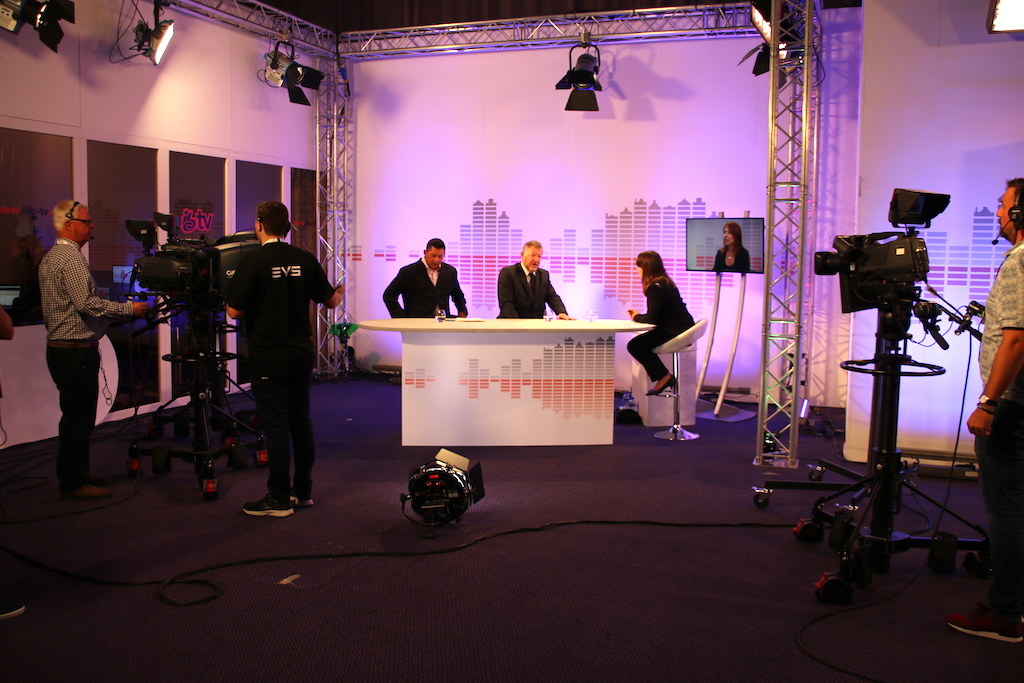
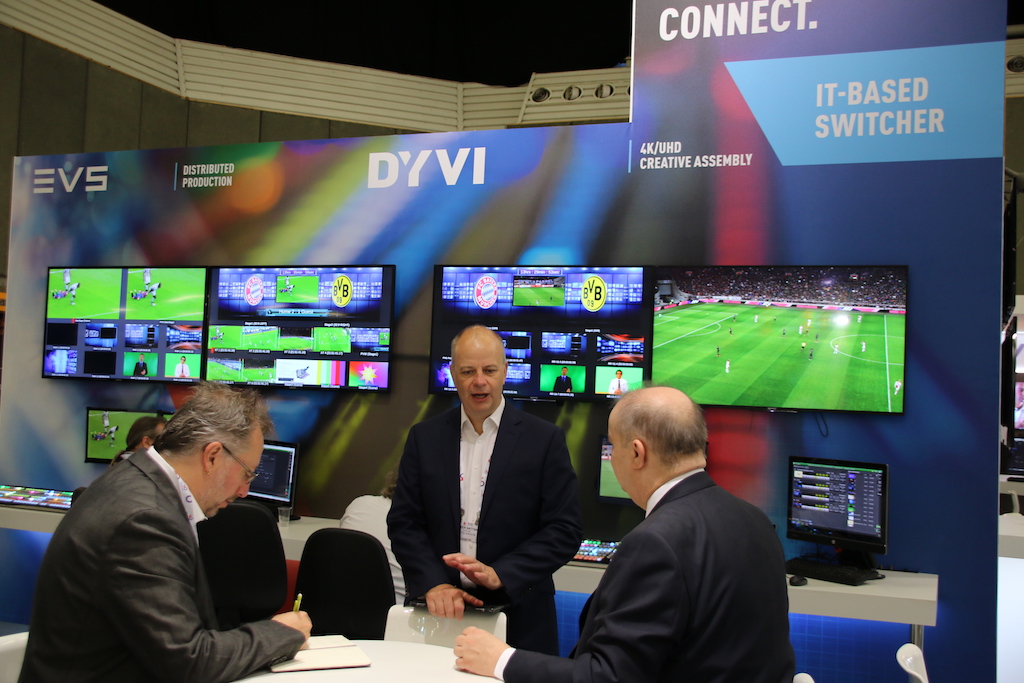
Durante IBC 2016, EVS actuó como un centro habilitado para IP, presentando flujos de medios en directo, que conectaban en directo diferentes estudios, salas de control central de emisión y usuarios. Al conectar el entorno en directo, la tecnología EVS permite una mejor narración de historias así como una experiencia de visionado enriquecida.
Nuevos servidores XT4K
EVS ha ampliado en este IBC su línea de servidores XT incorporando dos modelos 4K capaces de codificar un flujo 4K nativo con una misma arquitectura a 10 bits y soporte para alto rango dinámico (HDR).
The XT4K is a 4K production and playback server that uses uncompressed 12G SDI input and output ports and integrated IP input/output options to offer flexible new ways to design production facility infrastructures. The new UHD server will offer users the ability to build upon future engine software updates that enable even more flexible UHD/HD configurations through greater channel density options.
The XT4K offers users up to four 4K channels or eight HD channels and delivers HDR-capable live content via its native 10-bit XAVC-4K codec. The XT4K's flexible use of SDI and IP connections allows operators to use the server with native IP, traditional SDI or hybrid workflows. The XT4K is also built to support current and future SuperMotion cameras, as well as common native codecs that provide speed and flexibility.
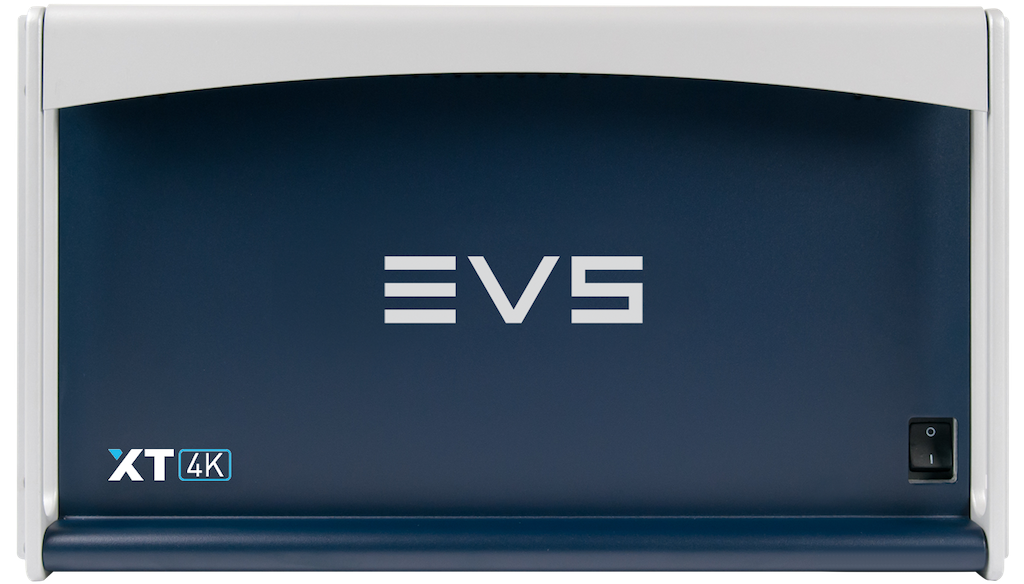 Based on the same proprietary loop recording as all EVS live production servers, the XT4K has the ability to reliably record over 130 hours of 4K-UHD content with the same speed and functionality as existing LSM playback and highlight production systems. It has never been easier to captivate audiences with higher quality images, allowing broadcast operators to tell better stories.
Furthermore, optimized to enable a smart transition to an IP-connected studio environment, the XS4K features hybrid SDI/IP technology. The server features a flexible four 4K channel and eight HD channel configuration that enables seamless capture and playback of multi-format content in studio operations.
EVS' XS4K is available in Quad-SDI or 12G-SDI configurations, while a new built-in XIP option enables simple integration with native IP workflows of future production infrastructure. Also based on EVS's unique loop recording, the new server supports the XAVC codec for 4K and will support AVC-Intra, DNxHD and ProRes codecs for HD workflows. Enabling simple media exchange with post-production workflows, the XS4K is perfect for a fixed studio production environment.
Marc Caeymaex subraya en esta entrevista la compra por parte de Mediapro de diez servidores XT4K de cara a cubrir grandes acontecimientos deportivos en toda Europa como LaLiga española.
C-Cast opens new opportunities
Como ha quedado patente en este IBC 2016, C-Cast, ya en su versión 3, se consolida como una plataforma de distribución multimedia basada en nube. Esta propuesta de EVS viene, además, a demostrar que mover contenidos a la nube aporta beneficios como disponer de un modelo de sindicación entre afiliados y espectadores.
With C-Cast's new syndication operation, digital media owners using this platform can grant regional rights holders, clubs/stadiums and sponsors access to content shared with Central C-Cast. This allows them to quickly create Video On Demand (VOD) packages with content that interests their respective audiences. Using an extensive publishing tool and C-Cast API, digital media teams can easily manage custom content collections for publishing to any partner or client application, providing a completely new fan experience.
Access to the IBC 2016 Special in Audiovisual Panorama
Did you like this article?
Subscribe to our NEWSLETTER and you won't miss anything.
Related articles
 Audinate: interoperability between the broadcast and AV universe, at IBC 2025
 Disguise launches X1, a portable version of Designer that allows you to create 4K content without media servers
 Interoperability and hybridization, keys to the imminent TSL showcase at IBC 2024
 Laguna (Sapec) demonstrates its interoperability with the RIST protocol at Vidtrans24
 Avid improves Pro Tools interoperability with Media Composer
 Phabrix QxL UHD-25G Delivers ST 2110 UHD Interoperability at NAB 2023
 Lawo successfully passes JT-NM interoperability test
 Tektronix, now with interoperability with AWS Media Services
 AIMS to demonstrate IP interoperability possibilities at NAB 2017
 Teracue announces full interoperability with Eyevis IP-Metawall
 Nevion and Artel complete interoperability tests
 More interoperability with Mosart Newscast Automation
 AXF gains ground in file interoperability
 Sogecable launches continuity with Harris' Nexio servers