





The feature film 'Safety' (Disney) gains efficiency and profitability thanks to DaVinci Resolve Studio
Desde la fotografía principal hasta la entrega final, la tecnología de Blackmagic Design permitió integrar un sistema de gestión de recursos digitales (DAM) innovador en el set.
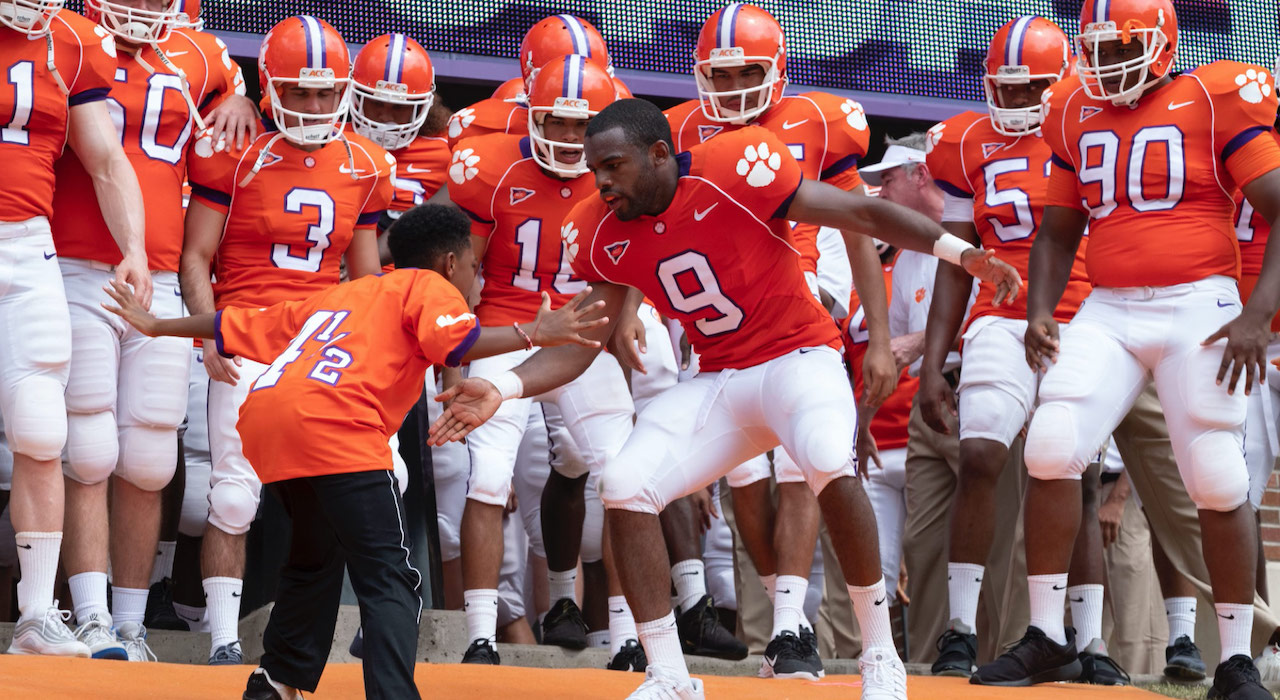
El largometraje de Disney, Safety , estrenado este mes en Disney+, utilizó una dinámica de trabajo basada completamente en DaVinci Resolve Studio of Blackmagic Design desde la fotografía principal hasta la entrega final, incorporando un sistema de gestión de recursos digitales (DAM) innovador en el set creado con mezcladores, grabadores, mezcladores y monitores de la empresa.
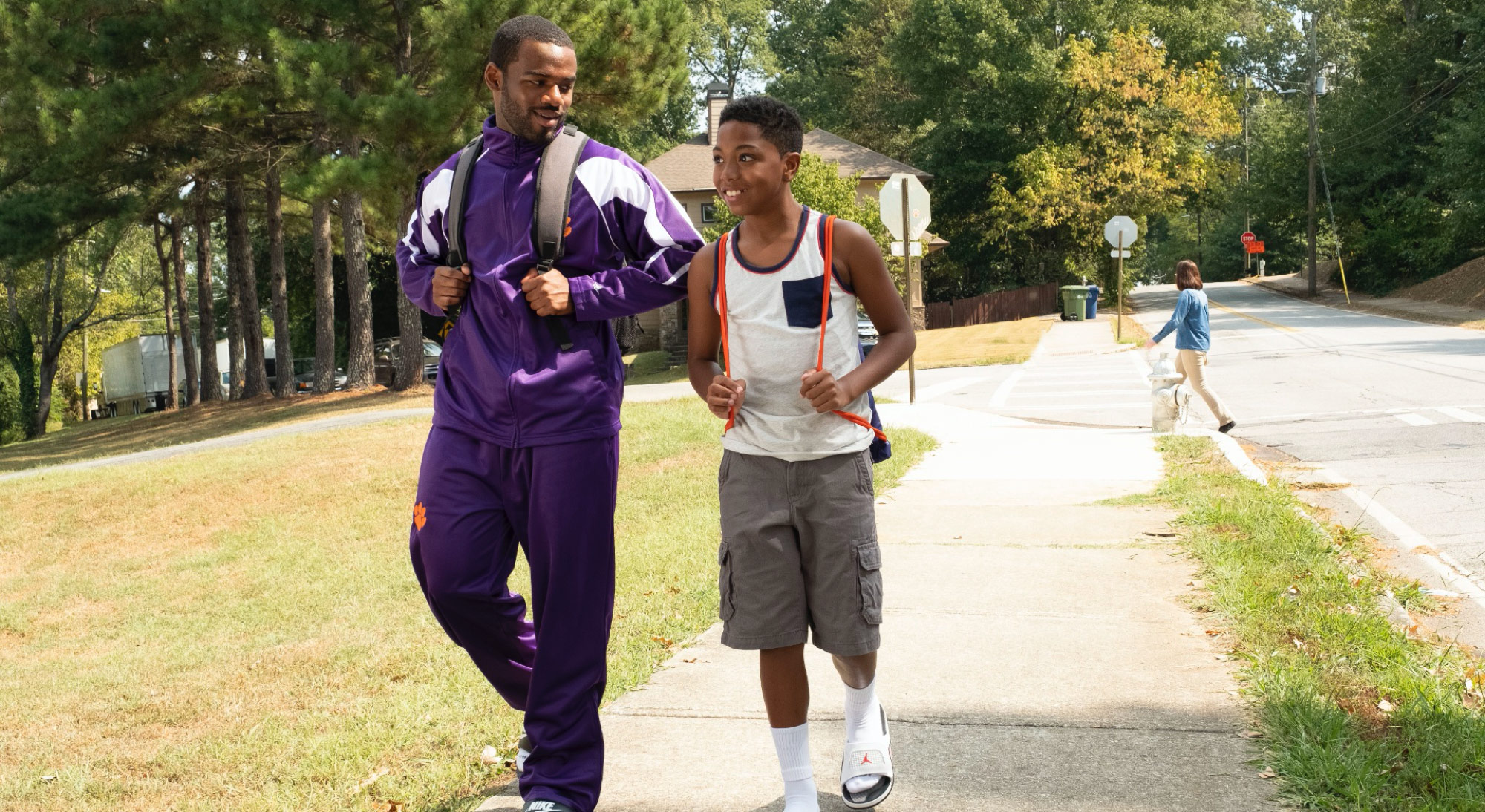
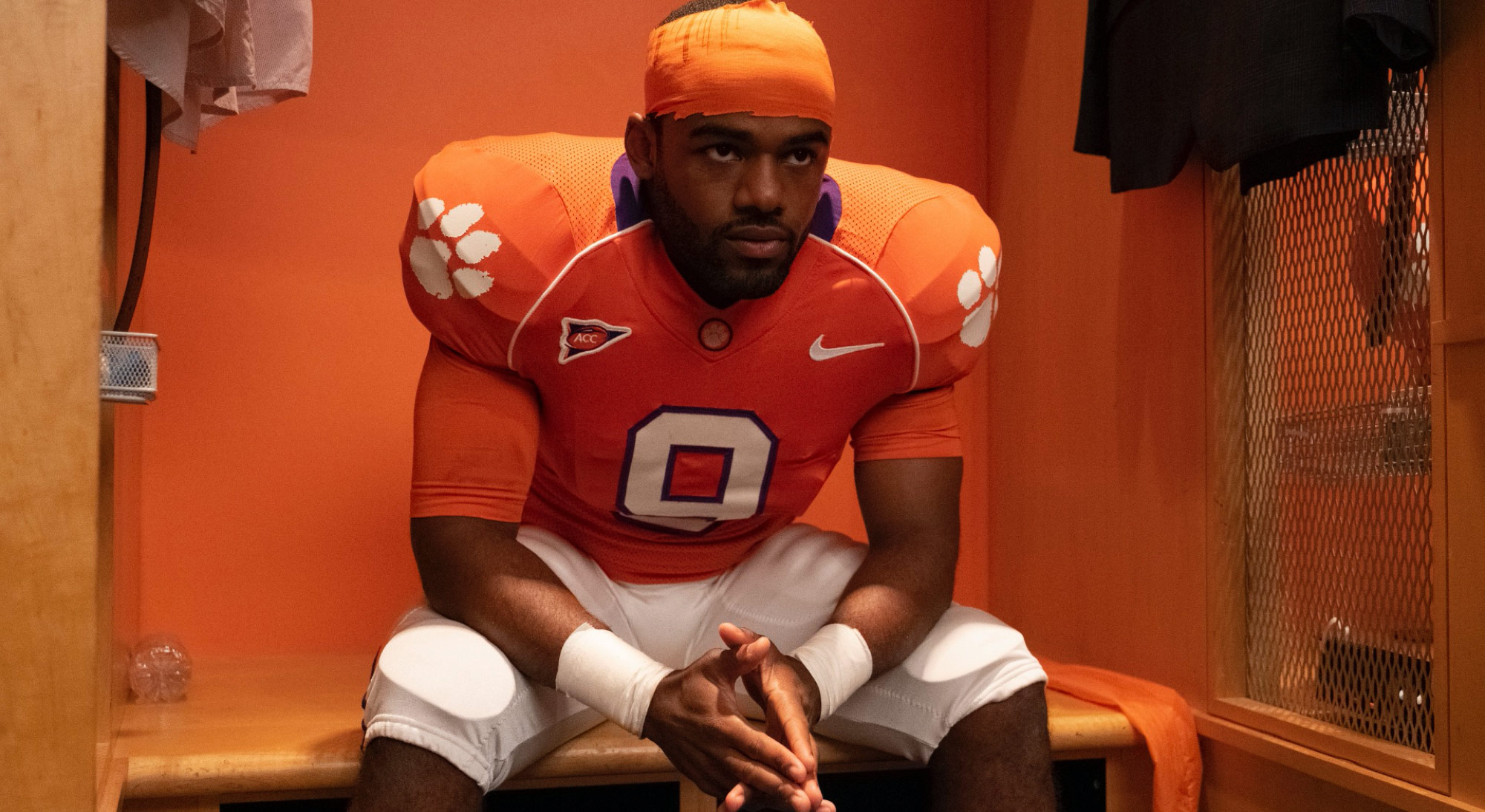
Safety es un drama inspirado en la sorprendente historia de Ray McELrathBey (Jay Reeves), ex jugador de fútbol americano en el equipo de la Universidad de Clemson, un joven que tiene que enfrentar distintas circunstancias complejas, y cuya dedicación y persistencia lo ayudaron a triunfar frente a reiteradas adversidades. Con la ayuda de sus compañeros y la comunidad de Clemson, logra tener éxito en el campo, mientras al mismo tiempo cría y cuida a Fahmarr (Thaddeus J. Mixson), su hermano de 11 años.
Incluso antes de la pandemia del 2020, la necesidad de ser lo más eficientes y rentables posibles, tanto en el set como en posproducción, ya era una prioridad y una obligación para los presupuestos más acotados. Doug Jones, productor ejecutivo, sabía que la solución práctica era mejorar la dinámica de trabajo desde un punto de vista tecnológico en el set y deshacerse de cualquier obstáculo innecesario entre el estudio y la posproducción, mientras que le permitía al equipo de edición colaborar de manera más eficiente con el de producción.
Un pionero en adoptar la tecnología, ya hacía años que Jones había sido uno de los primeros en el cine digital, y siempre sostuvo que había que prestarle atención y aceptarla. La dinámica de trabajo con el sistema DAM en la película se originó debido a que muchas de las herramientas empleadas en la teledifusión también son compatibles con las producciones cinematográficas. Jones comenzó a entender cómo DaVinci Resolve, junto con equipos integrados de Blackmagic en el set, brindaría un procesamiento optimizado todo el tiempo, y que no solo ahorraría tiempo sino también dinero.
 Junto con el director Reginald Hudlin, el responsable de fotografía Shane Hurlbut (ASC) y el editor Terel Gibson, el equipo describió cómo el procesamiento podría ayudar a lograr una producción más eficiente. “Hay un montón de cosas maravillosas que hemos creado durante más de 100 años en la producción cinematográfica que ya están demostradas, y uno no quiere reinventar la rueda”, comenta Hurlbut. “Y luego hay otras que surgen y parece que vamos a alterar el paradigma y cambiar de canal”. “Cuando Doug Jones me contó sobre este sistema de gestión de recursos digitales, y me mostró como unificaría por completo el proceso desde la preproducción hasta la posproducción, creí que era algo extraordinario”, añade.
El proceso que desarrollaron era simple y podía manejarlo una sola persona en el set. Cuando las cámaras de producción rodaban, los dispositivos HyperDeck Studio Mini comenzaban a grabar automáticamente desde el móvil DAM para capturar los contenidos en simultáneo, con el mismo código de tiempo, lo que permitía lograr una reproducción inmediata del material. Esa misma señal luego se etalonaba en el set con DaVinci Resolve en el momento, lo que facilitaba la visualización de imágenes con ajustes cromáticos en vez de en RAW format sin color.
En consecuencia, la reproducción ya etalonada estaba disponible de inmediato, con los copiones listos dos veces al día tanto en el set como a distancia, cuando se cargaban a los servicios en la nube. Las imágenes en directo y las tomas grabadas estaban disponibles al instante en todo el set gracias a mezcladores ATEM 1 M/E Production Studio 4K and devices Teranex Mini SDI Distribution 12G. El audio estuvo a cargo de la unidad Blackmagic Audio Monitor 12G.
Las personas responsables de tomar decisiones en cuanto a la posproducción podían tomar notas en los clips que pasaban por el sistema DAM que luego iban directamente a la etapa de edición. Incluso se agregaban las anotaciones del supervisor de guion en forma de metadatos, los cuales estaban disponibles de inmediato. Las tomas originales de la cámara se descargaron desde las tarjetas de almacenamiento directamente en discos RAID de alta velocidad, los cuales luego se entregaron al equipo de posproducción más cercano varias veces al día.
Hurlbut valoró la posibilidad de contar con una comunicación clara hasta en el estudio. “Tuvimos la posibilidad de rastrear todos los metadatos provenientes de las cámaras y añadirlos al sistema RAID, enviar tomas a Disney y mantener a todos en el mismo nivel de comunicación, con copiones diarios que hacían sentir que el estudio estaba bien conectado con la película”. El sistema integral brindó al equipo creativo, en todos los niveles, una sensación de participación, así como la capacidad de interactuar directamente, algo fundamental para Hurlbut.
“El sistema nos permitió involucrar al estudio en la toma de decisiones, debido a que podían ver los copiones en el día. Imagínate que rodábamos en Atlanta y procesábamos todo el material al mediodía y luego al finalizar la jornada. El estudio veía los copiones a las 4 de la tarde en la costa oeste, justo antes de terminar el día laboral. Podían hablar con Reggie, o con los productores. Lograron involucrar a todos, para que se sintieran con la posibilidad de expresar sus opiniones y como parte del proceso creativo”.
Editando desde el primer día
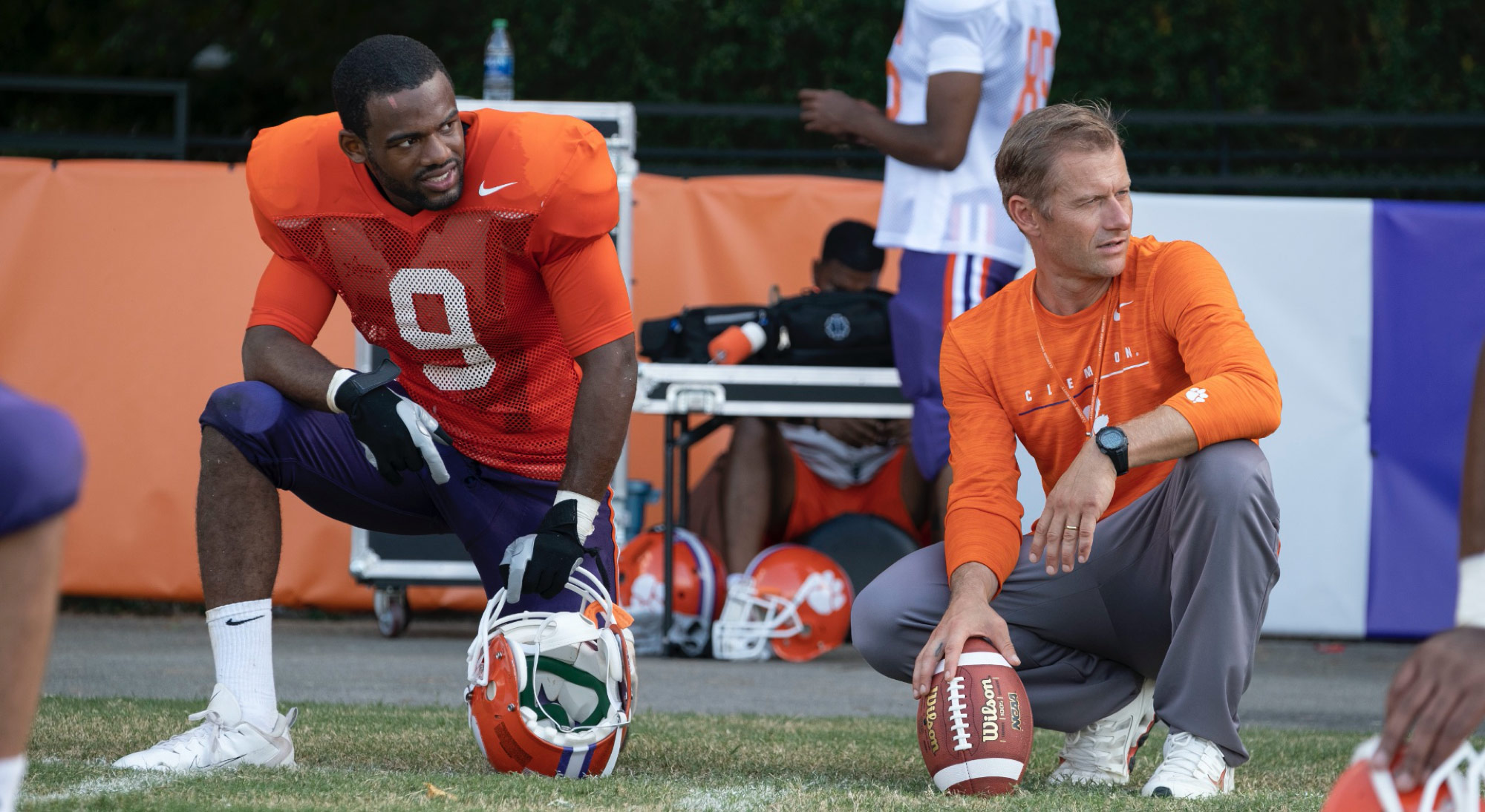
La edición comenzó el primer día, lo que facilitó un proceso único en simultáneo con la producción y la posproducción. El editor Terel Gibson llevó a cabo sus tareas en el mismo edificio que la producción. “Tuvimos la posibilidad de estar bien cerca de la cámara, lo cual fue genial”. Gibson editó Safety completamente en DaVinci Resolve Studio.
El proceso comenzó en el set, en el cual Michael Smollin, gerente de recursos digitales, sincronizaba el sonido con los archivos de las cámaras, añadía ajustes cromático sutiles y luego creaba una línea de tiempo, todo en Resolve. “Los copiones se entregaban desde el set y se importaban al sistema con mucha más rapidez que en una dinámica de trabajo tradicional. Al contar con archivos RAW, no era necesario transcodificarlos. Básicamente, estábamos en el laboratorio”.
 Rahul Das, asistente de edición de la primera unidad, consideró que el desafío de cambiar todo a Resolve fue muy positivo. “Estaba feliz de aprender sobre Resolve, dado que cada vez más es considerado como la opción predilecta para el montaje y la finalización de los contenidos, lo que elimina la necesidad de un laboratorio. Cuando comenzamos a trabajar en el proyecto, inmediatamente me llamaron la atención los distintos paneles de Resolve exclusivos para el etalonaje, el audio y los efectos visuales. En un principio, era un tanto abrumador debido a que, en un entorno de edición offline tradicional, solemos hacer trabajo de referencia temporal en lo que respecta a efectos visuales o diseño de sonido. En Resolve, incluso los efectos visuales más simples funcionan como una composición por crominancia con fondo verde, o la animación requiere cierto nivel de conocimientos. Pero gracias a que la interfaz es muy fácil de usar, la curva de aprendizaje fue rápida”.
Los copiones se podían ver en unas seis horas después del inicio del día, y una jornada completa de copiones estaba disponible y cargada unas 16 horas después de comenzar. La edición nunca se demoraba más de seis horas desde la grabación, lo que facilitó todo el proceso, al permitir cambios y notas en el momento, incluso en el estudio.
Aunque las herramientas en el set en general han permitido ajustes cromáticos básicos, el sistema de gestión de recursos digitales más avanzado brindó una respuesta más rápida y directa de alta calidad a los requisitos del rodaje, y con frecuencia ayudó a resolver problemas de inmediato. De modo similar, gracias a que los copiones estaban disponibles con suma rapidez para los ejecutivos en el estudio, los cambios en el etalonaje solicitados en el momento se podían aplicar al instante y luego se enviaban al estudio para su aprobación, lo que ofreció una capacidad de respuesta impecable e inmediata.
Con un plazo de entrega mucho más rápido, el equipo de edición pudo componer las escenas desde el día de rodaje hasta el momento de la entrega a edición, algunas veces creando el mismo montaje mientras se grababan las tomas. El montaje preliminar se solía evaluar al final del día o la siguiente mañana. “Nunca me sentí tan cerca de las cámaras como en este proyecto”, reconoce Gibson.
Durante el proceso de finalización del material, la colaboración fue todo un éxito; cada miembro del equipo trabajó desde el mismo set de datos RAW, así que todos ayudaron al resultado final. Cuando se aplicaban ajustes cromáticos a una toma, por ejemplo, los editores recibían una notificación al respecto, y podían ver los cambios de inmediato. “Sabíamos cuando alguien estaba etalonando una imagen, editando clips, añadiendo efectos visuales o diseñando el audio en una pista completa. Creó un canal de comunicación en el que todos participábamos”, concluye Hurlbut.
https://www.youtube.com/watch?v=m0j8O2swT5o
Did you like this article?
Subscribe to our NEWSLETTER and you won't miss anything.
Related articles
 ‘Y2K’ (A24) travels from digital to celluloid with DaVinci Resolve Studio
 Colorist Deidre (Dee) McClelland finishes the feature-length 'Memoirs of a Snail' with DaVinci Resolve Studio
 DaVinci Resolve Studio 19 provides a hundred updates
 'Moon Garden', from 35 mm to digital with Cintel and DaVinci Resolve Studio
 DaVinci Resolve Studio takes on the darkness of 'Barbarian'
 DaVinci Resolve Studio finishes ‘Ms. Marvel' with a very particular aesthetic
 DaVinci Resolve Studio, axis of the completion of 'Writing With Fire'
 ‘Don’t Call It Mystery’ (Fuji TV), etalonada con DaVinci Resolve Studio
 'Don't look up' (Netflix), graded with DaVinci Resolve Studio
 ‘The Green Knight’, etalonada con DaVinci Resolve Studio
 The third season of 'Brassic' (Sky), graded with DaVinci Resolve Studio
 Paramount graded 'Rocketman' with DaVinci Resolve Studio
 Oscar winner Claudio Miranda trusts DaVinci Resolve Studio and DaVinci Resolve Mini Panel from Blackmagic
 DaVinci Resolve 12 Studio is now available in the Apple Store