





Yamaha launches compact MSP3A reference monitors with Twisted Flare Port technology
El MSP3A se basa en el legado del popular MSP3 añadiendo nuevas características clave, incluyendo la tecnología Twisted Flare Port de Yamaha, que ofrece una gama baja aún más clara y ajustada, con una reproducción fiel en todo el espectro de audio.
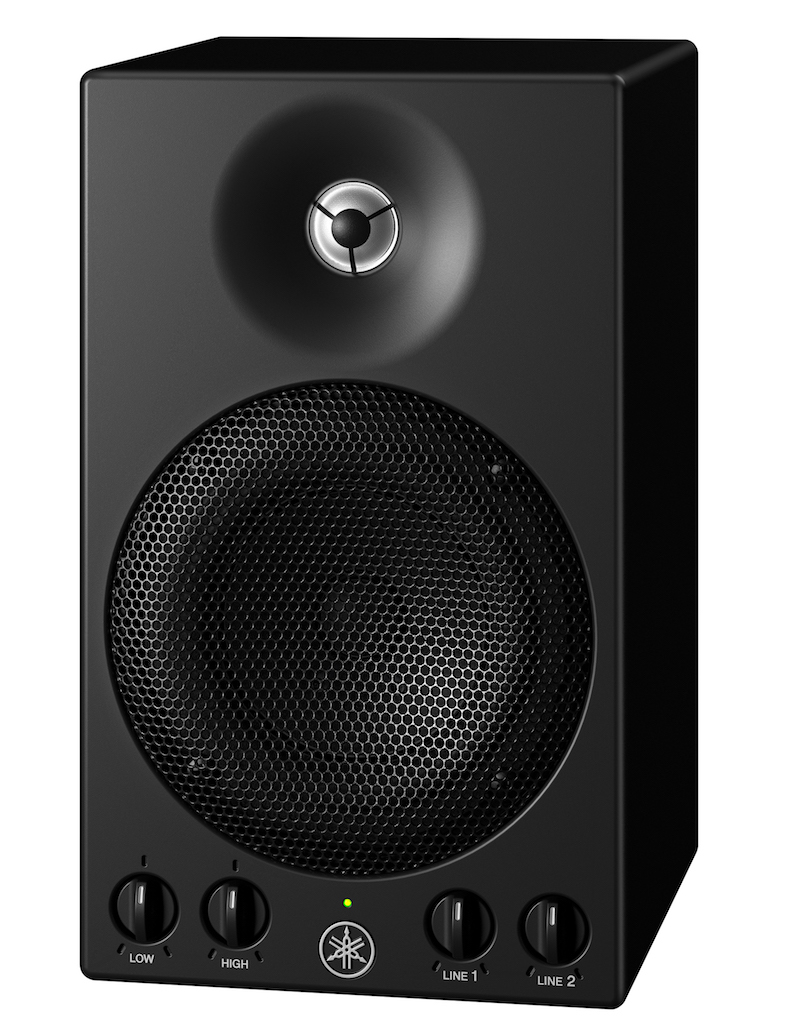
Yamaha incorpora a su gama de altavoces profesionales el nuevo monitor MSP3A que sigue la estela de fiel reproducción de sonido del popular MSP3.
El MSP3 de Yamaha ha sido hasta ahora clave en muchas aplicaciones diferentes, gracias a su gran calidad de audio, su tamaño compacto y sus convenientes controles montados en el frente. El MSP3A se basa en este legado añadiendo nuevas características clave, incluyendo la tecnología Twisted Flare Port de Yamaha, que ofrece una gama baja aún más clara y ajustada, con una reproducción fiel en todo el espectro de audio.
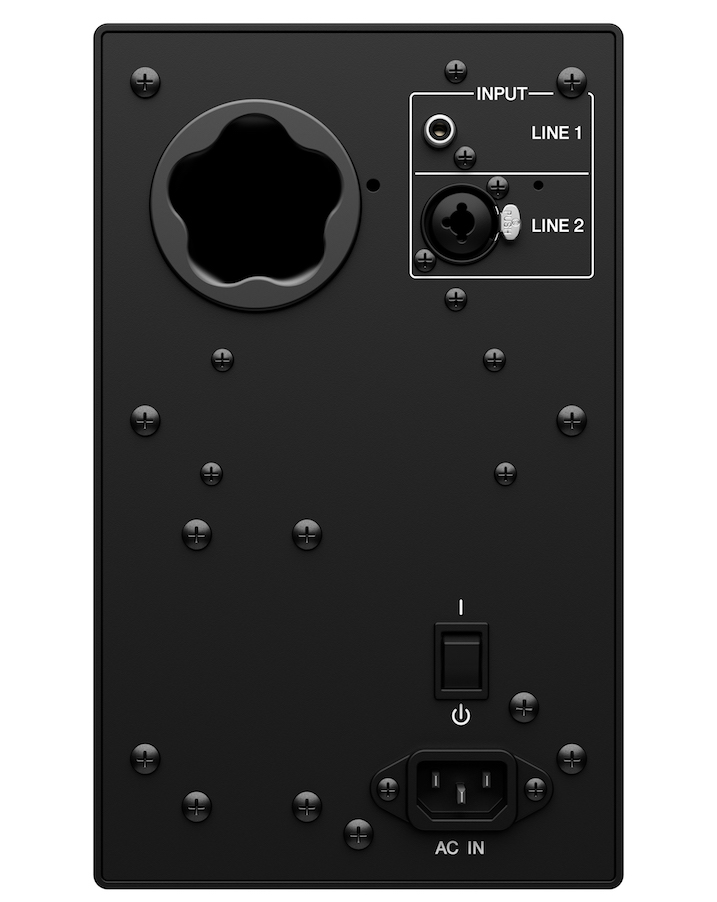 El amplificador de potencia de 22W incorporado está optimizado para la unidad de altavoces, que comprende un woofer de 10cm (4″ ) y un tweeter de 2,2cm (0,8″), para un sonido de referencia claro y natural. El compacto gabinete de 23,6 x 16,7 x 14,4 cm (9,3 x 6,6 x 5,7″) pesa apenas 3,6 kg (7,9 lb), lo que facilita su reposición y traslado a diferentes lugares.
Al igual que su predecesor, el MSP3A tiene múltiples conectores de entrada (RCA, XLR y 6,3 mm), controles de nivel and of tonos bajos y altos. Es compatible con una variedad de soportes opcionales, lo que lo hace adecuado para una amplia gama de usos. Estos incluyen el monitoreo de audio en escenarios de estudios, radiodifusión, suites de post-producción y otras aplicaciones comerciales, hasta el monitoreo de audio de instrumentos musicales digitales y ordenadores.
A rejilla metálica reforzada garantiza que el woofer goce de la máxima protección, lo que resulta especialmente útil para aplicaciones móviles y de gira.
Incluido en el MSP3A por primera vez en esta serie de altavoces, la tecnología Twisted Flare Port es una forma de control de sonido aerodinámico, fruto de la amplia experiencia en el desarrollo de subwoofers de Yamaha. Aplicando el análisis de sonido aerodinámico and the tecnologías de medición de visualización de flujo para localizar y controlar los mecanismos de generación de ruido, la turbulencia generadora de ruido en ambos extremos del puerto se suprime cambiando la forma en que el puerto se ensancha de la entrada a la salida y retorciendo el flujo de aire. La supresión de la turbulencia reduce el enturbiamiento del sonido y disminuye la cantidad de ruido generado en los extremos del puerto. Esto refuerza la conexión entre el sonido y el altavoz principal, entregando frecuencias bajas claras y ajustadas junto con una mejora en el tono y el ritmo.
Did you like this article?
Subscribe to our NEWSLETTER and you won't miss anything.
Related articles
 Canon launches new 4K HDR reference monitor and 4K PTZ camera
 Sony BVM-X300 OLED Reference Monitors Win Technical Emmy
 SmallHD expands its range of reference monitors with the new OLED 22 4K
 Yamaha launches new HS MP series self-powered monitors
 Sony presents the new generation of Trimaster 4K HDR reference monitors
 Sony debuts Trimaster HX series of 4K HDR reference monitors
 Yamaha HS-I Powered Studio Monitors Improve Your Versatility
 Itelsis launches the ICE series with more efficient, compact and connected emitters
 Harman launches new JBL 7 reference monitors
 Yamaha lanza la app MG Rec & Play para sus mezcladores MG
 Yamaha's HS range of studio monitors, now available in white
 Panasonic launches new compact single-chip DLP projectors
For-A launches a series of compact routing switches
Panasonic launches new compact single-chip DLP projectors
For-A launches a series of compact routing switches
 Focusrite VRM Box: emulación virtual de monitores de referencia y espacios