





Death and resurrection of the film negative
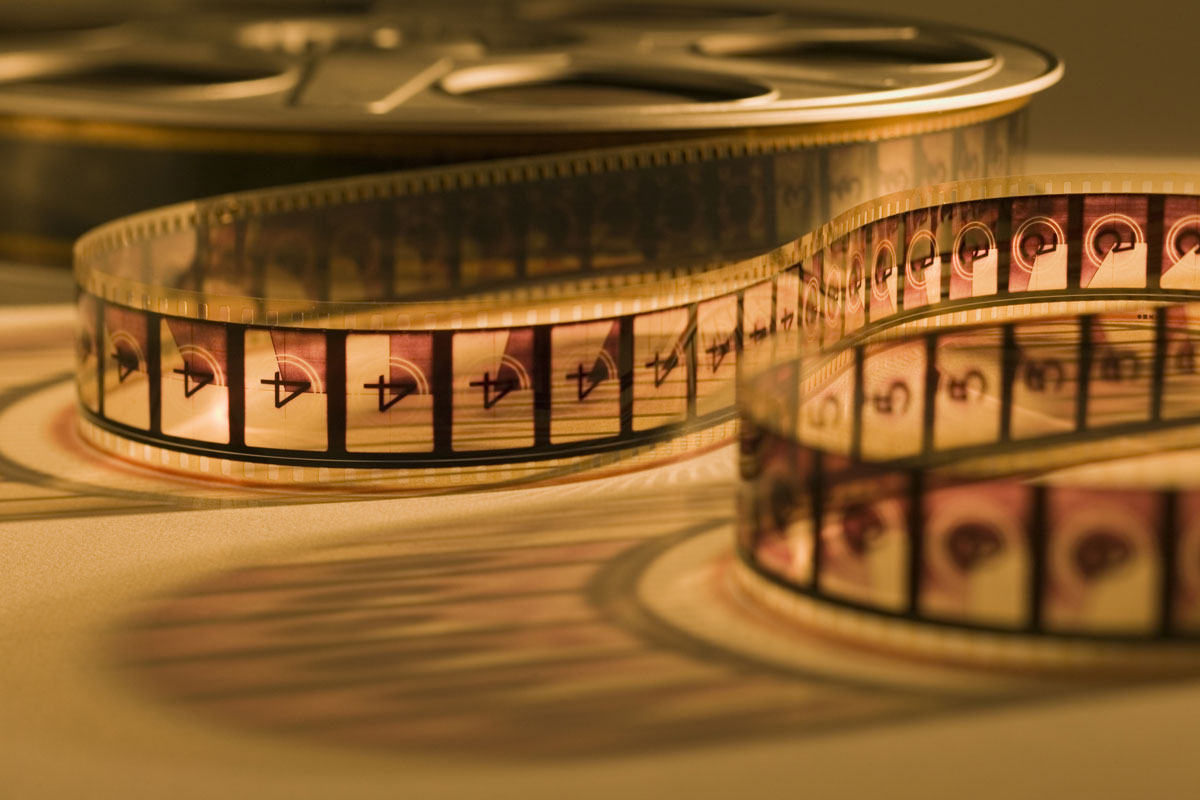

Jordi Bransuela, director de fotografía y director del Máster en Dirección de fotografía de la CHESS, reflexiona sobre el estado del negativo cinematográfico. ¿Estamos asistiendo a una resurrección?
A mediados de los años 90, recuerdo haber participado como operador de cámara en un cortometraje con una cámara “experimental” (no recuerdo ni la marca) que grababa en vídeo de alta definición (HD). Se nos vendió como el preámbulo del cine digital y la tecnología que iba a substituir al fotoquímico. Poco después y comentando el rodaje con Tomás Pladevall, referente técnico de nuestra generación y posterior mentor, explicaba que allá por los inicios de los años 80 ya había vivido una situación similar con una tecnología de video que se afirmaba iba a substituir a la película. No le dio ninguna credibilidad a la nueva “maravilla” tecnológica y nos dijo que era algo recurrente que sucedía cada cierto tiempo, algo así como el cine 3D (de eso hablaremos otro día).
 Ciertamente las predicciones de Pladevall se mostraron como ciertas más o menos hasta la aparición de la ARRI Alexa en el 2010. Estoy seguro de que en este punto muchos ya habrán dudado de mi memoria o conocimiento, y estarán gritando en su interior “… ¿y la F900? ¿Y la F35? ¿y la Panavision Genesis? Pero, y sobre todo, ¿y la RED ONE?!” Calma, calma. Es cierto que, previamente a la Alexa, ya hubo muchas cámaras que fueron utilizadas para rodar películas y que todas en su momento fueron la apuesta de alguien para substituir al fotoquímico. Pero seamos serios, ¿alguien con un mínimo de conocimiento fotográfico puede afirmar que la RED ONE, o cualquiera de las que he mencionado antes, podía competir seriamente con el soporte fotoquímico como medio de captura? Si vuestra respuesta es afirmativa, siento deciros que, para mí, clarísimamente no podían y que siendo cierto que eran cámaras que aportaban cosas y sobre todo conceptos (grabación RAW, curvas Log, gamuts de color ampliados…), estaban a años luz de las cualidades que era capaz de dar cualquier negativo cinematográfico.
Cuando hablo de cualidades, y entrando un poco en materia, hablaríamos de algunos conceptos elementales; conceptos nada exóticos y que cualquier persona sin necesidad de ser direct@r de fotografía podría ver claramente en una comparativa. Hablaríamos en primer lugar de la latitud de exposición, término directamente relacionado con el rango dinámico o capacidad de registro de la diferencia entre las altas luces y las sombras. La película negativa, por su comportamiento de tipo logarítmico en la captura (no lineal, con diferente respuesta según la intensidad) mostraba en determinadas emulsiones (sobre todo las de alta sensibilidad) una capacidad asombrosa de registro, pudiendo incluso superar los 13 puntos de rango dinámico. Eso permitía, por ejemplo, rodar en situaciones de luz muy extremas, con grandes contrastes de luz, con sobrexposiciones extremas y confiando siempre en aquello de “negativo quemado, negativo salvado”.
Antes de la ARRI Alexa, el rango dinámico “aprovechable” en digital (muy distinto del rango dinámico del fabricante) podía llegar en el mejor de los casos a los nueve puntos, haciendo de las sobrexposiciones algo sumamente peligroso y obligando al director de fotografía a saber muy bien donde “caía” cada luminosidad de la escena para evitar generar ruido por subexposición o quemados irrecuperables por sobreexposición.
Otro parámetro largamente aclamado por los defensores del fotoquímico se refería al registro del color, ya sea por la paleta de colores que nos ofrecía el negativo, como por la calidad del color reproducido. Podríamos seguir hablando de términos menos evidentes, pero igualmente importantes: la reproducción más natural de las altas luces, la mejor reproducción del color en la subexposición, la capacidad de ampliación del fotograma para pantalla grande… En definitiva, ninguna cámara digital anterior al 2010 eran capaz de soportar una comparativa con un negativo de color estándar, fuese Kodak o fuese Fuji.
 Momento del “click”
La mayoría de los directores de fotografía que hemos vivido la transición entre el fotoquímico y el digital (tanto en fotografía fija como en cine) recordamos el momento del “click”; el momento en que interiormente nos dijimos a nosotros mismos que ahora sí, que esa cámara que teníamos delante sí que era la definitiva, la primera que podía competir de tú a tú con la película y que lo iba a cambiar todo. Otros harán lo mismo en términos más épicos y hablarán del momento de la rendición (Xavi Giménez A.E.C, ¡cuántos magníficos términos y maravillosos conceptos he aprendido de ti!), momento vital en el que, después de haber sido valientes defensores de los valores fotoquímicos, debían rendirse a la evidencia y reconocer que la captura digital había llegado a un nivel capaz de competir con el fotoquímico.
Tengo a varios amigos en esta última categoría e incluso podría mencionar al último de ellos, el último que consiguió rodar una película en negativo, allá por el 2014, defendiendo a capa y espada la validez del soporte delante de la incredulidad del resto de la industria, que ya era totalmente digital. Para mí, y supongo que para muchos otros, ese momento fue el estreno de Heavy rain, película de James Bond estrenada en el 2012 y fotografiada por Roger Deakins con una ARRI Alexa Studio. En los 125 años de historia del cine, ha habido, a mi entender, tres grandes cambios o revoluciones. La aparición del sonoro en 1927, el nacimiento del cine panorámico en 1953 y la llegada de la ARRI Alexa en 2010. ¿Porque esto sí y la llegada del color o del intermediate digital (DI) no? Pues porque esto cambio la industria del cine por completo, en todo el mundo y para todos los presupuestos, haciendo que en dos o tres años se transformara totalmente el modo en que se rodaban películas.
Y la pregunta que quiero plantearos ahora es, ¿qué ha sucedido en la industria del cine para que 10 años después del cambio, cuando la industria ya ha hecho una transición total al digital, los rodajes con negativo vivan un auge espectacular en Europa y USA? ¿Qué explica este renacimiento del fotoquímico?
Soy parte de una escuela (ESCAC) donde siempre hemos creído en el negativo como método de aprendizaje, incluso en los tiempos más convulsos; allá por el 2015-2016, cuando parecía que incluso Kodak iba a desaparecer, nosotros nos mantuvimos firmes en nuestra apuesta por seguir rodando y enseñando a nuestros alumnos a través de la exposición en negativo. No es una cuestión meramente romántica, sino la certeza de que es el mejor método de aprendizaje para un futuro cineasta. El digital tiene muchas ventajas: por ejemplo, la inmediatez, la visualización en set, la posibilidad de rodar sin parar tomas larguísimas y de repetir sin necesidad de cortar la toma…
Todas estas ventajas se vuelven posibles inconvenientes cuando se trata de formar a alguien que tiene que aprender a optimizar el tiempo o a dominar un proceso técnico que vaya más allá de ver algo que le gusta en un display de referencia. Digamos que lo nuestro no era puro romanticismo o nostalgia del negativo: era un signo de identidad y por eso nos considerábamos al margen de la tendencia general del mercado. Esto no quiere decir que descuidáramos el proceso digital, pero siempre desde un acercamiento previo fotoquímico de control de los elementos.
Volviendo a ese periodo crítico, recuerdo hablar con algún compañero de la escuela de cuánto tiempo podríamos “aguantar”. Nuestra escuela se había convertido prácticamente en autárquica: teníamos cámaras de 35 y 16mm de última generación; teníamos al mejor mecánico de cámaras de Barcelona, ex de Camara Rent; habíamos comprado el mejor telecine que había en el mercado… En fin, solo necesitábamos que Kodak siguiese en pie y que alguien, aunque fuese en la otra punta de Europa (el último laboratorio español cerró en 2014), nos revelase el material rodado y nos lo devolviese para telecinarlo. Afortunadamente sucedió de esa forma y, además, hace dos o tres años, la tendencia empezó a cambiar: los rodajes en negativo en la industria empezaron a crecer de nuevo.
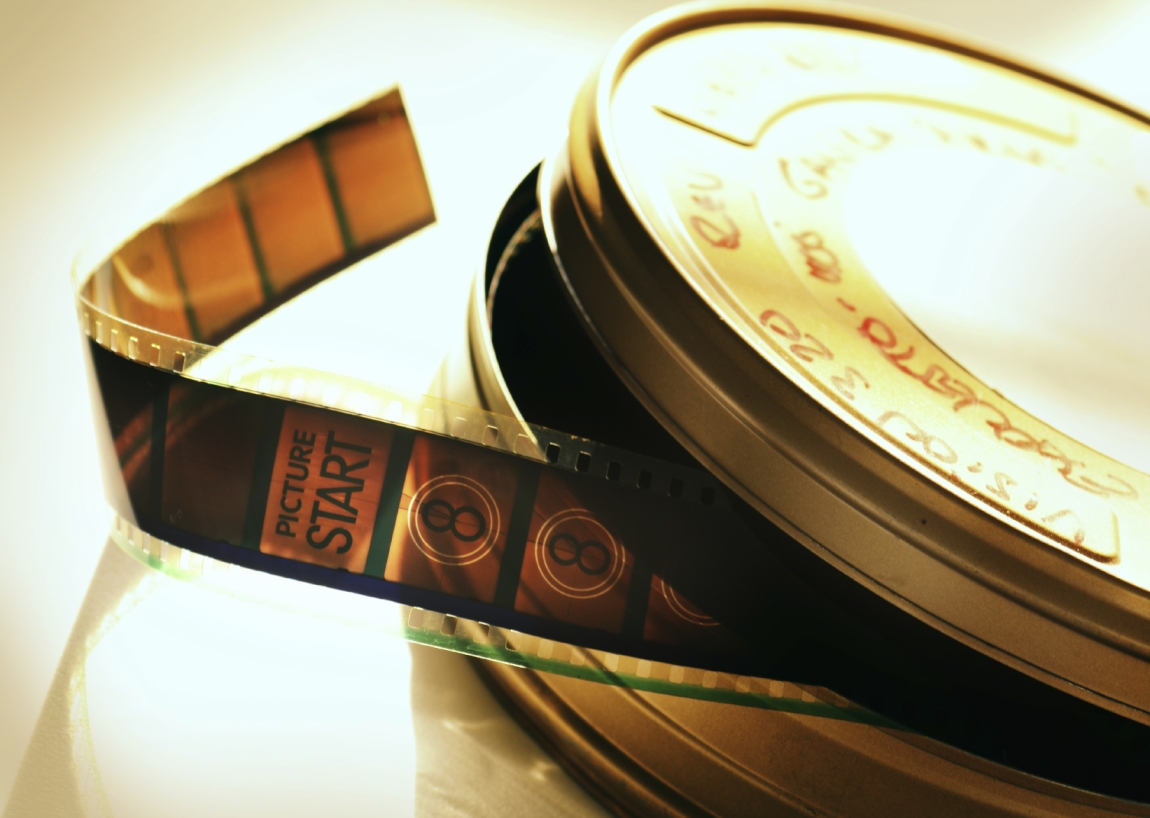 Ya no eran solo Tarantino o Nolan con sus grandes superproducciones, sino gente mucho más modesta que empezaba a apostar por rodar de nuevo en fotoquímico. Primero fue el 16mm, con videoclips, algún documental, películas indie y alguna publicidad. Poco a poco, fue volviendo también el 35mm, sobre todo en publicidad y finalmente también en largometrajes. Los precios de las cámaras de 16mm de segunda mano se dispararon de nuevo y era evidente que algo estaba pasando. Todo el mundo quería rodar cosas en negativo y, desde la escuela, notábamos ese auge con más demanda que nunca para nuestro Máster en dirección de Fotografía, basado en ese aprendizaje del que os he hablado antes. Ese boom se mantiene hoy en día e incluso os diré que estamos quizá en el momento más alto desde 2012. Esto último lo digo no solo por lo que he podido leer, sino por conversaciones que he podido tener con Rodrigo Ruiz Tarazona, director de Cinelab Rumanía y gran conocedor de todo lo que se rueda en Europa y de cómo se rueda. Ahora mismo me habla de una verdadera explosión de rodajes en negativo y me enumera al menos seis producciones de gran nivel que van a pasar por sus instalaciones de revelado. Han pasado de revelar documentales, películas indies y publicidad, a revelar series y películas de gran formato. La industria ha vuelto. La pregunta es ¿por qué?
Hace tiempo que voy reflexionando sobre este tema y sobre otros similares (por ejemplo, el uso de ópticas vintage o el uso de formatos analógicos de video, etc.) y tengo mi propia teoría al respecto. Todo cambio drástico en la tecnología tiene un momento eufórico inicial, donde hay un enamoramiento absoluto por lo que viene y una defenestración total por el modelo anterior. Con el digital, ese enamoramiento ya hace 10 años que dura, y en muchos casos todavía sigue intacto. El digital ofrece unas ventajas enormes para la mayoría de los rodajes actuales. Rodajes cada vez más rápidos, donde la media fluye prácticamente desde el set de rodaje a una nube donde el montador tiene acceso a ella al mismo tiempo que se está grabando; donde la visualización es maravillosa y nos permite etalonar directamente en el set; donde tenemos una resolución monstruosa que nos permite llenar pantallas cada vez más grandes y reencuadrar a voluntad… El digital no tiene rival… ¿o sí?
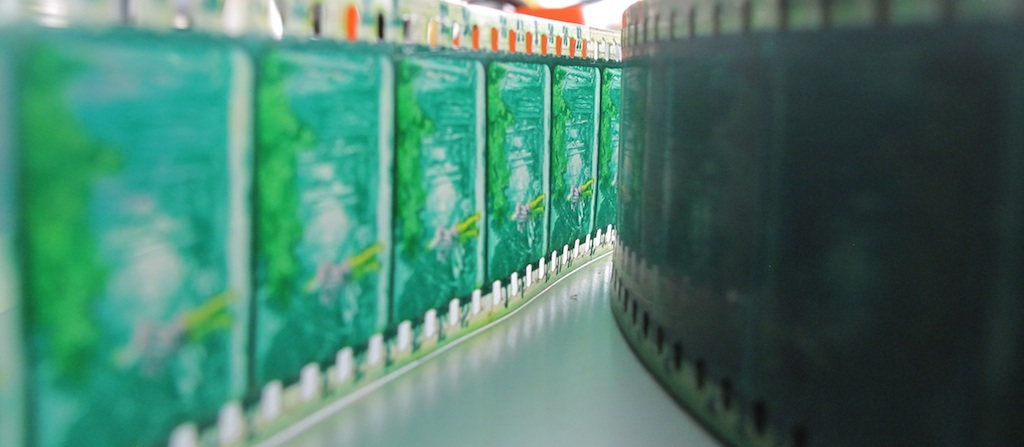
La imagen digital
Hemos visto que el digital tiene sobre el papel unas enormes ventajas respecto al fotoquímico (sobre todo logísticas), pero hay una cosa que el 99% de los directores y directores de fotografía no soportan: tener la llamada “imagen digital”. ¿Y a qué llamamos “imagen digital”? Englobaría varios conceptos en uno más amplio, yendo de una imagen perfecta, estática (sin ruido ni movimiento interno por el grano), con un altísimo nivel de detalle, capaz en muchos casos de reproducir una imagen muy, muy real a otro extremo, reproduciendo colores electrónicos y irreales con una representación de las altas luces poco natural, con una imagen “crispada” por la representación de los bordes de los elementos de la escena y la compresión, haciéndola, en definitiva, muy poco atractiva. Paradójicamente, las dos podrían clasificarse como imágenes “digitales”: una por ser extremadamente limpia y perfecta, y otra, por justo lo contrario, obteniendo una imagen deficitaria con problemas derivados de la captura digital de baja calidad.
¿Y por qué ese rechazo? En el caso de la captura de baja calidad es evidente, ¿pero y en la imagen perfecta y impoluta? Pues, básicamente, porque el negativo cinematográfico ha sido el soporte de captura durante todo el siglo XX, construyendo un marco estético colectivo, aceptado tanto por creadores como por espectadores, primero en B/N y posteriormente en color. Ese marco tenía y tiene unas características visuales que son las que en muchos casos seguimos buscando, aunque nuestro soporte de captura sea digital (añadimos grano, suavizamos las imágenes con filtros y ópticas vintage, ponemos LUTs de emulación de color fotoquímico…)
Hay quien compara el negativo con la pintura, quizá por el hecho de ser los dos métodos substractivos, por sus colores pigmento, por su falta de nitidez comparable al trazo, por el grano de su imagen equiparable a la textura del lienzo… y esa misma comparación sirve también para simbolizar la singularidad del método y quizá su principal diferencia respecto a lo electrónico y digital. Lo orgánico e imprevisible contra lo binario y mil veces reproducible.
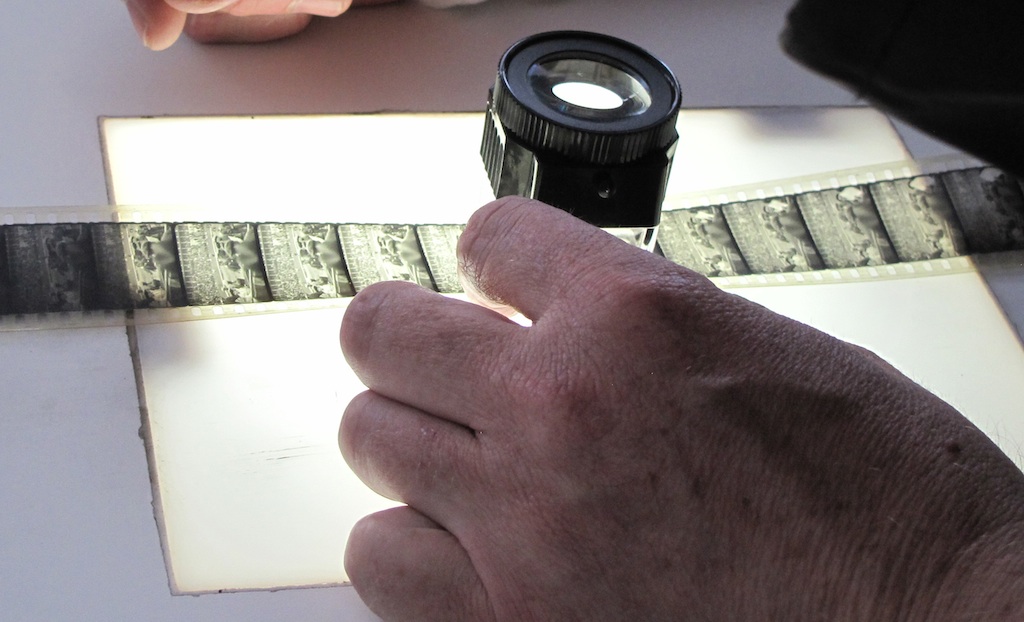 Aunque hay otras razones que se podrían argumentar, desde mi punto de vista, la razón anterior es la principal explicación de este nuevo auge fotoquímico: hay cierto cansancio por parte de algunos creadores de la llamada imagen digital. Los directores y los directores de fotografía siempre han buscado tener una imagen única y propia que les diera un valor de producción y una singularidad. Sus herramientas para hacerlo siempre han sido las mismas: la luz, las ópticas, los filtros, el etalonaje y, en tiempos del fotoquímico, la elección del negativo y su procesado. Es cierto que todos hemos desarrollado y adaptado nuestros propios métodos para “personalizar” la imagen generada por una cámara digital y hacerla más “orgánica” o imperfecta, pero quizá algunos han empezado a pensar que por qué tanto esfuerzo en disimular algo, si la solución más efectiva era simplemente usar el soporte al que intentaban emular. A diferencia de hace cinco años, rodar en fotoquímico tiene más prestigio que nunca y es incluso signo de singularidad y opulencia de producción… De hecho, ¡no todo el mundo se lo puede permitir! Grandes superproducciones americanas vuelven a escoger el negativo como formato de captura, para después escanearlo y seguir el proceso habitual.
La Alexa sigue siendo maravillosa, pero para muchos ya es sinónimo de poco riesgo, de una paleta de color concreta y conocida, de una textura demasiado limpia… Hay cámaras que pueden competir con la Alexa (por fin), pero incluso esas cámaras no son tan distintas de la propia Alexa. Si queremos algo realmente distinto tenemos que optar por el negativo cinematográfico, así de claro. Como quien pinta en acrílico y se pasa al oleo, todo es pintura, pero son pigmentos distintos y te dan cosas distintas. Esa podría ser una buena comparación.
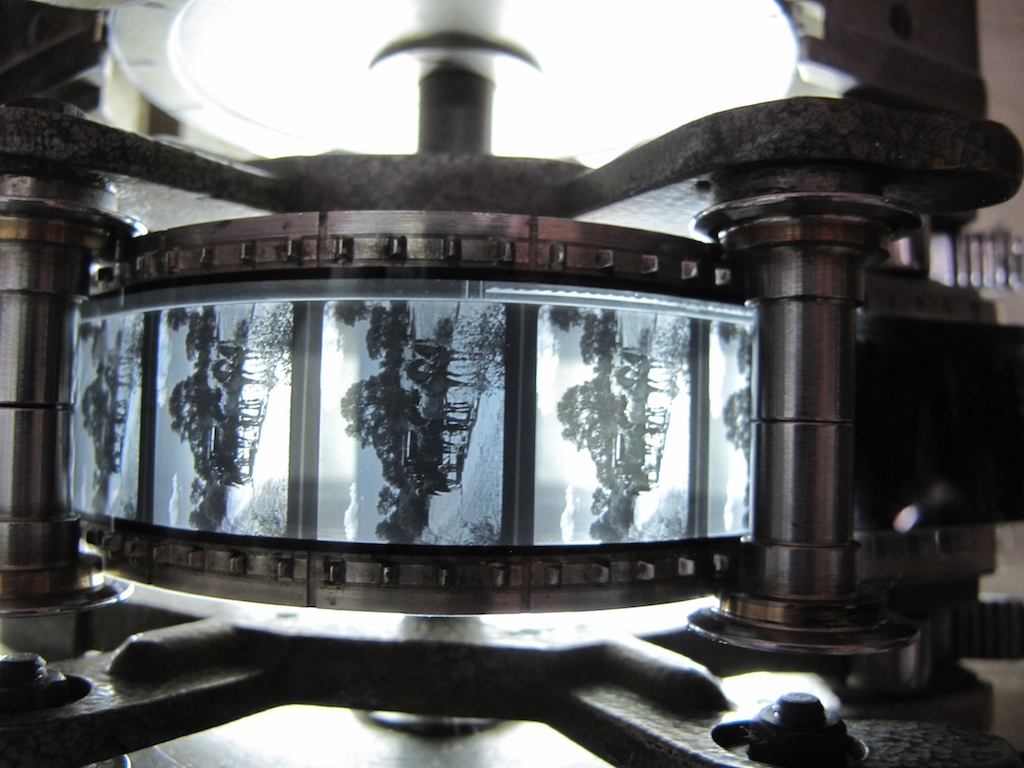 Durante años no entendí a aquellos que se alegraban de la posible desaparición del soporte de captura fotoquímico. Había una guerra declarada entre los partidarios de un bando y de otro, y sus batallas eran seguidas en foros y revistas por todo el colectivo. Mi postura ha ido modulándose durante los años, pero de lo que sí estoy muy seguro es que, quien se haga llamar director de fotografía, tiene que defender la coexistencia de los dos formatos. La riqueza que nos aporta poder seguir rodando en negativo para determinados proyectos es algo a lo que no deberíamos renunciar. De igual forma, hay proyectos en que solo la captura digital tiene sentido, por tanto, ¡qué mejor opción que poder escoger!
Si la captura del negativo se acaba normalizando de nuevo y los precios del revelado y escaneo se mantienen competitivos, puede que el negativo tenga una oportunidad. Quién sabe: si esto continua así, puede que pronto veamos un nuevo negativo Kodak Vision 4 o incluso una nueva ARRI de 35mm. Puestos a soñar…
El negativo está más vivo que nunca y espero y deseo que no sea un estertor de última hora, sino que sea realmente la apuesta de un colectivo convencido de mantener un formato magnífico, que lógicamente tiene sus desventajas y diferencias respecto al digital, pero que justamente eso es lo que realmente lo hace atractivo, dándonos cosas a nivel de imagen que ningún formato digital nos puede proporcionar.
Jordi Bransuela
Director de Fotografía y colorista.
Dirige desde hace 3 años el Máster en Dirección de Fotografía de la CHESS, donde desarrolla también su faceta docente, algo que le apasiona y que le permite seguir aprendiendo y experimentando cada día.
Did you like this article?
Subscribe to our NEWSLETTER and you won't miss anything.
Related articles
 Color for life and death: grading of 'The Room Next Door' (Pedro Almodóvar)
 The resurrection of 'Peking Express' (Max): challenges of an unpredictable format
 Movistar Plus+ and DLO Producciones film the series 'Second Death' in Cantabria
 Dani de la Orden shoots 'A muerte', a new Atresplayer original
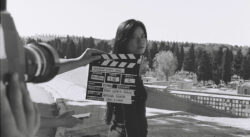 Armand Rovira prepares 'Woman bites dog', a 16 mm black and white expired negative film
 Paco Plaza recovers the universe of 'Verónica' with 'Sister Death', a new feature film produced by Netflix
 Justice recognizes that the death of José María Íñigo was related to the asbestos in Prado del Rey
 Caracol Television is mourning the death of Luis Calle
 Movistar+ estrenará el 13 de septiembre ‘En el corredor de la muerte’, nueva ficción de Bambú
 El peso mundial del mercado cinematográfico iberoamericano es del 11%
 LiveU permite cubrir de inmediato desde Sudáfrica la muerte de Mandela
 'La Dama y la Muerte', winner of the VII International Digital Animation Contest
 Calculate the negative for a shoot with an iPhone
 Final Destination 4: death in 3D… shot with the Sony F23 and F950