





Blackmagic's Cintel scanner, used to digitize hundreds of hours of 'Playing with Sharks'
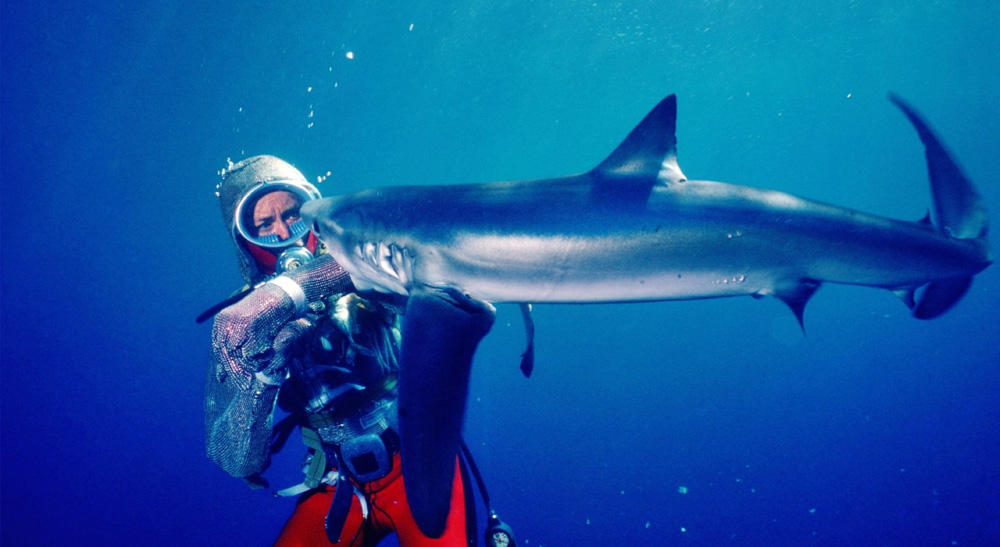
Dozens of hours of footage recorded by naturalist and filmmaker Valerie Taylor were digitized with the Cintel C-Drive HDR scanner. Blackmagic Design to shape the documentary Playing with Sharks: The Valerie Taylor Story.
The film, produced by Bettina Dalton of WildBear Entertainment and directed by Sally Aitken, tells the story of the renowned marine, who went from spearfishing champion to passionate shark protector and underwater filmmaker.
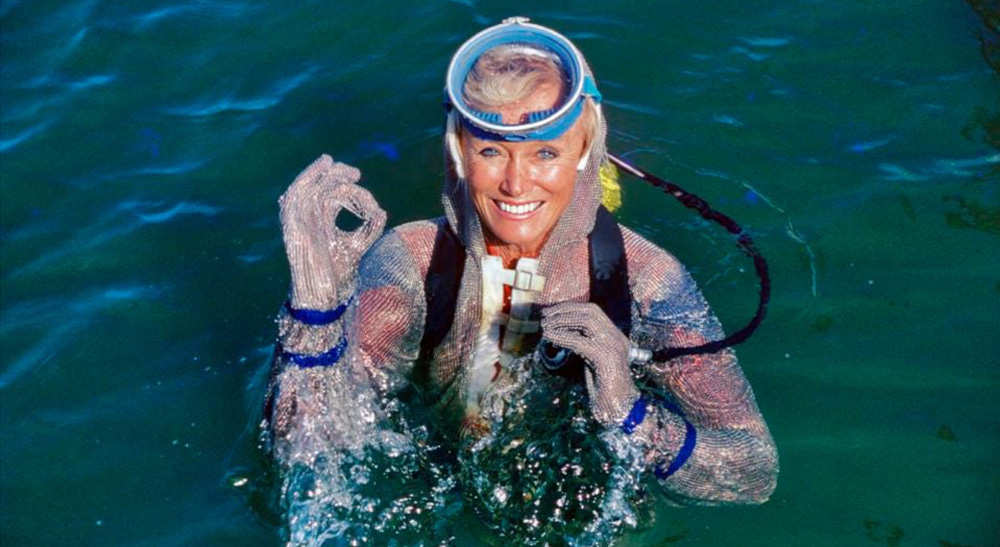
Playing with Sharks premiered in this edition of Sundance Dinner Festival and has been awarded the best documentary award at numerous international festivals. As a prolific underwater filmmaker and star of many films and series, Taylor recorded, in different formats and types of tape, hundreds of hours of incredible images with sharks and other marine organisms from the 1960s to the first decade of this century.
Hours and hours of content
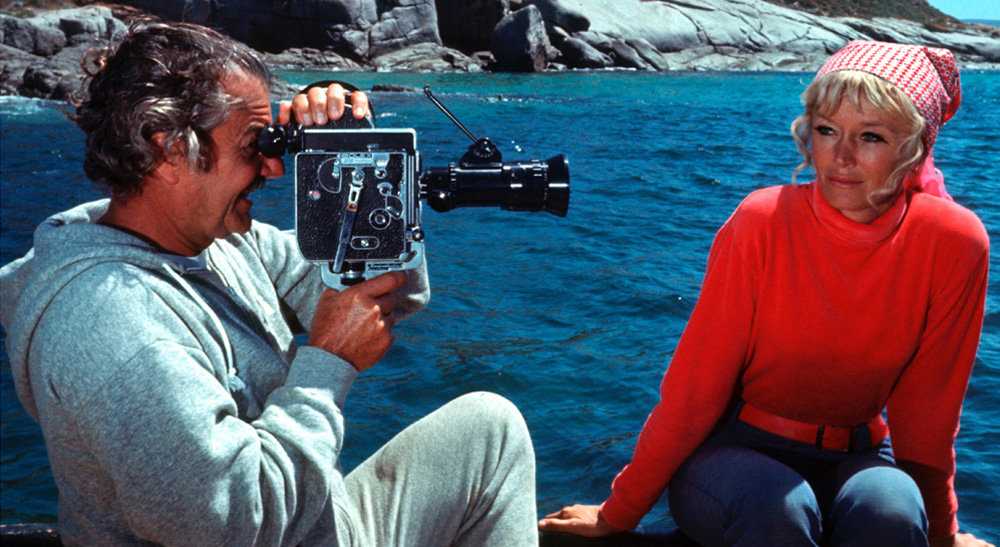
The producer Bettina Dalton faced more than 200 hours of footage and a wide variety of film formats, ranging from 35 mm a 16 Ektachrome de Kodak, as well as some tapes of Fuji and black and white images.
"Valerie's husband, Ron Taylor, was an extraordinary cameraman, especially if we take into account that he often filmed holding his breath with sharks around and on 100 and 200 foot rolls of film that had to be recharged on the surface. It is extraordinary what they were able to achieve. [...] We had a treasure of recorded material, and the Cintel scanner was the main tool for digitizing and preserving the story," the producer notes about the material used to create the film.
Cintel Scanner
Dalton and his team decided to use the Cintel scanner to digitize hundreds of hours of film, which were then converted into 47 minutes of footage used in the documentary. The solution of Blackmagic allows you to digitize tapes in real time 35 mm and 16 mm at a speed of up to 30 f/s, which made it possible to streamline all file search and processing processes.
In addition to the Cintel scanner, the documentary's colorist, Angela Cherries, employment DaVinci Resolve Studio for grading the film, which allowed him to maintain the authenticity of the original material while achieving continuity in the film.
Did you like this article?
Subscribe to our NEWSLETTER and you won't miss anything.
Related articles
 ITV Content Services highlights its classics with the Cintel G3 HDR+ scanner
 Egypt's cinematic treasures come to life with the Cintel G3 HDR+ scanner
 Bolivian Cinemateca Foundation restores its historical collections with a Cintel scanner
 Blackmagic's new Cintel G3 HDR+ scanner digitizes UHD HDR images in real time
 Blackmagic’s Cintel scanner used to digitize hundreds of hours of ‘Playing with Sharks’ footage
 Cintel scanner and DaVinci Resolve make it easy for the French Athenaeum in Tokyo to restore its funds
 Afinal Filmes restores Brazilian feature films and Hollywood silent films with the Cintel scanner
 Playing For Change and LivestreamBCN broadcast live with Blackmagic Design equipment
 The Cintel scanner allows the recovery of archival material for the documentary 'George Michael: Freedom'
 Blackmagic will incorporate a code reader and audio in its Cintel scanner
 Tokyo Laboratory (Togen) installs new Cintel film scanner
The Cintel scanner and the Ursa camera awarded at the 2015 edition of the IDEA Awards
Tokyo Laboratory (Togen) installs new Cintel film scanner
The Cintel scanner and the Ursa camera awarded at the 2015 edition of the IDEA Awards
 Blackmagic will market the legendary Cintel scanner for less than $30,000
 Cintel will demonstrate the new 6K version of the DiTTo scanner at NAB 2012