





Tokyo Laboratory (Togen) installs new Cintel film scanner
Con una trayectoria de más de 60 años y todo un referente en Japón, Togen, gracias al escánder de Blackmagic, ofrecerá a sus clientes la posibilidad de digitalizar contenidos con definición UHD en tiempo real.
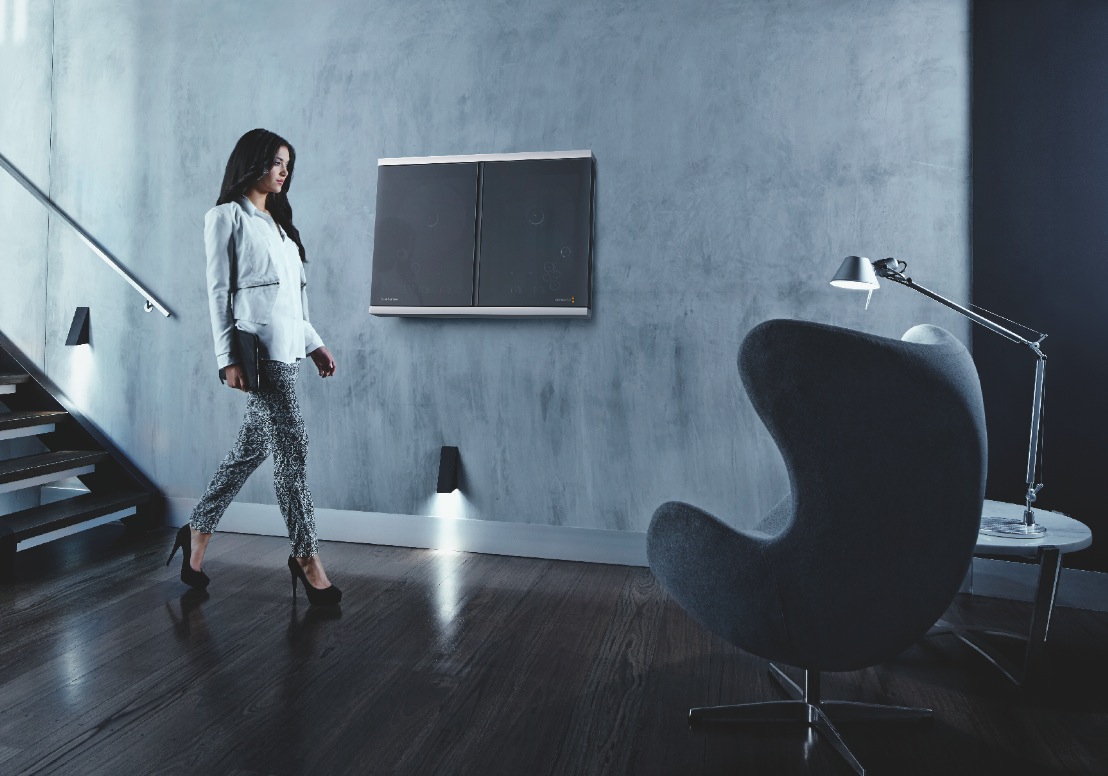
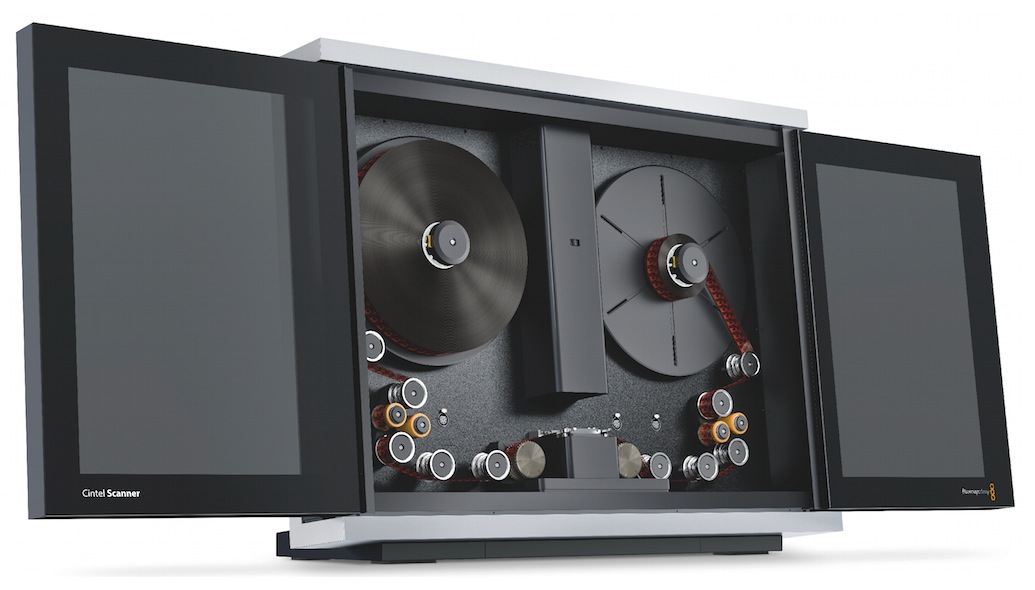
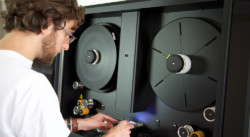
El laboratorio Tokyo Laboratory LTD (Togen), con una trayectoria de más de 60 años y todo un referente en Japón, ha instalado el nuevo escáner de películas Cintel desarrollado por Blackmagic Design para ofrecer a sus clientes la posibilidad de digitalizar contenidos con definición UHD en tiempo real.
Togen brinda asimismo una amplia gama de servicios avanzados que permiten editar, etalonar y masterizar el material grabado en formato DCP, así como otros más tradicionales que incluyen el revelado, la sincronización y la impresión de películas.
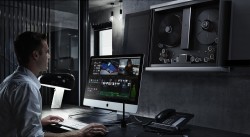
Naoki Moriizumi, gerente del Departamento de Digitalización en Togen, reconoce que “buscábamos un reemplazo para el sistema que se utiliza actualmente. Cintel no solo es capaz de escanear contenidos en tiempo real, sino que también permite capturar las imágenes y el audio, de modo que podemos utilizarlo como un telecine. Además, al emplearlo en forma conjunta con DaVinci Resolve Studio, podremos trabajar de una manera más eficiente”.
El colorista Yasuhiro Matsumoto sostiene que “una de las ventajas de Cintel es su compatibilidad con películas de tres perforaciones. En la actualidad, este formato se utiliza muchísimo en intermedios digitales y anuncios televisivos. En un rodaje común, se emplean películas de cuatro perforaciones, pero para los contenidos que se entregan en forma digital, grabamos en cintas con tres perforaciones. Además, Cintel puede sincronizarse para dirigir una fuente de luz hacia el centro del fotograma, incluso mientras se realiza el proceso de escaneado. Por otra parte, no hay distorsión alguna, ya que la película se mantiene sobre una superficie plana al digitalizarla. Resulta muy útil poder obtener contenidos en formato 30p con una definición UHD sin tener que realizar una gran inversión”
“El dispositivo es muy fácil de usar. Se ha diseñado de forma tal que si se comete un error al cargar una cinta, el usuario recibe un mensaje de advertencia y la película no se tensiona. De este modo, es posible evitar daños en los negativos”, añade.
Control de negativo
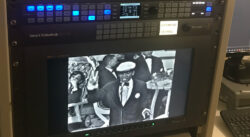
Katsuji Nishino, gerente general del Departamento de Imagen y Medios en Togen, destaca que “uno de los servicios que ofrecemos consiste en revelar los negativos. Usamos un telecine HD para verificar las cintas reveladas. Generalmente, las películas ingresan durante la noche y entregamos el material revelado al final del día siguiente. Antes teníamos que detener el dispositivo cada vez que queríamos comprobar la calidad del material, lo cual no resultaba eficiente. Así que comenzamos a buscar equipos en alta definición que permitieran controlar los negativos, y vimos el escáner Cintel durante la feria Inter BEE el año pasado. Este producto nos permite supervisar las imágenes durante el proceso de digitalización mediante el monitor HD”.
Otra de las ventajas que el equipo de Togen aprecia es la capacidad de incluir un sistema de identificación o “KeyKode” en las imágenes que se utilizan en la edición offline. “Actualmente digitalizamos la cinta en el telecine HD, luego añadimos los números identificatorios mediante Resolve, y finalmente exportamos el material en un archivo QT. El escáner Cintel nos permitirá dinamizar nuestro proceso de trabajo, ya que podremos capturar las imágenes directamente desde Resolve”, concluyó Nishino.
Did you like this article?
Subscribe to our NEWSLETTER and you won't miss anything.
Related articles
 ITV Content Services highlights its classics with the Cintel G3 HDR+ scanner
 Egypt's cinematic treasures come to life with the Cintel G3 HDR+ scanner
 Midwest Film launches into the digitalization of films with Cintel
 The Japan Archive prepares its films to make the leap to streaming with Cintel
 Bolivian Cinemateca Foundation restores its historical collections with a Cintel scanner
 Blackmagic's new Cintel G3 HDR+ scanner digitizes UHD HDR images in real time
 Blackmagic's Cintel scanner, used to digitize hundreds of hours of 'Playing with Sharks'
 Cintel scanner and DaVinci Resolve make it easy for the French Athenaeum in Tokyo to restore its funds
 Afinal Filmes restores Brazilian feature films and Hollywood silent films with the Cintel scanner
 The Cintel scanner allows the recovery of archival material for the documentary 'George Michael: Freedom'
 Blackmagic will incorporate a code reader and audio in its Cintel scanner
The Cintel scanner and the Ursa camera awarded at the 2015 edition of the IDEA Awards
Blackmagic will incorporate a code reader and audio in its Cintel scanner
The Cintel scanner and the Ursa camera awarded at the 2015 edition of the IDEA Awards
 Blackmagic will market the legendary Cintel scanner for less than $30,000
 Cintel will demonstrate the new 6K version of the DiTTo scanner at NAB 2012