





José María Álvarez-Pallete assumes the presidency of the GSMA
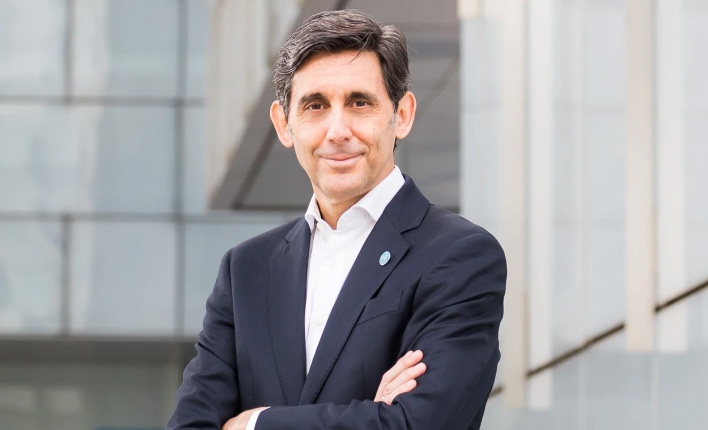
GSMA, asociación que engloba a los mayores grupos operadores de telecomunicaciones y a pequeños operadores independientes de alcance mundial, ha decidido nombrar a José María Álvarez-Pallete, presidente ejecutivo de Telefónica, al frente de su consejo.
Con esta elección, la presidencia de la GSMA recaerá en una compañía española por primera vez en la historia de la asociación. Álvarez-Pallete ocupará el cargo entre febrero de 2022 y diciembre de 2024.
He presidente de Telefónica accede a la presidencia del consejo de la GSMA en un momento crucial, tal y como deja entrever en sus primeras declaraciones como líder de este organismo. “Estoy muy orgulloso de unirme a la GSMA como presidente en representación del ecosistema móvil global. Tecnologías como el 5G, edge computing, cloud, ciberseguridad, IA e IoT han redefinido la forma en que la sociedad opera e interactúa, allanando el camino hacia el metaverso, la web3 y la nueva era digital”.
Álvarez-Pallete contribuirá desde la GSMA al fortalecimiento y desarrollo de estas tecnologías “sin perder de vista” la dimensión humana and the valores que deben gobernar la transformación digital. “El progreso de la digitalización debe incluir un liderazgo responsable para impulsar el crecimiento, la creación de empleo, la sostenibilidad y acelerar la inclusión digital. Estoy deseando apoyar a la GSMA para impulsar estos temas críticos”, afirma.
El gran mercado de las telecomunicaciones
The GSMA (Group Speciale Mobile Association) representa a más de 400 compañías de telecomunicaciones en todo el mundo, que forjan más de 25 millones de empleos directos e indirectos. Según datos de Telefónica, la tecnología móvil genera 4,4 billones de dólares en valor añadido, lo que representa el 5,1 por ciento del Producto Interior Bruto (PIB) mundial. Para 2025, alcanzará los 5 billones de dólares, con el desarrollo del 5G como palanca definitiva de productividad y eficiencia.
Al cierre de 2020 (último ejercicio con datos oficiales), existían más de 5.000 millones de personas suscritas a los servicios móviles, lo que representa el 67 por ciento de la población mundial. Las previsiones pasan por alcanzar 2025 con al menos 500 millones de nuevos usuarios, hasta superar el 70 por ciento de la población mundial.
Did you like this article?
Subscribe to our NEWSLETTER and you won't miss anything.
Related articles
 José María Beneyto assumes the presidency of the Spanish Association of Consulting Companies
 Álvarez-Pallete (Telefónica) will preside over the GSMA until the end of 2024
 Álvarez-Pallete demands a new regulatory framework at MWC 2021
 María Luisa Gutiérrez assumes the presidency of the State Association of Filmmakers (AEC)
 Álvarez-Pallete lays the foundations for the Telefónica of tomorrow
 Diego Carcedo, María Casado and José Carbajo run for the presidency of the Television Academy
 José Antonio López assumes the presidency of Ericsson Spain
 Clovis Jose Baptista Neto assumes the presidency of Hispamar Satélites
 José María Álvarez-Pallete, new president of Telefónica
 Marta Reyero, Jose Maria Garcia and Carlos Alvarez Novoa, Honor Awards of the Asturian Audiovisual
 María José Bayo assumes the presidency of the Audiovisual Foundation of Andalusia
 Francisco José Menchén acquires the majority shareholding of Eurocom and assumes the presidency of the group
 José Manuel Ruiz assumes the presidency of FORTA
 José María Irisarri will leave the presidency of Vértice 360 in January