





The new OTT strategies to gain subscribers: advertising, impossibility of sharing passwords...

Enrique García Maroto, director del área de consultoría nacional de GECA, comparte su visión sobre los nuevos modelos de negocio que podrían marcar el futuro de las plataformas OTT a nivel mundial.
Hace solo unas semanas saltaba la noticia: Disney+ anunciaba públicamente que próximamente lanzará opciones de suscripción a menor coste a cambio de la inclusión de publicidad en su plataforma. Una noticia que, pese a suponer una auténtica novedad en el mercado del streaming, tampoco pillaba de sorpresa a los expertos en el sector, puesto que desde hace tiempo se escuchaban rumores en este sentido. La compañía del ratón cuenta, a priori, con el respaldo de los usuarios de estos servicios para dar este paso. Y es que tal y como recoge la 11ª oleada del Barómetro OTT de la consultora GECA, un 55,8% de dichos usuarios vería con buenos ojos esa opción de poder pagar un precio reducido a costa de la integración de los anuncios. En el caso concreto de los usuarios de Disney+ en España, ese porcentaje se eleva levemente hasta el 56,9%, frente al 28,9% que manifiesta que preferiría pagar algo más por no tener anuncios y el 14,2% que dice que se daría de baja con la llegada de la publicidad.
Obviamente, ahora queda que Disney+ defina cuáles van a ser las condiciones de esas nuevas suscripciones (cuáles van a ser los precios reducidos, la cantidad de cortes comerciales, etc…), ya que no todo tipo de publicidad sería igual de bien acogida por los abonados. Tomando de nuevo como referencia el Barómetro OTT, un estudio lanzado en 2019 por GECA para medir los hábitos, preferencias y consumos de los usuarios de las plataformas de streaming, para el 62,5% de los encuestados lo más aceptable sería un anuncio antes del comienzo de un capítulo. No es de extrañar que este sea el formato considerado más apropiado, no solo porque este equivale al histórico pre-roll (que es el formato menos invasivo), sino porque además es algo a lo que, por ejemplo, plataformas como Movistar Plus+ ya tiene acostumbrados a sus suscriptores desde hace años.
 La publicidad aterriza en las plataformas

Como decíamos anteriormente, la llegada de la publicidad a las plataformas de streaming no es algo que termine de sorprender. No es solo por haber visto ya previamente algunas pruebas en mercados emergentes o por el asentamiento en los últimos tiempos de plataformas que se basan exclusivamente en esta fuente de financiación para mantenerse, como es el caso de AVODs (Advertising Video On Demand), como Pluto o Rakuten. No lo es tampoco porque desde hace tiempo sea evidente que a las plataformas de streaming les va a costar cada vez más esfuerzos conseguir incrementar su base de suscriptores y resulte obvio que van a tener que buscar nuevas fórmulas con las que atraer a aquellos que todavía se resisten a pagar por entrar en estas nuevas ventanas de consumo.
En el caso de Disney+, está claro que la estrategia de bajar precios a cambio de incluir anuncios puede ser una forma de seguir creciendo entre aquellos sectores menos dispuestos a invertir en este tipo de servicios, más aun considerando que uno de sus principales nichos son familias con hijos en las que nunca viene de más mirar qué gastos se pueden recortar.
 ¿Una tendencia emergente?
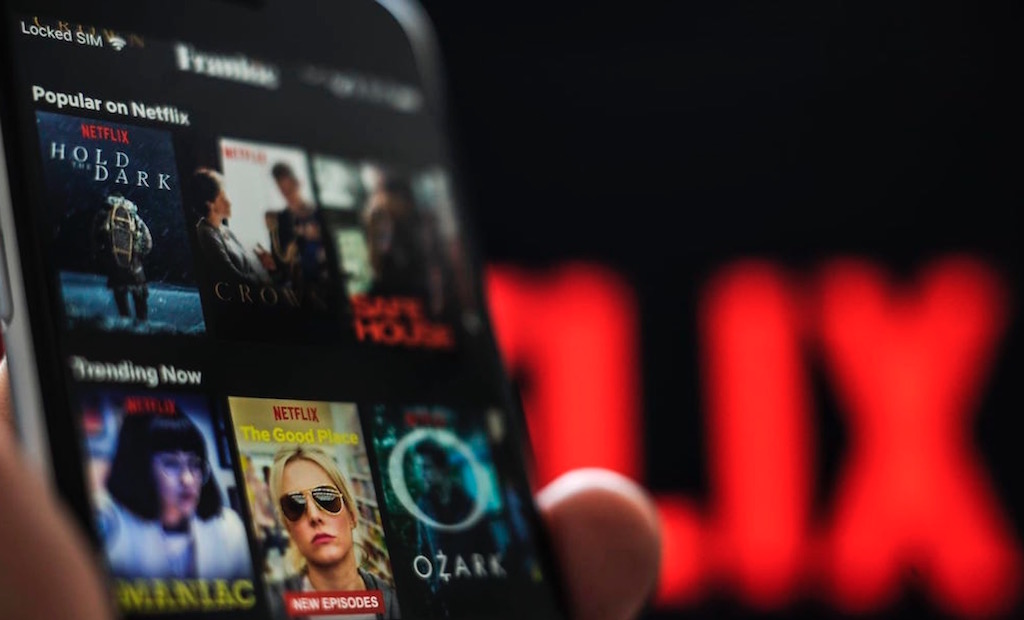
Sin embargo, teniendo en cuenta que el precio de estas plataformas continúa siendo valorado como asequible entre sus usuarios (su coste se posiciona como la quinta razón de suscripción más atractiva para estos, según el Barómetro de GECA), todavía es difícil predecir si alguna otra de las grandes plataformas de video bajo demanda seguirá los pasos de Disney+. De momento, Netflix ya ha manifestado con rotundidad que es algo que no se plantean a medio plazo, aunque a la vez sin negar que esto pueda cambiar en el futuro. De hecho, la posición hegemónica de Netflix como líder por número de suscriptores es, a su vez, uno de sus principales hándicaps al dificultarle cada vez más sus posibilidades de crecimiento, tanto en España como en el resto del mundo.
Ante esto, el gigante estadounidense del streaming sí que llamaba la atención recientemente al anunciar a mediados del mes de marzo que iba a comenzar a poner trabas a aquellos clientes que quieran compartir la cuenta con gente que no vive en su misma casa. En una primera prueba piloto anunciada para Chile, Costa Rica y Perú, Netflix va a aplicar una nueva política por la cual los usuarios de una cuenta que no vivan en el mismo hogar tendrán que, o bien migrar su perfil a una nueva cuenta propia, o bien convertirse en un miembro adicional de la cuenta existente, con el consiguiente incremento de precio.
Como vemos, algo tan cotidiano hoy en día como es compartir una cuenta con familiares y amigos puede convertirse en breve en algo imposible o, al menos, cada vez más complicado. Y en ese momento, cuando ya no podamos compartir los gastos entre varios usuarios y nos veamos obligados a pagar diversas plataformas para acceder al máximo catálogo posible de contenidos, será cuando estas nuevas fórmulas de suscripciones con precio reducido a cambio de incluir publicidad (como las que ya ha propuesto Disney+) cobren todo el sentido del mundo.
 Un salto cargado de desafíos

Cabe señalar que la entrada de la publicidad en estos servicios tampoco va a ir exenta de retos y posibles polémicas más allá de definir el cómo y el cuánto. Como ponen de relieve desde GECA, estas plataformas van a tener que ir dejando de lado la gran opacidad que aún acompañan a sus datos (número de usuarios por país, visionado de contenidos, momentos de mayor demanda…) y buscar un medidor independiente y consensuado por el mercado para poder rendirle cuentas a los anunciantes que quieran pagar por incorporar anuncios en sus servicios.
Retomando el caso de la plataforma de pago tradicional Movistar Plus+, esta ya tuvo que articular un panel audimétrico auditado por Kantar para certificar así sus datos de consumo de cara a vender espacios comerciales. Pero ese no va a ser el único desafío por delante para las plataformas que apuesten por esta nueva modalidad híbrida ya que, en un mercado cada vez más fragmentado y saturado, es evidente que su entrada en la pugna por hacerse con un trozo de la tarta de la inversión publicitaria no va a ser vista con buenos ojos por la televisión convencional.
Hasta ahora, estos dos distintos negocios han estado compitiendo por los contenidos y por el tiempo de visionado de los espectadores. Sin embargo, la extensión del modelo híbrido por más plataformas de streaming haría de seguro saltar las alarmas en los canales comerciales, que hasta ahora habían ido capeado el temporal en un relativamente calmado status-quo que buscaba la complementariedad de ambos tipos de negocio.
¿El modelo de Disney+ o de Netflix?
En todo caso, aún es pronto para prever si otras plataformas como HBO Max apostarán por el modelo híbrido de Disney+ (de hecho, en EE.UU. ya lo ha hecho, al igual que en su día lo hizo Hulu) o por el modelo de Netflix orientado a frenar la compartición de claves (quizás, el más probable en estos momentos en mercados como Europa).
Lo que es cierto es que los vertiginosos cambios que se vienen produciendo en el mercado audiovisual español y mundial aún nos deparan muchas novedades y sobresaltos en el corto y medio plazo.
Enrique García Maroto
Director del área de consultoría nacional de GECA

Did you like this article?
Subscribe to our NEWSLETTER and you won't miss anything.
Related articles
 Broadcast before programmatic advertising: new opportunities, automation and AI
 SeeSound joins Adamson and Zactrack to share knowledge on immersive audio
 Harmonic's VOS 360 Ad SaaS In-Stream Advertising Opens New Monetization Opportunities
 BMG uses JVC PTZ cameras to gain versatility
 New platforms will bring more than 400 million subscribers to the SVOD market
 Netflix's heavy hand against password sharing costs it a million subscribers in Spain
 The European Commission will participate in the 5G Forum in Spain to share its roadmap for new mobile networks
 European News Exchange uses LiveU Matrix to share content via IP
 DejaSoft will debut its file sharing and synchronization tool for editors at NAB 2020
 Ericsson proposes solutions for the media sector to gain efficiency, quality and personalization of the user experience
 The evolution of online video and how broadcasters adopt new strategies
 Videona: another way to record, edit and share video from a smartphone
 Signiant improves its Media Exchange (MX) to share digital content
 N4B1 NAS: una solución de LG para almacenar y compartir información