





Company 3 y SpinVFX emplean DaVinci Resolve Studio en la película ‘Big George Foreman’
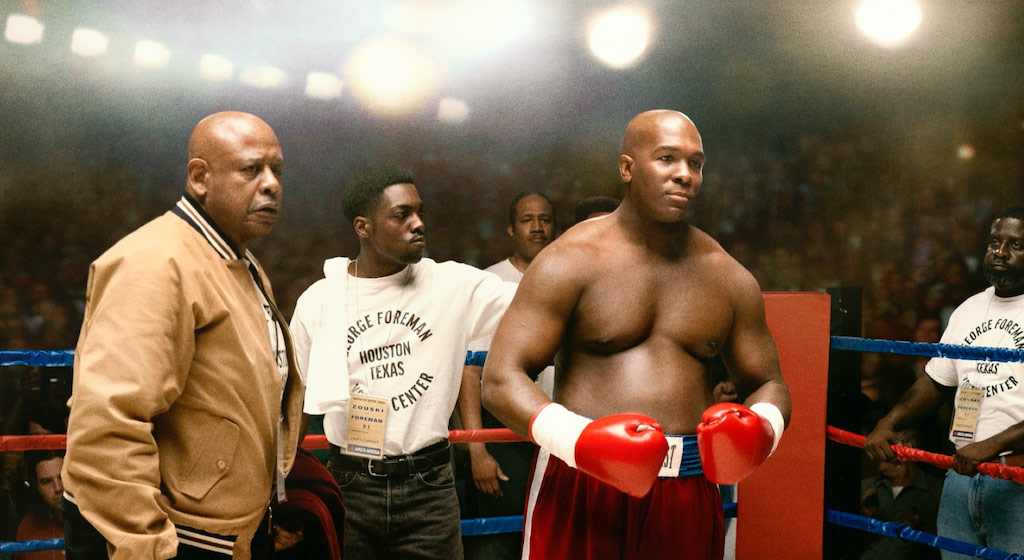
‘Big George Foreman’, dirigida por George Tillman Jr., empleó la solución DaVinci Resolve Studio (Blackmagic Design) para crear imágenes de los espectadores por parte de SpinVFX y recrear la ambientación de época en manos de Company 3.
SpinVFX, empresa especializada en efectos visuales con sede en Toronto, ayudó a crear la primera fila del cuadrilátero para las distintas peleas de boxeo cruciales de Foreman, desde la década de los 60 hasta los 90, momento en el que Foreman se corona como el campeón en la categoría de peso pesado de mayor edad en el mundo.
El equipo de SpinVFX, liderado por el supervisor de efectos visuales Andrew McPhillips, ayudó a crear efectos apropiados para la época en cada una de las peleas más destacadas de Foreman. McPhillips explica que “debido a que la película está basada en una historia verdadera, tuvimos la posibilidad de hacer referencia al público real y los cuadriláteros de cada encuentro. Todo comenzó en la preproducción con el guion de color provisto por el director George Tillman Jr. y continuó en la posproducción, en donde utilizamos las distintas estéticas y paletas cromáticas para relatar la historia particular de cada una de las peleas”.
El equipo de SpinVFX trabajó en 10 peleas para la película, cada una con una apariencia diferente dentro del cuadrilátero y fuera de este. Por ejemplo, al crear el público alentando a los boxeadores en las primeras peleas de Foreman en la década de los 60, SpinVFX utilizó una paleta más armoniosa en tonos marrones y azules. Luego, para el encuentro conocido como “The Rumble in the Jungle” (la pelea en la selva) contra Muhammad Ali a mediados de los 70, todo se volvió más estridente y colorido. Además de esta estética que refleja los espectadores reales y la moda de esa época, también se muestran las emociones y la vida de Foreman fuera del cuadrilátero, a fin de aportar a la narración de la película.
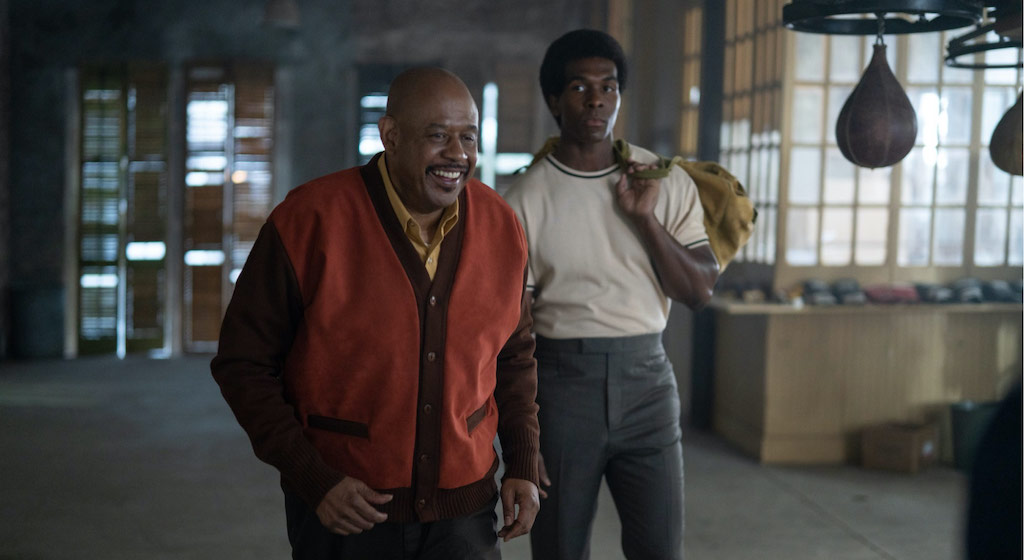 “El departamento de vestuario destinó mucho tiempo a asegurarse de lograr todo con la mayor exactitud histórica posible mientras se respetaba el guion de color. Durante la producción, extrajimos capturas de fotogrametría del público y las utilizamos como base para las tomas de fondo, las cuales importamos luego en DaVinci Resolve Studio para realizar las composiciones necesarias en la etapa de desarrollo de la estética”, observa McPhillips.
“DaVinci Resolve Studio realmente nos permitió probar distintas apariencias y debatir el enfoque que queríamos tener para cada pelea. Antes de comenzar a diseñar la iluminación y los fondos con efectos visuales, jugamos con distintas historias cromáticas que mejoran el trabajo ya hecho por el departamento de vestuario y diseño del set. Empleamos Resolve para desarrollar temáticas asignadas a cada escena con espectadores”, declara McPhillips.
“Debido a que cada pelea contaba con su propia estética definida en términos de efectos visuales, tuvimos la posibilidad de probar distintos tonos cromáticos dentro de una misma paleta. Dado que la película está basada en una historia real, es genial poder ver fotos de las peleas y recrear la narrativa en torno a ellas, ya sea al destacar los colores brillantes y alegres del encuentro contra Moorer en la década de los 90 o un estilo monocromático con toques ocasionales de amarillo, azul y tonos pasteles para la pelea por la medalla de oro olímpica contra Čepulis en 1968″, añade.
McPhillips sostuvo que la facilidad de uso de DaVinci Resolve Studio les permitió enfocarse de lleno en el trabajo y centrarse en lo creativo sin distraerse con aspectos técnicos. “DaVinci Resolve Studio fue esencial durante la etapa de desarrollo conceptual. Utilizamos los círculos cromáticos para probar distintas paletas con suma facilidad, lo que nos brindó la posibilidad de exhibir nuestras dotes artísticas», añadió. «Aunque nos queríamos divertir y probar diferentes apariencias, también necesitábamos asegurarnos de estar preparando bases sólidas para los efectos visuales finales. La consistencia cromática fue fundamental, y Resolve resultó ser un gran contribuyente en este aspecto, ya que contábamos con una tabla MacBeth y podíamos emplear la herramienta integrada para asegurarnos de etalonar los tonos correctamente durante todo el proceso”.
“La creatividad es el elemento central de nuestro trabajo de efectos visuales, de modo que contar con herramientas que nos brindan la libertad de explorar diferentes conceptos sin perder tiempo preciado es totalmente revolucionario”, expresa McPhillips. “El proceso creativo fue esencial, especialmente para una película como esta en la que queríamos mostrar diversas estéticas distintivas para cada pelea de Foreman, a fin de destacar los diferentes años y etapas de su vida. DaVinci Resolve Studio facilitó ampliamente el desarrollo y, lo más importante, fue divertido”.
Company 3
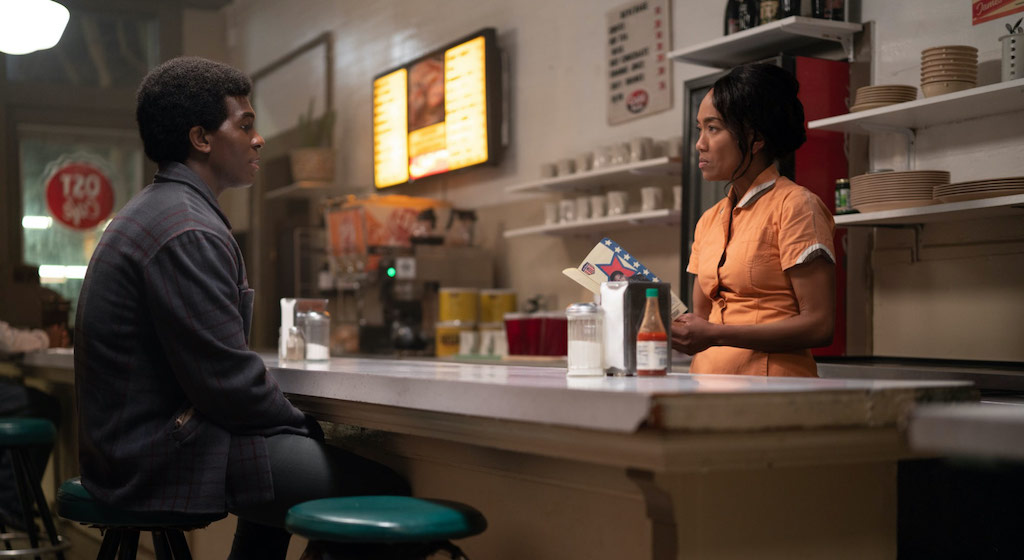
El colorista principal Siggy Ferstl (Company 3) trabajó junto al director de fotografía, John Matysiak, para que las imágenes cobren vida, desarrollando una apariencia de época que asistió a distinguir las distintas décadas y peleas a lo largo de la carrera de Foreman y, a su vez, ayudó a lograr un equilibrio en la historia con apariencias distintivas, armónicas y coherentes en toda la historia.
La herramienta predilecta de Ferstl fuen también DaVinci Resolve Studio. “Usamos la función ‘Máscara mágica’ de Resolve para aislar y rastrear objetos, lo cual simplificó el proceso de selección de personajes particulares y la separación de los primeros planos y los fondos para aplicar distintas correcciones en las escenas de las peleas”, comenta Ferstl.
“En algunas de ellas, redujimos la exposición de las multitudes a fin de aumentar el contraste y crear una mayor diferenciación con zonas más oscuras y otras más claras en el mismo encuadre”, continúa. “También usamos las herramientas OpenFX que ofrece el programa para aplicar toques adicionales, como reflejos del objetivo, destellos e iluminación en algunas de las peleas, con miras a integrar el primer plano con el fondo”.
Frestl tuvo la posibilidad de ayudar a los cineastas a distinguir no solo los distintos períodos, sino también los sitios donde transcurren los encuentros de Foreman.
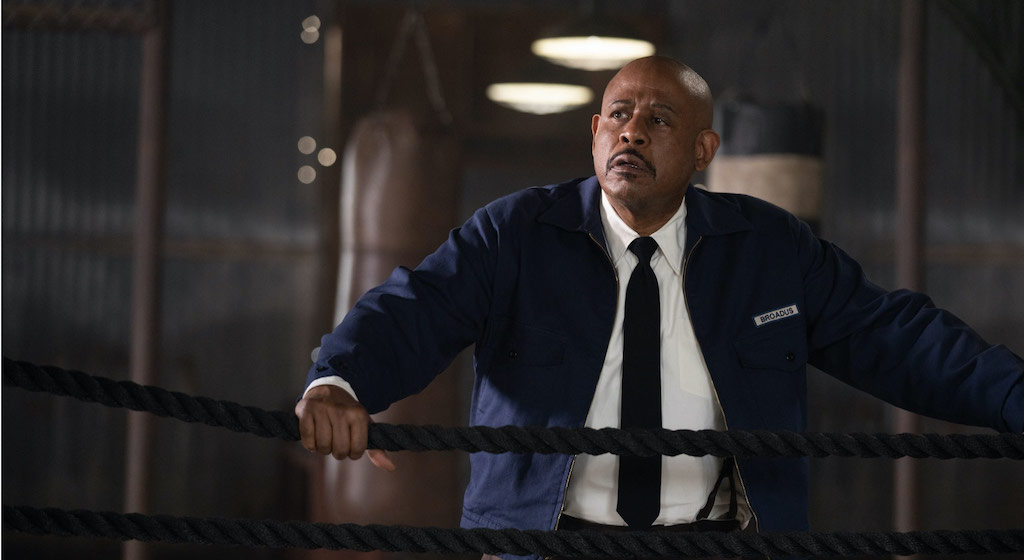 “Cada lucha transcurre en un lugar diferente, con lo cual le dimos una apariencia particular a cada uno de ellos”, explica Ferstl. “Foreman viaja por el mundo y compite en México, el Zaire y Jamaica, de modo que todos los cuadriláteros van variando. A partir de las tomas originales, acentuamos ciertos elementos, siempre aprovechando al máximo el material fotográfico. Por ejemplo, algunos cuadriláteros tienen una tonalidad azul grisácea, mientras que la de otros es azul brillante, así que hicimos que ese contraste fuese más pronunciado. Además, adaptamos la temperatura del color en las distintas peleas, a fin de distinguir cada recinto. En algunos casos, buscamos una estética más plateada, mientras que en otros optamos por una iluminación diurna natural y azules más neutros”.
Con respecto a la contienda que transcurre en Las Vegas en la década de 1990, destaca que “todas las imágenes lucían más limpias y luminosas, sin que tuviéramos que añadir destellos como en las peleas anteriores. Posteriormente, para una secuencia en retrospectiva durante un encuentro esencial, se muestran escenas de toda su vida, para lo cual creamos una apariencia desaturada con una gran cantidad de viñeteado en el encuadre, a fin de lograr la apariencia de un recuerdo”.
Asimismo, Ferstl recurrió a las herramientas de granulosidad de Resolve para añadir grano a las imágenes digitales, no necesariamente para emular la apariencia del celuloide, sino para destacar las imágenes con sutileza.
“Conseguimos un patrón de granulosidad satisfactorio que fuimos variando a lo largo de la película y adaptando en función de la estética y la textura deseadas. La herramienta de granulosidad de Resolve ofrece diversos controles para manipular el grano más allá del tamaño, la textura y la intensidad. También me permitió modificar cuán pronunciado era el efecto en los distintos canales de control o en las secciones de la escala de grises. Fue verdaderamente útil y efectivo al añadir textura a las imágenes. Por ejemplo, en una de las escenas principales en una iglesia, había mucho espacio entre las paredes, así que al incorporar un poco de granulosidad, conseguimos una textura sutil que nos complació a todos», comentó al finalizar”, concluye Ferstl.
Did you like this article?
Subscribe to our NEWSLETTER and you won't miss anything.
Related articles
 PRPVFX firma los efectos visuales de la película de Flying Lotus con Fusion Studio (DaVinci Resolve)
 La exitosa película de Hideaki Anno, ‘Shin Kamen Rider’, etalonada con DaVinci Resolve Studio
 Company 3 and SpinVFX use DaVinci Resolve Studio on the film ‘Big George Foreman’.
 Uruguayan Netflix film 'Togo' completed with DaVinci Resolve Studio
 La insólita película ‘Something in the Dirt’, etalonada con DaVinci Resolve
 ‘Drive My Car’, Óscar a la Mejor película extranjera, etalonada con DaVinci Resolve Studio
 La película en realidad virtual ‘Alex Honnold: The Soloist VR’, postproducida con DaVinci Resolve y Fusion Studio
 'Don't look up' (Netflix), graded with DaVinci Resolve Studio
 ‘Red Alert’ (Netflix), graded with DaVinci Resolve Studio
 DaVinci Resolve Studio etalona la nueva película india ‘Soorarai Pottru’
 Oscar winner Claudio Miranda trusts DaVinci Resolve Studio and DaVinci Resolve Mini Panel from Blackmagic
 DaVinci Resolve Studio facilitated the finishing of the Spanish animated film 'Ozzy'
 Company 3 utilizó DaVinci Resolve en los ajustes de ‘Tomorrowland’ en HDR
 Company 3 uses DaVinci Resolve in big season premieres