





Rodajes en vertical: la creación de vídeos profesionales para redes
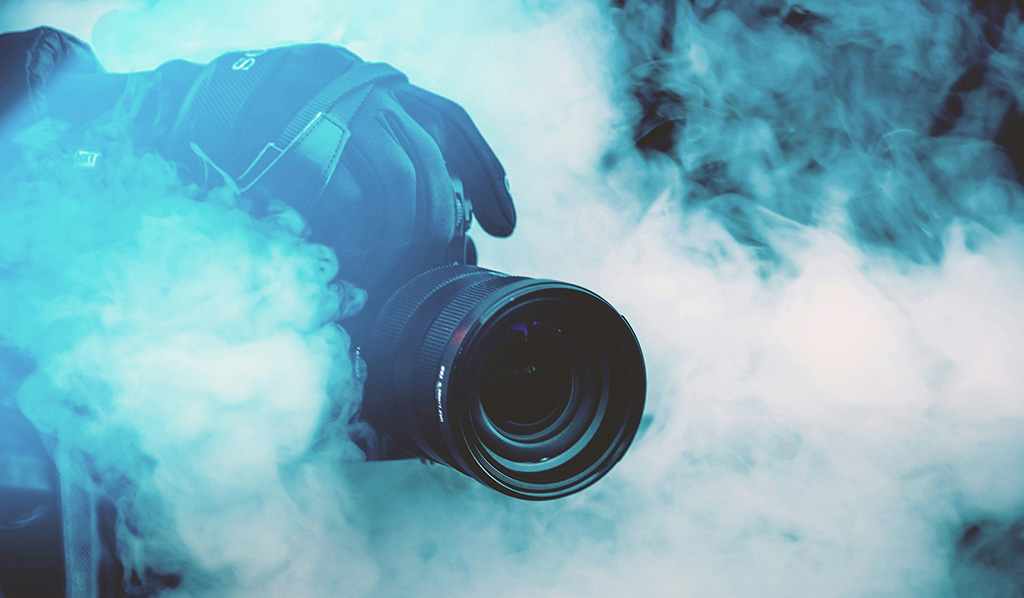

En esta tribuna, Mario García Pérez, video strategist in Cosmic (agencia especializada en la creación de vídeos cortos para TikTok, Instagram y YouTube), repasa las claves tecnológicas y conceptuales de los vídeos verticales, una tendencia que vive una era dorada marcada por el consumo voraz de contenidos de corta duración.
La evolución que nos ha llevado a los vídeos verticales la he vivido de una forma muy curiosa. Vengo de formarme sobre cine en una escuela especializada en la que nos educaron exclusivamente en horizontal. Recuerdo tener profesores que, si bien en ese momento se empezaba a estilar el vídeo en vertical con los primeros móviles, siempre se escandalizaban ante la idea de ser rodados así. Al final, el tiempo nos ha llevado a ello.
Si lo piensan, ha sido una evolución lógica. El formato del cine nació en horizontal, porque así es como están nuestros ojos colocados. Fue un desarrollo técnico natural. Ahora, el soporte en el que más contenido audiovisual consumimos es el móvil, y obviamente el cambio tenía que adaptarse a su formato de visualización más habitual.
Desde estos dispositivos, consumimos contenido super rápido. El concepto ya no es el de sentarte y decidir ver una película, teniendo en cuenta que puede tener un inicio lento y que no suceda “nada” durante los 20 primeros minutos: es meterte a TikTok y verte en apenas 10 minutos 80 vídeos haciendo un scroll rapidísimo. Esto ha llevado a los consumidores, pero también a la industria, a producir vídeos que enganchen desde el segundo uno; si en dos segundos no te ha llamado la atención, ya estás con el dedo como un gatillo.
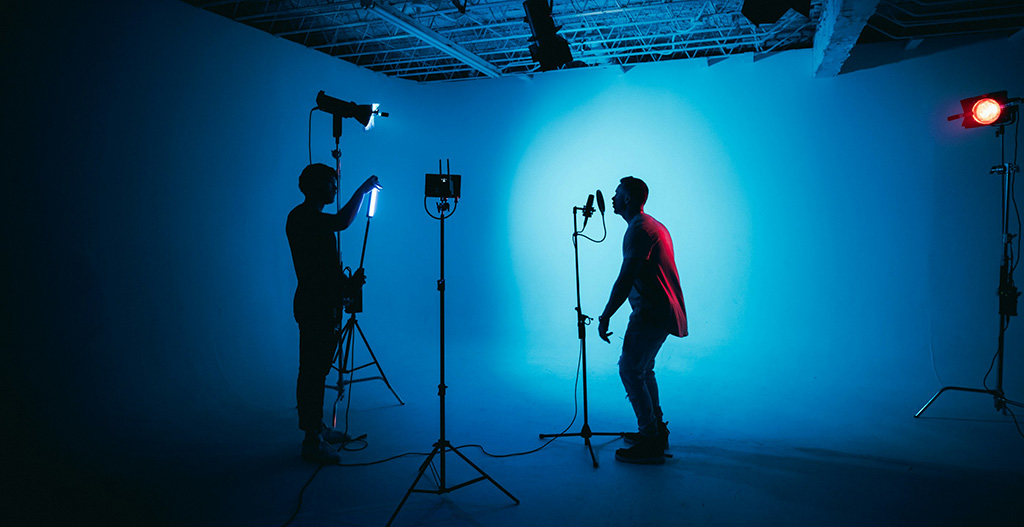
Rodando, siempre, en vertical
El contenido siempre tiene que engancharte, pero la parte visual sigue siendo igual de importante. Cuanto más bonito, elaborado y mejor calidad tenga un vídeo, mejor te va a ir. Puede parecer contradictorio, teniendo en cuenta que el contenido se consume desde el móvil, pero sin este look, and TikTok puede tirar para atrás.
En nuestro caso, solemos grabar siempre en vertical en formato 4K. Siempre preparamos cuidadosamente el plano, dejamos margen para el encuadre y, a la hora de cropear, exportamos los vídeos en 1080p. Si se grabara en horizontal y se fuera necesario hacer un recorte, se perdería gran parte de la resolución. Si hay que captar el desplazamiento de una persona quizá sea favorable rodar en horizontal, pero el 99% de las ocasiones lo hacemos en vertical.
Solemos grabar siempre en vertical en formato 4K. Siempre preparamos cuidadosamente el plano, dejamos margen para el encuadre y, a la hora de cropear, exportamos los vídeos en 1080p.
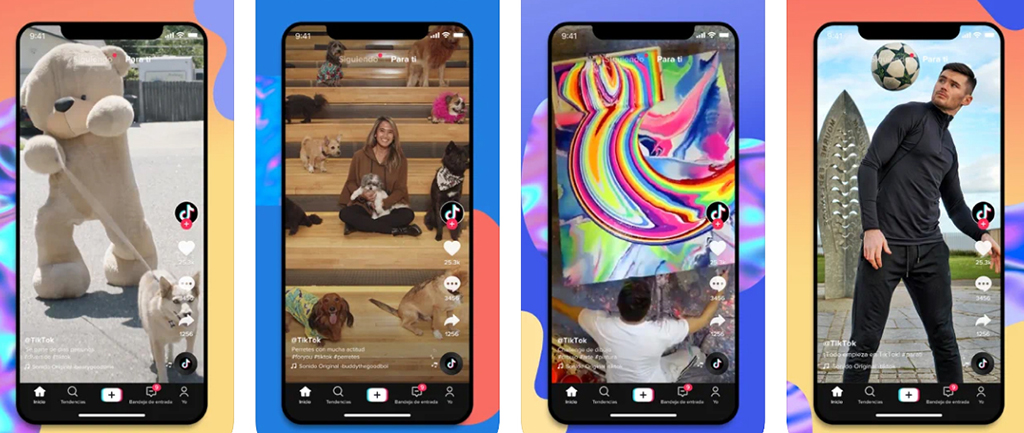
Como comentaba anteriormente, otro aspecto muy importante es el encuadre, y más concretamente la safe area: partes de la pantalla en la que no se puede meter elementos clave del contenido. Es necesario imaginar una división de la pantalla en tres tercios, sabiendo que en la parte inferior no puedes poner ningún elemento porque ahí aparece el copy del vídeo o el nombre del usuario. De estos dos tercios superiores que quedan, hay que tener cuidado con la parte derecha que también está más limitada, porque en TikTok se sitúa la parte del like, guardar vídeo o compartir.
Por eso, si por ejemplo estoy produciendo la publicidad de un bolso, hay que tener en cuenta que cerca de un 40% del espacio deberá ser utilizado con elementos más sencillos, dejando el protagonismo del producto o el contenido en el 60% restante.
 Rodaje con cámaras semiprofesionales o con móviles
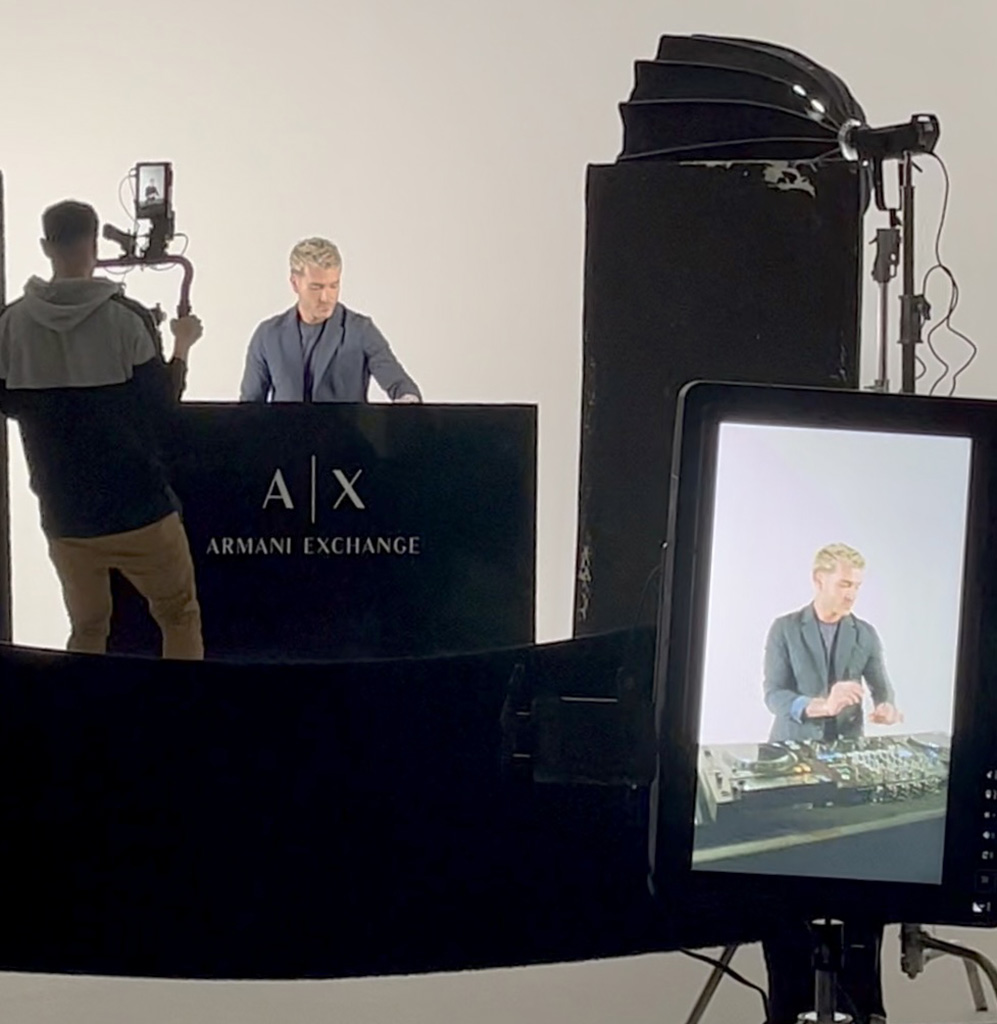
En nuestro día a día, si bien hay excepciones, tanto para producciones en el estudio como en exteriores utilizo dos cámaras: una Sony A7S III y la del último modelo de iPhone. Ambos te dan una buena respuesta, manejan un buen Frame rate y pueden grabar en la resolución 4K que buscamos.
Aunque sobre el papel pueda parecer poco profesional, muchas veces es mejor utilizar el móvil (siempre con unas condiciones de rodaje favorables)
En el caso de que usemos la Sony A7S III, muchas veces la unimos con distintos sistemas gimbal para ofrecer un movimiento más liviano. No obstante, aunque sobre el papel pueda parecer poco profesional, muchas veces es mejor utilizar, directamente, el móvil (siempre con unas condiciones de rodaje favorables como un entorno controlado e iluminado con equipos profesionales). En TikTok frecuentan los vídeos de transiciones rápidas, y por mucho que tengas un estabilizador y una agilidad espectacular con los manos, en el iPhone queda mucho más nativo y, al fin y al cabo, natural.
Otro aspecto muy importante es el audio, que si no está correctamente grabado puede tirar atrás al espectador. Utilizamos equipos de captación profesionales para captar esta cuestión, y especialmente para trabajar vídeos de formato ASMR, que funcionan de una forma espectacular.
 La postproducción de vídeos verticales
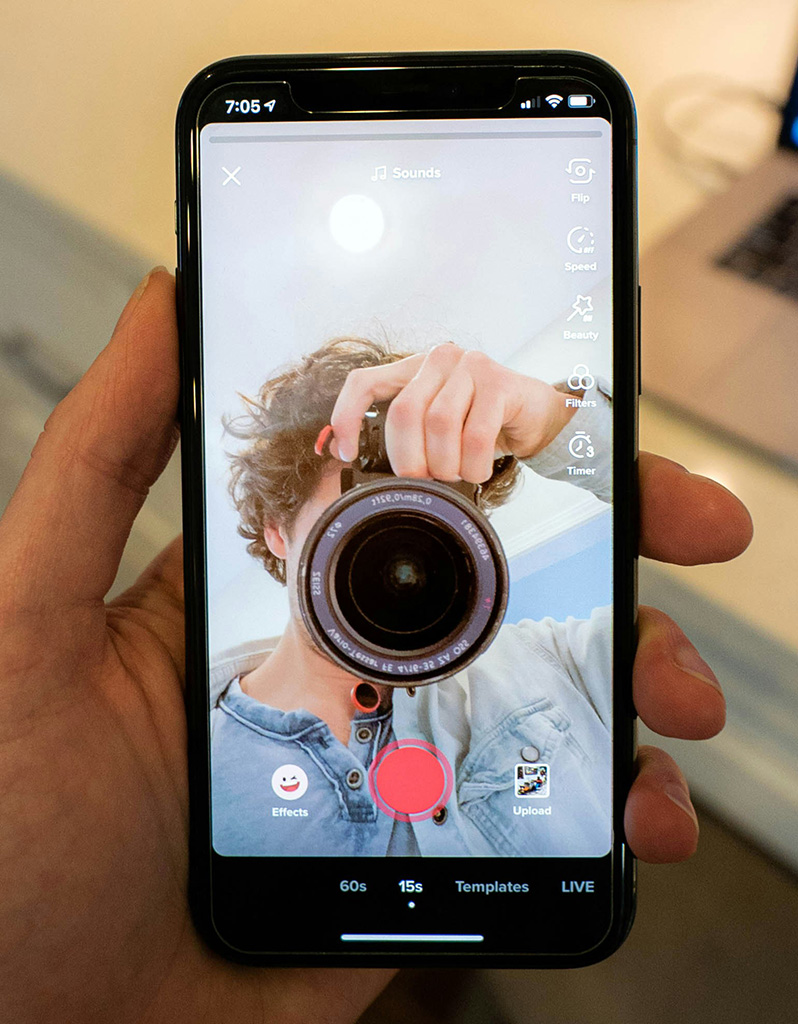
En lo relativo a la postproducción, editamos los vídeos con softwares como Adobe Premiere o Final Cut. TikTok es la red a la que más nos dedicamos, y por ello, en ocasiones, utilizamos CapCut (TikTok) para hacer algunas cosas concretas como los voice-over nativos de esta red social, por ejemplo. Una vez completamos la pieza, realizamos un tratamiento de color para lograr así la máxima calidad. Hasta ahora habíamos utilizado los plugins integrados en estas herramientas, pero hemos comenzado a hacer investigaciones con DaVinci: siempre estamos toqueteando cosas para ir mejorando.
No existen unos formatos establecidos que te aseguren una máxima calidad en la difusión en estos medios. Hablamos de redes en las que se suben millones de vídeos al día y que tienen una cantidad de tráfico y volumen espectacular. Aunque lo hemos probado, no hemos podido subir vídeo con calidad de cine, porque es muy frecuente que la arquitectura de la aplicación acabe fallando. En nuestro caso, exportamos en un Full HD y, si normalmente grabamos a 60 o 50 fps (dependiendo de si el vídeo proviene de un iPhone o de una cámara), exportamos a 25 o 30 fps. Es la forma óptima de trabajar: la gente está acostumbrada al cine a 24 fps, y el resultado es bueno.
Un futuro en vertical
Al igual que en todos los medios audiovisuales, la evolución siempre se dirige a conseguir una mayor calidad tanto en entornos profesionales como en amateur. Recuerdo que, cuando empecé, lo raro era quien tenía acceso a una Canon 600D y grababa con el objetivo que venía. Ahora, todo el mundo tiene acceso a estas tecnologías.
La calidad de los formatos verticales ha seguido evolucionando con el paso de los años y, ante esa mejora continua, los medios profesionales tenemos que buscar un plus a nivel técnico o de postproducción
La calidad de los formatos verticales ha seguido evolucionando con el paso de los años y, ante esa mejora continua, los medios profesionales tenemos que buscar un plus a nivel técnico o de postproducción, así como estar siempre atentos a cada trend que vaya apareciendo. Solo así podremos destacar ante los millones de vídeos que tenemos al alcance de nuestra mano y que pueden ser creados por amateurs o por herramientas de IA como Sora de Open AI, la cual también nos puede ayudar a los profesionales con la búsqueda de algún vídeo de stock o evitando la necesidad de grabar un footage concreto.
Mario García Pérez
Video strategist in Cosmic

Did you like this article?
Subscribe to our NEWSLETTER and you won't miss anything.
Related articles
 Create for YouTube Shorts: la alianza entre Adobe y YouTube para fomentar la creación de vídeos cortos
 El Poder del Pop: la productora española que hace bandera de la creación de vídeos con IA generativa
 Mediapro studies the possibilities of AI for the creation of sports statistics and videos
 Sony aporta claves para crear vídeos atractivos y viralizables dirigidos a redes sociales
 Excellent Edges crea vídeos de alta calidad para sus redes sociales con Blackmagic Design
 Monitorización total desde la creación hasta la entrega en la próxima generación de redes de vídeo con Tektronix
 XIII Jornadas Profesionales ‘Branded Content y Creación Publicitaria’
 Nace +TVE, la primera aplicación de segunda pantalla para grabar vídeos de Televisión Española en directo y compartirlos en redes sociales
 Ericsson presenta la primera solución para emisión de vídeos a través de redes LTE
 LaCie exhibirá en IBC sus últimas soluciones de almacenamiento para los profesionales de creación de contenidos
 Replay XD1080 Full HD, primera cámara de acción para deportes extremos diseñada por profesionales y para profesionales
 Replay XD1080 Full HD, primera cámara de acción para deportes extremos diseñada por profesionales y para profesionales
 Nace Videona, una nueva forma de compartir videos en redes sociales
 Scala and HP simplify digital signage networking