





Italia advierte sobre la transición a la DVB-T2/HEVC: “Está frenando las inversiones de la TV local en nuevas tecnologías”
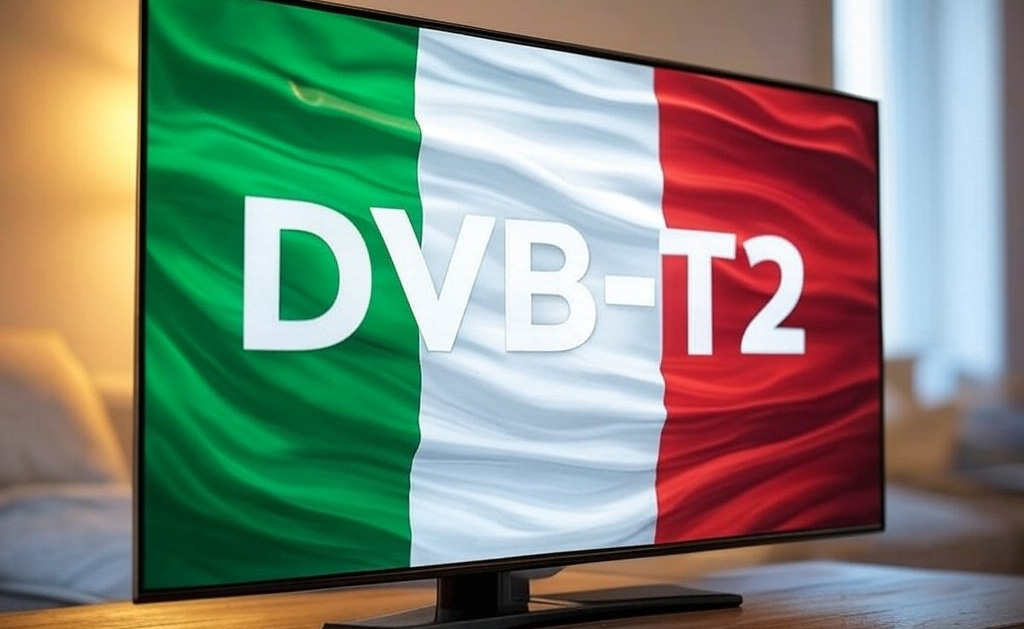
Aeranti-Corallo, la asociación que representa a las televisiones locales italianas, ha trasladado la situación de indefensión que se encuentran durante un proceso de transición al DVB-T2/HEVC que ha priorizado a los grandes canales.
Según denuncia la asociación, mientras que el mercado mundial presenta pantallas de televisión cada vez más potentes y de mayor tamaño, capaces de aprovechar plenamente el potencial de las nuevas tecnologías de codificación de imagen y sonido de alta calidad, las televisiones locales italianas siguen viéndose obligadas a operar con estándares de transmisión obsoletos, debido a una transición “que no se está completando, además, como exige la ley”.
Marco Rossignoli, coordinador de Aeranti-Corallo, señala a esta situación como consecuencia directa de un plan que ha priorizado a las televisiones nacionales, dejando limitadas las capacidades del ecosistema local: “Mientras que a las televisiones nacionales se les ha asignado una capacidad de transmisión adecuada, continuando incluso utilizando el antiguo estándar DVB-T (con compresión MPEG-4 en lugar de MPEG-2), por el contrario, las televisiones locales se ven obligadas a transmitir con una calidad significativamente inferior, a la espera de que se complete la transición a DVB-T2/HEVC”.
Para Rossignoli, esta situación no solo perjudica la competitividad de las televisiones locales, sino que también afecta negativamente al pluralismo informativo y al acceso de contenidos locales por parte del público. “La continua incertidumbre sobre los plazos de finalización de la transición a DVB-T2/HEVC, además, frena las inversiones de la TV local en nuevas tecnologías y dificulta la adaptación de las infraestructuras, con graves repercusiones en la innovación y modernización del sector”, añade.
Ante este contexto, Aeranti-Corallo reitera la “absoluta necesidad” de una intervención urgente por parte de las instituciones competentes y, por ello, solicita al Ministerio de Empresa y Made in Italy (MIMIT), que defina cuanto antes un calendario vinculante para la realización de la transición a DVB-T2/HEVC, así como que adopte medidas específicas para apoyar el proceso de adaptación tecnológica.
Did you like this article?
Subscribe to our NEWSLETTER and you won't miss anything.
Related articles
 La CNMC aborda el futuro de la TDT: reclama supervisar la licitación del nuevo canal y advierte sobre la UHD
 RAI lidera la transición del sistema televisivo italiano con el inminente inicio de emisiones en DVB-T2 y HEVC
 Netflix delves into local Spanish content with the remake of 'My dear lady' and a documentary about Baroness Thyssen
 Mediaset Italia adopta los mezcladores XVS-7000 de Sony en su transición al IP
 Evertz continúa la transición a la nube con nuevas soluciones en NAB 2022
 El futuro de la animación y las nuevas tecnologías a debate en Next Lab
 Brainstorm participates in the New Technologies Observatory
 The Malaga Observatory celebrates its third edition, consolidated as the main multidisciplinary event on new technologies
 The Observatory of New Technologies starts in Malaga
 The Malaga Observatory consolidates itself as the reference event in Spain on new immersive technologies
 La transición a IP y nuevas herramientas creativas marcan la presencia de Quantel y Snell en NAB 2015
 Por qué HEVC está llegando más rápido de lo que piensa
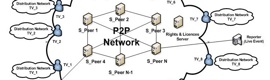 CulturaLive: potenciar la cultura local a través de las nuevas tecnologías audiovisuales
 New Vinten Radamec robotics at Sky Italia