





15 years of key changes in streaming: the path of Broadpeak
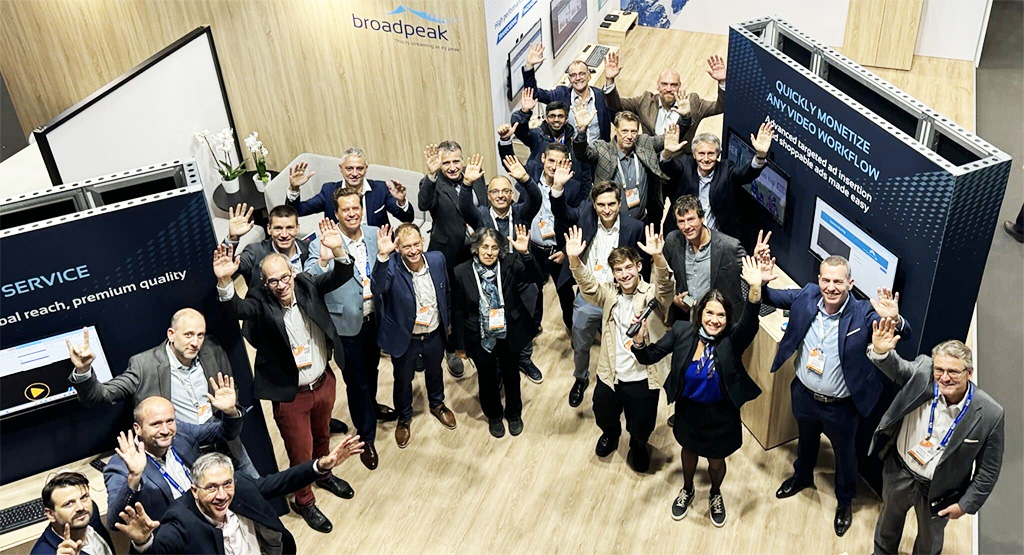
Arnault Lannuzel, vicepresidente de ventas para los mercados de América Latina, Sur de Europa y África, repasa los 15 años de trayectoria de Broadpeak, empresa dedicada a la distribución de contenidos vía IP que ha acompañado la evolución del streaming con soluciones adaptadas a sus desafíos más importantes.
El mundo ha cambiado notablemente desde 2010. Mientras que en aquel año se sucedieron eventos de gran impacto como el dramático terremoto de Haití o la filtración masiva de documentos diplomáticos por parte de WikiLeaks, la vertiente tecnológica y del entretenimiento audiovisual avanzaba con hitos que acabaron por redefinir la interacción de los usuarios con la tecnología.
The launch of iPad de Apple abrió las puertas a un consumo audiovisual alternativo al televisor, comenzando a desarrollarse el de segundas pantallas y un consumo a varios niveles en los puntos de encuentro de los hogares. Asimismo, en aquel año salió de su fase beta Instagram, plataforma que a la postre acabaría convirtiéndose en una red social con una mayor importancia del vídeo sobre las imágenes, sirviendo como una de las mayores fuerzas motrices de la tendencia de los vídeos cortos. Además, la consolidación del apagón analógico en España puso de manifiesto cómo la tecnología digital llegaba para quedarse, aún sin ser lo suficientemente consciente de la revolución del vídeo IP que llegaría a lo largo de las próximas décadas.

Arnault Lannuzel
Aun así, por aquel entonces, broadcasters y propietarios de contenido comenzaron a consolidar sus primeras experiencias en el ámbito del streaming. Netflix lanzó su servicio por primera vez fuera de EE. UU.; YouTube seguía progresando con el lanzamiento de sus primeros planes de monetización; las Smart TVs iniciaron implementar aplicaciones nativas dentro de unos sistemas operativos todavía limitados, y los principales broadcasters de España y Latinoamérica optaban por ofrecer en sus sitios web una pequeña selección de contenidos.
He streaming, en todas sus expresiones, estaba empezando su consolidación mundial, si bien muy pocos podían imaginar la dimensión de un mercado masivo que a día de hoy mueve 674.000 millones, según fuentes de Fortune Business Insights. Entre las compañías que vieron desde el comienzo su potencial se encontraba Broadpeak, una empresa con sede en Cesson-Sévigné (Francia) volcada en la entrega de películas, televisión en directo y todo tipo de contenidos a través de redes de banda ancha. Arnault Lannuzel analiza la evolución del streaming a lo largo de los 15 años de trayectoria de Broadpeak, permitiendo conocer en detalle los principales retos que la industria del streaming ha atravesado históricamente y en la actualidad.

Transformación impulsada por los espectadores
El mundo de la distribución de televisión sobre Internet de aquel comienzo de década era ciertamente limitado. Como el propio Lannuzel recuerda, las primeras propuestas eran exclusivamente OTT sobre VOD. Sin embargo, progresivamente se sucedieron cambios clave que acabaron por transformar la industria.
He companion device tomó importancia, y la gente comenzó a demandar una alternativa de televisión diferente en sus segundas pantallas. Esto provocó un grandísimo interés de dispositivos conectados que todo tipo de agentes supieron aprovechar.
“De ser felices por el mero hecho de ver la televisión en el móvil, la gente empezó a buscar mejoras en el tiempo de arranque, en la definición, en el buffering…”
Una vez que el sistema de emisión funcionaba y los espectadores podían acceder de servicios de televisión en directo o streamings limitados de ciertos eventos, llegó el momento de evolucionar la propuesta en términos de calidad. “De ser felices por el mero hecho de ver la televisión en el móvil, la gente empezó a buscar mejoras en el tiempo de arranque, en la definición, en el buffering…”, recuerda Lannuzel.
Los primeros proveedores de este tipo de servicios, como Broadpeak, tuvieron que adaptarse a un nuevo concepto de televisión sobre dispositivos conectados. La empresa, que inicialmente hacía servidores IPTV, se volcó en el desarrollar soluciones para la distribución de contenido en vivo.
El primer hito fue el lanzamiento del multicast ABR: una solución diseñada para evitar el riesgo de congestión de tráfico en las redes ante un crecimiento de sesiones recurrentes. La herramienta aúna una visión transversal de las posibilidades del broadcast: la escalabilidad y la calidad de experiencia de la televisión en abierto, y la capacidad de llegar a todas las pantallas que ofrecen los formatos ABR.
Desarrollando herramientas para una nueva era
The launch of Multicast ABR en 2012, una herramienta que fue ampliamente aceptada por la industria y que a día de hoy sigue siendo desplegada por agentes como DAZN, BT Group, Orange, Megacable o América Móvil, fue solo el primer paso en el desarrollo de soluciones innovadoras de Broadpeak. Desde aquel entonces, la compañía ha creado una amplia gama de productos adaptadas a todo tipo de entornos, siempre de forma acorde a la evolución de la tecnología.
“El OTT es complementario del IPTV, pero estamos viendo que dentro de unos años podrá convertirse en el modelo principal. Tenemos la misión de acostumbrar a usuarios y anunciantes a diversificar su pauta publicitaria en diferentes tipos de soportes”.
Por ejemplo, con la consolidación de los entornos cloud, Broadpeak introdujo broadpeak.io, una herramienta que representa una alternativa para complementar o sustituir los habituales despliegues on-premises. Y es que esta tecnología API compuesta con aplicaciones SaaS y SDK facilita procesos como los canales virtuales, el reemplazo de contenido o un aspecto crucial: la monetización de la televisión.
“El OTT es complementario del IPTV, pero estamos viendo que dentro de unos años podrá convertirse en el modelo principal. Tenemos la misión de acostumbrar a usuarios y anunciantes a diversificar su pauta publicitaria en diferentes tipos de soportes, ya sea con inserciones o reemplazos de anuncios, o con despliegues de publicidad interactiva, lo que es posible en el OTT y no en el broadcast”, comenta Lannuzel sobre un área en la que Broadpeak ya ofrece soluciones de targeted advertising y modelos de revenue share entre operadores y proveedores de contenidos.

Los desafíos globales de los mercados de España, Portugal y Latinoamérica
Con los procesos tecnológicos consolidados y una audiencia dispuesta a volcar su entretenimiento en el vídeo conectado, algunos de los desafíos más acuciantes de los broadcasters y propietarios de contenido pasan por su propio modelo de negocio. Como explica el responsable de Broadpeak, “los mercados ya no son locales, sino internacionales. Tenemos a agentes globales entrando en los mercados anteriormente ocupados por proveedores locales o canales de solución, lo que obliga a los proveedores de contenido a plantear un negocio internacional”.
“Acompañamos no solo en el desarrollo de modelos y soluciones tecnológicas, sino que también nos convertimos en asesores para ayudar a definir el mejor modelo posible para cada aplicación. ¿Qué es lo que voy a poner en la nube? ¿Qué merece la pena meter localmente?”
Uno de estos agentes es la empresa chilena de IPTV Zapping, que ha extendido su negocio a otros cuatro países de Latinoamérica. “Si queremos sobrevivir, tenemos que vender nuestros contenidos fuera y distribuirlos a través de una aplicación atractiva, diferente, y que dé interés al contenido”, subraya Lannuzel, lo que requerirá contar con soluciones específicas para hacer frente a estos desafíos, como el selector de CDN de Broadpeak, que permite a un mismo agente adaptarse a los canales de distribución de varios países de Latinoamérica.
Al margen de escalar e internacionalizar el modelo de negocio, una labor para la cual se disponen de equipos específicos de soporte, existen desafíos vitales para el devenir de la industria. Por ejemplo, el control del consumo de energía en ámbitos como las cabeceras, data centers or the edge del operador. Como compañía que aborda transversalmente las necesidades de distribución de contenidos, Broadpeak trabaja para adaptarse a cada uno de estos entornos: “Acompañamos no solo en el desarrollo de modelos y soluciones tecnológicas, sino que también nos convertimos en asesores para ayudar a definir el mejor modelo posible para cada aplicación. ¿Qué es lo que voy a poner en la nube? ¿Qué merece la pena meter localmente? ¿Cuál es el tamaño del servidor que voy a usar para poder servir la necesidad del streaming sin demasiados costos de hardware o de energía?”.
Alianzas y flexibilidad, clave para el éxito del streaming
En este complejo entorno del mundo del streaming, en el que muchas veces la propiedad de los derechos de una misma competición futbolística, por ejemplo, está repartida entre varios agentes, Lannuzel divisa un futuro que reúna la cooperación entre proveedores de contenido y operadores locales: “Estamos fomentando alianzas basadas en las capacidades tecnológicas de los operadores. Si yo tengo una red, te puedo ofrecer un servicio de streaming usando mi red local y, a la vez, tú me das acceso a tu contenido. Esto arroja una situación de beneficio mutuo”.
“El éxito de Broadpeak en Latinoamérica o en España y Portugal radica en la capacidad para adaptar nuestras tecnologías, personalizándolas para los entornos propios de los operadores, o implementándolas de forma rápida, híbrida o progresiva”.
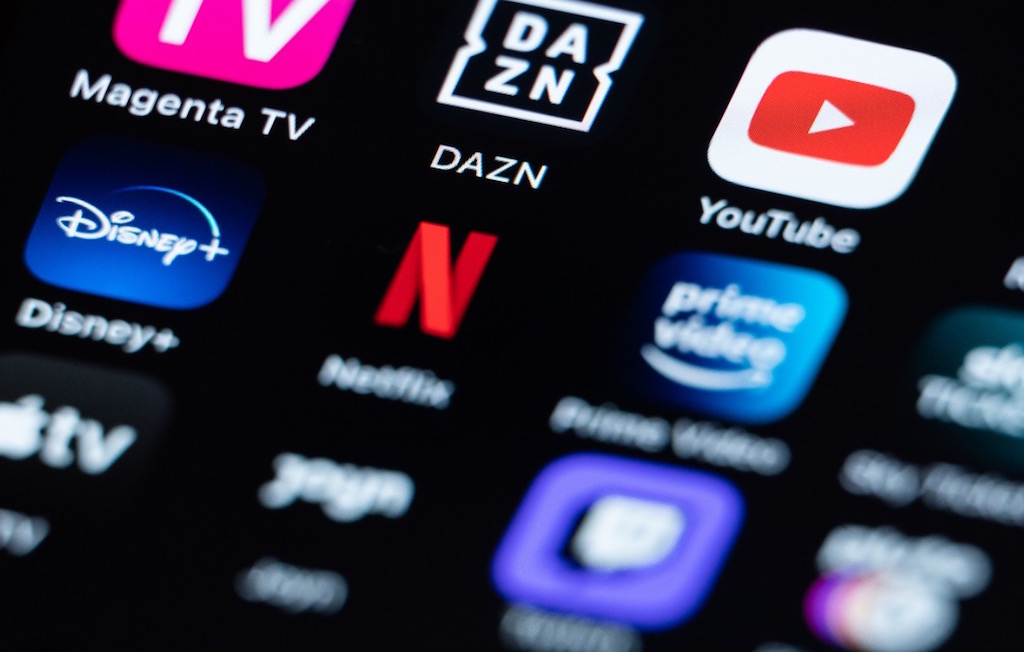
Esta cooperación ya se está produciendo entre varios operadores de Latin America, que precisamente firman acuerdos con Netflix o Amazon para poner o alquilar parte de las infraestructuras para distribuir el contenido dentro de un mismo país. Broadpeak aborda esta necesidad dando el soporte necesario para acoger en sus servidores diferentes tipos de proveedores de contenido, optimizando costes y ofreciendo una mejora de la calidad de la experiencia vía multicast ABR. Asimismo, para aquellos agentes que se encuentren en el proceso de expandir el desarrollo de sus infraestructuras, Broadpeak pone a servicio de la industria herramientas para que desarrollen su propio servidor de streaming.
The flexibility, en palabras de Lannuzel, es clave: “El éxito de Broadpeak en Latinoamérica o en España y Portugal, países clave para nosotros, radica en la capacidad para adaptar nuestras tecnologías, personalizándolas para los entornos propios de los operadores, o implementándolas de forma rápida, híbrida o progresiva para que estos puedan lanzar rápidamente sus ofertas innovadoras hacia los usuarios finales”. Esta filosofía también se extiende a los business models, otorgando la posibilidad de ofrecer financiación a los operadores, o apostando por el despliegue de equipos de soporte local: “Tenemos más de 20 ingenieros locales en Latinoamérica, España y Portugal que apoyan el desarrollo de los clientes, así como un NOC 24/7 con soporte a nivel mundial. Nuestro equipo tiene una rotación mínima: es un mercado muy interesante en el que la empresa tiene éxito y esperamos que siga siendo así”.
Diseñando el futuro de la industria
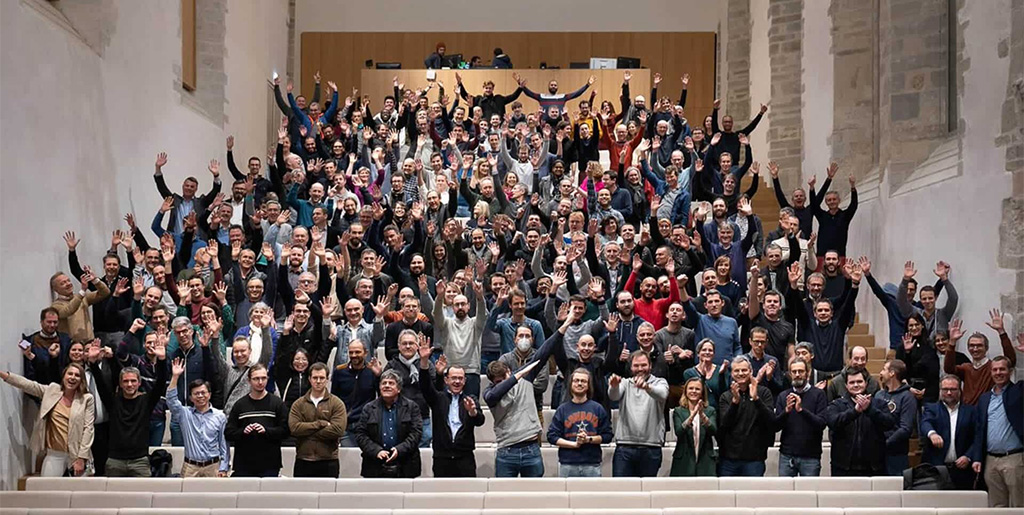
15 años después del nacimiento de Broadpeak, el mundo del streaming sigue redefiniéndose adaptándose a las necesidades de los usuarios y beneficiándose del progreso de las tecnologías. Lejos de conformarse, la empresa francesa continúa trabajando activamente para mejorar todas las fases de su negocio a través de herramientas como el machine learning o la inteligencia artificial.
“Al desplegar estas herramientas para predecir el comportamiento de los usuarios, se facilita la planeación de la capacidad, estimando el nivel de tráfico que vamos a tener. Es una ventaja importante, porque no solo permite garantizar la calidad de la experiencia, sino optimizar los costes operativos”, explica Lannuzel, quien también señala que estos despliegues de IA también se extienden a la inserción de anuncios: diferentes algoritmos que arrojan luz sobre la predictibilidad de los gustos, mientras que el posible éxito de las marcas permite la posibilidad de seleccionar el spot más adecuado entre varios candidatos en un mismo slot.
“El futuro conllevará oportunidades de interactividad y personalización de la experiencia, pero también obstáculos tecnológicos. Desde Broadpeak, estamos más que preparados para enfrentarlos”.
Este es el presente, pero todavía queda el futuro. Broadpeak cuenta con un departamento llamado “Exploración” que prueba tecnología a tres y cuatro años vista. Sus integrantes cuentan con la visión necesaria para investigar tendencias y tecnologías recién salidas de centros de desarrollo científicos para aplicarlas a la distribución de vídeo: “Es un trabajo que requiere de inversión. Lo sabemos y somos muy conscientes, pero estamos ante una condición muy importante de la supervivencia y el crecimiento de esta industria”.
He streaming y el IP, más allá de ser un canal complementario, apunta a convertirse en el estándar de consumo audiovisual. Lannuzel está convencido. Frente a este futuro, solo queda seguir trabajando para construir, paso a paso, capacidades de streaming sólidas, seguras y sostenibles que permitan dar paso a una nueva era: “Hace poco mantuve una conversación en la que comentábamos que los transmisores de televisión van a desaparecer. Algunos países ponen la fecha en el año 2030; otros, en el 2033 o 2035. Esto conllevará que la distribución será 100% IP. El futuro conllevará oportunidades de interactividad y personalización de la experiencia, pero también obstáculos tecnológicos. Desde Broadpeak, estamos más que preparados para enfrentarlos, dado que los estamos poniendo a prueba en el laboratorio o junto con algunos de nuestros clientes desde hace años”.
https://vimeo.com/1047458770?fl=pl&fe=sh
Did you like this article?
Subscribe to our NEWSLETTER and you won't miss anything.
Related articles
 Astro entrusts the packaging and CDN of its streaming services to Broadpeak
 Broadpeak Strengthens CDN Security to Protect Large-Scale Video Streaming
 Adam Hall: 50 years of history with big changes on the horizon
 Sennheiser celebrates 80 years as a key agent for innovation in audio
 TF1 will personalize the advertising of its new streaming service with Broadpeak
 Orange, Dazn and Broadpeak implement multicast ABR (mABR) streaming
 The key in the streaming battle is to value the offer of each platform
 AJA ayuda a Pass a iniciar su camino en el streaming audiovisual
 Delayed consumption, key for fiction content, grows 20% in three years
 The quality of streaming video, key to customer loyalty in mobile broadband
 Changes to the Ross Video Board of Directors
 Broadpeak improves adaptive streaming for IPTV and OTT with C-CAS
 Tiempos de cambios en la portuguesa RTP
 2010: year of changes for audiovisuals