





Jesús Haro: 'Zoomers', technological toys and eternal learning
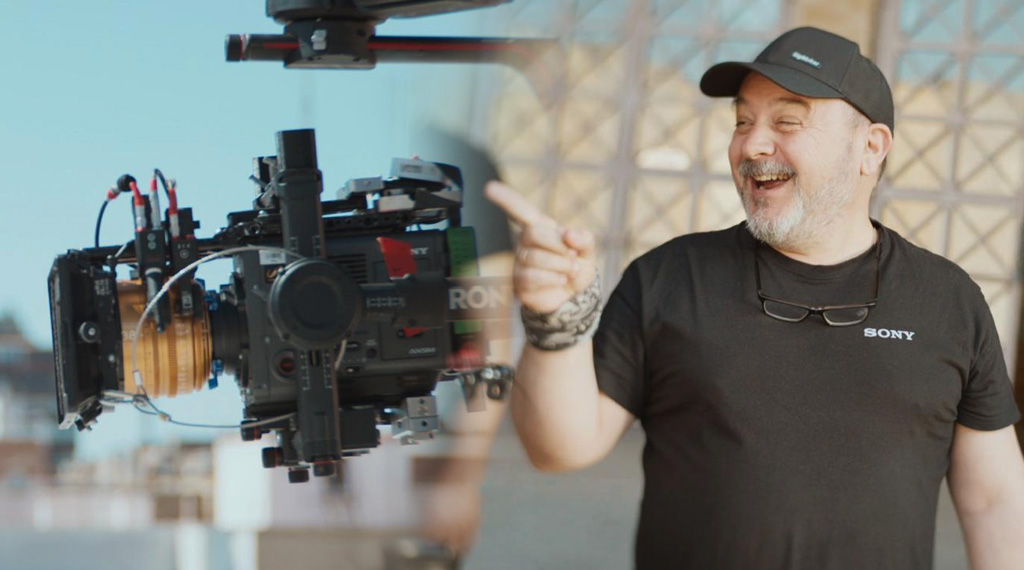

El director de fotografía Jesús Haro reflexiona sobre la evolución del oficio, las revoluciones técnicas que lo acompañan y sus necesidades más acuciantes en el terreno de la formación. Todo, acompañando el estreno de ‘Zoomers’, serie de Dynamo to Prime Video con una aproximación tecnológica que no duda en valerse de desarrollos innovadores de la industria.
“La tecnología no para de crecer y nosotros no paramos de aprender”, comenta Haro echando la vista atrás en su trayectoria. Durante sus décadas dedicadas a la profesión, ha podido ver cómo aquellos esquemas básicos aplicados en formatos como Todos los hombres sois iguales o family doctor han sido transformados aplicando el enfoque cinematográfico, como evidencian sus trabajos en series como Lost (2020), Intervías (2022), Montecristo (2023) o Zoomers (2025), su último proyecto hasta la fecha.
La evolución de la educación audiovisual de los espectadores ha sido clave, pero también el impulso de las marcas por brindar sus soluciones técnicas a un mercado emergente que, a día de hoy, representa la mayor parte del consumo audiovisual de los hogares. “Se pueden hacer muchas cosas más rápido que antes, y a veces no solo más rápido, sino de manera más sostenible. La tecnología nos permite cometer hasta errores o que, en realidad, nuestros errores no se notan. Son, en definitiva, herramientas muy versátiles que nos permiten trabajar mejor”, comenta.
Passionate about technology y de enfrentarse a nuevas herramientas, Haro reconoce que, en ocasiones, se ha cometido el error de abrazar novedades “antes de tiempo”. Se queda con el otro lado de la moneda, aquel que brinda tecnologías “absolutamente imprescindibles y necesarias”; herramientas “alucinantes” que permiten que exista siempre “un juguete para cada necesidad”.
Esta revolución técnica continúa arrojando oportunidades para los proyectos: una democratización del acceso a la tecnología; las puertas abiertas para una generación dispuesta a aportar su grano de arena a la historia de la cinematografía. “Herramientas maravillosas que ya me habría gustado tener cuando empezaba”, en definitiva. Sin embargo, el relevo puede que no esté del todo asegurado. O, por lo menos, tal y como se ha conocido hasta la fecha.
Cuando el acceso a la tecnología es más sencillo que nunca
Alejándonos del ámbito visual, la revolución de las plataformas de audio bajo demanda ha permitido que haya más artistas que nunca al alcance de los oídos del gran público. Todos pueden comprar una pequeña tarjeta de sonido, grabar sus instrumentos y subir el resultado a sus canales favoritos, sin depender de una gran formación especializada, recurrir a los prohibitivos estudios de grabación o pasar por el filtro de las grandes discográficas. Este fenómeno acompañó en el mundo del cine su propia revolución a comienzos del milenio, con certámenes online que reunían talento consagrado (y perdido en el camino) en torno a ventanas como YouTube o Vimeo, o iniciativas como Notodofilmfest.
“Se ha perdido la disciplina que se tenía en los sets. Un set tiene normas y protocolos. Y, desde la dirección de fotografía, hay que aprender muchas cosas: el trato humano y entender que todos los trabajos son importantes”.
“Hubo un momento en el que adquirir una cámara profesional de cine casi te permitía trabajar como director de fotografía”, afirma, entre risas, Haro. El acceso a la técnica ha abierto puertas, pero no ha asegurado unos mejores productos culturales o de entretenimiento. Para ello, sigue siendo imprescindible “formación y experiencia”, en opinión del director de fotografía: “Una cosa es que se popularicen las herramientas, y otra que se sepan usar”, comenta, reconociendo que este acceso acelerado a la cinematografía profesional da como resultados, en ocasiones, rodajes, técnicos y grupos “caóticos”.
Tal y como comentaba recientemente Carlos Cebrián, los rodajes han dejado de ser un lugar en el que se alcanza un silencio absoluto. Es un relevo generacional cuya interpretación requiere de diferentes prismas para comprender todas sus aristas. En definitiva, algo ha cambiado: “Se ha perdido la disciplina que se tenía en los sets. Un set tiene normas y protocolos. Y, desde la dirección de fotografía, hay que aprender muchas cosas: el trato humano y entender que todos los trabajos son importantes”.
La importancia de la silla en los rodajes
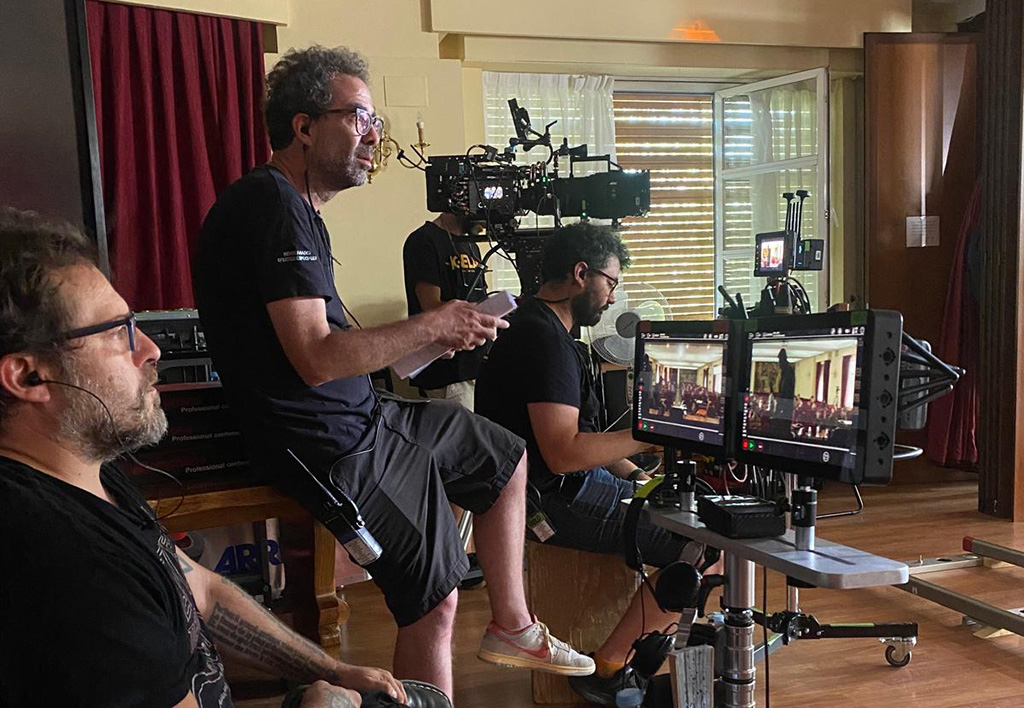
“Los sets son, al mismo tiempo, un sitio superordenado y caótico; un circo en el que están ocurriendo cosas en las tres pistas y, de repente, hay que prestar atención a una sola. A veces no trabajamos con la velocidad que quisiéramos, pero aun en esas circunstancias hay que conocer quién es quién, cuándo hay que tener silencio y cuándo hay que respetar.
Esto es como una maquinaria en la que todo importa. En un rodaje, en ocasiones hay que mover el combo de un sitio a otro, y habrá unas personas encargadas de mover las sillas. Si no se mueven, deja de funcionar. Parece un detalle sin importancia, pero no hacer esa tarea hacer que alguien de repente no se pueda sentar. Y que, cuando mires al fondo del encuadre, veas unas sillas perdidas.
Ese trabajo será tan importante como el que realicen los encargados de hacer retoques de iluminación, maquillaje o peluquería. No hay trabajo pequeño. Parece que no es importante mover unas sillas. Pero sí que lo es”.
Una formación expandida…
Haro, consciente de algunas de las carencias de las nuevas generaciones de dirección de fotografía, ha impulsado iniciativas de formación como el servicio de mentorización Better Call Us. Creado junto con el también director de fotografía Julio Ruiz, esta propuesta trata de ofrecer una experiencia de acompañamiento no tan frecuente en la oferta académica de nuestro país.
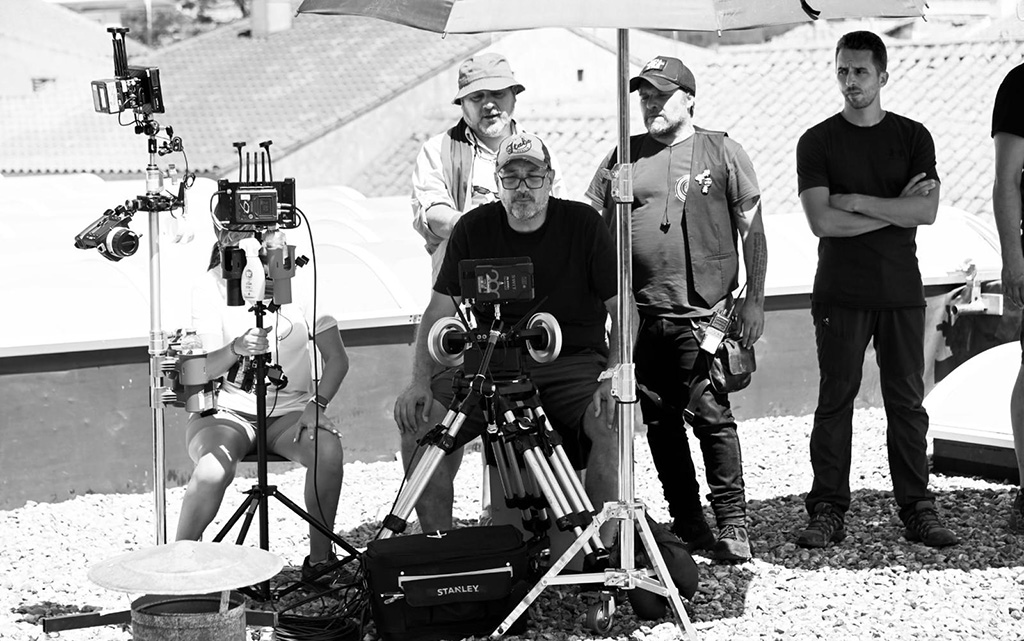
“La verdadera mentorización es estar sentado en un set. Aunque se hagan prácticas de cortometrajes, es imposible que representen lo que ocurre en un set profesional de rodaje”.
“Hay materias que, a veces, se estudian con poco fundamento. Es importante que las personas aprendan con verdaderos profesionales en activo que puedan ofrecer caminos que recorrer. De alguna manera, hay que darles paso”, explica Haro, crítico con algunas de las puertas más habituales de la industria, como trabajos de meritorio o labores de “eléctrico”. “Si vienes de eléctrico, vas a trabajar de eléctrico, vas a realizar un esfuerzo enorme y no vas a estar pendiente de nada. La verdadera mentorización es estar sentado en un set. Aunque se hagan prácticas de cortometrajes, es imposible que representen lo que ocurre en un set profesional de rodaje”, subraya.
En este contexto, Haro sigue considerando importante que las escuelas de formación enseñen los conceptos básicos de la profesión, si bien reclama la creación de comunidades que permitan servir como apoyo mutuo para la ejecución de proyectos. En su opinión, es una “quimera” que las instituciones académicas puedan responsabilizarse del crecimiento profesional de cada una de las personas. Por ello, aboga porque los propios profesionales en activo de la industria tiendan una mano a las nuevas generaciones: “Yo puedo enseñar muchas cosas buenas y malas nacidas de experiencias positivas y negativas”.
… y una formación técnica eterna
Una vez establecidos los pilares básicos de la profesión, ya sean estos humanos o industriales, otra cuestión diferente es la sempiterna evolución tecnológica. Echando la vista atrás, Haro considera clave el advenimiento de las cámaras digitales para la verdadera redefinición de la profesión: “La aparición de las Red One fue un hito. Demostró a todo el mundo que se podía rodar con una cámara digital en 4K y en logarítmico y pseudologarítmico”.
“Ya me habría gustado a mí tener en family doctor las herramientas que tenemos ahora. Hay material para todos los presupuestos y necesidades”.
El director de fotografía, quien reconoce que, en su periodo de siete años en Kodak formaba a vendedores “en contra del discurso digital”, se vio obligado a rendirse a los beneficios de este tipo de contextos: desde la versatilidad de las cámaras, hasta la logística de un rodaje digital. Tras esta revolución vinieron muchas otras: desde la llegada de los LED, hasta la actualización de los procesos de dailies, pasado por la actual proliferación de ópticas: “En todos los años que llevo de profesión, nunca he visto salir al mercado tantas ópticas de distintos fabricantes. Hay que adaptarse a los nuevos mercados y a sus nuevos jugadores”.
“Ya me habría gustado a mí tener en family doctor las herramientas que tenemos ahora. Hay material para todos los presupuestos y necesidades. Por ejemplo, son impresionantes las soluciones que están saliendo en iluminación con precios razonables. Trabajar con LED y, en algunos momentos, con baterías, te da una versatilidad y una velocidad increíble”, explica.
La intención visual del negativo
“Aún con todo, sigo defendiendo la película como medio artístico y de expresión, sin duda alguna. Pero, en términos de logística y tecnología, de ningún modo llega al punto en el que estamos trabajando con el digital.
Recientemente, Kodak ha lanzado una emulsión que quita la capa de Remjet, la capa antihalo que tenía la película y que producía motitas cuando se limpiaba en los procesos de laboratorio. Y eso me hace preguntarme: ¿Para qué quiero una película mejor, sin defectos como el blooming o el halo, cuando precisamente es eso lo que buscas? Cuando ruedo con película, busco un carácter distintivo, una imagen diferente a la digital, que a veces resulta demasiado pulcra. ¡Déjame la película con estos defectos!
Zoomers: jugando con la técnica
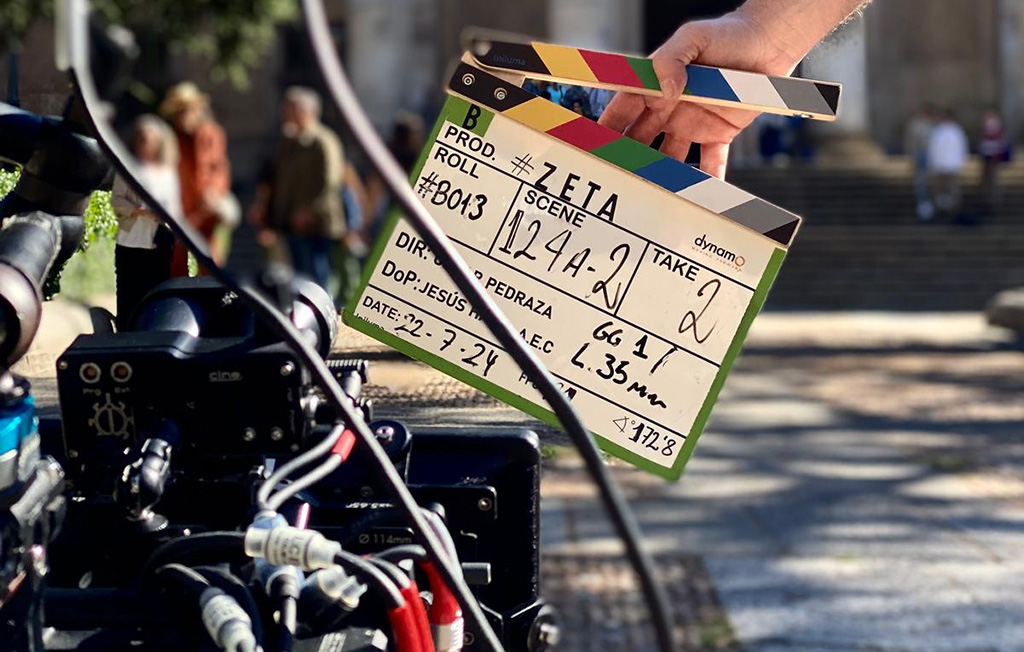
Created by Federico Mayorca y Guille Van Dreï, y dirigida por Óscar Pedraza, Zoomers propone una mirada cercana, divertida y original to the generación Z. Ofrece ritmo, agilidad, personajes creíbles y una dirección valiente que juega sin reparos en explorar visualmente la subjetividad de Javi, su desdichado protagonista. Jesús Haro, designado por la dirección de producción como director de fotografía, encontró en Óscar Pedraza una persona “tremendamente afable, creativa y abierta a ideas”, lo que terminó por generar una conversación que se tradujo en elecciones creativas que arrojaron un producto “visualmente especial”.
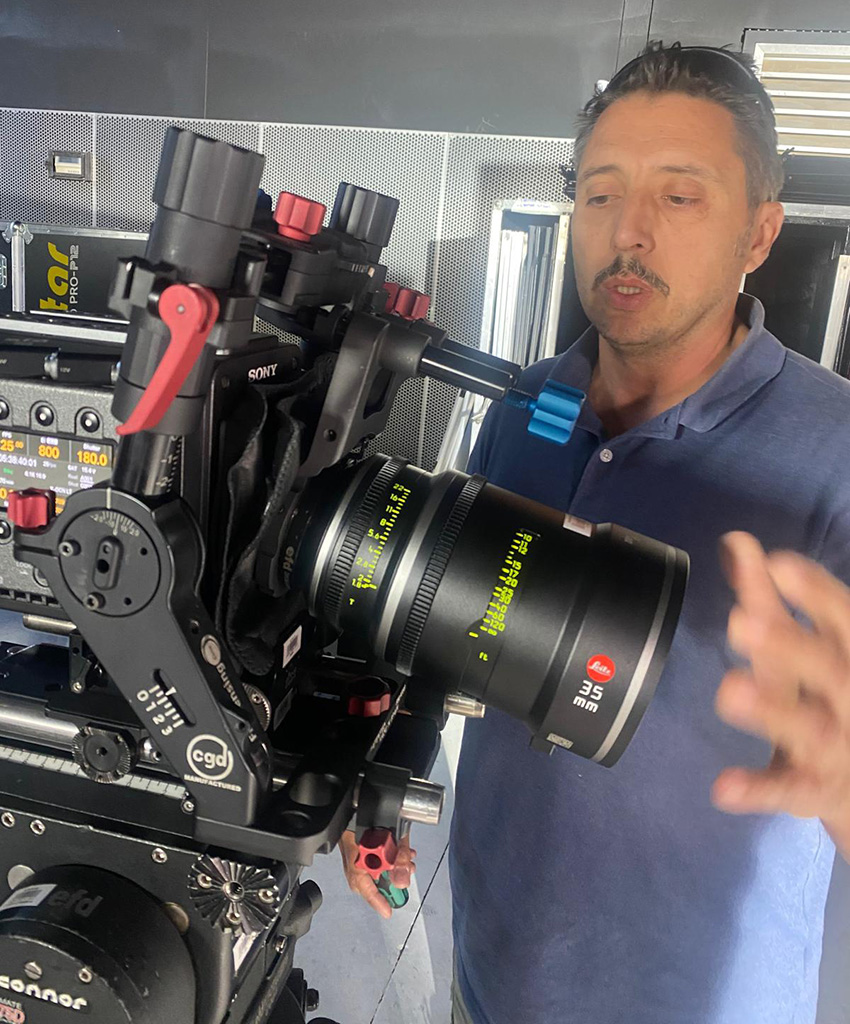
 Si bien Haro suele trabajar con todo tipo de cámaras según las necesidades del proyecto, encontró la herramienta adecuada para Zoomers in the Venice 2 of Sony. Ya conocía a su hermana mayor, con la cual comparte muchas de las características que acompañaron a Haro durante todo el rodaje: “La sensibilidad, su ISO dual, los filtros internos neutros que me permiten tomar decisiones a toda velocidad, accesorios como el Rialto… ¡Es una cámara tremendamente útil para los ritmos a los que estoy acostumbrado a trabajar!”.
“Hay otro aspecto por el que he estado muy cómodo trabajando con la Venice 2: sus archivos no pesan demasiado. Su formato RAW comprimido permite que tengas a tu DIT al lado haciendo procesos de manera rápida y solvente. En esta ocasión, yo cerraba el rodaje y mi DIT, Óscar Gómez, que es maravilloso, ya había terminado su trabajo a los 10 minutos. Es una gran ventaja”, explica.
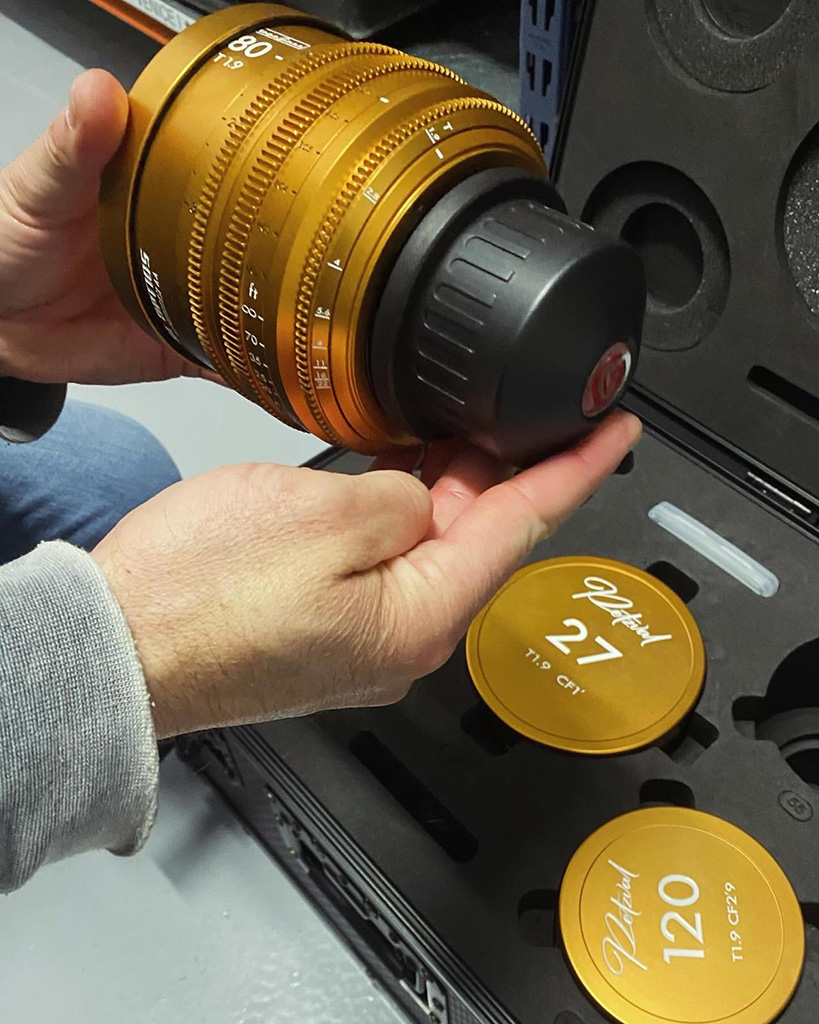
En el apartado de las ópticas, Haro se decantó por las Leitz Prime, las cuales arrojan unos resultados clínicos, así como por el zoom ARRI Signature 65-300. Junto a ellas, unas soluciones mucho más expresivas que permitieron exprimir la vertiente subjetiva de la historia de Zoomers: las ópticas Petzval. “Son un prototipo de GL Optics; unas ópticas vintage con muchos defectos. Solamente su centro tiene foco. En combinación con las Leitz, nos permitían subrayar los momentos en los que entrabas en el punto de vista de los protagonistas, y estos entraban en sus ensoñaciones. Fue una combinación buenísima, la verdad”. EFD Spain fue la compañía encargada de proveer el material de luz y cámara.
 Entrando en el sueño
La vertiente subjetiva de los personajes de Zoomers permitió a Pedraza y Haro experimentar con tools que permitieron llevar a un nuevo nivel la expresión visual de esta serie de seis capítulos. Catts Camera proporcionó al equipo de producción un prototipo del Rollrig II of Movcam, solución que permite rotar la cámara ofreciendo un particular caos controlado en las escenas en las que los protagonistas entran en estado de embriaguez: “Es un dispositivo que está pensado para poner la cámara a una determinada altura, pero manteniendo siempre el horizonte. De esta forma, te podías poner al hombro una cámara de estas dimensiones y aportar movimiento a la imagen”.
Otro dispositivo clave para la producción fue Freelensing Cine, una herramienta desarrollada por el director de fotografía español Sergio de Uña: “Es un dispositivo maravilloso que nos permite cambiar los planos focales para dirigir la atención y hacer la imagen de forma diferente”. La creatividad no se queda aquí. Haro reconoce que se lo han pasado “bomba”: “Hemos utilizado ópticas periscópicas, realizamos una secuencia completa a 22 de diafragma para tener el máximo de profundidad de campo e introducir efectos físicos… Son pequeñas cositas que han hecho que disfrutáramos como niños”.
La intimidad frente a la técnica
“He tenido la suerte de acceder a casi todas las novedades técnicas. Siempre me ha terminado tocando. Me he divertido mucho y me encanta hacer películas de todo tipo. También las más intimistas, con primeros planos. A veces, uno está en proyectos en los que hay demasiadas cosas alrededor; equipos muy grandes y poca cercanía entre las personas del equipo. Y echo de menos directores más artísticos y personales”.
“Me gusta que cada momento cuente, y que incluso las cosas que no estén previstas se puedan incorporar a la producción. Añoro eso. Pero lo que sí que echo de menos es que me llamen para rodar una serie en un hotel de cinco estrellas. A mí me encanta rodar en sitios preciosos, no rodar en almacenes, suburbios y disfrutar del catering en esos mismos lugares polvorientos. ¡Yo quiero un White Lotus!”
A report by Sergio Julián Gómez
https://www.youtube.com/watch?v=hLfZDsmEKLE&pp=ygUUYXPDrSBzZSBoaXpvIHpvb21lcnPSBwkJCAoBhyohjO8%3D
Did you like this article?
Subscribe to our NEWSLETTER and you won't miss anything.
Related articles
 Eterno Island Pictures crosses the midway point of filming 'Wizard of Oz'
 Education and audiovisual assembly: learning at all educational stages?
 For-A promete “avances tecnológicos únicos” en NAB 2022
 10th anniversary of ‘Al Rojo Vivo’ (ARV) by LaSexta: technological secrets, origin of the pactometer…
 HDR10+ adds new technological partners
 World technology leaders offer demonstrations of their latest advances at the 4K HDR Summit
 Amazon Web Services Implements New Media Analysis Features Based on Machine Learning
 Machine learning and native IP support will mark EVS presence at IBC
 Agama uses artificial intelligence and machine learning to improve quality in OTT services
 Tmediat will attend IBC together with its technological partners
 English Club Tv offers its services at BIT Audiovisual at the service of learning English
 EVS conmemora en NAB dos décadas de éxitos tecnológicos y de negocio
 Sony breaks technological boundaries with first 4K theatrical broadcast
 Technicolor exhibe su próxima generación de desarrollos tecnológicos