





‘Mar i cel’ (3Cat): la demostración de que los límites entre cine y televisión ya no tienen sentido

Paulí Subirà, Llorenç Gómez, Domenec Gibert y Xavier Bonet trasladan todos los detalles de la versión cinematográfica del emblemático musical ‘Mar i cel’, una producción de 3Cat junto a la compañía teatral Dagoll Dagom y l’Orquestra Simfònica del Vallès en la que el equipo de la televisión catalana ha unido técnicas de realización broadcast con la última tecnología cinematográfica y de audio inmersivo.
La inquietud por la tecnología siempre ha residido en el seno de 3Cat. “Asumimos riesgos para abrir caminos”, explica Domenec Gibert, enumerando distintos esfuerzos como el “primer documental” que se hizo desde una televisión pública con la cámara cinematográfica digital Red One (“el primer modelo que llegó en España”); las primeras piezas televisivas en HD, ejecutadas con cámaras Sony en 2003; proyectos pioneros de series de ficción grabadas en Super35 y con ópticas PL, e incluso la utilización del 3D para el documental Enxaneta. Esta inquietud por la innovación se muestra de forma transversal en la corporación catalana, como evidencian proyectos más recientes como su ambiciosa transición a las infraestructuras IP o su renovado estudio de informativos, que cuenta con tecnología pionera en el mundo.
Con la colaboración de partners tecnológicos como Fujifilm o Sony, 3Cat ha querido llevar al siguente nivel su nuevo reto: adaptar al formato cinematográfico el emblemático musical Mar i cel de la compañía teatral Dagoll Dagom. Con un rodaje ejecutado en apenas dos jornadas y un importante trabajo de postproducción de vídeo y audio, el resultado es capaz de equipararse a las principales obras teatrales dirigidas al circuito cinematográfico.
Cincuenta profesionales de 3Cat se han entregado a este proyecto firmado en 4K, HDR y con audio inmersivo Dolby Atmos que afronta un recorrido exclusivo en salas antes de llegar a las plataformas propias de la televisión catalana. Paulí Subirà, responosable de imagen de 3Cat y director de Mar i cel; Xavier Bonet, realizador de la película y responsable de postproducción; Domenec Gibert, director de fotografía, y Llorenç Gómez, ingeniero de sonido, relatan todas las claves de Mar i cel, una obra que, como el equipo de producción de la película destaca, no podría haber sido posible sin la combinación de las últimas tecnologías de captación cinematográfica and the técnicas de realización televisivas.
La celebración de un musical histórico
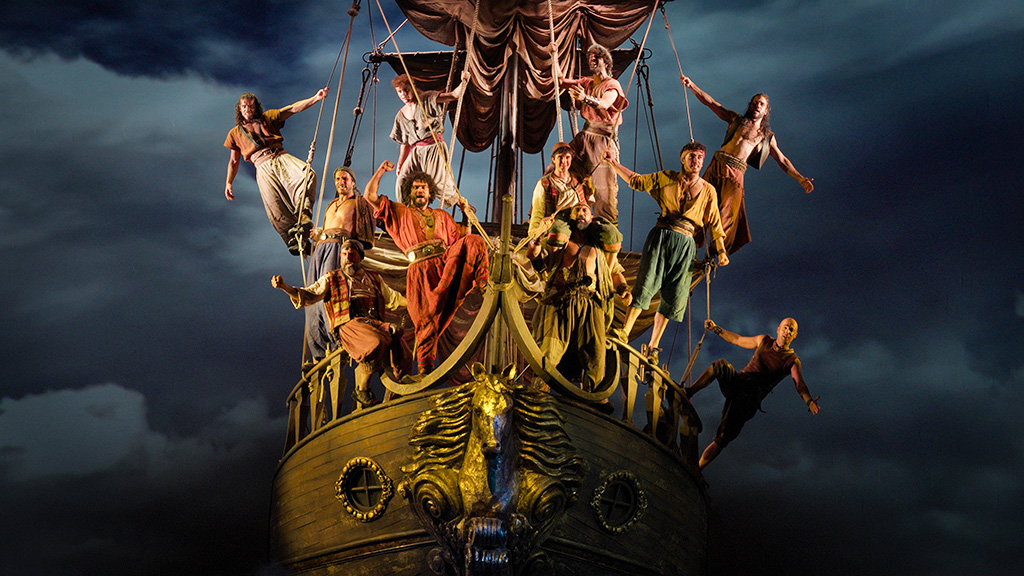
La cuarta y última representación de Mar i cel no solo sirvió para conmemorar un musical histórico que han visto 1.600.000 espectadores a lo largo de sus cuatro etapas (1988, 2004, 2014 y 2024), sino para marcar el adiós de los escenarios de la emblemática compañía catalana Dagoll Dagom tras 50 años de historia. “Es una obra patrimonial de Cataluña y Paulí Subirà propuso crear el legado audiovisual de esta obra”, relata Bonet.
Xavier Bonet: “Decidimos aportar la máxima musculatura técnica posible dentro de nuestros recursos humanos y técnicos”.
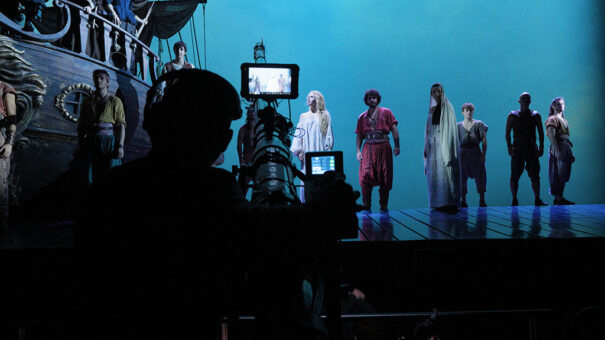
3Cat, que cuenta con una amplia experiencia en la adaptación de obras teatrales para televisión, era plenamente consciente de la potencialidad visual de la obra, que contaba con la dirección de Anna Rosa Cisquella y Miquel Periel, y el diseño de iluminación de Albert Faura. Por ello, se decidió aportar la “máxima musculatura técnica posible dentro de nuestros recursos humanos y técnicos”, un camino que se decidió llevar al siguiente nivel con la inclusión de la técnica cinematográfica dentro del relato teatral.
Solo así se podía capturar con una cercanía inédita y los máximos valores de producción para su preservación este musical basado en la piratería del Mediterráneo del siglo XVII y la expulsión de “300.000 moriscos decretada por Felipe III en 1609 del reino de España”, como relata la sinopsis de la obra.
La colaboración clave de Fujifilm y Sony
Uno de los principios del rodaje de Mar i cel pasaba por la mínima intervención en el diseño de iluminación y escenografía de la obra teatral. La producción tendría que cobrar vida representando las mismas emociones que vive el espectador desde la platea; de hecho, uno de los pases de la grabación se hizo con el público en directo, lo que hubiera provocado fallos de continuidad en el caso de que se alteraran la luz y color para determinadas escenas.
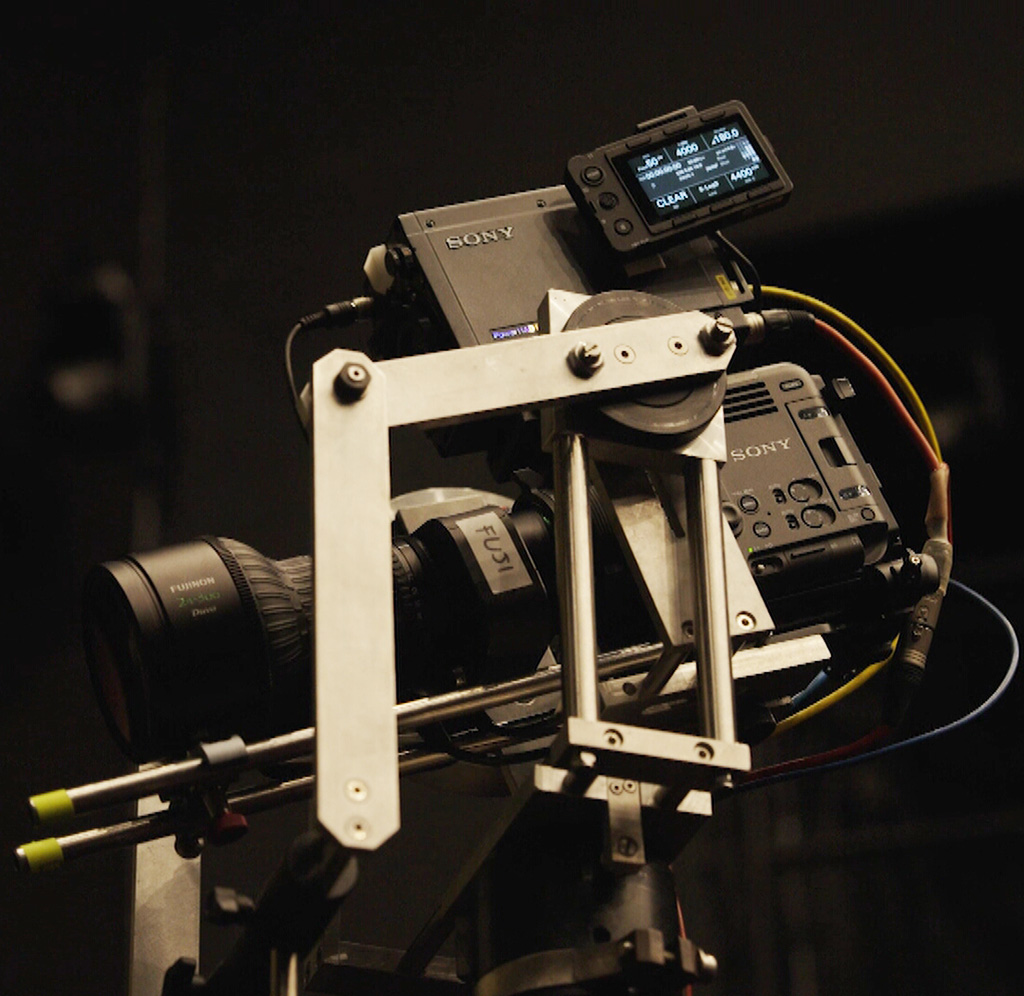
Para poder captar la complejidad de las luces, color y sombras propias de la realidad, 3Cat se apoyó en una serie de herramientas provistas por Fujifilm y Sony. En palabras de Gibert: “La obra está pensada para la gente que la ve en el teatro, cuyos ojos perciben colores y contrastes que no pueden registrar las cámaras estándar. Con la llegada de las cámaras cinematográficas, que nos permiten unas sensibilidades cuatro o cinco veces superiores de lo que estamos acostumbrados, podemos acercarnos más a lo que puede ver el espectador en la sala. (…) Lo que Fuji y Sony nos aportan, evidentemente, es la tecnología que nos permite que experimentemos y hagamos realidad una producción como esta”.
Domenec Gibert: “Con la llegada de las cámaras cinematográficas, que nos permiten unas sensibilidades cuatro o cinco veces superiores de lo que estamos acostumbrados, podemos acercarnos más a lo que puede ver el espectador en la sala”.
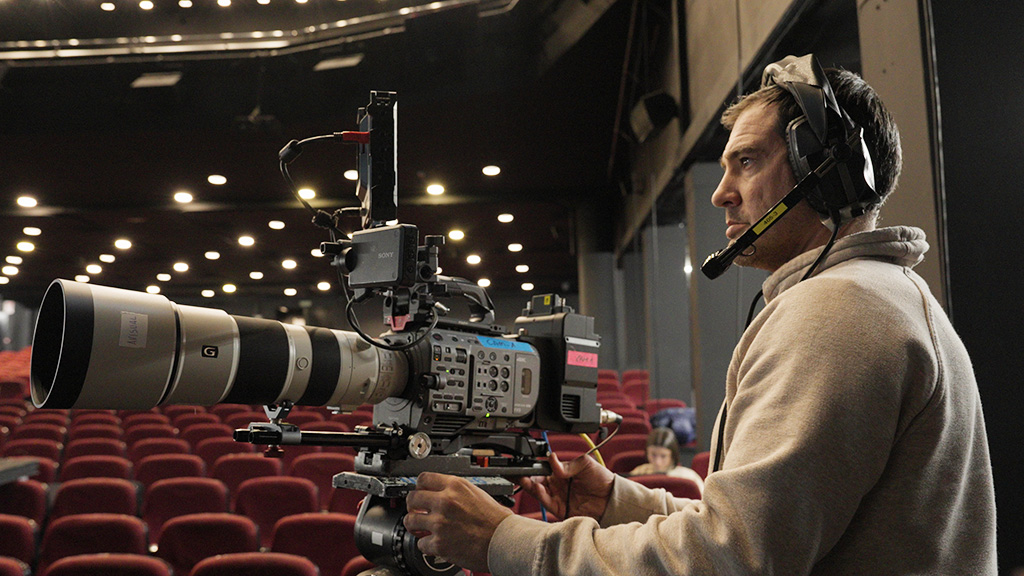
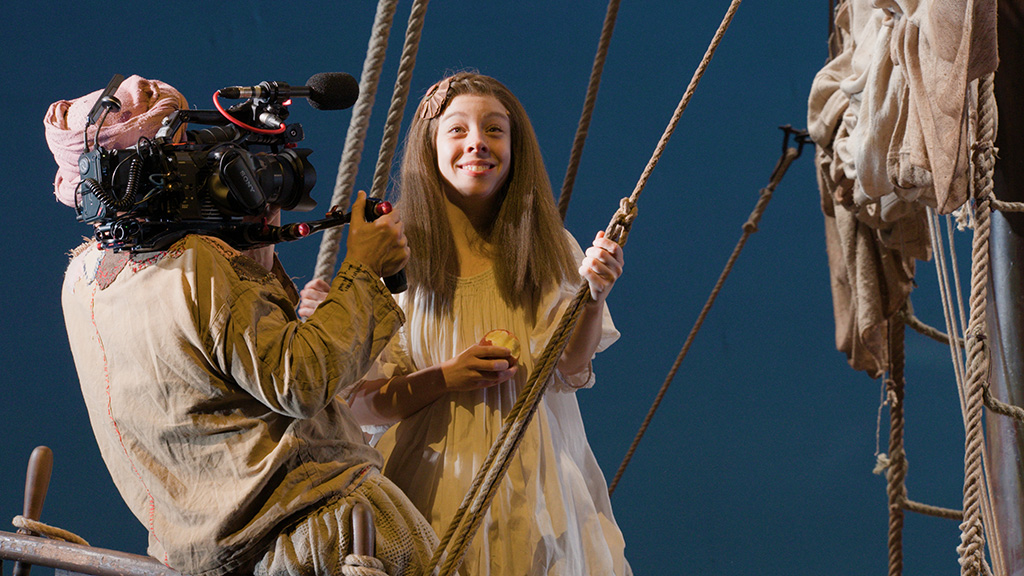
Concretamente, el equipo de 3Cat desplegó las cámaras cinematográficas Sony Venice y Burano, así como unidades más compactas como la FX6 y FX9, todas ellas grabando en full frame a 4K en S-Log3 y a 10 bits. Estas se acompañaron de ópticas Sony: la FX6 montó un 28-135 mm, mientras que para la FX9 se utilizó un modelo 200-600 mm. Con respecto a las Venice y Burano, se apostó por las ópticas cinematográficas Duvo of Fujifilm: “Realmente eran impresionantes; nos dieron una calidad prístina”.
Un rodaje histórico en 48 horas
The captación visual of Mar i cel se realizó en apenas dos jornadas y sin ningún ensayo previo. En la primera, por la mañana se hizo un pase de la gran mayoría de las escenas con una polecam para obtener planos más abiertos, mientras que, por la tarde, se comenzó el rodaje de la primera mitad de la obra. La mañana de la segunda jornada se destinó a captar el segundo acto del musical; esa misma tarde, la producción se cerró con un pase completo ante público.
Domenec Gibert: “Contamos en cada momento con un contraste muy crítico (…) Al trabajar con estas ópticas, a estas distancias y con unos diafragmas tan ajustados, se requiere de un nivel de operador muy alto. Hicieron un trabajo fantástico”.
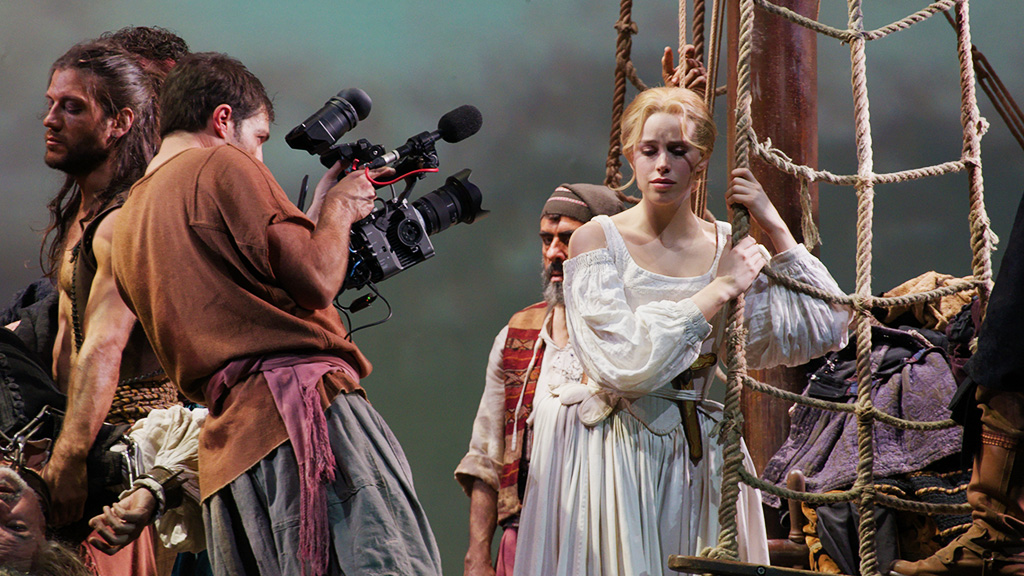
En el plano narrativo, el objetivo pasaba por dar importancia a la acción dentro del barco. Por ello, se mimetizó de piratas a dos operadores de cámara entre los personajes de las escenas, los cuales se encargarían de captar planos cortos armados con las FX6 y angulares. “Queríamos planos muy cerrados para conseguir la máxima inmersión, por lo que decidimos que, incluso desde las cámaras de platea, se buscaran planos muy cercanos”, asegura Bonet, dejando claro que el enfoque “a la italiana” no tendría cabida en esta producción. Este esquema de nueve cámaras se completaría con varios equipos dispuestos en la parte alta del anfiteatro, destinados a dar un plano general.
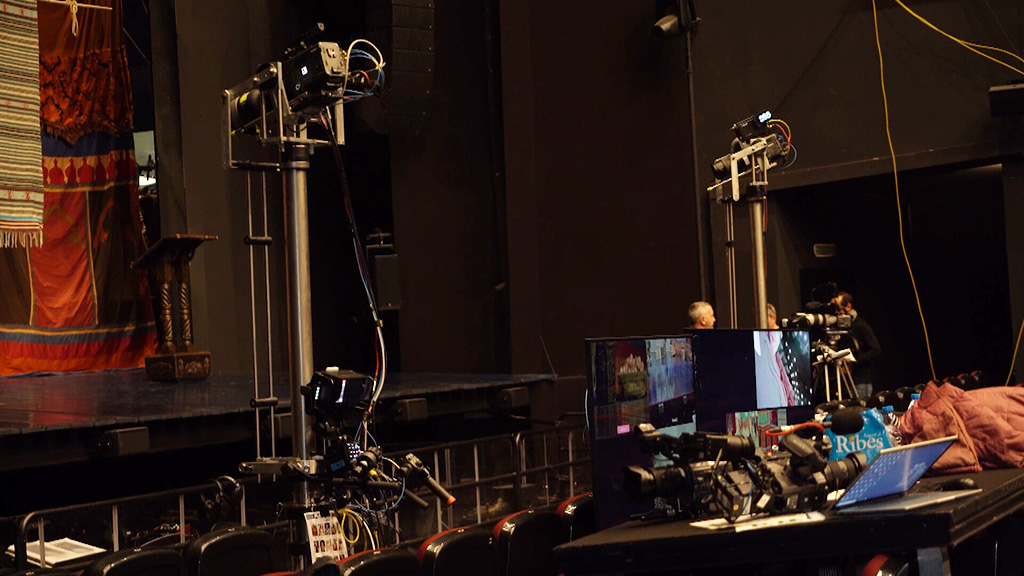
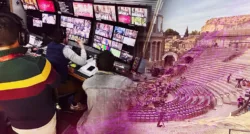
Los diafragmas de las cámaras, en la cuerda floja para asegurar mantener el complejo lenguaje cinematográfico en el entorno teatral, se controlaron desde una unidad móvil, adaptando los RCP del vehículo: “Contamos en cada momento con un contraste muy crítico (…) Al trabajar con estas ópticas, a estas distancias y con unos diafragmas tan ajustados, se requiere de un nivel de operador muy alto. Hicieron un trabajo fantástico”, subraya Gibert.
Este enfoque tan cercano aporta al espectador una perspectiva inédita of Mar i cel. En palabras del director de fotografía: “Hay un elemento muy importante que es la democratización de la obra. Al final, cuando vas al teatro, estás más cerca o lejos dependiendo de tu capacidad económica. La obra que ven los espectadores de la primera fila y de la veinte son diferentes. Con este Mar i cel, todo el mundo tiene la misma experiencia inmersiva. Me lo decía una de las actrices: “Cuando he visto la obra, me he dado cuenta de que estaba viendo lo mismo que cuando actúo; esa expresión de mi compañero cuando le estoy diciendo algo””.
Un flujo tecnológico sostenido en la experiencia televisiva
Para Mar i cel, 3Cat ha recorrido un camino “que no está marcado”. Como explica Gibert, el equipo de realización del musical ha afrontado en esta producción un reto inédito: establecer un flujo de trabajo híbrido que une cámaras de cine con un modelo de realización televisiva. “Hemos demostrado que ambos mundos pueden funcionar a la vez”, comenta.
Paulí Subirà: “Mi idea de trabajo no era hacer televisión, sino aprovechar la filosofía del multicámara con un tratamiento cinematográfico. (…) Hemos logrado una hibridación que pocas veces se ha conseguido”.
Apoyarse en el universo broadcast no ha sido una decisión baladí. Paulí Subirà, a este respecto, asegura que, si no se hubiera contado con un diseño de captación basado en el modelo multicámara del entorno televisivo, la producción de Mar i cel en tan solo dos jornadas no hubiera sido posible. “Mi idea de trabajo no era hacer televisión, sino aprovechar la filosofía del multicámara con un tratamiento cinematográfico. (…) Hemos logrado una hibridación que pocas veces se ha conseguido. Ha sido un trabajo muy intenso, muy duro, pero ha ayudado mucho al producto”, subraya.
Etalonado con DaVinci Resolve, Mar i cel ha reunido más de 2.000 tomas y 50 TB de material, que ha acabado condensado en un proyecto de más de 50 capas de vídeo. Para acometerlo, la postproducción se realizó siguiendo el estándar ACES, con un espacio de color BT.2020 y directamente con un máster HDR. Posteriormente, se hizo un trim pass con Dolby Vision para obtener una copia SDR, desde la cual se generó una versión DCP a 4K y 25p, dada la falta de compatibilidad de muchas salas con la reproducción HFR.
Grandes desafíos en el apartado del audio
La creación del apartado sonoro de Mar i cel alcanzó una complejidad sin precedentes en el tratamiento acústico de las producciones teatrales firmadas por 3Cat. La captación se estructuró en torno a distintas fases que tuvieron que ser abordadas en detalle en fase de postproducción, desplegando una amplia variedad de herramientas que han incluido distintos plug-in basados en procesos de inteligencia artificial.
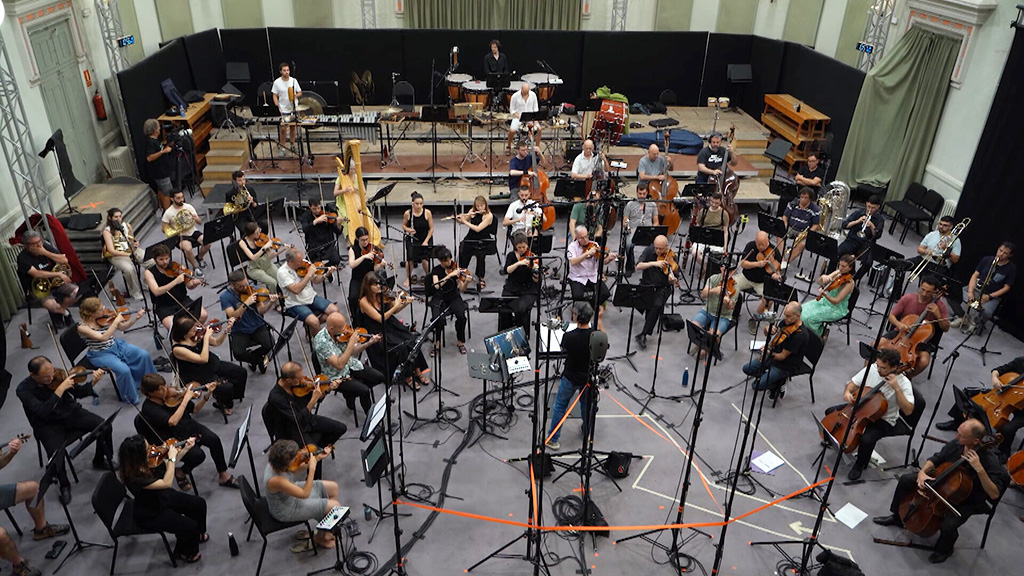
Tras capturar una base musical completa de referencia con la banda del teatro, el equipo liderado por Llorenç Gómez grabó las voces de los actores usando la microfonía habitual del espectáculo y registrando digitalmente la señal vía Avid ProTools. El siguiente desafío fue la sustitución de este soporte musical por la grabación de la pista sinfónica, ejecutada por la Orquestra Simfònica del Vallès. Para acometer este proceso, se diseñó un sistema de captación específico para Atmos basado en un array principal en forma de arco de 11 micrófonos con equipos como los DPA 4006 con esferas de ecualización de 40 mm (similares a los Neumann M50) que fueron complementados con los DPA 4018 y otras soluciones específicas para cada familia instrumental.
Llorenç Gómez: “Después de muchos dolores de cabeza y decenas de horas, hemos podido entregar un contenido en Dolby Atmos del cual estamos muy orgullosos”.
El hecho de que la orquesta fuera captada para un fin cinematográfico hizo que el conjunto tuviera que reorganizarse para favorecer la mezcla: los integrantes de la sinfónica se situaron en un semicírculo con las cuerdas distribuidas de una forma no tradicional para lograr una mayor amplitud del estéreo y metales abiertos a 110 grados en izquierda-derecha, entre otras reorganizaciones. En el centro de esta disposición, un array de soluciones preparadas para Atmos funcionaría a modo de “lente acústica”, secundado con dos arcos adicionales de microfonía como refuerzo.
El montaje, que se realizó en una semana sobre un estudio de audio digital de alta gama (con una monitorización individual por IP y sistemas de vídeo e intercomunicación con el director) con revisiones diarias para validar tomas, enfrentó posteriormente la siempre compleja parte de postproducción. El aspecto más complejo, en palabras de Gómez, fue la eliminación de la música filtrada en los micrófonos de cabeza de los actores, para la cual se hizo un trabajo palabra por palabra, troceando y evitando artefactos, con herramientas manuales y asistidas vía IA. Tras lograr este hito, y reproducir los sonidos de ambiente eliminados en el proceso, se requirió un ajuste milimétrico de tempo, así como microediciones de voces e instrumentos para lograr la sincronización absoluta, todo asistido por Sergi Riera y Maurizio Tonelli, responsables de edición y mezcla de voces y música.
“Después de muchos dolores de cabeza y decenas de horas, hemos podido entregar un contenido en Dolby Atmos del cual estamos muy orgullosos”, explica Llorenç Gómez, cuyo trabajo fue imprescindible para la generación de los tres formatos de audio disponibles en la exhibición cinematográfica: Dolby Atmos, 5.1 y 7.1.
La experiencia cinematográfica y en UHD real se queda en 3Cat
Tras la experiencia con Mar i cel, 3Cat se ha propuesto seguir redefiniendo los límites entre la creación televisiva y la técnica cinematográfica. Tal y como confirma Paulí Subirà, la idea de la corporación es contar permanentemente con una unidad móvil con una pequeña selección de cámaras y lentes con un look cine: “Este proyecto nos ha ayudado a certificar que podemos asumir este flujo de trabajo y que es un lugar al que nos podemos dirigir. En informativos no tendría sentido, pero nuestra idea es repensar cómo podemos implementar esta metodología y trasladarla a otros productos que tenemos en la televisión para elevar su nivel”.
Paulí Subirá: “Este proyecto nos ha ayudado a certificar que podemos asumir este flujo de trabajo y que es un lugar al que nos podemos dirigir. En informativos no tendría sentido, pero nuestra idea es repensar cómo podemos implementar esta metodología y trasladarla a otros productos que tenemos en la televisión para elevar su nivel”.
Esta producción cinematográfica acabará por conformar un catálogo de contenido en UHD con los máximos estándares técnicos. De esta forma, 3Cat busca defender la relevancia de estas resoluciones frente a la estrategia de otros agentes en torno a estas técnicas, basadas frecuentemente en reescalados o un tratamiento audiovisual que no representa el potencial de esta tecnología: “Se están promocionando muchos canales con la etiqueta UHD, lo que es muy discutible. No queremos entrar en esa guerra. Nuestra visión es proteger lo que es la UHD de verdad. (…) Cuando empezó el HD, todo el mundo hinchó esos canales y no había ni un 10% de producción real en esa resolución. Ahora estamos en lo mismo, y es algo que me preocupa”, explica Paulí Subirà, cuya opinión es inmediatamente secundada por Bonet: “No queremos poner en antena contenido que no sea nativo en Ultra Alta Definición para no engañar al espectador”.
Mar i cel, en exhibición en 50 salas de toda Catalunya y Comunitat Valenciana, busca traspasar fronteras y llegar a todo tipo de mercados, superando todas las barreras lingüísticas. Ante 3Cat, se presenta una oportunidad ambiciosa, que solo podría haber sido posible con la unión de dos mundos dispuestos a entenderse ante el progreso de la tecnología y la redefinición de las preferencias de los espectadores: la televisión y el cine. Tal y como concluye Paulí Subirà: “La idea es que producciones con este nivel puedan abarcar un mercado global. La gente busca este tipo de espectáculos. Y expertos que han podido ver Mar i Cel nos han certificado que la obra está al nivel o por encima de muchas otras cosas que llegan de Europa”.
Un reportaje de Sergio Julián Gómez
https://youtu.be/gDdDl0blaSs
Did you like this article?
Subscribe to our NEWSLETTER and you won't miss anything.
Related articles
 Canal Extremadura: cuando mantener una unidad móvil no tiene sentido en una televisión
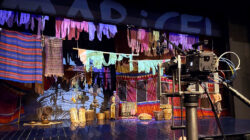 3Cat chooses Fujifilm Duvo optics to shoot the musical 'Mar i Cel' with a “cinema look”
 Emplazamiento de producto en cine y televisión: claves, límites y precauciones
 Blackmagic, omnipresente en el rodaje y postproducción de ‘Avatar: El sentido del agua’
 The Government gives the green light to the draft Law on cinema and audiovisual culture that dilutes borders between cinema and TV
 Juan A. Fernández, vicepresidente de AEC: entre el cine de ficción y el cine científico
 Netflix refuerza su liderazgo entre las apps de televisión y cine
 Por primera vez, el número de internautas en España que tienen Smart TV es superior a los que no la tienen
 El 29% de todos los canales de televisión europeos tienen su sede en Reino Unido
 La realidad aumentada permite difuminar los límites entre lo real y virtual en el plató
 Brainstorm difumina aún más los límites entre el mundo real y el virtual
 Medina Media proporciona a Cellnex imágenes en 4K-UHD para una demostración pionera
 El documental ‘Los dioses de verdad tienen huesos’, gran triunfador en el Festival de Cine de Madrid
 Los IBC Innovation Awards ya tienen finalistas