





Canon perfila su estrategia en el mercado broadcast y cine con Pro Imaging, su nuevo canal de ventas profesional
La creación de esta estructura de comercialización ratifica la apuesta de Canon por continuar aportado ventajas el sector audiovisual.
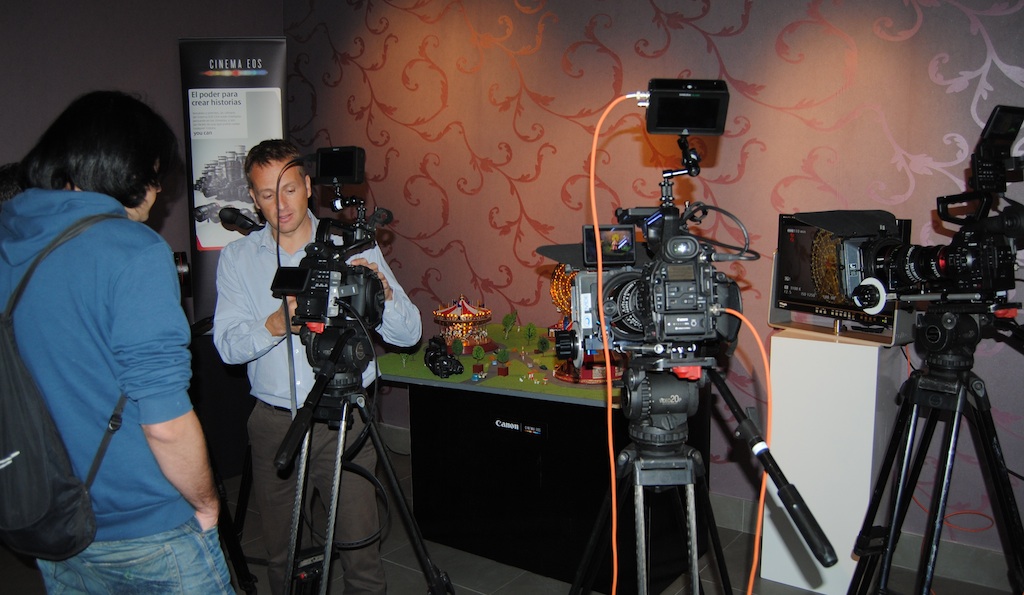
Canon ha presentado este jueves en Madrid su apuesta estratégica por Pro Imaging, el nuevo canal de venta dedicado la comercialización de productos profesionales dirigidos al mundo de la imagen.
El canal Pro Imaging de Canon, que ahora se consolida en concordancia con la estrategia Pan-Europea, ha sido desarrollado para reforzar y proporcionar el enfoque singular que necesita este mercado. El nuevo canal se asienta en cuatro segmentos específicos: Pro Photo (dirigido a los Pro Dealers, integrando el canal tradicional de fotografía), Pro VCC/ projectors (video vigilancia (VCC) y videoproyectores), Pro BCTV (ópticas para televisión y cine, cámaras PTZ para TV, cámaras de cine EOS Cinema y videocámaras profesionales) y Pro segment (área de negocio enfocada a generar demanda de producto a través de la formación, realización de actividades, eventos y soporte a los profesionales de la industria de la imagen).
Juan Felipe Obreo, en quien ha recaído la reciente responsabilidad de gestión de la nueva estructura, ha destacado que “Pro Imaging es el marco capaz de integrar de manera más efectiva y ágil la potente oferta de última de generación de Canon, sumando valor agregado y mayor soporte para responder a los requerimientos actuales del sector audiovisual profesional”.
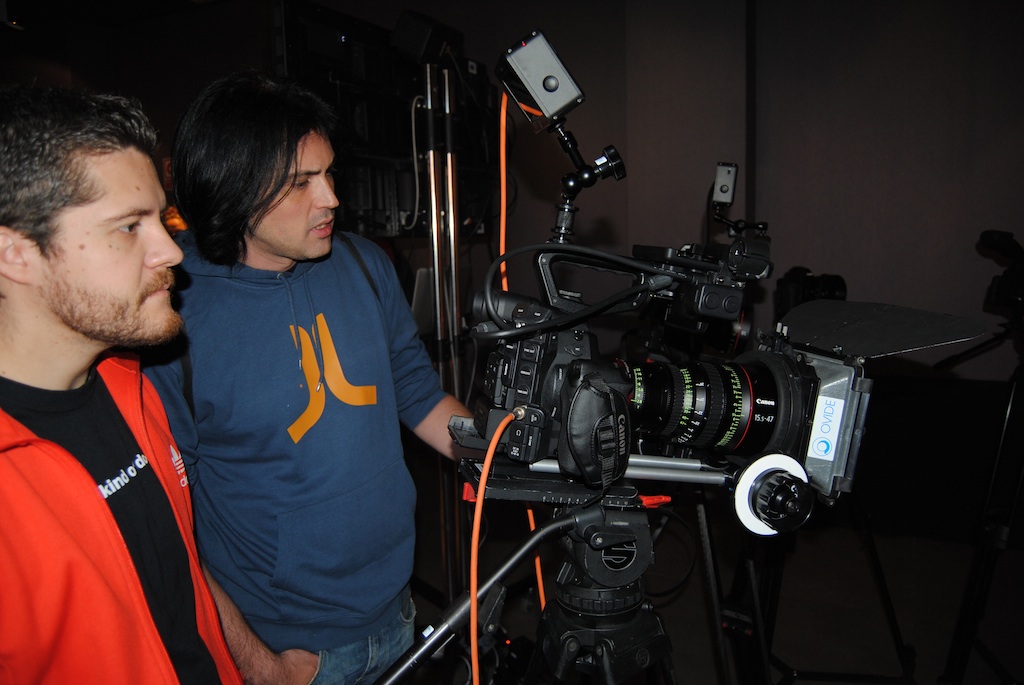
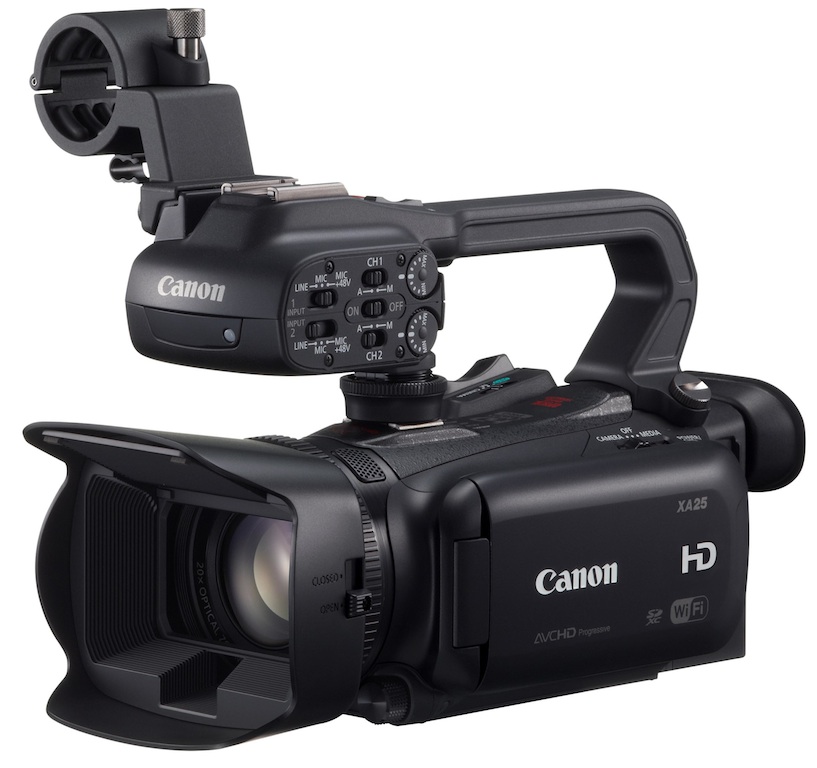 XA20 y XA25
En la presentación de hoy se han dado detalles de las nuevas XA20 y XA25. Son cámaras compactas y muy fáciles de usar, pensadas especialmente para reporteros. Es de destacar que las sucesoras de la XA10 ofrecen numerosas prestaciones perse a ser un equipo muy pequeño y ergonómico. Como novedad en los nuevos modelos, Canon ha mejorado el visor óptico y ha incorporado un parasol. Pero quizás el aspecto más notable es la lente que ofrece con un zoom 20x con un excelente estabilizador.
Los dos nuevos modelos profesionales de la serie X, el XA25 y el XA20, combinan un sistema de imagen totalmente nuevo y potente, con audio profesional y conectividad Wi-Fi, en un equipo compacto y versátil que encaja perfectamente en la palma de la mano.
Su gran variedad de funciones de grabación y de opciones de conexión avanzadas hacen que estas cámaras resulten ideales tanto para un uso profesional como por parte de los aficionados, permitiendo grabar cualquier acontecimiento, desde noticias a documentales o bodas.
El nuevo sensor CMOS HD Pro de tipo 1/2,84” y 2,91 megapíxeles que incorpora estas cámaras ofrece un gran rango dinámico y unos resultados excelentes con poca luz. El mayor tamaño del sensor maximiza el área del transductor fotosensible, gracias a la combinación de un sistema de procesamiento de la imagen avanzado para la reducción del ruido de la imagen y una mayor sensibilidad en entornos con luz escasa.
La extraordinaria capacidad de procesamiento del DIGIC DV 4 proporciona una reproducción de la imagen mejorada, lo que potencia las capacidades de la familia DIGIC DV, tales como una gradación suave y una reproducción fiel de los colores, lo que permite grabar a velocidades con mayor número de datos.
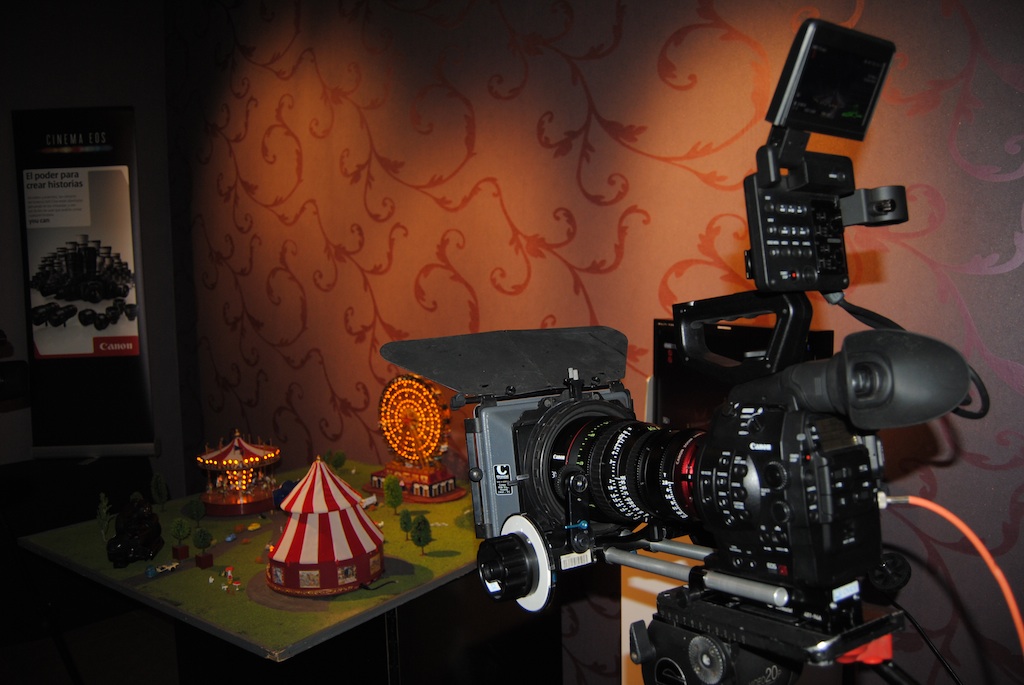
Novedades Cinema EOS
Canon ha dado a conocer también las actualizaciones de firmware para las XF305 y XF300, así como para las EOS C500, C300y C100.
Por otro lado ha anunciado soporte para DCI-P3+ con CRD (Cinema RAW Development). Hasta ahora a través de las salidas 3G_SDI se trabajaba con el actual de color estándar BT.709. A partir de ahora, será posible seleccionar el espacio de color en las salidas 3G-SDI desde el menú.
Ya que la gama de colores de la DCI-P3+ se amplía con el mismo tono que DCI-P3, es posible usarlo en el flujo de trabajo DCI-P3. Además, será posible grabar el color exterior del DCI-P3 que es objeto de alto croma. Es de destacar también que el espacio de color Canon Cinema cubre prácticamente el 100% del espectro visible, aunque ahora Canon ha mejorado la reproducción de los colores rojos, verde y amarillo.
Destacar también que la gama Cinema EOS permitirá ahora asignar las funciones ISO e IRIS al dial de control desde el propio menú.
Otra de las actualizaciones que Canon ha introducido en su gama de cámaras tiene que ver con el control remoto vía WIFI. Actualmente, sólo un usuario puede conectar con una cámara. Como novedad, dos usuarios podrán controlar la misma cámara pudiendo introducir metadatos de formas simultáneas.
Otra novedad es el receptor GPS GP-E1 que incorpora información de latitud, longitud y altitud desde el GPS a un fichero XML automáticamente.
 Ópticas
Canon con su larga experiencia en el mercado del broadcast profesional,ahora se reintroduce en el cine ya que a lo largo de su historia ha desarrollado varias soluciones para la gran pantalla.
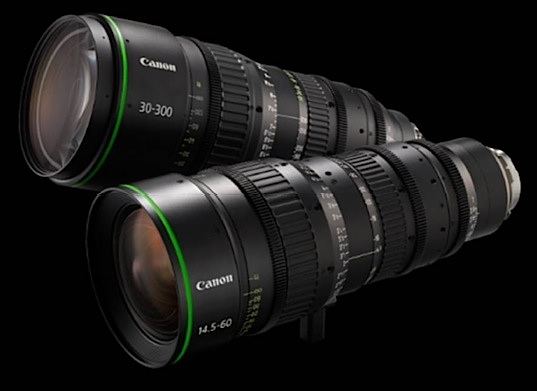
Pensando el cinematografía, en su portfolio de productos, Canon cuenta ahora con las lentes de focal fijas Prime, y dos gamas de zoom (Top End con un 14.5-60mm y 30-300mm y compactos con un 30-105mm y 15.5-47mm).
En este momento, todos los objetivos de Canon son válidos para trabajos en 4K y cuentan con círculo de imagen adecuado para sensores Full frame (Canon tanto el centro de imagen como la periferica, algo importante en los nuevos formatos de alta resolución), además de disponer de dimensiones estándar para los accesorios del sector.Sus diafragmas de once hojas permite realizar atractivo desenfoques.
Entre sus características mecánicas pensadas para entornos de cine destacan el uso de escalas de alta precisión (con métricas muy exactas, fluorescentes y escalas marcadas a ambos lados para que el foquista y cameraman tengan información), un tamaño unificado e idéntica posición de engranajes de enfoque, iris y zoom (evitando reposicionar el folow focus), ajuste de Back Focus, alto contraste y curva MTF Alta y Plana en centro y bordes, 11 láminas de iris frente a 9 lo que redunda en un mejor desenfoque, minimización de los artefactos Ghosting y Flare, así como de la aberración cromática lateral y el efecto “respiración”.
La presentación de las novedades de Canon ha concluido con la proyección de imágenes de Dolor, el último corto de Javier Fesser, rodado con la Canon C500.
Did you like this article?
Subscribe to our NEWSLETTER and you won't miss anything.
Related articles
 Canon abre en Madrid su nuevo Centro de Servicio Profesional (PSC)
 Canon anuncia nuevas incorporaciones a su serie profesional XA y nuevos zoom para cámaras broadcast 4K
 Canon celebrará en IBC 60 años en el mercado de objetivos broadcast
 BMS y Broadcast Solutions ponen en marcha una estrategia conjunta de ventas en Europa
 Broadcast Products apunta al mercado latinoamericano con nueva imagen corporativa y equipo de ventas
 RTVE presenta su nuevo canal Clan para América en el mercado Andina Link de Colombia
 Secuoya perfila su equipo directivo ante el lanzamiento de su nuevo canal en TDT
Charmex presenta al mercado profesional el nuevo proyector Boxer 4K30 de Christie
Secuoya perfila su equipo directivo ante el lanzamiento de su nuevo canal en TDT
Charmex presenta al mercado profesional el nuevo proyector Boxer 4K30 de Christie
 Atresmedia Cine impulsa la creación de ‘MadridCortoFest’, el festival de cortos orientado al mercado profesional
 Dirigido al mercado broadcast, DPA lanza el nuevo d:fine In-Ear
 Canon muestra en BIT Broadcast 2014 su prototipo XF205 para cine profesional
 Canon XA10, la nueva cámara compacta, profesional y asequible de Canon
 Fred van Elk, nuevo director de ventas para la región EAME en Broadcast Pix
 Canon lanza el proyector XEED WUX4000 destinado al mercado profesional