





Movistar+ aims to revolutionize the advertising market with “real” audience measurement
Gracias a la tecnología Return Path Data (RPD), propiedad de Kantar, la operadora española podrá medir con exactitud el consumo de sus casi cuatro millones de abonados.
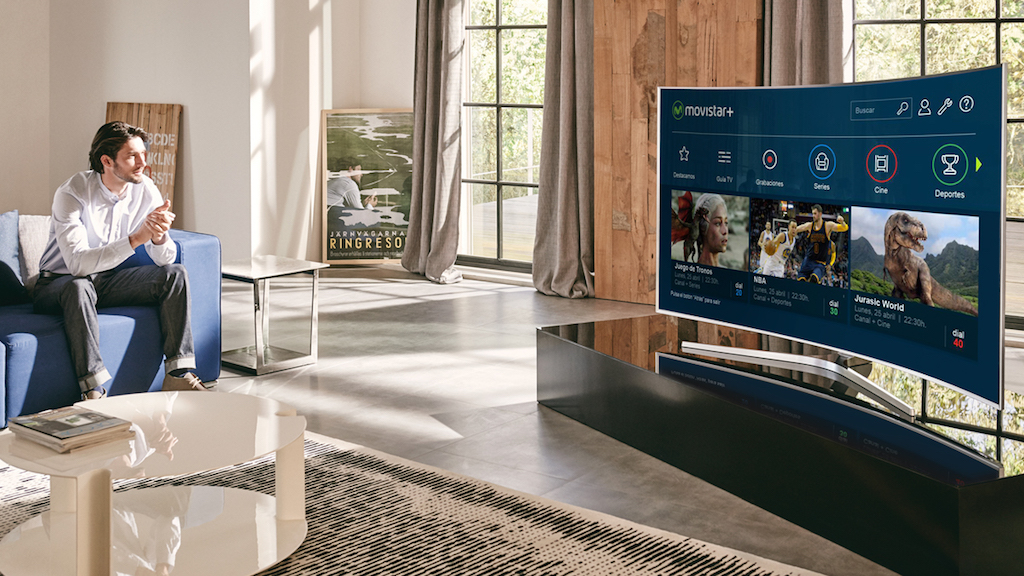
Tras años discutiendo sobre la validez de los datos que las empresas de telemetría aportan gracias al uso de paneles y audímetros en televisión, ahora Movistar+ pretende revolucionar el mercado mediante técnicas de medición “real” de la audiencia de sus canales.
Uno de los factores que ha llevado a la plataforma de Telefónica a apostar por esta iniciativa es la pujanza de la distribución de contenidos online que cuenta con parámetros fiables de la audiencia que los siguen frente a las técnicas empleadas en televisión lineal convencional.
En España existen audímetros en 4.625 hogares, lo que supone el sexto panel del mundo por su tamaño y también el sexto con mejor ratio audímetros-población. De esta forma, alrededor de 10.000 personas extrapolan sus gustos a los 45 millones de personas que viven en España. Los operadores de pago han venido históricamente mostrando su disconformidad con esta medición ya que a su juicio penaliza el consumo de pay tv dada lo reducido de la muestra extrapolada suscrita a servicios de pago.
Ahora, Movistar + ha cerrado un acuerdo con Kantar Mediar para diseñar, implementar y gestionar un servicio de medición de audiencia. Gracias a la tecnología Return Path Data (RPD), propiedad de Kantar, la operadora española podrá medir con exactitud el consumo de sus casi cuatro millones de abonados.
Los setp-top-boxes de Movistar+ podrán así medir el consumo de televisión lineal, en diferido y los servicios de video bajo demanda (VOD).
Alberto de Pablo, director general de Kantar Media España, se ha mostrado encantado de “colaborar con Movistar+ para construir y gestionar este nuevo servicio. Este anuncio consolida nuestro liderazgo en la medición RPD”. Por su parte, Felipe de Lucas, director comercial de Publicidad de Movistar+, ha asegurado que gracias a este proyecto “Movistar+ contribuye a la adecuación del mercado publicitario a los nuevos hábitos de consumo audiovisual de los consumidores”.
De Lucas se ha mostrado convencido de que “para los anunciantes y las agencia de medios, esta nueva herramienta permita impulsar y hacer más efectiva la comunicación multiplataforma”.
Did you like this article?
Subscribe to our NEWSLETTER and you won't miss anything.
Related articles
 Samsung, together with the IOC and OBS, aims to revolutionize the experience of the Paris Olympic Games
 Company aims to revolutionize cloud publishing with Blackbird
 Avolites aims to revolutionize lighting control with its new flagship Diamond 9 console
 GfK wins the television audience measurement competition in Portugal
 MediaKind aims to revolutionize video processing to contribute with the launch of CE1
 BIT Audiovisual 2018 will analyze audience measurement in new environments, brandchannel and programmatic advertising
 Rollyhoo, the platform that aims to revolutionize investment in cinema
 Type R, the proposal with which Calrec intends to revolutionize radio control
 Hawk-Eye aims to revolutionize small-scale live sports production
 Audience measurement: the best league in the world, shoulder to shoulder
 Wavebreak revolutionizes audience measurement
 Samsung and Nielsen, jointly committed to audience measurement in DOOH environments
 Kentia integrates Trumedia's audience measurement system
 Gol TV, in shopping centers and with audience measurement