





RTVE brings together the industry in a workshop on production on IP environments
Radio Televisión Española organiza el Workshop ‘Producción audiovisual en tecnología IP’, un encuentro en el que han participado fabricantes, integradores y operadores para abordar la tecnología de producción broadcast sobre IP como elemento cambiante del mercado.
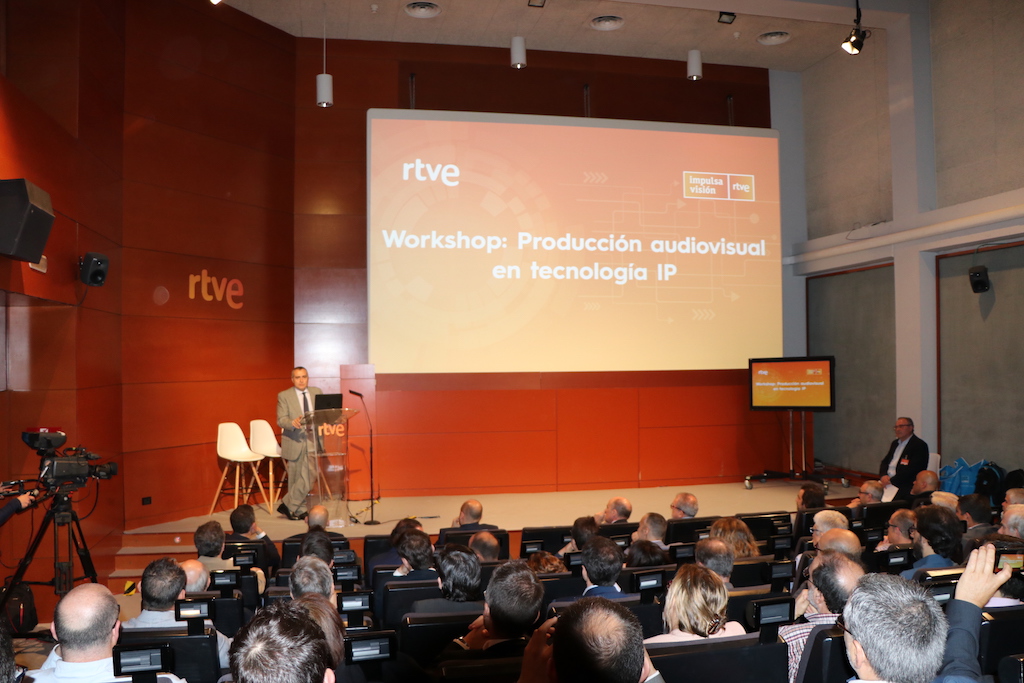
Spanish Radio Television (RTVE) ha organizado este jueves en Prado del Rey (Madrid) el Workshop Producción audiovisual en tecnología IP, en un momento en el que RTVE está inmersa en el diseño de nuevos estudios y, por lo tanto, buscando soluciones tecnológicas con visión de futuro. Dado el cambio tecnológico que supone la producción en IP, y el acercamiento de las diferentes compañías fabricantes e integradoras de la tecnología, este workshop se plantea como el primero de una serie de posibles experiencias.
Todas ellas se integrarían bajo el programa corporativo Impulsa Visión RTVE, de cara a la presentación de la tecnología, de casos prácticos, de pruebas y retos dentro de un entorno colaborativo, lo cual permitirá un posicionamiento de RTVE en el liderazgo tecnológico del sector y como empresa pública, haciendo el papel de dinamizador del mercado.
Uno de los objetivos de este taller es el de generar nuevos estándares de transmisión de señales y oportunidades de mejora y simplificación de la operación, suponiendo un reto en la transformación de la actual forma de producir, así como en el ámbito de la formación y los perfiles de los profesionales necesarios.
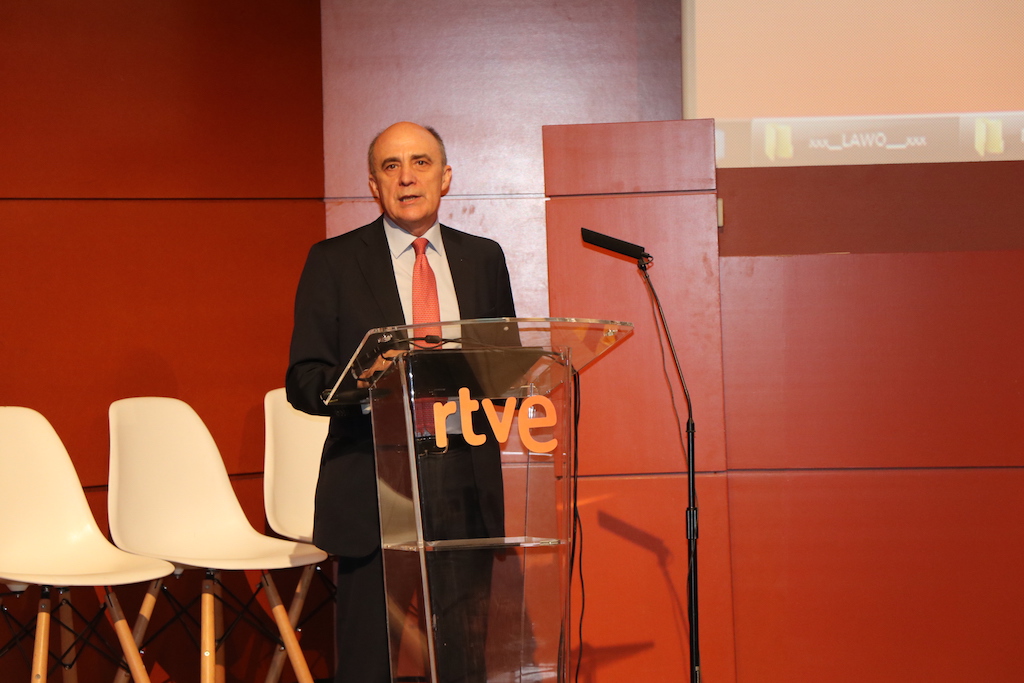 La jornada, que ha contado con Esteban Mayoral, responsable del Centro de Innovación de RTVE, como conductor, ha sido inaugurada por el director general corporativo de la Corporación, Enrique Alejo.
Alejo ha señalado que esta jornada dirigida no solo a los profesionales de RTVE sino a otros players de la industria como operadores, integradores y fabricantes “pretende abrir cauces para promover la innovación y la transformación de la industria audiovisual”.
Enrique Alejo ha dicho que una de las tareas de la Corporación “es la de abrir cauces para promover la innovación y la transformación de la industria audiovisual, una industria que se encuentra en pleno periodo de madurez y consolidación, pero que todavía tiene que evolucionar, y la jornada de hoy es una muestra”.
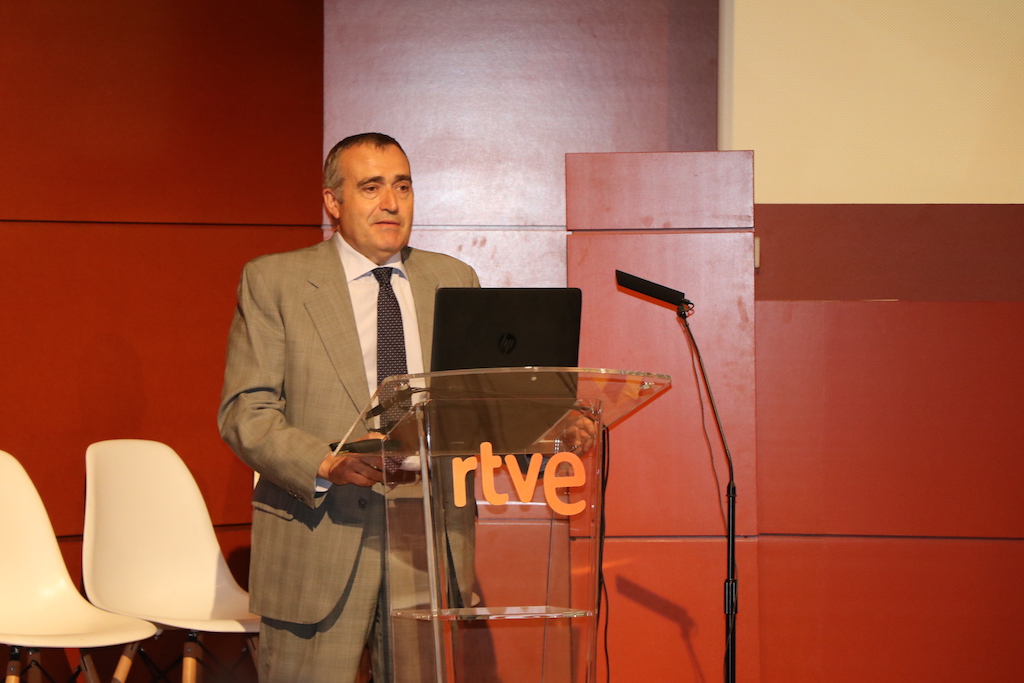 Para Alejo, “la producción se ha transformado y se va a transformar más, vamos hacia un modelo en el que la postproducción será lo más efectivo. Esta industria evoluciona hacia un modelo de mayor colaboración entre todo el proceso productivo, y de todos los miembros del ecosistema”. Para concluir ha destacado que “con esta transformación, quienes ganan son los espectadores, las audiencias. En no mucho tiempo la tecnología IP, a la que hoy dedicamos este encuentro, será la que usarán todos los operadores”.
For its part, David Valcarce, director de operaciones en TVE, ha dado la bienvenida a los participantes en estas jornadas invitándoles a compartir casos de éxito, opiniones y casos de éxito implantados en base a la tecnología IP.
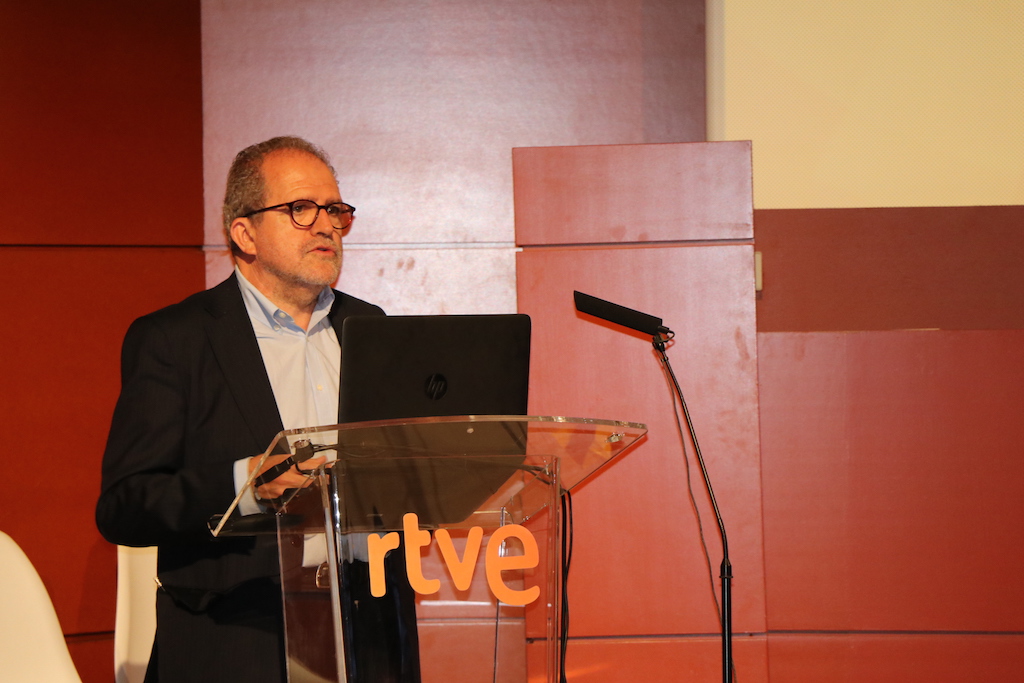 Pere Vila, director de Estrategia Tecnológica e Innovación Digital de RTVE, ha hecho un repaso a las distintas iniciativas tecnológicas en las que está involucrada la Corporación como la aceleradora de start-ups Impulsa Visión, a punto de iniciar ya su cuarta convocatoria; su presencia en varios proyectos de innovación europeos en colaboración con empresas españolas como Brainstorm o Telefónica; las Cátedras de investigación impulsadas junto a la Universidad Politécnica de Madrid, la Universidad de Zaragoza, la Universidad Carlos III o la Universitat de Barcelona.
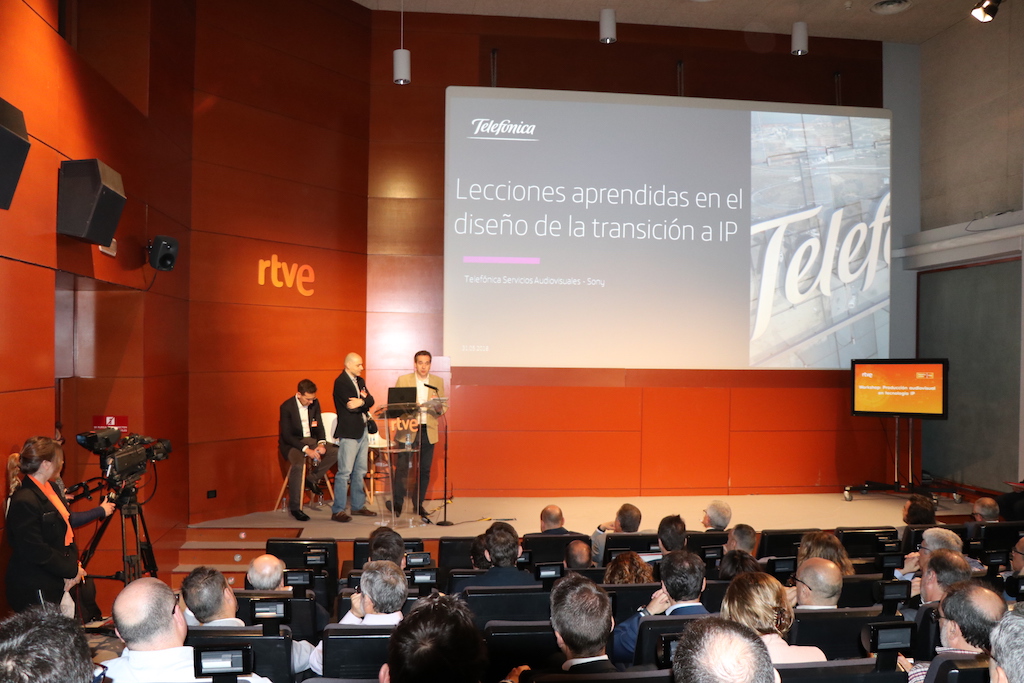
El IP desde el punto de vista de Sony y TSA
On the part of Telefónica Servicios Audiovisuales, José Luis García Cabrera y Pablo Sánchez Ávila; y de Sony, David Anaya, han compartido las lecciones aprendidas en el diseño de la transición a IP en un caso real desarrollado en el último año.
Telefónica ha estado presente en las principales transformaciones tecnológicas como el paso del analógico al digital, de la SD a la HD o ahora el 4K. El turno ahora en la innovación es para el IP. El vídeo sobre IP se lleva utilizando en contribución, seguridad o transmisión pero ahora empezamos a hablar de Live IP sobre el protocolo SMPTE 2110.
Pablo Sánchez reconoce que no son muchas las experiencias en IP sobre SMPTE 2110 las existentes en el mundo y habitualmente ceñidas a pequeñas islas no a estudios de producción completos.
Por su parte, David Anaya ha recordado que Sony puso en marcha su iniciativa IP live en 2013, con grandes instalaciones en todo el mundo, participando activamente en todos los grupos de trabajo y asociaciones como UER/EBU, SMPTE, AES, AMWA, VSF, AIMS o JT-NM. Esta última asociación ha sido la encargada de diseñar el roadmap de redes interoperativas abiertas de media.
Desde el punto de vista de TSA como integrador, “aunque no es oro todo lo que reluce, ahora es el momento de plantear proyectos en serio sobre interfaz SMPTE2110”, ha señalado Sánchez. “En cuanto al AES67 sí parece estar muy claro funcionando desde hace mucho tiempo con total fiabilidad”, ha reconocido.
“A la hora de emprender un proyecto es muy importante saber exactamente qué quiere el cliente y cuál es la manera más eficiente de conseguirlo dedicando mucho tiempo a que el cliente entienda el nuevo concepto”, ha reconocido.
Entre “los contras” de trabajar con un sistema de vídeo IP han señalado una mayor inversión inicial, cierto miedo y riesgo en ser el primero, falta de un feedback real y el desconocimiento de la nueva tecnología. En “los pros” han anotado mayor flexibilidad, agnosticismo en formatos, facilidad de ampliaciones futuras, optimización de espacios y consumos con posibilidades de descentralización, ahorro de costes y optimización de recursos dentro de una misma red.
Mientras que un entorno SDI la matriz era de tamaño definido, bajo una interfaz SMPTE2110 es posible utilizar una matriz inalámbrica (router). El mundo SDI tenía equipos dedicados con una señal única, ahora se tenderá a procesadores genéricos con diferentes funciones y multistream. Otra gran diferencia es que hasta ahora todos los equipos estaban en una ubicación concreta de recursos (con un glue muy estático conectados por cobre), mientras que en IP será posible descentralizarlos (incluso en diferentes centros de producción) con un pool de recursos eliminando cuellos de botella y cableado sobre fibra óptica.
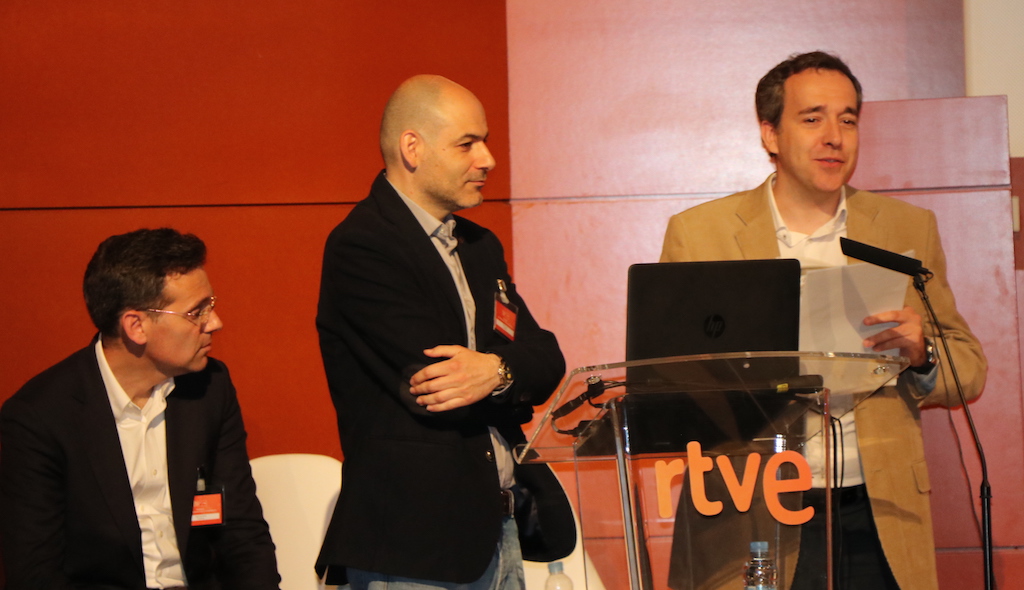 El gran caballo de batalla será calcular el ancho de banda necesario tanto ahora como pensando a futuro. Las redes van a tener unas prestaciones más altas por lo que no nos valdrá cualquier router. Necesitaremos switches de alta capacidad que admitan protocolos como non-blocking, IGMPv3, PIM-SSM, PTP…
Fabricantes de switches como Arista, Cisco, Brocade o Juniper están ya adaptando sus equipos para trabajo con ficheros con contenidos audiovisual, tendiendo a un mix entre administradores de redes IT y sistemas broadcast.
Esto conllevará contar con profesionales con un pie en el mundo IT y otro en el broadcast, ha afirmado Pablo Sánchez. Sobre cómo se comunican los equipos integrantes del sistema, ha subrayado el papel del orquestador o configurador propio o de tercero capaz de configurar equipos y flujos de trabajo. En cuanto al sistema de control y monitorización, no sustituiría al orquestador ya que está en una capa superior aglutinando todos los elementos del sistema independientemente del fabricante.
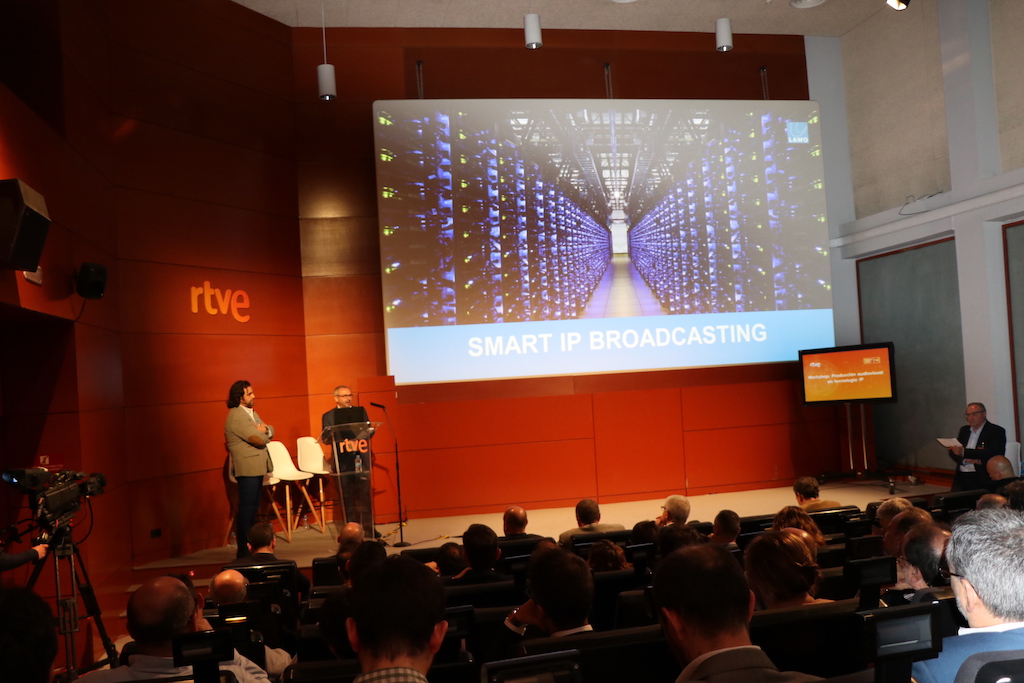
Desmitificando los “contras” del mundo IP
Justo Díaz, director comercial de Xeltec e Ignacio González, director de ventas para España, Portugal, y América Central y del Sur en Theirs, han reflexionado sobre las posibilidades que brinda la producción remota.
“Lawo ofrece soluciones basadas en IP que dan respuesta ya hoy a las necesidades del broadcast. En el momento en el que la tecnología IP implementa los requisitos fundamentales de broadcast, automáticamente IP va a dar gratis todo lo que trae como ancho de banda, flexibilidad…”, ha señalado Díaz.
Ignacio González ha compartido casos de éxito reales “que hablan por sí solos para desmitificar los contras del mundo IP”. Uno de estos ejemplos los encontramos en MotoGP por parte de Dorna, que trabaja con Lawo desde 2013 acompañando a la productora en los nuevos retos como la adopción del 5.1, la producción automatizada de audio, el paso de la distribución de señales analógicas a digitales hacia el Tv Compound, o el diseño de un nuevo master control room (MCR) con tecnología IP.
“La experiencia con vídeo sobre IP con Dorna nos ha permitido afrontar nuevos proyectos como Juegos Olímpicos o la liga belga conectando en este último caso 24 estadios sobre IP con producción remota completa de audio y vídeo desde Bruselas gracias a varias soluciones de Lawo bajo control de la tecnología VSM.
Otro ejemplo de éxito lo encontramos en NEP Australia que ha suprimido ya en sus centros de producción de Sydney y Melbourne todo el cable coaxial, trabajando todo el flujo sobre fibra con equipamiento de Sony y Lawo con un concepto muy avanzado de producción remota desde cualquier parte de este inmenso continente. Entre sus trabajos sobre IP destaca el servicio que presta en todo el continente a Fox Sports.
Lo más importante a la hora de afrontar una producción IP es el control así como la telemetría de switches y toda la red, ha destacado González.
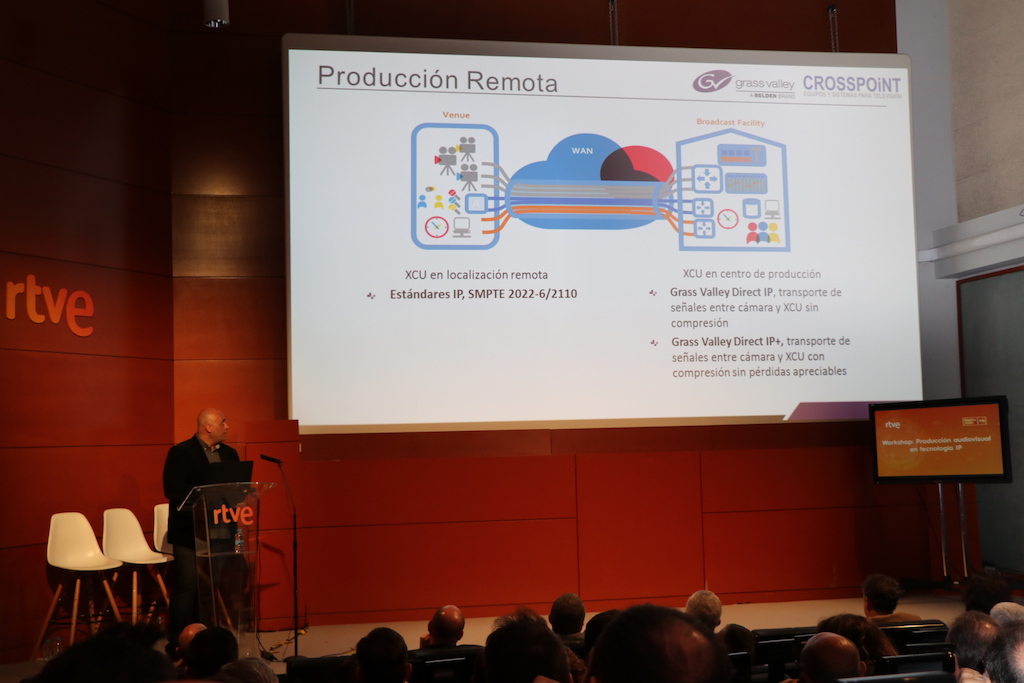
Conectividad cámara-CCU
Ricardo Cuenca, PreSales Engineer en Crosspoint, ha destacado que uno de los aspectos que más marca una producción remota es la cámara y dónde vamos a ubicar la CCU, XCU en el caso de Grass Valley (en local, junto a la cámara, o en remoto, junto al control). En XCU local, tendremos una conexión de la cámara a laXCU) por triax o fibra. En la salida de la CCU tendremos ahora toda una serie de conectividad IP que nos permitirá bajo estándares SMPTE 2110 y 2022-6 así como salidas convencionales de vídeo y audio (monitorado).
En la transmisión IP hay que tener muy en cuenta el ancho de banda ya que determinará el número de señales que podremos transportar; la latencia de las redes de transporte, su diseño de arquitectura y QoS; la capa de control para gestión de las conexiones IP entre los diferentes equipos del entorno; ha subrayado Cuenca.
Cuenca ha comentado algunas soluciones de Grass Valley para los nuevos entornos IP como Direct IP, una solución de transporte de señal entre cámara y XCU mediante fibra óptica convencional monomodo (bajo estándar SMPTE 2022) que ya está funcionando desde diciembre de 2015 en NEP Holanda, SVT, Mysports, Indiana University..
Con este esquema, cada cámara y XCU tienen un IP único en la red, la arquitectura se basa en una red local IP de 10 Gb propia y fiable. Se emplean switches COTS para la red LAN 10Gb.
Un mismo control y staff técnico pueden así gestionar m´s producciones, con fácil crecimiento con solo añadir más cámaras. En este flujo no hay latencia al no contar con compresión de señal. La capa de control simplificada será la encargada de orquestar todos los elementos.
Con la nueva versión de esta solución Direc IP+ es posible adaptarse a anchos de banda bajos con transporte de audio, intercom y vídeo (comprimido, en este caso).
Grass Valley está desarrollando una aplicación completa con Netinsight (Nimbra) para aportar un sistema completo punto a punto y comprobado. La solución está en últimas fases de testeo para tener una versión de firmware operativa para las cámara LDX en breve. En este caso las señales de vídeo entre cámara y CCU no tendrían pérdidas visibles (seamless) a 160 Mbps para 1080i @J2K y 320Mbps para 1080p@J2K. La altencia completa de la compresión y codificación sería de aproximadamente 100 mseg.
Enrutado y orquestación IP
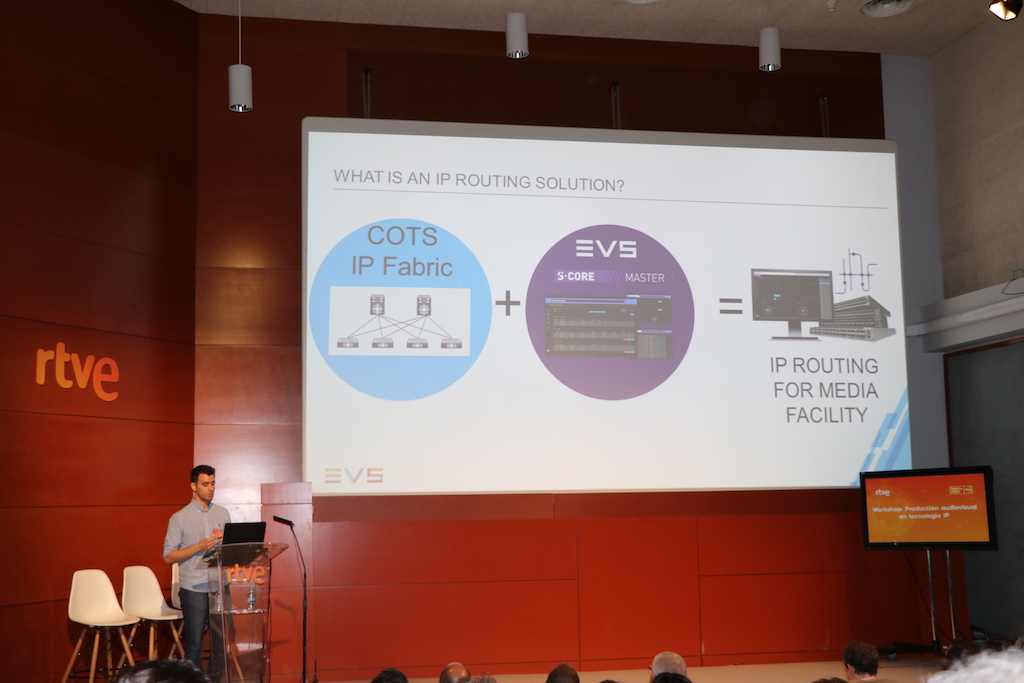
Félix Trapiello, director of EVS en España, Portugal y mercados subsaharianos, y Dieter Backx, training & engineering consultant en EVS, han expuesto en esta jornada algunas de las soluciones diseñadas por el fabricante belga para infraestructuras IP.
Entre ellas, destaca S-Core Master, un innovador sistema de enrutado que responde a los nuevos retos del IP. Se trata de una solución que acepta múltiples topologías de red pensada para broadcast y que permite gestionar un entorno IP de forma familiar para el usuario, con el correcto nivel de abstracción para gestionar producción de vídeo y audio en directo.
El nuevo sistema ofrece a los ingenieros una mejor visibilidad de todos los puntos finales dentro de una red conectada IP que actúa como su orquestrador central, garantizando la entrega de ancho de banda de los medios de comunicación en toda la infraestructura.
S-Core Master ofrece una orquestación completa de flujos IP en vivo utilizando métodos de control SDN para gestionar los medios vivos sensibles a la latencia.
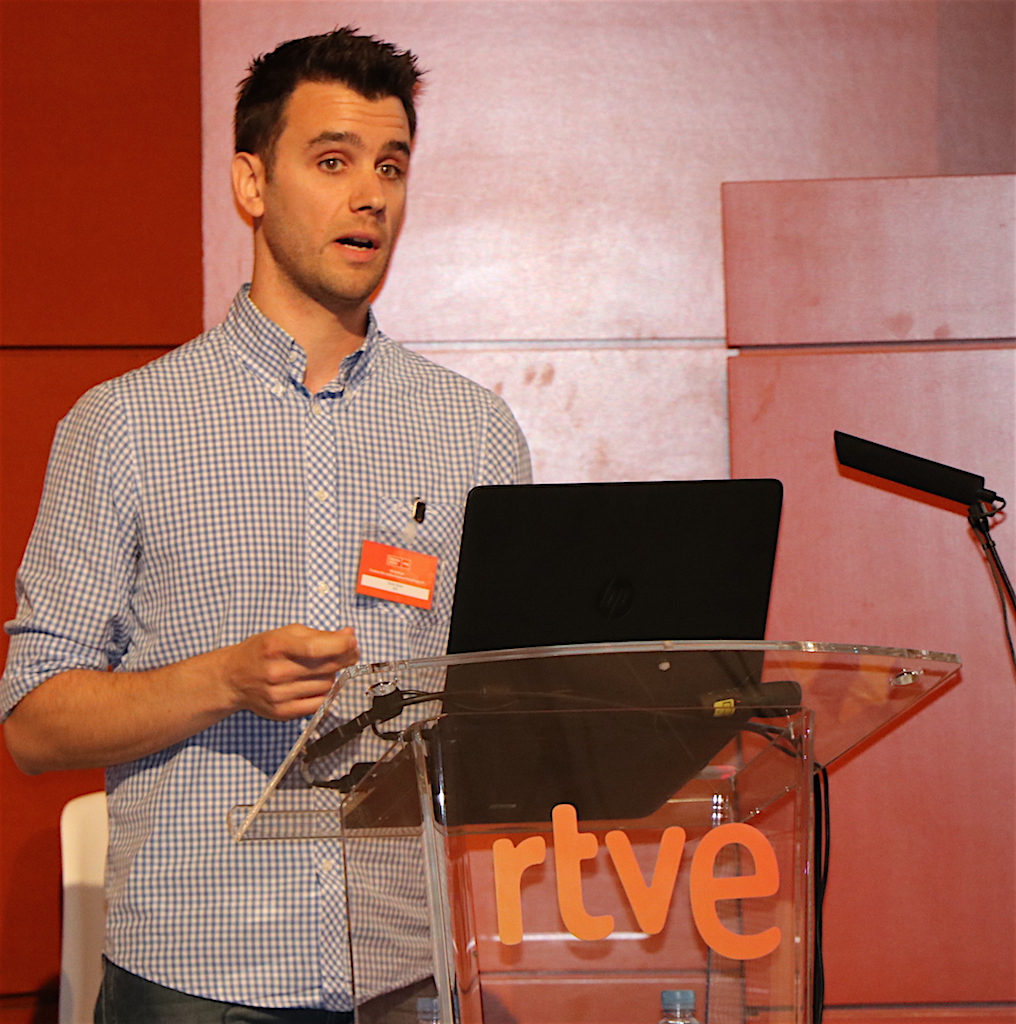 Backx ha señalado que cuando el IP llegue a una mayor implementación de servicios virtualizados, la implementación de S-Core Master permitirá a los usuarios entregar flujos en vivo donde sea necesario dentro de una red.
Esto eliminará los obstáculos operacionales de la implementación de nuevas tecnologías y crea de manera efectiva un flujo de trabajo global más eficiente
El sistema brinda a los ingenieros una mejor visibilidad en una red, así como la capacidad de comunicarse con infraestructuras de IP completas a la vez, eliminando bloqueos operacionales y asimismo permite a los operadores monitorear redes enteras para garantizar la entrega eficiente de contenido en vivo sobre cualquier infraestructura.
Con soporte para NMOS y otras API, S-Core Master integra infraestructura y administración de inventario en el núcleo de una red y proporciona más flexibilidad inherente en la configuración de flujos.
Otra de las nuevas soluciones de EVS para dar respuesta a los nuevos entornos IP es XT-Via, su nuevo servidor presentada en NAB que presenta una conectividad interna mejorada con la red multimedia XNet-VIA. La nueva red IP de alto rendimiento conecta a todos los nuevos productos y soluciones de EVS, ofreciendo una forma sencilla y flexible de compartir rápidamente contenido en directo de cualquier parte del flujo de trabajo. Al mismo tiempo, XT-VIA garantiza que las herramientas y aplicaciones existentes no se vuelvan inaccesibles gracias a su compatibilidad interna con XNet SG-SDTI, la red existente de intercambio de contenidos de EVS.
Con la ampliación de su ancho de banda interno, el nuevo servidor está diseñado para funcionar en flujos de trabajo que admiten cualquier resolución, ya sea 1080i, 1080p o UHD-4K, presentando una mayor densidad de canales: seis en UHD-4K y 12 en Full HD o HD, configurables en cualquier setup I/O. Y para permitir que los usuarios se beneficien de una programación en directo con una resolución mejorada, el servidor XT-VIA también es compatible de serie con flujos de trabajo HDR.
La producción IP en RTVE
Jesús García Romero, subdirector de ingeniería y soporte de estudios y unidades móviles en RTVE, ha presentado una radiografía de la producción remota y la tecnología IP en la Corporación. En cuanto a producción remota desde ya tiempo, existe una red de audio IP entre los diferentes platós de los Servicios Informativos, y además se han llevado a cabo experiencias (no IP) en los sets de TVE en los Juegos Olímpicos de Londres y Río, así como desde los enlaces permanentes desde la Bolsa de Madrid y las instalaciones de Loterías y Apuestas del Estado (ONLAE). Además, con un diseño propio de la Corporación, Radio Nacional cuenta con un interesante sistema de auto-realización con cámaras Panasonic en su estudio principal en la Casa de la Radio en Prado del Rey.
García Romero ha parafraseado a Baltasar Gracián cuando afirmaba que “es cordura provechosa ahorrarse disgustos. La prudencia evita muchos”.
Inmersa en un plan estratégico que prevé migrar todas las instalaciones a alta definición, el IP presenta para RTVE un nuevo reto hacia el que habrá que caminar con paso firme. “Hemos podido comprobar que se está cumpliendo el plan de estandarización, hemos visto pruebas de interoperatividad entre diferentes subsistemas, comprobamos que se elimina mucho glue y simplifica el cableado a la par que se simplifica la la redundancia del sistema, sin embargo observamos aún algunas desventajas como el coste de los equipos y de la instalación híbrida; la reconversión profesional del broadcast al IT; medidas de las capas y localización de fallos; además de tener muy en cuenta la preocupación por el ancho de banda; la fiabilidad del enlace IP gestionado; y, no menos importante, la seguridad frente a ciberataques”, ha asegurado.
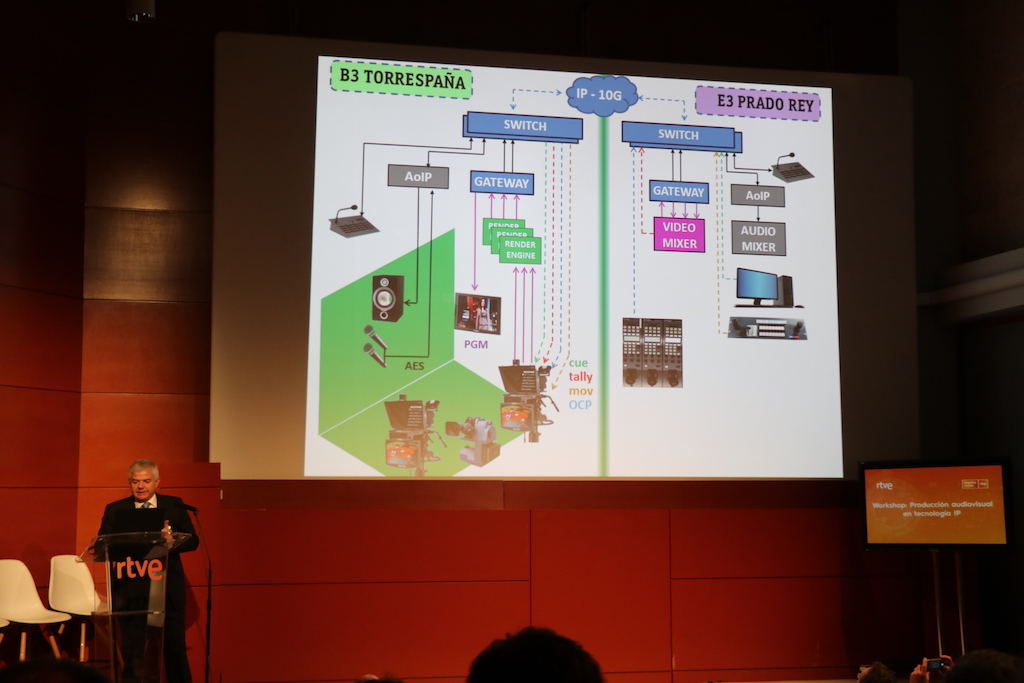
En producción remota, Televisión Española está a punto de iniciar una prueba piloto que pretende conectar el set virtual del estudio B3 en Torresspaña con el nuevo control de realización del estudio 3 en Prado del Rey. A través de una red IP de 10 Gbps, inicialmente se enviarán los render engines desde Torrespaña a Prado del Rey, y según las experiencias en lo que a latencia se refiere, en una segunda fase se enviarían directamente las señales de cámara.
De cara al futuro, el objetivo de TVE es asumir una producción remota IP desde el Teatro Monumental (Orquesta y Coro), Teatro Real y La Bolsa.
La importancia de la consultoría
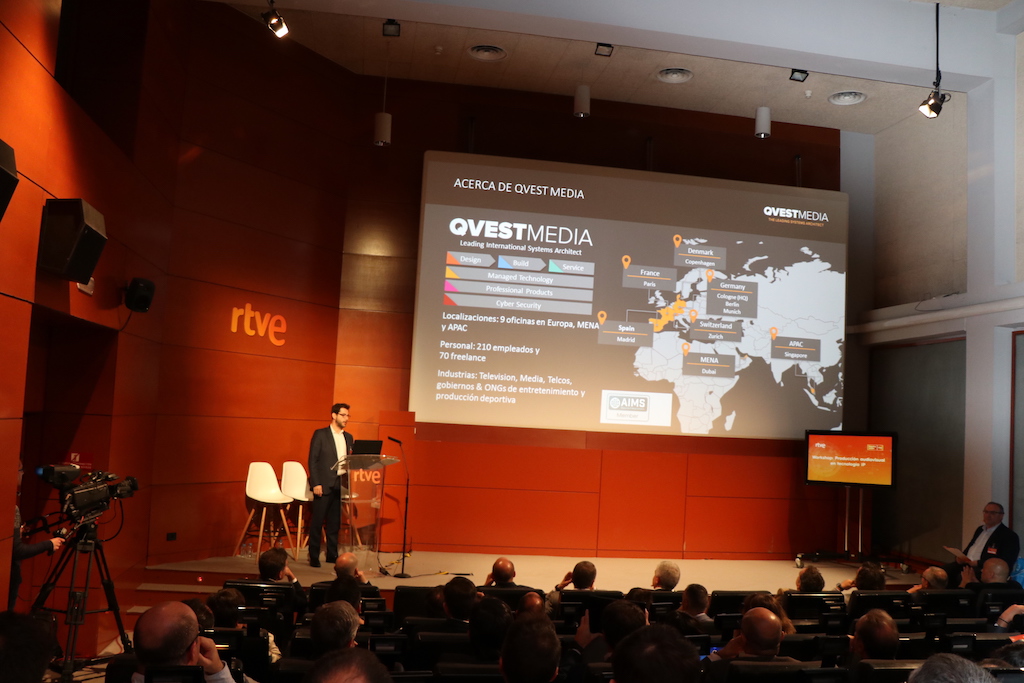
César Ona, director para el Sur de Europa en Qvest Media, ha destacado que el IP abrirá nuevas posibilidades y flujos de trabajo en relación al cloud, producciones remotas, posibilidad de compresión en vivo, y mejora en los flujos para streams de alta tasa binaria (sobre todo pensando el altas resoluciones como 4K y 8K). Las debilidades que ve Ona, por otro lado, son la seguridad y complejidad.
A la hora de enfrentar un proyecto IP en media, la metodología de Qvest Media pasa por realizar test y pruebas de concepto sistemáticas en las áreas necesarias en cuanto a orquestadores, anchos de banda… en colaboración cercana con los fabricantes para alinear los estándares con los flujos de trabajo definidos por el cliente.
“Es necesario aclarar las expectativas con el cliente, y discutir alternativas. En definitiva para una instalación compleja hay que buscar siempre el mejor diseño con los productos existentes que cambian mes a mes”, ha afirmado.
Ona ha analizado el caso de éxito de Sky Sports en Munich desarrollado el verano pasado. Sky se movía de edificio y solicitaron que en sus nuevas instalaciones hubiera acceso a todos los feeds de todos los estadios para hacer producción remota de la Bundesliga. Parea ello fue necesario desplegar una nueva infraestructura tecnológica, incluso en 4K, que permitiera operaciones especiales y remotas de la Bundesliga, retransmisión en vivo y playout. Se trata de la instalación de Riedel MediorNet más grande del mundo, actualizable vía software.
Ahora están involucrados en el centro tecnológico de TPC Metechno en Zurich, que provee de señales y playout a la pública suiza SRG SSR de todos sus canales SRF1, SRF2 y SRF Info. En un nuevo edificio se ha desplegado una infraestructura preparada para Ultra Alta Definición con platós, postproducción, radio IP, producción online en vivo y postproducida.
Qvestmedia hizo una minuciosa consultoría inicial del estado de la tecnología. Como ha subrayado César Ona, llevaron a cabo, por ejemplo, pruebas con 6 fabricantes de orquestadores que se sometieron a 49 pruebas (básicas, gestión de ancho de bada, comportamiento en la conmutación, gestión de audio/vídeo, redundancia, seguridad, y comunicación con el fabricante) quedando evidente que el estado de desarrollo de los distintos fabricantes no es el mismo debido a los diferentes grados de conmutación por las características intrínsecas del SMPTE 2110.
En base a todas estas pruebas, se han publicado los pliegos y la instalación comenzará en septiembre y durará un año.
César Ona recomienda siempre en estos casos de gran complejidad técnica sacar a concurso la consultoría, trabajar con lo mejor de cada marca (fruto de convocar varios pliegos) y que el integrador desarrolle pruebas a escala antes de aplicarla en entornos reales.
Sincronización y análisis de señales
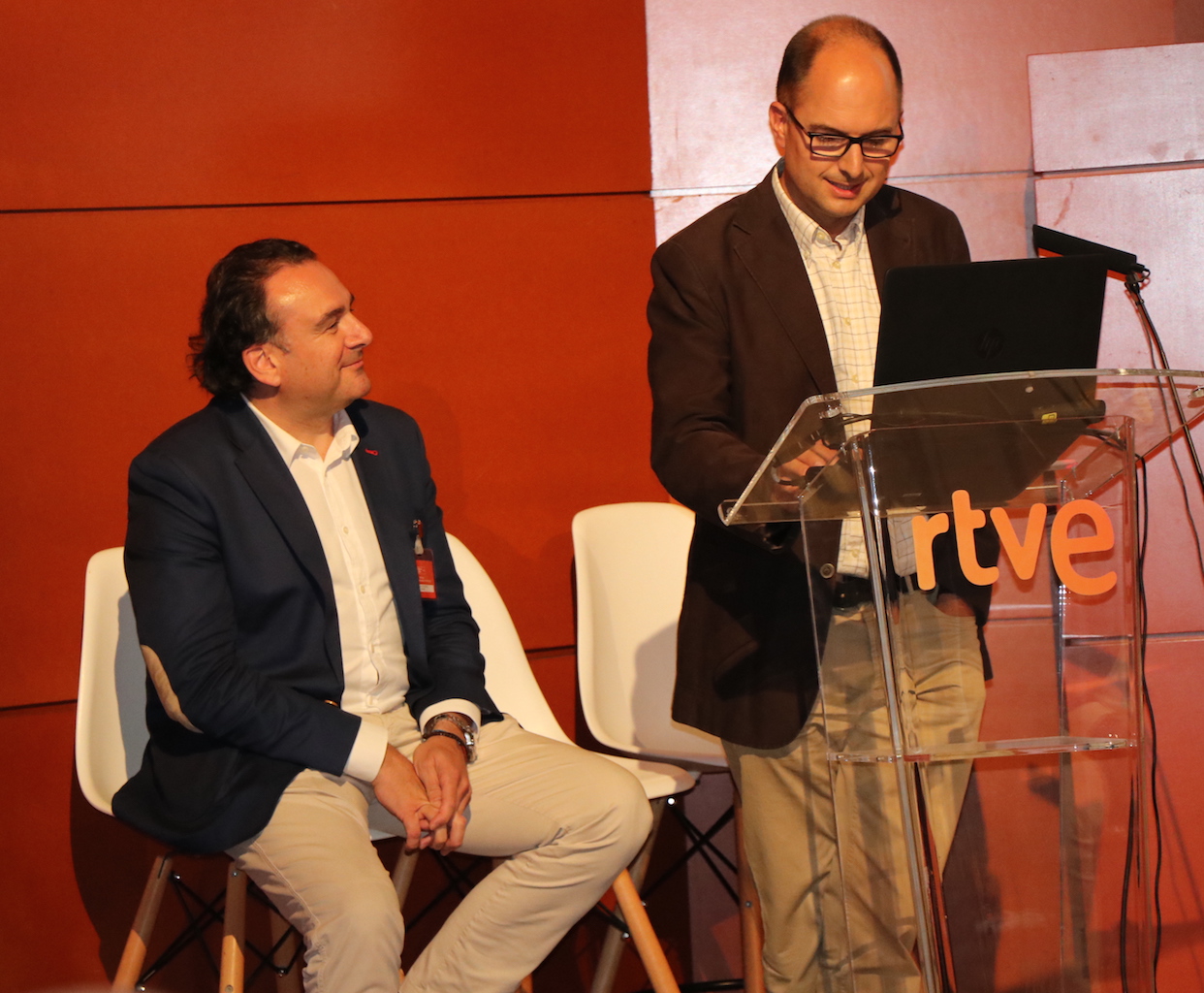
Jorge de la Torre y Vicente Pla, of Abacanto Soluciones, han expuesto sus experiencias en cuanto a sincronización y análisis de señales en entornos de producción IP. Abacanto trabaja con
fabricantes de instrumentación como Tektronix y ofrecen también servicios de consultoría con un claro perfil broadcat e IP.
Vicente Plá, ha iniciado su intervención afirmando tajante que “la televisión es síncrona y el IP no tiene ningún tipo de sincronía. Necesitaremos hacer esto síncrono para que nuestras redes de televisión funcionen de verdad”.
En este entorno es clave, a su juicio, que los ingenieros AV e IT aprendan un lenguaje común para poderse comunicar.
Plá ha hecho un repaso a algunos aspectos importantes a la hora de trabajar en IP como el tipo de direccionamiento IP, el uso de herramientas nuevas como Real Time Protcol (RTP) que identifica contenido, numeración de paquetes, marcas de tiempo, corrección de errores… También ha subrayado la impotancia de las medidas sobre la sesión de vídeo, analizando los diferentes componentes que llegan por el cables nivel de relojes, fuentes, estándares, errores, analizar anchos de banda…
Los sincronismos de televisión tienen que atravesar redes que no son síncronas por lo que más que nunca serán necesarias herramientas como grandmaster clock, master clock, slave clock PTP Domain, BMCA (algoritmos que valúa de forma constante cuál es el mejor reloj de referencia).
“Para sincronizar una red asíncrona, vamos a necesitar protocolos que nos midan bidireccionalemnte todo el canal desde el generador de sincros”, ha señalado.
Por último, ha comentado que el estándar SMPTE 2110 separa audio y vídeo sobre IP independientes, por lo que hay que sincronizarlos en recepción. “Probablemente tengamos una red para distribución dd PTP y otra red audiovisual”, reconoce.
La experiencia de Mediapro
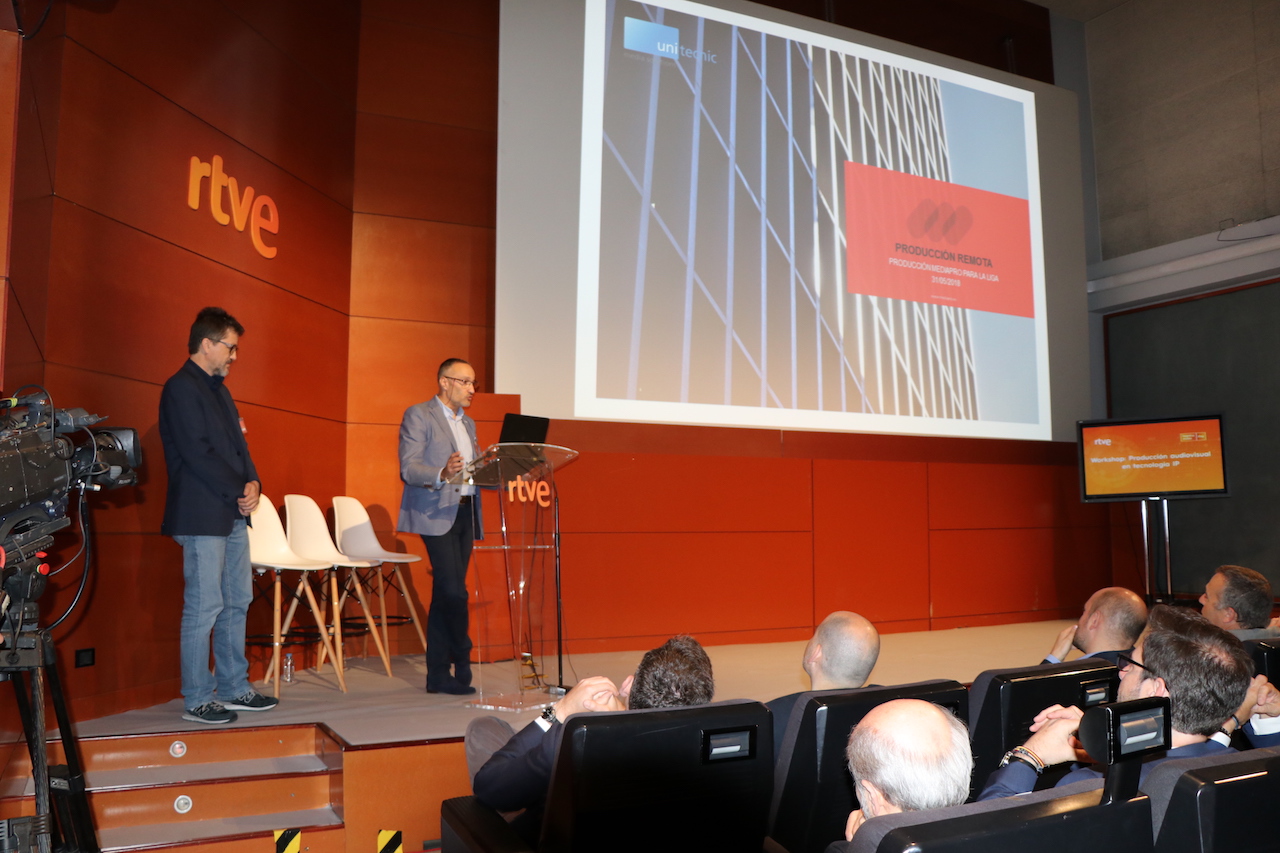
David Vivas, CTO y director de Unitecnic en Madrid, ha sido el encargado de introducir e Emily Planas, CTO de Mediapro, quien a compartido con los participantes en esta jornada la ya larga experiencia del grupo audiovisual en producción IP remota.
Fue precisamente Unitecnic la encargada de diseñar e integrar las diferentes unidades de producción remota con las que Mediapro presta servicio a LaLiga desde hace ya cinco años.
Aunque Planas ha reconocido que el planteamiento cinco años más tarde en base a la evolución tecnológica hoy hubiera sido otro, ha destacado que Mediapro fue pionera en el despliegue de una red de
alta calidad para transporte de vídeo y streaming en IP entre las sedes de Mediapro y entre su sede en Barcelona y los 42 estadios de Laliga de 1ª y 2ª división.
Si bien Mediapro venía transportando señales de vídeo IP desde hacía más de catorce años, cuando se planteó desarrollar un proyecto para hacer posible la producción remota partieron de estas premisas: simplicidad, flexibilidad y seguridad al tiempo que ofreciera una operativa igual o mejor y fuera económicamente sostenible.
En este último aspecto, Planas reconoce que “no tiene nada que ver producción remota con bajo coste”.
En este ambicioso proyecto se implicaron la propia Mediapro (realización, producción y operaciones) y sus filiales Eumóvil (unidades móviles), Unitecnic (ingeniería), Overon (redes y encoding) y Park Media (régies).
Actualmente, en la cobertura de LaLiga, Mediapro desplaza vehículos ligeros (Remote OB Van, ROBV) a las sedes remotas (estadios) dotados solo con cámaras, micros, y equipos de transmisión. Sus señales se envían a Barcelona vía IP donde se produce remotamente desde varios controles de realización.
De esta forma, solo se desplazan a los estadios un equipo profesional limitado a los operadores de cámara, técnicos de sonido, jefe técnico, productor y equipo de montaje. El resto del equipo como realizador, mezclador de vídeo, ingeniero de sonido, controles de cámaras, operadores de replays y realizador trabajan remotamente desde una de los seis controles de realización existentes Barcelona.
El hecho de contar con 42 estadios conectados y preparados para producción remota y el empleo de cinco unidades de producción remota dotadas con un total de 48 cámaras ha permitido desde finales de 2013 hasta ahora producir en remoto más de 1.100 partidos de LaLiga. En cuanto a red, Mediapro trabaja con 1 Tbps en red IP privada gestionada de alto nivel y redundante.
Emili Planas ha señalado que, entre otras ventajas, el uso de vehículos ROBV frente a las unidades móviles tradicionales permite a Mediapro acudir a los estadios de forma más ágil, rápida y ecológica (con un importante ahorro energético y de combustible).
La producción remota permite contar con un equipo de realización más especializado, motivado y con espacios de trabajo más amplios; mejor capacidad de integración de nuevos procedimientos en proyectos de new media, VOD, segunda pantalla…; mejores tiempos de resolución en caso de problemas técnicos en equipos críticos de régie durante las producciones; entornos de producción más cómodos, especialmente para audio, donde la configuración 5.1 se lleva a cabo de forma más relajada desde un control de audio dedicado; y, además, se alarga la vida de los equipos mejorando también el tiempo entre mantenimientos.
Planas ha señalado también que el modelo de producción remota de Mediapro está diseñado para poder adaptarse a las nuevas técnicas de codificación y al ancho de banda disponible en las redes de conexión pudiendo operar con odificación sin latencia o con latencia ultra-baja (siempre menor a 300 milisegundos) y una calidad de contribución como mínimo a 10 bit 4:2:2
En este momento, Mediapro construye sus unidades móviles tanto para trabajar en local como en remoto basándose en dos modelos: uno tipo estándar dotado con 12 cámaras en configuración remota o 8 en configuración local; y un tipo ligero para partidos de 2ª división con 8 cámaras en remota y 4 en configuración local.
Diseño de redes
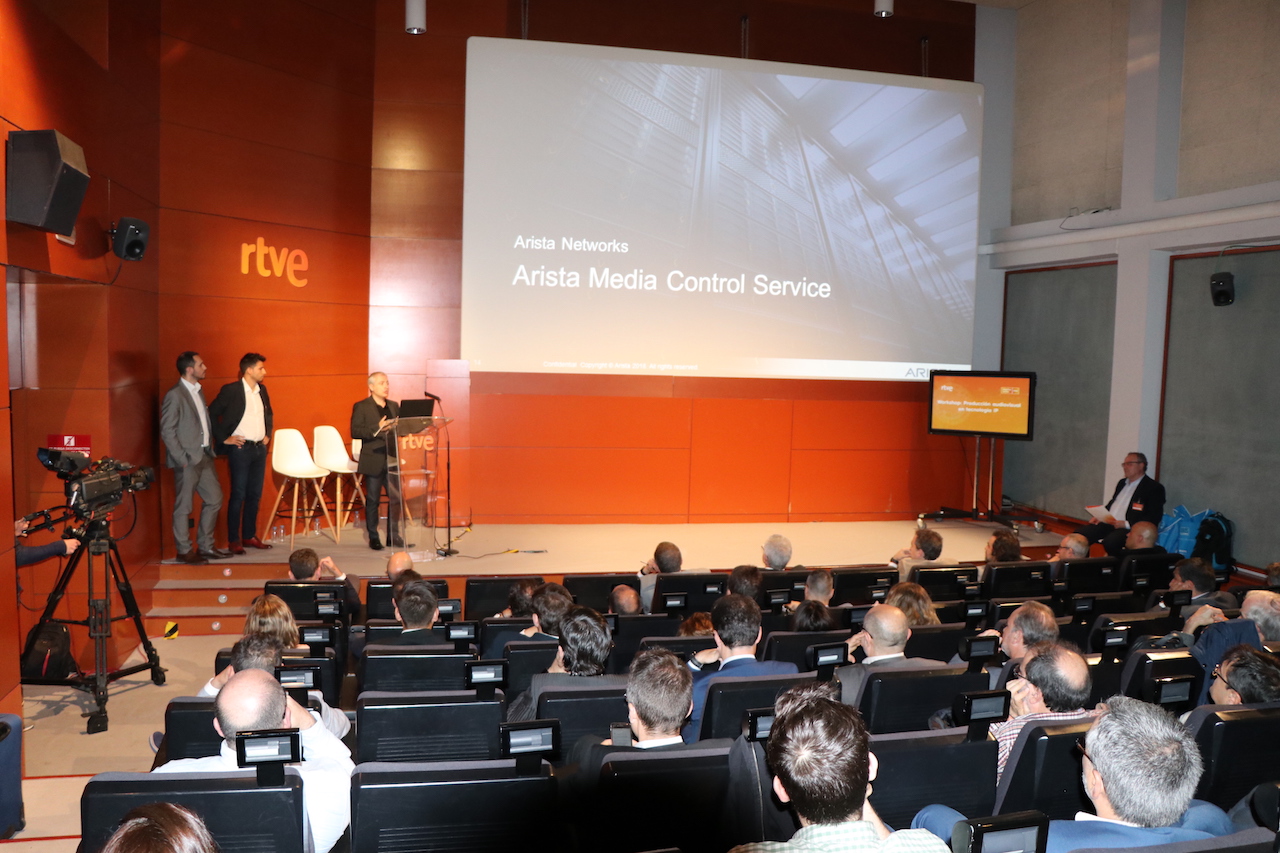
Aicox Solutions ha acudido a esta jornada junto a dos de sus partners: Arista y Harmonic. Ha sido Javier García, al frente del área de broadcast & IT en Aicox, el encargado de presentar a Miguel Cordón, Sales Manager de Arista; y Rubén Sevillano, director regional de ventas para Iberia en Harmonic.
Cordón ha destacado que Arista diseña y fabrica switches para diferentes verticales aunque ha recordado que los inicios de compañía tuvieron relación con el sector financiero que comparte una característica común con el de medio: la necesidad de contar con muy baja latencia.
Para el sector de media, Arista ofrece soluciones para el tratamiento de archivos (edición, rendering…), tiempo real (broadcasting) y streaming/OTT. Además, participa activamente en las principales organizaciones de estandarización.
Cordón ha hecho un repaso a las diferentes topologías de red (Layer 3 /ECMP, Hub /Spoke y Spline /Core) remarcando las características de cada una pensando en un entorno de media aunque ha remarcado que se elija el tipo de red que se elija lo fundamental es “contar con tecnología flexible que de respuesta a cada reto”.
“En el mundo de la conmutación e IT lo importante no es el hardware, sino el software”, ha subrayado.
Mediante una capa de control SDN en NAB 2018, en Las Vegas, Arista llevó a cabo una interesante demostración integrando en una misma red equipos de Lawo, EVS, Axon, SDNSquare, Nevion, Imagine, entre otros fabricantes.
Con esta experiencia Arista demostró que diseñan switches con capacidades útiles para media basados en protocolos comunes, escalables, con un sistema operativo fiable, muy automatizables y orquetables de forma sencilla. Además, en su portfolio de soluciones podemos encontrar una amplia gama de herramientas de software que permite la visibilidad en un entorno de tiempo real.
Por parte de Harmonic, Rubén Sevillano, ha asegurado que “podemos encontrar en el sector de media tres tipos de empresas: las preparadas para moverse al IP ahora; las que lo harán por fases ya que los flujos que el IP les ofrecen cubren todas sus necesidades; y las que están a la expectativa de ver qué pasa y, de momento, el SDI cubre todas sus necesidades.
En cualquier caso, ha afirmado, el IP ofrece flexibilidad y reducción de costes. Además, ha asegurado que “la inteligencia está en el software, el hierro en sí no aporta valor real en la mayoría de los casos”.
Por otro lado, Sevillano ha subrayado que “todas las funcionalidades de los productos de Harmonic se pueden individualizar creando una capa de software común para que estos módulos puedan activarse y desactivarse según la necesidades y con un planteamiento totalmente agnóstico ante terceros”.
Además, la afirmado que si la industria de media mira al software migrar al IP se hace imprescindible. “El SDI no se va a morir mañana pero hay que estar preparados para el IP considerando ya infraestructuras IT alojadas en datacenters internos o, incluso, en cloud”.
Por ello, algunas de sus soluciones como los populares servidores Spectrum soportan tanto SDI como IP.
En esta transición hacia el IP encontramos algunos casos de éxitos por parte de Harmonic como RTL que ha adoptado switches Arista y Juniper; junto a servidores Spectrum X y encoders Electra X de Harmonic; o generadores SPG/PTP de Tektronix, entre otro equipamiento.
Con experiencias de este tipo “hemos aprendido que la fase de diseño es crítica para definir bien lo objetivos, y que, además, hay que probar, probar y seguir probando. Deberemos reinventarnos desde un mundo broadcast estable a un entorno IT con nuevos estándares, requjrimientos y especificaciones”, ha concluido Sevillano.
Did you like this article?
Subscribe to our NEWSLETTER and you won't miss anything.
Related articles
 Grup Mediapro organizes a workshop on Assimilate Live FX
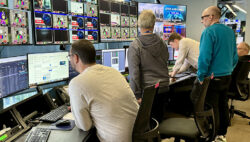 Qvest actualiza la infraestructura de emisión y los entornos de producción de Channel 9
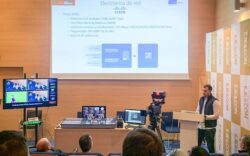 Sony, Unitecnic y Nevion crean un laboratorio permanente sobre tecnología IP para entornos broadcast
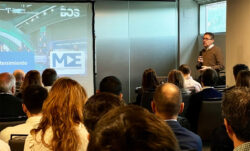 Telefónica congrega a sus divisiones del sector media para analizar presente y futuro de la industria
 Charmex brings together the AV industry with the latest developments in Christie projection
 La tecnología de EVS permitirá al canal oficial de IBC implantar un flujo de producción remota sobre IP
 RTVE will hold a showcase to show its news and discuss trends in production, distribution and consumption
 Workshop sobre producción de entretenimiento, con Jorge Salvador, en Broadcast IT Experience
 Media Networks carries out the first workshop on audiovisual solutions
 Orlando congrega a la industria del cable e IT en SCTE Cable-Tec Expo 2012
 RTVE adjudica a Avid los entornos de producción en HD para Londres 2012
 SVC organiza un workshop sobre producción musical en vivo
 Nuevas soluciones de Estructure Media Systems para entornos de post-producción sobre SAN, iSCSI e IP
 II Workshop de la Industria Audiovisual Multiplataforma