





Filming begins on 'Regresa El Cepa', a documentary about 'The crime of Cuenca'
Hace cuarenta años Pilar Miró estrenó esta controvertida película que sería secuestrada militarmente y su directora procesada. Ahora, un documental, bajo la dirección de Víctor Matellano aborda cómo fue el rodaje de ‘El crimen de Cuenca’.
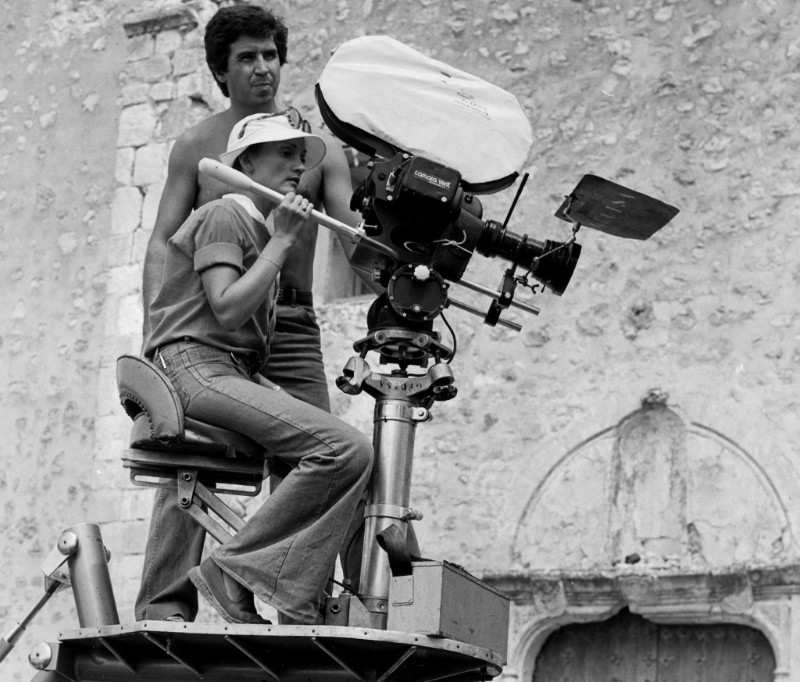
Víctor Matellano ha iniciado el rodaje de Regresa El Cepa, un documental con guion de Antonio Durán, Emeterio Díez Puertas, autor del libro Golpe a la transición, y el propio Matellano que aborda cómo fue el rodaje de la película The Cuenca crime.
Hace cuarenta años Pilar Miró estrenó esta controvertida película que sería secuestrada militarmente y su directora procesada. Una película que más tarde se convertirá en uno de los grandes éxitos del cine español y su estreno en un ejemplo de avance de la democracia y de la libertad de expresión.
Como en el caso real y en la película, El Cepa regresa para contarlo. El actor que interpretó a El Cepa en la película de Pilar Miró, Guillermo Montesinos, vuelve a los lugares de rodaje cuarenta años después, los reales del Caso Grimaldos, para encontrarse con los vecinos.
Su visita sirve de hilo conductor del documental en el que serán entrevistados especialistas, juristas, ex responsables institucionales, guionistas, miembros del equipo y actores de la película de Pilar Miró como Mercedes Sampietro o Héctor Alterio.
Como director en cine, tras numerosos cortometrajes como los seleccionados para los premios Goya, Tío Jess y La cañada de los ingleses, estrenado en el festival de Cannes, Víctor Matellano debuta en el campo del largometraje con el documental Zarpazos! Un viaje por el Spanish Horror. A este le seguirán los largometrajes de ficción Wax, Vampyres y Stop Over in Hell, estrenados internacionalmente en una quincena de países, con los que ha obtenido varios galardones.
Matellano ha destacado que “si hay una película importante en el periodo de la transición española es The Cuenca crime. Es mucho más que una película, contribuyó a muchos cambios, entre estos al código de justicia militar”.
“Hablar hoy en día del secuestro de esa película, supone reflexionar sobre la libertad de expresión entonces y ahora. No dejo de ponerme en la piel de Pilar Miró, mujer realizadora en la España de finales de los setenta, sabedora de que podría ser protagonista de un consejo de guerra por declararse autora de una película sobre hechos históricos probados…”, concluye Matellano.
Did you like this article?
Subscribe to our NEWSLETTER and you won't miss anything.
Related articles
 Filming begins on 'La encrucijada', a series about an impossible love that will be seen on Antena 3
 Alberto Rodríguez returns with 'Los tigres', a Movistar Plus+ original already filming
 RTVE returns to great historical fictions with the filming of 'Ena'
 Filming begins on 'Saben That', a feature film by Trueba about the comedian Eugenio
 Cádiz hosts the filming of 'El amor de Andrea', the new feature film by Manuel Martín Cuenca
 The Valencian Community hosts the filming of 'Canvi', a documentary film about climate change
 'Bull Run', first tokenized documentary about bitcoin
 Filming of the documentary 'Sigena, the magic of a dream' begins
 Bambú will produce a documentary series on the Alcàsser crime for Netflix
 The VIII Hispasat Meeting on Space Telecommunications begins at the UIMP
 A&E comienza las grabaciones de ‘Be Bike’, el primer factual en España sobre el mundo de las biciletas
 Filming of 'Brain Drain 2' begins
 Filming of 'Interferences' begins in Barcelona
 'Creatology', Sony's technology and creativity tour begins at IBC