





‘Clink’, la nueva serie de Channel 5, grabada en formato Blackmagic RAW
La serie de diez capítulos ha sido rodada con Ursa Mini Pro G1 por LA Productions, en colaboración con Kew Media Group, y está basada en hechos reales.
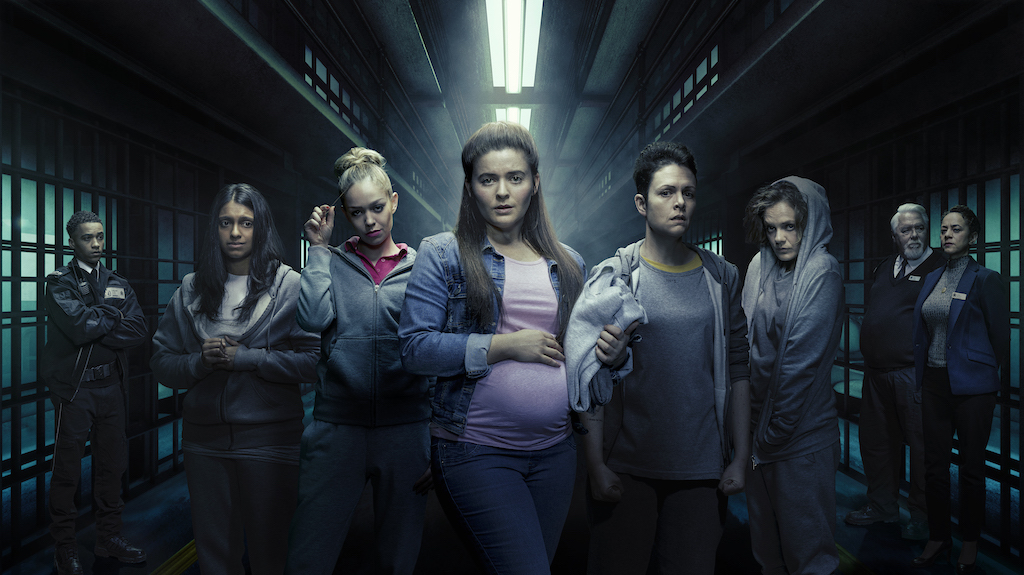
Clink, la nueva serie dramática de la televisión británica creada por Colin McKeown y producida por Donna Molloy, ha confiado en una dinámica de trabajo basada en Blackmagic RAW para el rodaje y la posproducción del material.
La serie fue producida por LA Productions, en colaboración con Kew Media Group, y está basada en hechos reales. Además, la dirección de los diez episodios estuvo a cargo de Gary Williams y el director de fotografía Tim Pollard. La producción eligió el modelo Ursa Mini Pro G1 para grabar en 4K mediante el códec Blackmagic RAW con compresión 12:1.
“Me dediqué a la dirección de fotografía por muchos años, y siempre me asombró la estética y los tonos de piel que se logran con la cámara URSA Mini Pro. Siento que responde muy bien a la luz. Ya la había usado en distintos documentales y me permitió comunicar el dramatismo a la perfección”, comenta Williams.
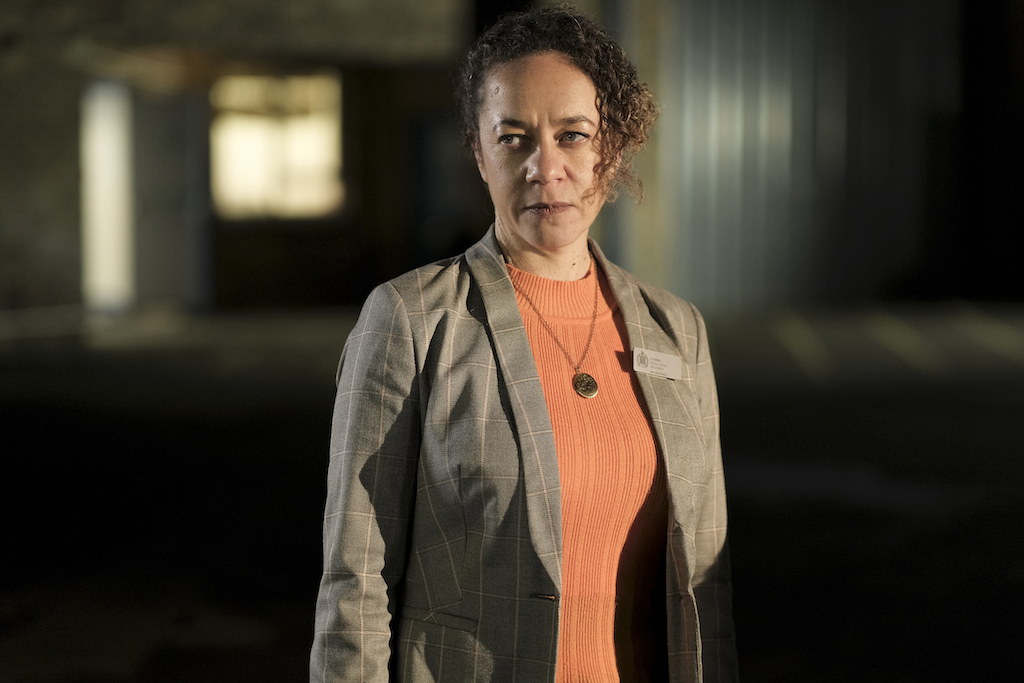
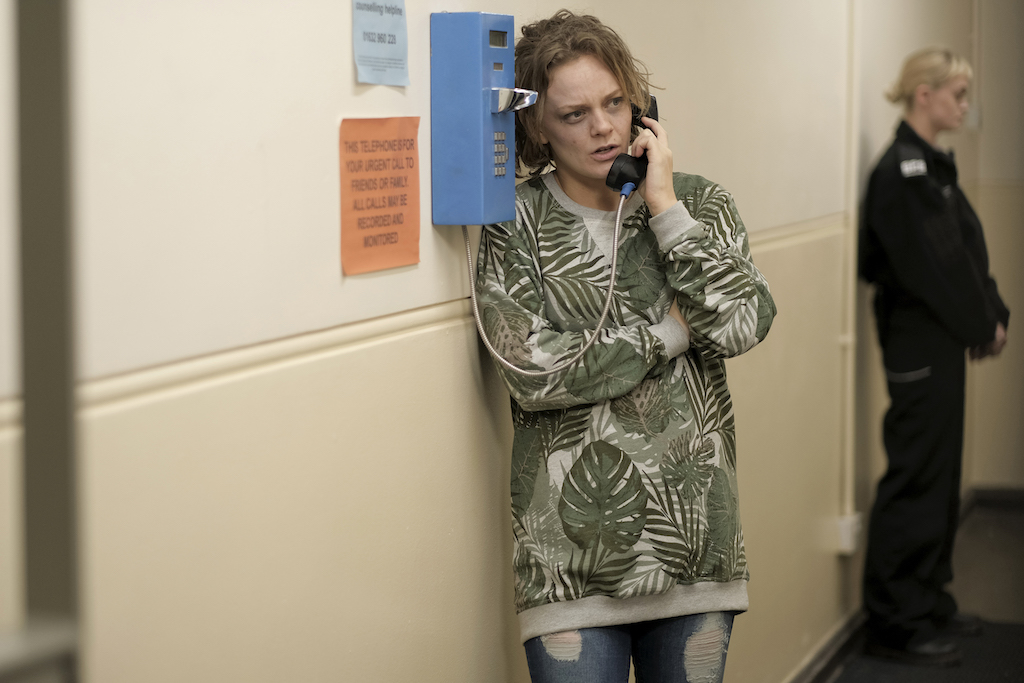 “Además, su latitud fue sumamente útil al grabar en Blackmagic RAW. Esto nos brindó mucha más libertad en un rodaje en el cual había bastantes espacios restringidos, donde la iluminación era complicada. Al principio, saber que la imagen comprendería todos esos detalles implicó que pudimos conservar esa información en las zonas oscuras o claras para aprovecharla en la posproducción”, añade.
Una vez finalizada la fotografía principal, el proyecto pasó a la etapa de posproducción, a cargo de Patrick Hall (LA Production). Tanto la edición como el etalonaje se llevaron a cabo en DaVinci Resolve Studio, mientras que los efectos visuales se crearon en Fusion Studio.
El rodaje se finalizó en solo 10 meses, y la decisión de capturar las imágenes en formato Blackmagic RAW permitió que LA Productions completara la producción en tiempo récord. Hubo un total de cuatro editores y dos asistentes de edición colaborando en cada uno de los cuatro bloques.
La grabación de cada episodio duraba unos siete días, durante los cuales el equipo de posproducción procesaba el material cuando recibía los copiones al final de cada jornada. Entonces, el editor destinaba dos días y medio junto al director para obtener el montaje final, que luego enviaban directamente al equipo encargado del etalonaje y los toques finales.
“Al principio, probamos una dinámica de trabajo basada en archivos proxy en vez de Blackmagic RAW, pero observamos que este último formato es mucho más directo en términos de velocidad. Además, gracias a esto, quedó libre un asistente de edición, quien destinó más tiempo a procesar metadatos con palabras clave y a exportar los contenidos. Estas tareas nos permitieron encontrar el material con mucha más facilidad, especialmente para los avances promocionales”, concluye Gary Williams.
Did you like this article?
Subscribe to our NEWSLETTER and you won't miss anything.
Related articles
 Grabando teatro en gran formato con la URSA Cine de Blackmagic
 Voz Audiovisual se une a EITB, 3Cat y TVG para ‘Pensión Incompleta’, primera serie grabada en las cuatro lenguas oficiales del Estado
 Blackmagic Design estrena compatibilidad con el formato Apple ProRes RAW
 'Incomplete pension': first series recorded in the four official languages of the State
 ‘Alice in Wonderlight’, grabada para la posteridad en 8K con la URSA Mini Pro 12K OLPF de Blackmagic
 El formato ‘La penúltima y me voy’ de Atresmedia, rodado con Blackmagic
 Secuoya Studios y Dopamine producen ‘Campamento Newton’, la nueva serie de Disney Channel
 Blackmagic Design ofrece ahora grabación en formato Blackmagic RAW en su Video Assist 12G
 La británica Firebird Pictures compra el formato de la serie “La sala”
 ‘Vis a Vis’, primera serie española que se estrenará en abierto en el canal británico Channel 4
 Sundance Channel convoca una nueva edición de su concurso de cortometrajes Sundance Channel Shorts
 La nueva película de Robert Bellsolá, ‘Dos a la carta’ grabada con micrófonos DPA
 Samsung presenta su nueva serie de monitores de gran formato
 ‘Suckers’, primera serie de animación española que emitirá Disney Channel USA