





Cinemas and video-on-demand platforms: intimate enemies
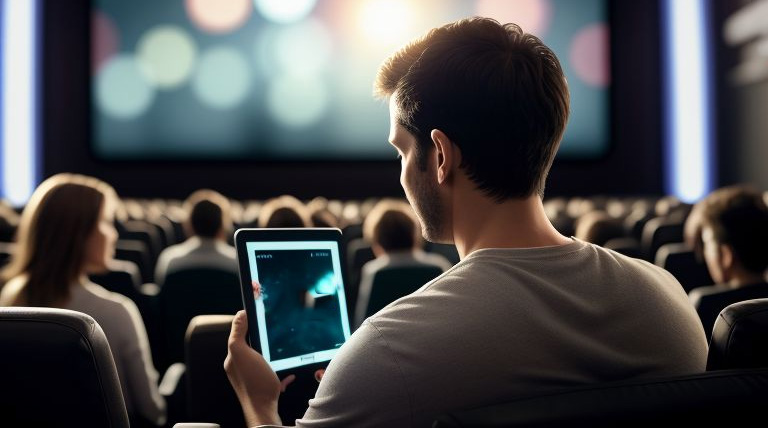

En esta tribuna, Fernando Lobo, responsable de programación y comunicación de Cines Embajadores, reflexiona sobre cómo ha afectado a las salas las nuevas ventanas de exhibición condicionadas por las plataformas de vídeo bajo demanda, ampliamente condicionadas por los nuevos hábitos de consumo desarrollados por la experiencia a raíz de las restricciones derivadas de la COVID-19.
Antes del 2020, antes de la pandemia, ya existían las plataformas. Los catálogos no eran tan amplios y quizá no había tanta producción de películas propias como hay ahora, pero sí que existían grandes series. Todos recordamos Juegos de Tronos, que veíamos en HBO, entre muchas otras obras. Las plataformas, en definitiva, tenían su hueco antes de iniciar esta relación de enemistad íntima.
Si nos fijamos en las cifras de taquilla, desde 2012 hasta 2019 podemos observar cómo la asistencia a las salas de cine crecía año tras año, viniendo de donde veníamos: la crisis de 2008. En 2019, se superaron los 100 millones de espectadores. Estos años, tan importantes para el cine, coincidieron con la llegada a nuestras vidas de Netflix, HBO, Prime Video, Filmin, FlixOlé o Disney+.
El hecho de que esta convivencia se produjera sin mayores repercusiones para la exhibición demuestra, sobre todo, que el modelo de sociedad y el modelo de consumo han cambiado.
 El cambio de paradigma con la pandemia

La pandemia nos hizo estar dos meses encerrados en casa, sumados a otro periodo de tiempo en el que los cines no estaban abiertos. Había muchas restricciones, miedo y comunidades que hacían una cosa y otras que hacían otra. El plan nacional no era un plan, sino eran diecisiete, tantos como comunidades autónomas. Algunas distribuidoras valientes estrenaron películas sabiendo que se verían en Madrid, pero quizá no en otras comunidades.
Las plataformas reaccionaron a este periodo de formas diferentes. La apuesta más severa fue por parte de Disney, ya que decidió estrenar directamente de forma digital títulos como Red, Soul o Luca, lo que supuso a los cines la ruina total y absoluta. Durante un tiempo, solo se estrenaba en España cine independiente, que es un motor importante del cine y que hizo grandes números dentro de su contexto, pero no es suficiente para sostener a toda una industria.
Durante este periodo, ya sea por el entorno social, la oferta de los cines o las apuestas de las plataformas, la sociedad sufrió un cambio. Se decía mucho la frase “De esta saldremos mejores”. No sé si hemos salido mejores o peores viendo cómo está la sociedad actualmente. Lo que sé que es seguro es que hemos salido diferentes.
Cinco años después…
Durante estos últimos años, hemos tenido que aprender a convivir en este modelo de consumo. La propia industria ha ido adaptándose. Disney decidió volver a apostar por los cines; plataformas como Apple TV, quizá por su alcance reducido en nuestro país, decidió replantear el estreno de grandes apuestas como Los asesinos de la luna para estar en los cines más de dos meses, y luego está el caso de La sociedad de la nieve.
Now, más que nunca, es imprescindible que productores, plataformas, distribuidores y exhibidores lleguemos a acuerdos para que este nuevo contexto sea cohabitable.
Aun a día de hoy, no me cabe en la cabeza por qué no se estrenó en cines, aunque fuera solo en España. No sé hasta qué punto a Netflix no le resultaría más rentable decidir distribuir la película en las salas y posteriormente en las plataformas. La película se estrenó un 15 de diciembre y a partir de reyes ya estuvo en la plataforma. Los Goya fueron un mes después, lo que hubiera permitido que la película, con todos los premios que recibió, se hubiera mantenido a plenos pulmón durante más de dos meses, pero no solo eso: los Óscar pusieron otra vez en el candelero a la película.
En cualquier caso, esta reformulación de las apuestas de las plataformas está favoreciendo que volvamos a ese estado de enemistad íntima. Eso sí: ahora, más que nunca, es imprescindible que productores, plataformas, distribuidores y exhibidores lleguemos a acuerdos para que este nuevo contexto sea cohabitable.
Un nuevo acuerdo sobre las ventanas de exhibición
El principal acuerdo al que se debería llegar es al de las ventanas de exhibición. Venimos de una industria del cine en la que había unos plazos muy marcados. Estaba la ventana de los cines, de la salida de los formatos físicos y la de la salida del formato de televisión. Ahora, esta división ya no tiene sentido: la venta de blu-ray y DVD se ha visto afectada por los catálogos de las plataformas, que cuentan con unos inventarios impresionantes que, además, en muchas ocasiones saltan de unas empresas a otras. Mucha gente se hace la misma pregunta: ¿para qué me voy a comprar el formato físico de Todo a la vez en todas partes si dentro de dos meses voy a tener la película en Movistar Plus+ o en HBO?
El problema es que corremos el riesgo de que las salas, al igual que el formato físico, se conviertan en un asunto romántico. La gran cantidad de estrenos semanales, junto con los estrenos directos en plataformas o las cortas ventanas de exhibición, hacen que se esté cultivando en algunos espectadores la sensación de que da igual ir al cine. Total, dentro de muy poco tiempo la tendrán en Movistar Pus+, Netflix o HBO.
Corremos el riesgo de que las salas, al igual que el formato físico, se conviertan en un asunto romántico.
Es evidente que para toda la industria del cine sea sostenible, tienen que estar mejor marcadas las ventanas de exhibición cinematográfica. Las plataformas necesitan a las salas: estas se lucran del amor al cine, de esa cultura cinematográfica. No creo que las plataformas quieran una sociedad en la que cada vez haya menos cines, porque al final se consumirán cada vez menos películas en plataformas, la calidad de producción (y la inversión) en las películas bajará y se perderá ese algo especial que diferencia a esta industria de otros entretenimientos audiovisuales como, por ejemplo, los podcast o los audiolibros.
La búsqueda del punto medio entre cines y plataformas
Es importante crear nuevos acuerdos entre cines y plataformas, pero no tiene sentido volver a las ventanas de exhibición de hace una década. No son necesario los 128 días, pero tampoco funcionan las tres semanas actuales de algunas producciones originales de plataformas. Es necesario sentarse y plantear la siguiente pregunta: “¿Y si hacemos una ventana intermedia de ocho semanas, para que la gente que llega al estreno sepa que no es inmediato su estreno en plataformas y así consigamos entre todos más aforo y más recaudación?”
Para los amantes de la cultura, entre los cuales me encuentro, la situación ideal sería que la nueva Ley del Cine regulara estas nuevas ventanas de exhibición, aunque la cuestión es muy compleja. La ideología es la ideología, y la política es la política. Tenemos dos enemigos íntimos: la exhibición en cine y la explotación en plataformas; a un lado del ring, uno, y al otro lado, otro. ¿Qué mejor que haya un árbitro o un mediador para decidir qué se puede hacer y qué no, de modo que el “combate” sea lo más justo posible en un marco con ciertas pautas o normas?
Para los amantes de la culture, entre los cuales me encuentro, la situación ideal sería que la nueva Ley del Cine regulara estas nuevas ventanas de exhibición, aunque la cuestión es muy compleja.
Lo que sucede es que siempre que el estado interviene en la empresa privada, se crea una polémica. Y limitar la “libertad” de las plataformas en definir sus estrenos podría resultar en una pérdida de votos por parte de los legisladores, por mucho que esto pudiera beneficiar enormemente, en último término, a la industria cinematográfica.
De cara al futuro de las ventanas de exhibición, es necesario escuchar a la industria. Pero, por encima de todo, tenemos que escucharnos más los unos a los otros. Hay que dejar egos y orgullos a un lado, dialogar más, comprender más a la otra parte y, sobre todo, estar dispuestos a ceder. Si nadie se mueve de su posición es muy difícil que las cosas salgan bien. O, por lo menos, es further difícil.
Fernando Lobo
Responsable de programación y comunicación de Cines Embajadores

Did you like this article?
Subscribe to our NEWSLETTER and you won't miss anything.
Related articles
 Limits to on-demand platforms, in the rules of the 2025 Goya Awards
 CMM renews CMMPlay, its streaming and video on demand platform
 Video on demand companies create the European VOD Coalition
 Cosmo On video-on-demand service comes to Vodafone TV
 Cines Verdi make the leap to video on demand with two channels
 Accedo helps the British Channel 4 to extend its on-demand service All 4 to new platforms
 Spotify begins offering video on demand
 Sensio prepares 3DGo! a 3D video on demand service
 On Video: Telefónica launches an online video on demand service in Argentina
 Ono will offer Disney content on video on demand
 Video on demand comes to the PlayStation in Europe
 True Video on Demand in Australia with Tandberg
 Video on demand in Cabovisão with Mirada
 Orange TV awards Teuve its video-on-demand operations