





IP video improves on-site experience at Olympic venues
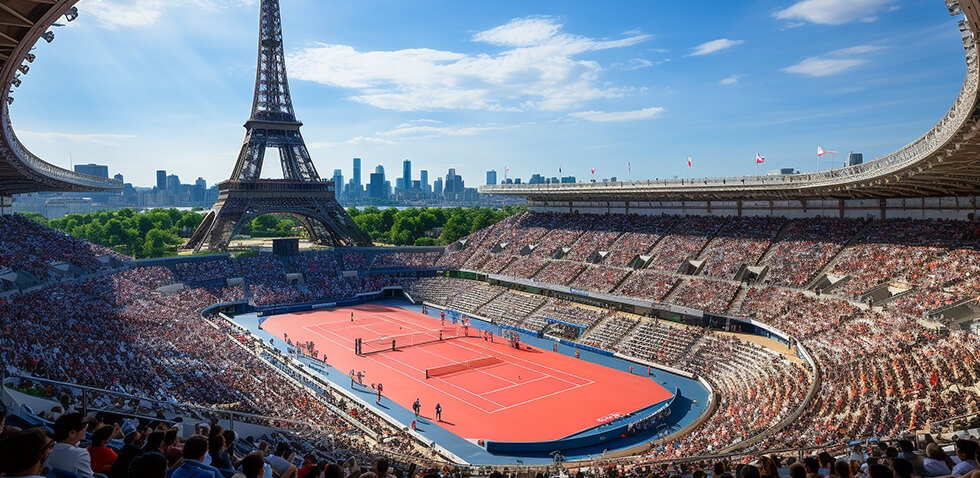
Mientras el mundo centra su atención en los Juegos Olímpicos de París, el vídeo IP vuelve a utilizarse para optimizar la experiencia en estadios, arenas y otros espacios para eventos. La tecnología de Vitec se está empleando para transmitir información y retransmisiones en directo a pantallas repartidas por todas las instalaciones.
According to Nicolas Quesne, director general adjunto de Vitec, “la organización de los Juegos Olímpicos implica enormes reformas de las infraestructuras de la ciudad o el país anfitriones que requieren importantes inversiones de capital. Por este motivo, los líderes de los sectores privado, público y sin ánimo de lucro que deben colaborar para acoger las Olimpiadas están tan interesados en adoptar sistemas reutilizables y reconfigurables antes, durante y después de los acontecimientos”·.
Esto es válido para todos los factores operativos asociados a la producción de unos Juegos Olímpicos eficaces, pero es especialmente destacado cuando se trata de aprovechar los contenidos de vídeo.
“Hoy en día, los espectadores de eventos en directo esperan experiencias de vídeo que reproduzcan la calidad que reciben en casa, incluso cuando se desplazan y están dentro de los recintos. Por ello, el vídeo IP se ha convertido en un factor crítico para los responsables de la construcción de nuevas instalaciones, así como para los que actualizan las ya existentes”, afirma Quesne.
Los estadios al aire libre y los recintos cubiertos que albergan diferentes eventos deportivos, desde atletismo hasta gimnasia, suelen ser enormes. A pesar de su tamaño, los recintos suelen tener dificultades para satisfacer la demanda de asientos en los acontecimientos olímpicos.
“Como resultado, incluso los asientos más caros pueden tener vistas obstruidas. Al aumentar el número de pantallas en todo el estadio, el vídeo IP puede mejorar la experiencia del espectador o permitir que la gente disfrute de contenidos en directo en sus dispositivos, ya que las conexiones Wi-Fi o por cable pueden mostrar eventos en directo en cualquier lugar del recinto”, destaca Quesne.
 Integración de señalización en infraestructuras IP

Además de ofrecer imágenes en movimiento, el vídeo IP puede integrarse con sistemas de señalización digital para mostrar resultados y proporcionar mapas interactivos, así como servicios de orientación para visitantes de fuera de la ciudad que pueden no estar familiarizados con la geografía local.
“Esto ayuda a los asistentes a encontrar los servicios y a desplazarse por varios lugares, lo que es crucial cuando se celebran varios eventos. Sin embargo, lo más importante es el papel que desempeñan el vídeo IP y la señalización digital durante las emergencias”, afirma.
Las pantallas de vídeo IP y los activos de señalización digital pueden pasar rápidamente de mostrar la acción en el campo -o promocionar a los concesionarios- a mostrar mensajes e indicaciones sencillos e intuitivos que pueden garantizar la seguridad del recinto para todos.
Las notificaciones de gestión de emergencias bien elaboradas y diseñadas pueden funcionar muy bien para los asistentes, independientemente de su idioma o cultura, mostrando flechas en movimiento e iconografía de vídeo intuitiva. Lo mejor de todo es que los sistemas de vídeo IP pueden gestionarse desde ubicaciones remotas y centralizadas para garantizar una comunicación puntual y precisa.
“Con el vídeo IP, no hay necesidad de tocar físicamente cada televisor o pantalla de visualización. Todo se puede controlar de forma centralizada, lo que permite a los responsables centrarse en el contenido en lugar de en cuestiones técnicas cuando el tiempo apremia”, subraya el directivo de Vitec.
El vídeo IP optimiza la asignación de recursos a lo largo del ciclo de vida de la gestión de eventos olímpicos para ofrecer importantes ventajas económicas.
“La reutilización y redistribución de los equipos de vídeo IP en las sedes y ciudades aportan un valor económico duradero.
y ciudades proporcionan un valor económico duradero. En lugar de desechar el equipo y otros recursos después del evento, los líderes locales y regionales pueden reutilizar la red, el enrutamiento, las pantallas -y otros aspectos del vídeo IP- para utilizarlos en futuros eventos en directo o en aplicaciones totalmente diferentes. Esto mejora la rentabilidad y la sostenibilidad a lo largo del tiempo”, afirma Quesne.
El vídeo IP, añade, es simplemente un sistema de distribución de vídeo más adaptable y flexible que las tecnologías heredadas. Permite a los recintos aprovechar la infraestructura existente y reconfigurar rápidamente las configuraciones de vídeo, minimizando la necesidad de instalaciones físicas extensas y gravosas para el medio ambiente.
“También permite la integración de diversas tecnologías y servicios, como la señalización digital y las funciones interactivas. Estas capacidades de integración mejoran la experiencia global del aficionado al tiempo que racionalizan el uso de recursos al eliminar la necesidad de sistemas y equipos independientes sin duplicar esfuerzos que aumentarían la huella de carbono del proyecto”, concluye Nicolas Quesne.
Did you like this article?
Subscribe to our NEWSLETTER and you won't miss anything.
Related articles
 Eutelsat improves the free-to-air satellite reception experience on televisions connected with Sat.tv Connect
 Movistar Plus+ improves the user experience in sports coverage together with WSC Sports
 RTVE Play launches video player and transversally improves the viewing experience
 LaLiga+ improves usability, user experience and design following the new brand image
 Orange improves the entertainment experience with the launch of the Infinity HomeBox service
 Taiwan-based 17 Live enhances online viewing experience with LiveU
 Texas A&M Athletics mejora la experiencia de los aficionados al baloncesto con AJA RovoCam
 Anti-piracy and improvement of the user experience, pillars of Nagra at NAB 2017
 Consumers demand that operators improve the online experience
 Vodafone Portugal mejora la experiencia televisiva de sus usuarios con Ericsson
 Avid improves collaborative work between the different RTVE headquarters
 Pilat Media improves the cross-platform experience
 Dolby enhances the HD entertainment experience
 DLA-F110, JVC's new professional projector improves the 3D experience