





Sennheiser Spectera supera su premier tour de force at PGA Tour Studios
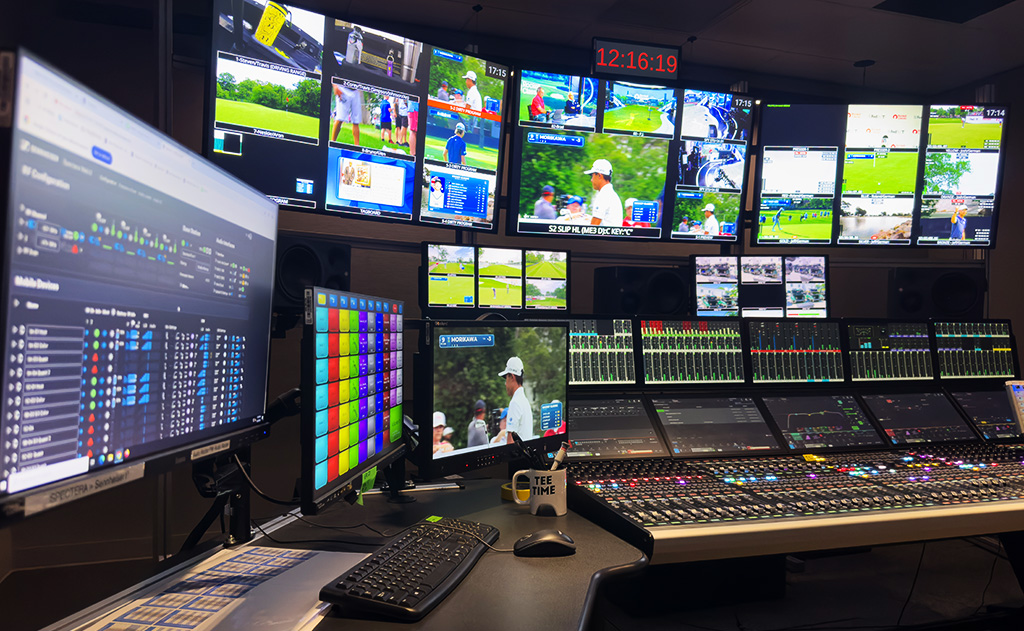
PGA Tour Studios ha implementado el ecosistema de audio inalámbrico Spectera de Sennheiser para administrar siete estudios y gestionar hasta 11 programas que se emiten simultáneamente; todo, en un entorno repleto de señales RF.
La productora, especializada en todo tipo de contenidos relacionados con el mundo del golf, necesitaba una solución inalámbrica que pudiera seguir el ritmo de las exigencias de un entorno de producción de varios estudios. Spectera surgió como opción por sus capacidades técnicas, así como por con la forma en que simplificaba la instalación y permitía al equipo de ingeniería centrarse en la producción en lugar de en la infraestructura.
Spectera de Sennheiser se define como “el primer ecosistema inalámbrico bidireccional de banda ancha del mundo”. A diferencia de las configuraciones de audio inalámbricas tradicionales, no se basa en una compleja mezcla de sistemas separados para micrófonos y monitores in-ear o monitores foldback interrumpibles (IFB), cada uno en sus propias frecuencias y que requieren una minuciosa planificación de canales y bandas de guarda. Spectera adopta un enfoque fundamentalmente diferente, reuniendo micrófonos, IFB y datos de control in a único canal RF de banda ancha, gestionado desde una estación base compacta 1RU. Este enfoque simplifica la gestión del audio inalámbrico en la producción en directo.
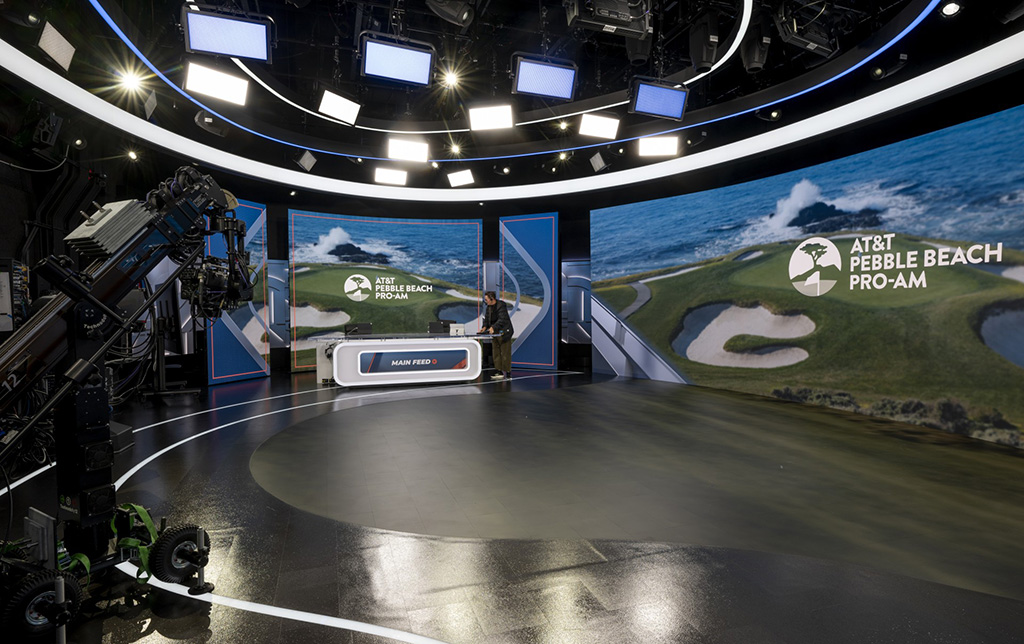
Adaptando Spectera a PGA Tour
Con un calendario de producción muy exigente, PGA Tour Studios necesitaba una solución de audio realmente resiliente, lo que les llevó a implantar Spectera. En palabras de Ricardo Landaeta, director de audio broadcast de PGA Tour: “Nuestra visión original era implantar un sistema de RF en todo el edificio que ofreciera una cobertura sin fisuras en todos los estudios, independientemente de su ubicación. Tenemos siete estudios, cada uno con tres o cuatro talentos, y nuestro objetivo es realizar seis programas semanales con un máximo de cuatro talentos por programa, operando cuatro días a la semana durante 12 horas. La resistencia, la calidad y la versatilidad son importantes. Con Spectera, los talentos pueden pasar fácilmente de un estudio a otro simplemente cogiendo un paquete, y la integración de los invitados es fluida”.
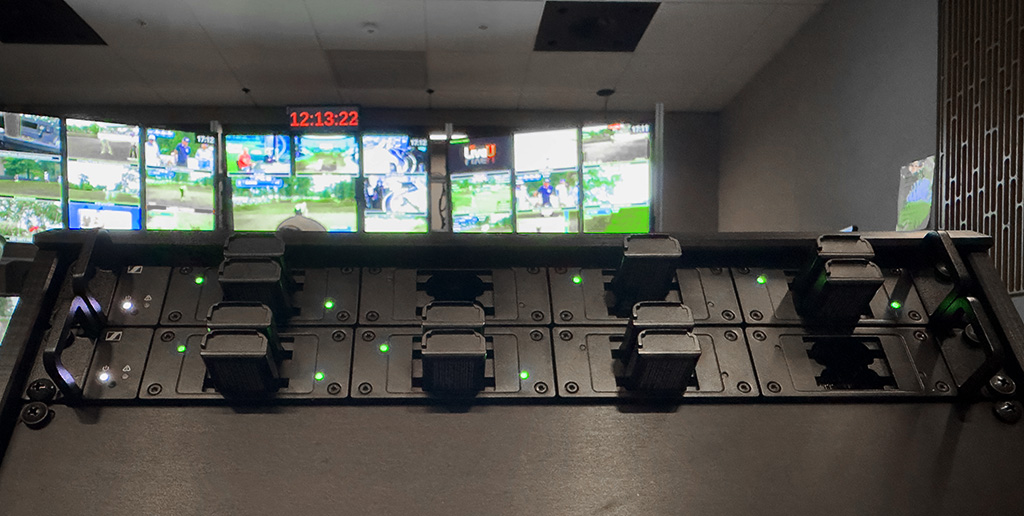
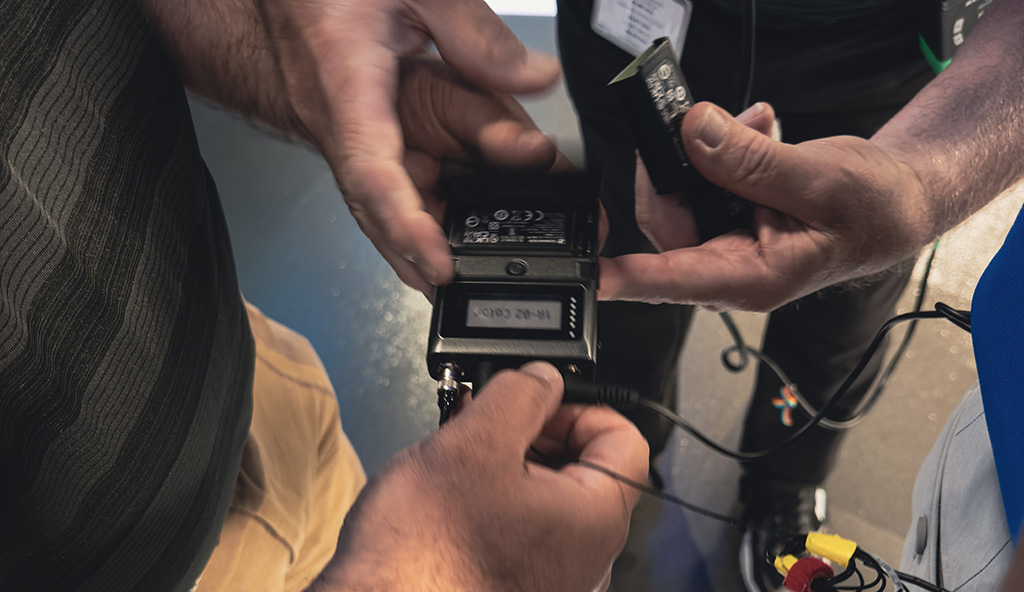
Spectera permite que los canales de micrófono e IFB funcionen juntos en el mismo ancho de banda de 6 u 8 MHz, gestionado de forma centralizada. Se pueden gestionar hasta 64 canales de audio (32 de entrada, 32 de salida) desde una sola unidad de rack, una tarea que antes requería una maraña de receptores, transmisores y cuidadosos cálculos manuales de frecuencia. Los bodypacks bidireccionales SEK funcionan como transmisor de micrófono o línea y receptor IFB a la vez, lo que reduce los equipos y el cableado para todos en el escenario. Los operadores también pueden supervisar y controlar a distancia los packs, gracias al enlace bidireccional continuo de Spectera. Los paquetes de micrófonos Spectera se cargan en las estaciones base para así permitir una rápida sustitución sobre el terreno o en el estudio.
La configuración de los estudios PGA Tour incluye dos estaciones base Spectera, que admiten un total de 24 micrófonos y monitores IFB, distribuidos por las instalaciones con siete antenas dedicadas para garantizar una cobertura óptima. Está previsto ampliar esta configuración a seis estaciones base y paquetes adicionales en otoño de 2025, lo que proporcionará cobertura en todo el edificio y redundancia de hardware.
Según explica Joel Latimer, ingeniero de audio A1 de PGA Tour, el proceso de puesta en marcha fue “extraordinariamente rápido y sencillo”: “Sólo tardamos 10 minutos en encenderlo, configurarlo y mostrar lo que puede hacer. La facilidad de uso nos cogió a todos gratamente por sorpresa”. Este rápido despliegue permitió que el sistema se pusiera en marcha rápidamente; en poco más de dos semanas de pruebas exhaustivas a principios de enero, la productora tenía plena confianza para desplegar Spectera a un estado plenamente operativo y apoyar activamente las emisiones al aire en cuatro estudios.
Mejorando los flujos de trabajo de PGA Tour
En PGA Tour, Spectera ha demostrado un alto nivel de resistencia y estabilidad de RF, incluso en entornos de gran exigencia. Durante un período de gran actividad como The Players Championship, las instalaciones de la productora están rodeadas por numerosas unidades móviles que generan una gran cantidad de señales de RF externas.
A pesar de estas difíciles condiciones y de los numerosos rodajes internos que tuvieron lugar al mismo tiempo, el sistema Spectera no experimentó ni una sola caída, golpe o problema de interferencia. Para el equipo “ especialmente impresionante” un caso en el que un receptor del estudio más grande y geográficamente más alejado seguía recibiendo señales mientras era transportado al vestíbulo en el extremo opuesto del edificio, lo que demuestra el alcance y fiabilidad del sistema.
Asimismo, la simplicity del sistema ha agilizado el flujo de trabajo de PGA Tour Studios. Los técnicos pueden desplazarse entre diferentes estudios, coger cualquier paquete disponible y empezar a trabajar inmediatamente sin necesidad de reconfiguraciones de backend ni ajustes manuales. Empleando WebUI spectrum para cada estación base, es posible supervisar continuamente el estado de los micrófonos, los IEM/IFB y las antenas, así como los niveles críticos de batería y RF. El equipo de audio tiene la posibilidad iniciar sesión en cualquier estación base desde cualquier lugar de su red según sea necesario.
Los ingenieros también tienen a su alcance la opción cambiar las baterías agotadas durante las emisiones en directo, lo que reduce significativamente los retrasos en la producción. El proceso de reanudación de la emisión en directo tras un cambio de batería dura ahora tan solo 7 segundos. Además, Spectera se integró fácilmente con los entornos de audio Dante (Audinate) y Calrec 2110 existentes en PGA Tour Studios, garantizando que, incluso con la conversión de la señal en curso, no se produjera ningún retraso perceptible ni se comprometiera el audio.
La versatilidad de Spectera hace que forme parte integral de una amplia gama de producciones de PGA Tour Studios. El sistema se utiliza sistemáticamente en numerosas coberturas de torneos en directo, incluidas cuatro transmisiones para PGA Tour Live en ESPN+, PGA Tour Champions y Korn Ferry Tour en Golf Channel. También es el sistema central de populares programas de estudio, como The Drop en Golf Channel, On the Range en Golf Channel y YouTube, y la Creator Classic Series de YouTube, en la que a menudo se utilizan de siete a ocho paquetes simultáneamente con talentos distribuidos en tres estudios diferentes dentro del edificio.
PGA Tour, pioneros de Spectera
Como participantes en el programa Spectera Pioneer, el equipo de ingeniería de los estudios del PGA Tour abordó inicialmente la implantación con una combinación de optimismo y cautela, anticipando la necesidad de soluciones de backup. Tal y como explica Landaeta, no fueron necesarias: “En cuanto a las expectativas, no sabíamos muy bien qué esperar. Fuimos uno de los primeros en todo el país en utilizar Spectera, lo cual fue un honor, pero seguía siendo un prototipo. No esperábamos que fuera tan sólido como es, y hemos tenido la suerte de vivir esta fantástica experiencia. Teníamos backup en caso de fallo, pero nunca hemos necesitado desplegarlas. Éramos cautelosamente optimistas. Ahora sólo somos optimistas sobre su éxito continuado”.
Valerie Seward, ingeniera de radiodifusión de PGA Tour Studios, también se deshace en elogios a la solución de Sennheiser: “Es gratificante ver que el sistema se ha puesto en marcha y funciona tal y como Ricardo y su equipo habían previsto. Estamos gestionando hasta 10 programas simultáneamente, y la ingeniería ha permitido a los talentos trabajar en varios estudios sin afectar a la calidad del audio. (…) Animamos encarecidamente a otros profesionales del sector a que lo prueben y lo comprueben por sí mismos”.
Did you like this article?
Subscribe to our NEWSLETTER and you won't miss anything.
Related articles
 PGA Tour Studios will distribute and coordinate its content with the SES hybrid IP satellite network
 NEP Australia redefines its most demanding RF productions with Sennheiser Spectera
 Magnetrón supplies SRS with the first Spectera system (Sennheiser) in Spain
 Sennheiser reveals the most interesting new features of Spectera at IBC
 Sennheiser begins marketing its Spectera broadband wireless ecosystem
 With the Pioneer Program, Sennheiser collects feedback from users of its Spectera system
 Škoda Tour de Luxemburgo 2024: despliegue tecnológico de primer nivel de la mano de BCE
 Getting to know Spectera, the Sennheiser revolution: “It provides a lot of control over your environment”
 Sennheiser ushers in a new era in wireless digital audio transmission with Spectera broadband bi-directional solution
 Pay television over IP exceeds 400 million euros during the first quarter of 2019
 Infinite Studios creates the first 4K virtual studio in Singapore
 Una treintena de películas, balance del primer año de Telefónica Studios
 Telefónica Studios celebrará su primer aniversario en San Sebastián
 'Marvel, The Avengers', first Marvel Studios film to exceed one billion at the box office