





HuskerVision (University of Nebraska) Completes Adoption of Lawo Unified IP Environment
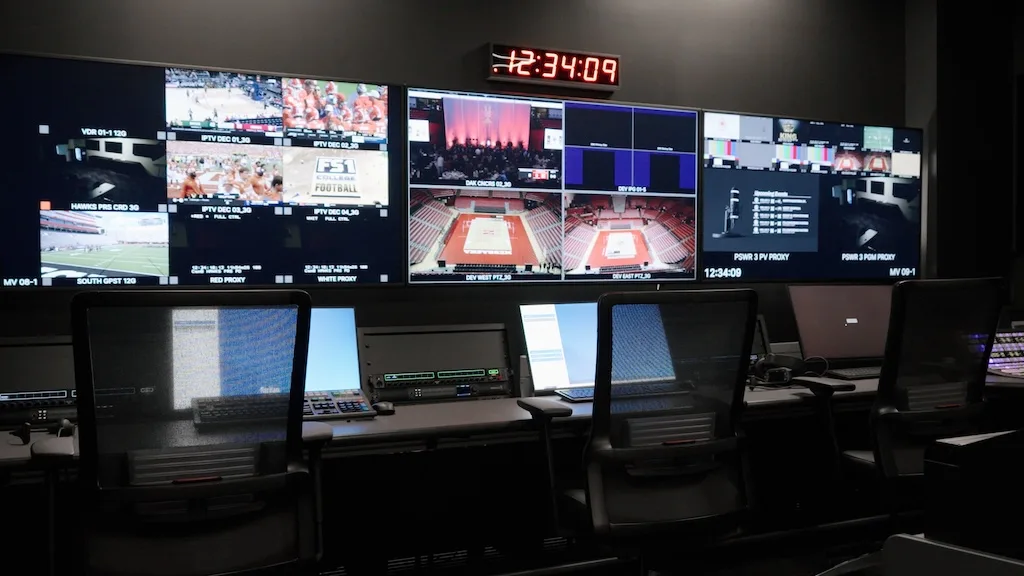
HuskerVision, from the University of Nebraska, completes the second phase of a multi-year modernization project with the implementation of a comprehensive video infrastructure based on ST 2110 and equipped with Theirs.
Following an audio-first transformation in 2023, HuskerVision's first step toward IP workflows, the new video implementation brings together all major sports venues into a unified, software-based production environment. The result is a multimedia structure for the entire campus capable of managing simultaneous programs from multiple control rooms, while offering student operators access to the same tools used in top-tier broadcast facilities.
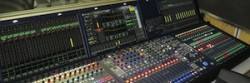
The previous audio update had introduced HuskerVision into the Lawo IP ecosystem through the mc²56 production consoles, he A__UHD Core processing, las interfaces A__stage 64 y A__mic 8, y HOME Management for routing and orchestration. The chief engineer, Scott Guthrie, acknowledges that "doing audio first was key. We learned synchronization, stream management, PTP, device discovery... all the fundamentals. When it came time to implement video, everyone was ready."
That preparation was crucial as the university moved toward SMPTE ST 2110 implementation, designed and integrated by BeckTV. Since Nebraska's sports facilities span a wide geographic area, including Memorial Stadium, Hawks Championship Center, Devaney Center, Pinnacle Bank Arena, Haymarket Park, and the Dillon Tennis and Hibner Soccer Complexes, the goal was to unite all locations through a single IP backbone network feeding three control rooms co-located within Memorial Stadium. This allowed for operational consolidation, while dramatically increasing routing flexibility.
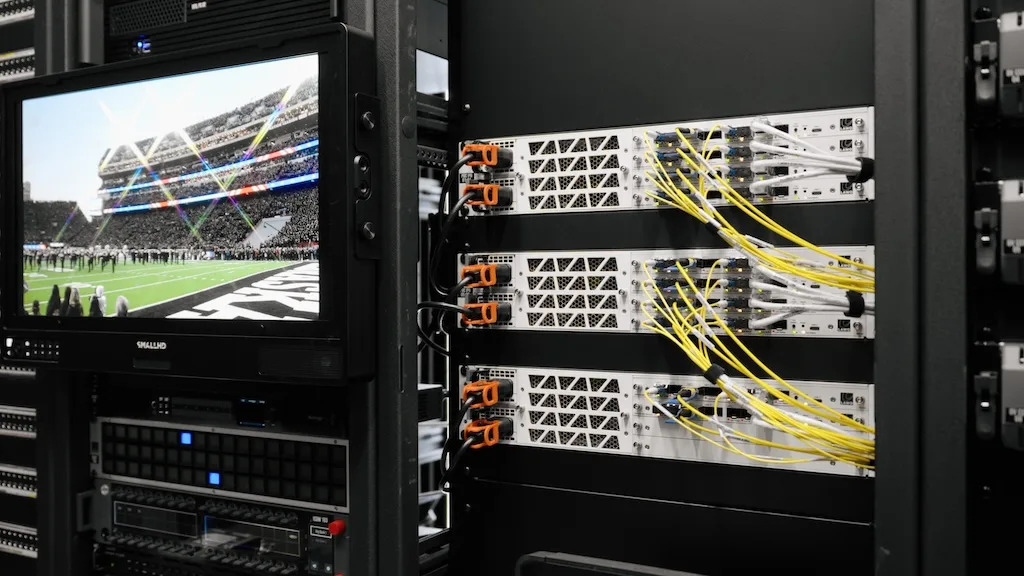
The core of the new video infrastructure is Lawo's .edge platform, which is used both as a high-density gateway and a full IP processing node. Multiple .edge racks provide 3G-SDI and 12G-SDI ingest, while native ST 2110 connectivity and quad 25GbE interfaces power the production fabric. The system's ability to present SDI inputs as network proxies provides HuskerVision with a high scalability with minimal bandwidth overhead.
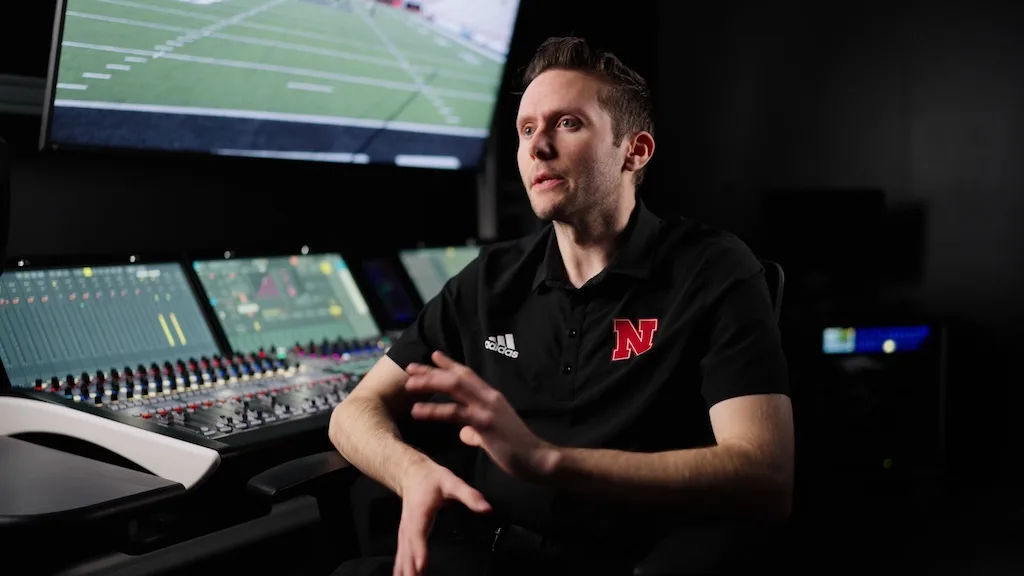 “We can bring in signals from anywhere, whether it's five volleyball cameras or a complete soccer package, and everything appears in the structure,” says the technology director Garrett Hill. “Routing video or audio signals independently is as easy as moving blocks.”
One of the most operationally transformative areas is the mobile unit dock at Memorial Stadium. Using .edge for video and A__stage64 for audio, HuskerVision can now exchange bidirectional signals 24×24 with national units, supporting 12G-SDI, HDR, SDR and ST 2110 signals without the need for additional hardware. “Trucks get what they want,” Guthrie says. “Up, down, HDR, SDR… it's all managed right there at the IP edge.” Hill notes that the increase in available I/O and native processing “has completely changed the way we interact with visiting computers.”
Workflows
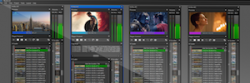
Workflows within control rooms benefit greatly from Lawo HOME applications, which run on COTS servers. The HOME multiviewer, combined with theWall layout generator, enables dynamic, room-specific monitoring configurations that can be reconfigured in seconds.
For its part, the application HOME UDX Provides on-demand up/down/cross conversion directly into the network, reducing the need for traditional baseband converters. Brock room, senior engineer at BeckTV and Nebraska alumnus, describes this flexibility as the defining feature of the project: "From season to season, programs change, and sometimes even from sport to sport. One day you can have football in one control room and the next day football in another. With HOME applications, you turn off the tools that are not needed and activate those that are needed. We have tried the webRTC application, downstream keying, UDX... you name it. The flexibility to use COTS hardware with the HOME application system is the highlight of the entire solution. If I need an application for a set of programs, I use FLEX credits when I don't need it, I turn it off and reuse those credits for something else.
All workflows (video routing, tally, device control and multiviewer changes) are coordinated through Their VSM, which offers operators a single, intuitive layer of control throughout the multi-room environment. According to Guthrie, "VSM allows us to go from a big screen volleyball show to a press conference recording setup with one or two clicks. In a schedule where events constantly overlap, that's very important."
Since HuskerVision relies heavily on student operators, the system accessibility It was essential. Seven full-time employees supervise a large team of students who are involved in all aspects of the productions. Raum says, “Students are doing real engineering tasks. "They are learning with the same tools that are used in mobile relay units." Guthrie adds that "they learn the backend: how to modify designs, manage essences, fix routes. And they achieve it. Training with the best equipment helps them get jobs. Our students leave here prepared for the industry."
With the new red troncal IP, HuskerVision can now scale productions, transport multimedia content more efficiently between venues, and support multiple overlapping events with unprecedented ease. As Guthrie says: "We're in the business of making fans happy. And with this system, we can do it better than ever.”
Did you like this article?
Subscribe to our NEWSLETTER and you won't miss anything.
Related articles
 Lawo mc²56 transforms the recording studio of the Stuttgart Media University
 Lawo draws bridges in the IP Home Apps environment and mc2 consoles with the 12.0.0 update
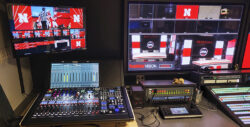 HuskerVision: live sports broadcasts with IP audio and Lawo solutions
 Midlands State University (Zimbabwe) installs Lawo IP-based equipment
 South Korean MBN migrates to an IP environment powered by Lawo
 Nigerian BossFM adopts a virtual environment with Lawo RƎLAY
 Turkuvaz group in Türkiye embraces an IP environment with Lawo
 Electronic Studio Basel (ESB) adopts an IP environment with Lawo mixing and stageboxes
 Fuzhou radio adopts AoIP environment powered by Lawo
 Kiss FM in Kenya installs a Lawo Relay console in a virtualized PC environment
 WDR Philharmonie adopts an IP environment with Lawo mc²96 and Sapphire
 Dorna is strongly committed to an IP environment with the collaboration of Lawo
 Athensa gets “naked” at NAB with Naked, her new commitment to a unified work environment
 Fox Brasil migrates to a digital environment over IP with Lawo