





Spanish Television discovers in 4K 'The secret history of the mummies' from the Archaeological Museum
El documental, coproducido por Story Producciones, ofrecerá el proceso completo de la investigación a cuatro momias del MAN a partir de una tomografía computarizada de alta resolución.
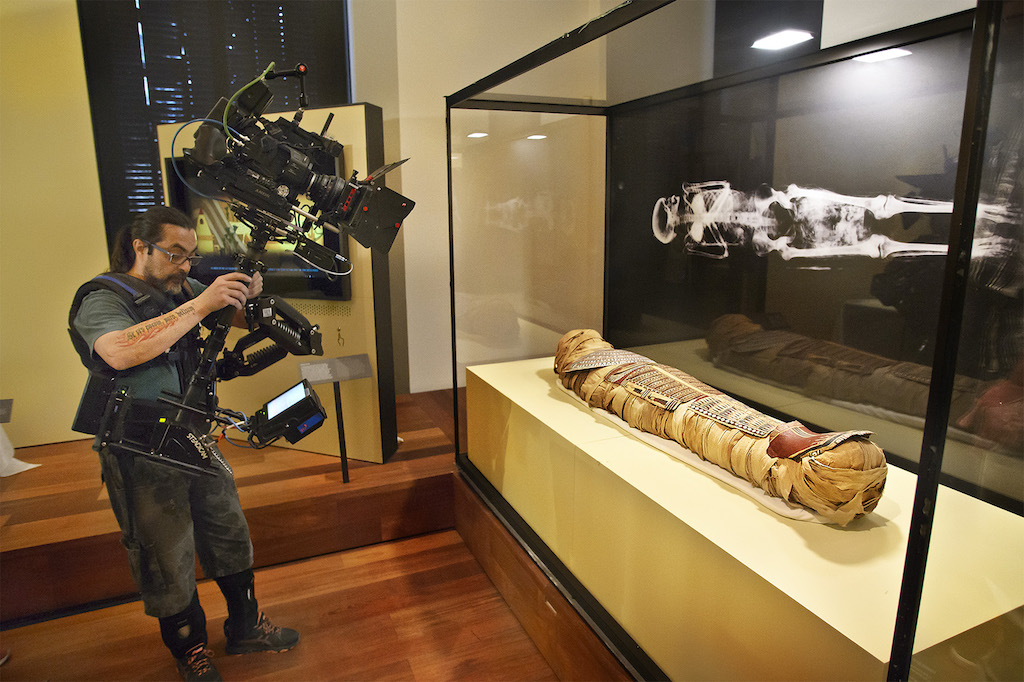
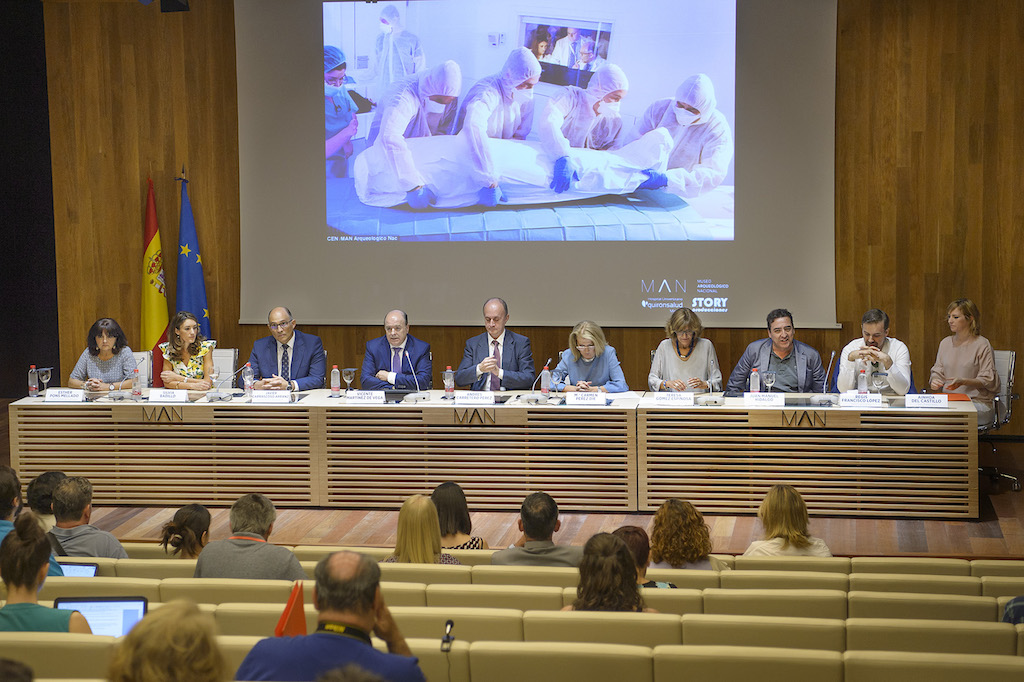
RTVE coproduce junto a Story Producciones La historia secreta de las momias, un documental que mostrará en La 2 el proceso de investigación de cuatro momias de la colección del Museo Arqueológico Nacional (MAN). El estudio, que parte de una autopsia virtual pionera realizada en el Hospital Universitario Quirónsalud de Madrid, demuestra que una de las momias fue sacerdote de Imhotep y médico del faraón. Los resultados han sido presentados este martes en un acto en el MAN.
Durante la presentación, el director de La 2, Juan Manuel Hidalgo, ha felicitado al equipo del Museo Arqueológico Nacional y del Hospital Universitario Quirónsalud de Madrid “por sobrepasar las expectativas” que había cuando se presentó este proyecto. “Ahora, nosotros tenemos la responsabilidad de hacer un trabajo de divulgación para el gran público”, ha asegurado, al tiempo que ha subrayado la idoneidad de este trabajo, al encajar en el tipo de programación de La 2, ser un proyecto de calidad, con recorrido televisivo y ser un producto novedoso en España.
“Estamos satisfechos al 100% y a la espera de ver terminada la realización del documental, que promete ser más que interesante”, ha concluido.
El director del MAN, Andrés Carretero, ha destacado la labor del Museo Arqueológico Nacional a la hora de “buscar las tecnologías más avanzadas para mejorar el estudio de las colecciones del museo”. En este sentido, ha subrayado la “magnífica oportunidad” que se ha dado para la colaboración con el Hospital Universitario Quirónsalud de Madrid, ya que gracias a su tecnología, “se han confirmado algunas de las suposiciones que se tenían sobre las momias analizadas”.
Asimismo, ha señalado que tanto el proceso de la investigación como los resultados se van a plasmar en un documental que cuenta, como novedad, con el trabajo de un escultor forense que ha reconstruido el aspecto de la cara de la momia Nespamedu.
En la presentación también han intervenido las conservadoras Carmen Pérez Díe y Teresa Gómez Espinosa; y Vicente Martínez Vega, Silvia Badillo y Javier Carrascoso, del servicio de Diagnóstico por la Imagen del Hospital Universitario Quirónsalud Madrid. Todos ellos han detallado los diferentes pasos que se han ido dado durante el año de investigación, así como la importancia de los resultados obtenidos.
Imágenes en 4K y recreaciones en 3D
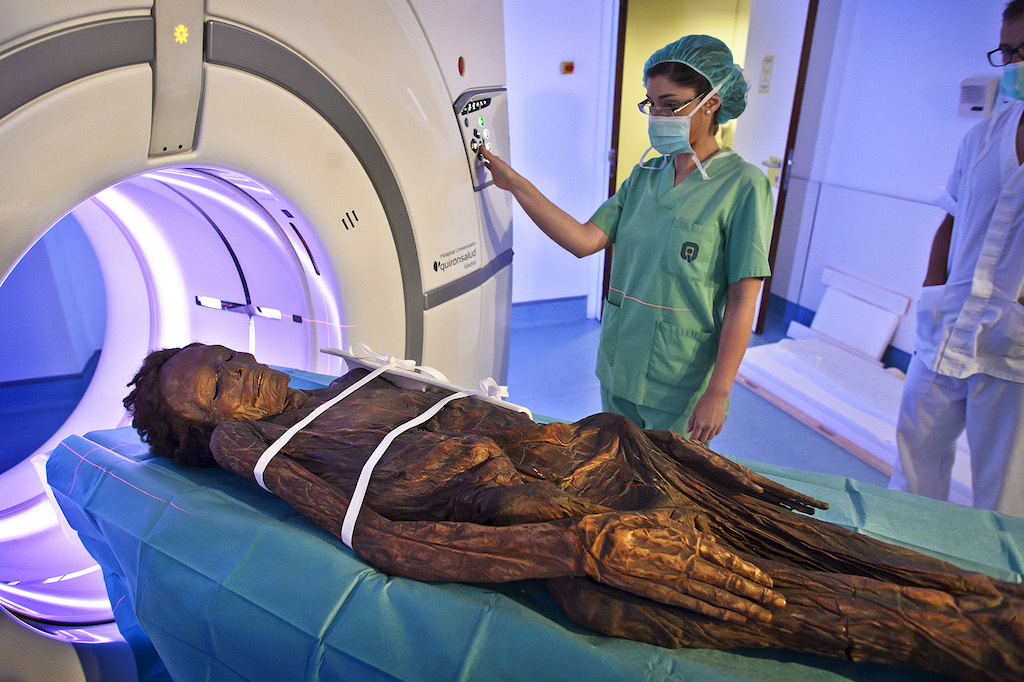
El documental mostrará cómo se realizó el estudio de estas momias, desde que salen del museo hasta que se obtienen los resultados del TAC y son interpretados por médicos y arqueólogos. Con este punto de partida se reconstruye cómo fue la vida en Egipto de las momias analizadas, haciendo especial hincapié en el personaje de Nespamedu.
Imágenes en 4K nunca vistas de los grandes monumentos de Egipto, entrevistas a los participantes, recreaciones en 3D y la reconstrucción de los rostros de estas momias son los ingredientes de un documental que muestra el estudio más importante realizado hasta la fecha sobre las momias del MAN con técnicas no invasivas.
Un año de investigación y pruebas
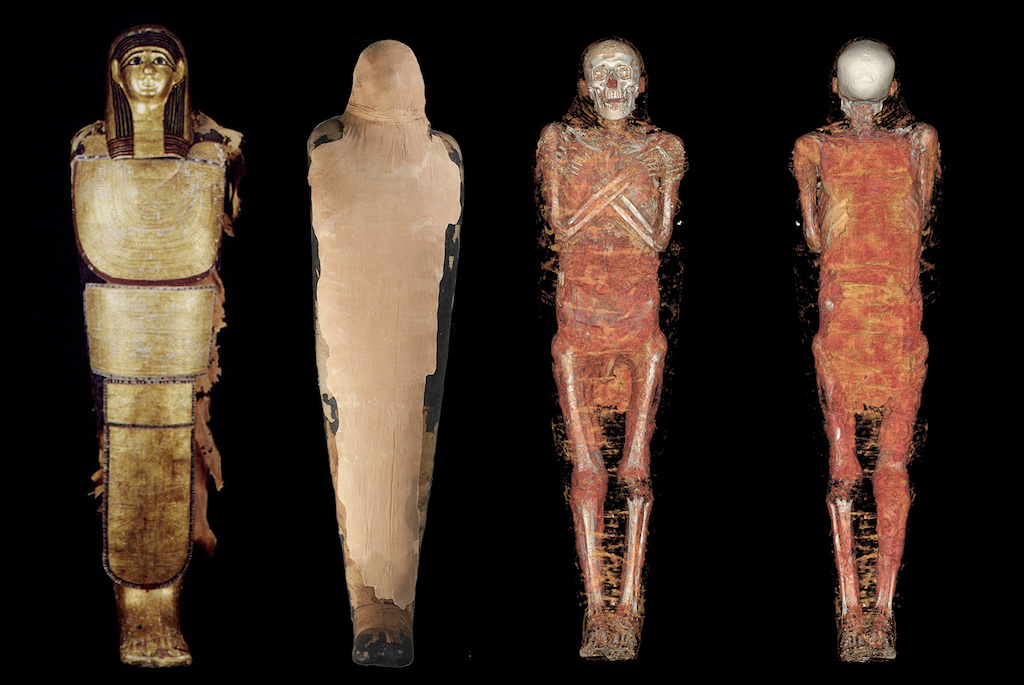
Las cuatro momias del Museo Arqueológico Nacional (tres egipcias y una guanche) fueron sometidas hace un año a una tomografía computarizada de alta resolución en el Hospital Universitario Quirónsalud Madrid. Tras realizar las pruebas, comenzó un ingente trabajo de reconstrucción de las imágenes, reconstrucción tridimensional e investigación llevado a cabo por arqueólogos y egiptólogos del MAN y radiólogos.
Los resultados han confirmado que una de las momias era Nespamedu y el estudio radiológico ha permitido descubrir 25 piezas ocultas bajo sus vendas. Además, gracias a las imágenes obtenidas y los estudios antropológicos, se han podido conformar los datos de género, edad y modo de vida de todas las momias, así como las diferentes técnicas de momificación a las que fueron sometidos los cuerpos. Dos de las momias son mujeres y una de ellas presenta síntomas de haber estado embarazada.
El estudio de la momia canaria, una de las mejor conservadas de la cultura guanche, demuestra que mantiene todos sus órganos y fue sometida a un cuidadoso proceso de momificación. Con esto la investigación confirma la teoría de que las momias guanches no se evisceraban, algo que sí ocurre con las egipcias.
Did you like this article?
Subscribe to our NEWSLETTER and you won't miss anything.
Related articles
 'Jeopardy', the most awarded contest in the history of television, comes to La1
 Panasonic helps tell the history of cinema at the new Academy of Motion Picture Museum
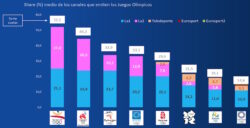 The Tokyo 2020 Olympic Games, the least watched in the history of television in Spain
 Diagonal TV will dramatize the history of the Spanish Monarchy between 1900 and 2014 in the series 'Palacio Real'
 ETC lights up studio 13 of Spanish Television with LED technology
 'La casa de papel' makes history by becoming the first Spanish series to win an Emmy
 'The Cathedral of the Sea' comes to an end as the most watched Spanish series in recorded history
 This was the 60th anniversary gala of Spanish Television
 RTVE and Story Producciones co-produce the documentary 'The Secret History of the Mummies'
 Spanish Television renews its management structure
 'One, Two, Three...' returns to Spanish Television
 'Eight Basque Surnames' surpasses 'The Others' and is now the highest-grossing Spanish film in history
 Half a century of Spanish Television in the Canary Islands
 Spanish Television begins its broadcasts in HD tests