





2018 will mark the real convergence between television advertising and its digital equivalents
Las tendencias de este año, según Videology, giran en torno a la tecnología programática, convergencia de vídeo online y televisión, personalización, fragmentación de audiencias, cooperación en la industria y creación de estándares comunes serán las principales tendencias en este 2018.
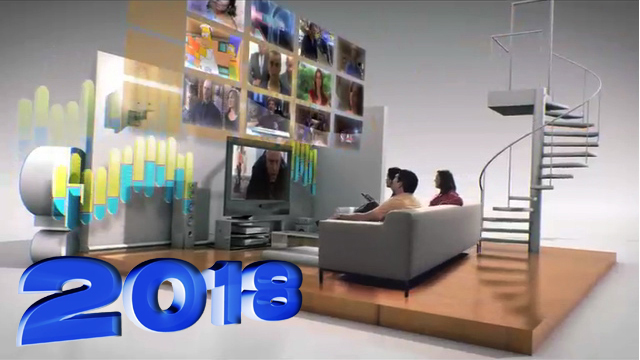
Este será el año de la comunicación audiovisual en su vertiente más extendida. Un tiempo en el que generadores de contenidos, anunciantes y agencias adaptarán sus estrategias y servicios con el fin de satisfacer las necesidades de una industria cada vez más exigente. Las cadenas de televisión están en situación de competir con grandes compañías como Facebook, Amazon, Netflix o Google en términos de datos y escala, e incluso llegar a sobrepasarles en cuanto a contenidos premium y relación inmersiva.
Bajo estas premisas, Teba Lorenzo, responsable en España de Videology, proveedor de software para la convergencia de publicidad en TV y vídeo, se ha aventurado a lanzar algunas predicciones sobre el sector que serán claves en la industria durante los próximos meses.
Teba Lorenzo cree “que las perspectivas para la televisión son brillantes, especialmente porque los anunciantes globales realizan un análisis sobre la efectividad de la publicidad digital. Este es el momento de analizar las ventajas de la convergencia real entre la publicidad en televisión y sus equivalentes digitales. Con los problemas de fraude y seguridad de marca como parte de cierta publicidad en Internet, los anunciantes se cuestionan dónde invierten, qué funciona y en qué pueden confiar.”
Los datos ya no son sólo del dominio de los actores digitales. Colectivamente, las cadenas pueden competir con los conocidos como FANG (Facebook, Amazon, Netflix y Google) en cuanto a datos y dimensión, e incluso superarlos en términos de contenidos premium y relación inmersiva. Desde Videology entienden que el esfuerzo debe ser conjunto y consideramos que la industria está preparada. Es necesario definir nuevas métricas, acordar estándares y fusionar tecnologías compatibles para hacer que la publicidad avanzada en TV sea lo más sencilla posible para los anunciantes. 2018 será el año de la colaboración en las empresas de medios, y un año de nuevas oportunidades para los anunciantes.
Convergencia de vídeo online y televisión
Lorenzo subraya que “los ingredientes para conseguir la convergencia de vídeo online y televisión pasan por aplicar de forma adecuada datos, tecnología y contenido a través de una misma plataforma tecnológica”.
El primer componente para la convergencia de vídeo online y televisión es la demanda de planificación multipantalla. Las agencias han comprendido hace tiempo el valor de la identificación de audiencias (ya que aumenta la relación y la eficacia de la publicidad), y ha estado creciendo de forma sostenida en los últimos años.
En Videology consideran que en un mundo de datos fragmentados -además de las compañías de medición de TV, hay canales con datos de registro, operadoras con datos de suscriptores, anunciantes con datos de clientes y terceras partes con toda clase de datos de comportamiento, compra y geolocalización. La programática en vídeo online tiene ahora una gran trayectoria de éxito en estrategias basadas en la audiencia, por lo que está más cerca que nunca de las estrategias de TV. Los datos son el tejido conjuntivo del futuro de la televisión total (vídeo online + TV).
Por último, la publicidad multipantalla es extremadamente difícil debido al aspecto multidimensional de la identificación de audiencias. La precisión en la previsión, precio, asignación y reserva de inventario son absolutamente claves, ya que de otra forma no es posible optimizar y mejorar la efectividad de las campañas publicitarias.
Publicidad programática
Gracias a la publicidad programática, los anunciantes tienen la posibilidad de localizar audiencias enriquecidas en lugar de dirigirse a los perfiles generales de audiencia ofrecidos hasta ahora por la televisión lineal tradicional. Si la televisión ha funcionado hasta ahora para los anunciantes, la personalización hará que funcione todavía mejor.
Los anunciantes pueden combinar sus datos propios con los datos de suscriptores para dirigirse a determinados segmentos de audiencia, saber qué hogares vieron un determinado anuncio y cuáles no, y adaptar las campañas en tiempo real de acuerdo a ello. Esencialmente, esto ofrece a los anunciantes el entorno fiable de la TV con la inmediatez y la identificación granular de los entornos digitales.
Did you like this article?
Subscribe to our NEWSLETTER and you won't miss anything.
Related articles
 TvOne and Matrox Video reinforce the convergence between professional audiovisual and broadcast with ST 2110 support
 The Royal Theater creates an immersive audio experience among the public with Lawo's IP infrastructure
 Flashtalking points out the keys to maximizing video advertising in the convergence of cable and digital television
 Diagonal TV will dramatize the history of the Spanish Monarchy between 1900 and 2014 in the series 'Palacio Real'
 PowerAV Online Events blurs the line between real and virtual thanks to Panasonic cameras
 The spectator will be able to choose between real or virtualized sound in the return of LaLiga
 Smartly Digital: Nagra solutions for the era of convergence in television and OTT
Fujinon, in the first 4K HDR “Clásico” between Real Madrid CF and FC Barcelona
Smartly Digital: Nagra solutions for the era of convergence in television and OTT
Fujinon, in the first 4K HDR “Clásico” between Real Madrid CF and FC Barcelona
 Augmented reality blurs the lines between real and virtual on set
 Brainstorm further blurs the boundaries between the real and virtual world
 Convergence, key to the future for digital video and television advertising, according to a study by Videology
 Eurocom and Evertz demonstrate that the convergence between broadcast and IT is a tangible reality
 Audiovisual Panorama Conference on convergence between broadcast and IT
 La publicidad en televisión cae hasta el 29%