





NASA tests new equipment for the next lunar mission
Carlos Fontanot, Imagery Manager of ISS (NASA), protagoniza un año más una de las ponencias más interesantes de la cumbre mundial sobre la Ultra Alta Definición.
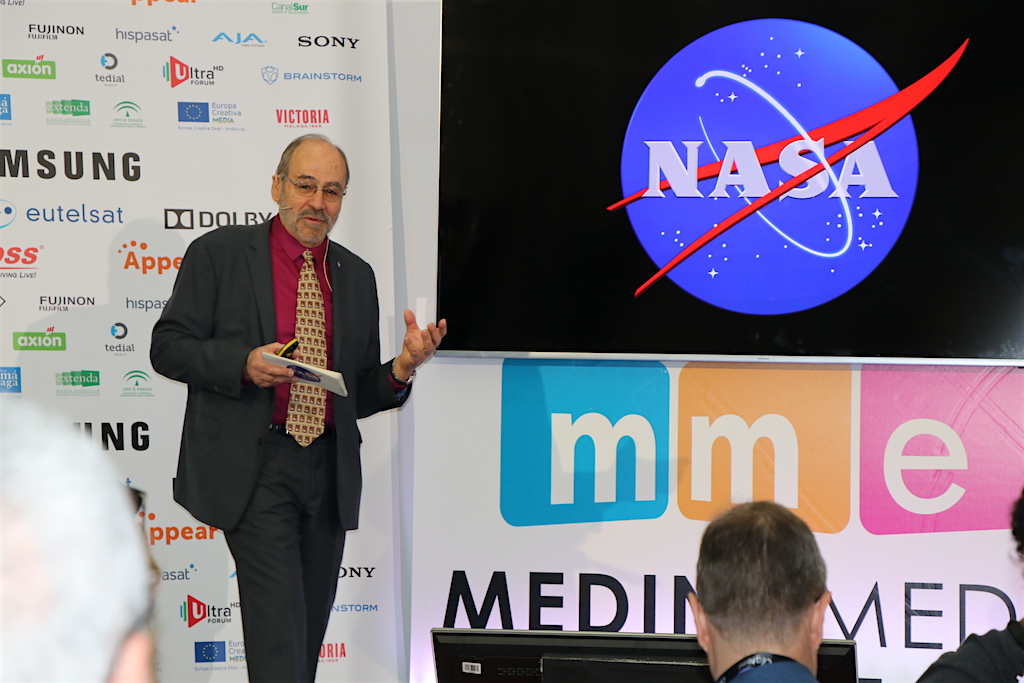
The 4K-HDR Summit ha vuelto a contar en esta quinta edición con Carlos Fontanot, Imagery Manager of ISS (NASA), quien nuevamente ha protagonizado una de las ponencias más interesantes de esta cumbre mundial sobre la Ultra Alta Definición.
Fontanot ha comenzado su intervención afirmando que desde los inicios de la carrera espacial la Agencia Espacial Estadounidense tuvo que crear sus propias cámaras para rodar en las primeras misiones. “Hasta el Apolo XI, la NASA no tenía intención de recopilar información audiovisual en tiempo real. Sin embargo, con la llegada a la Luna nos dimos cuenta del poder de la televisión directo”, ha afirmado.
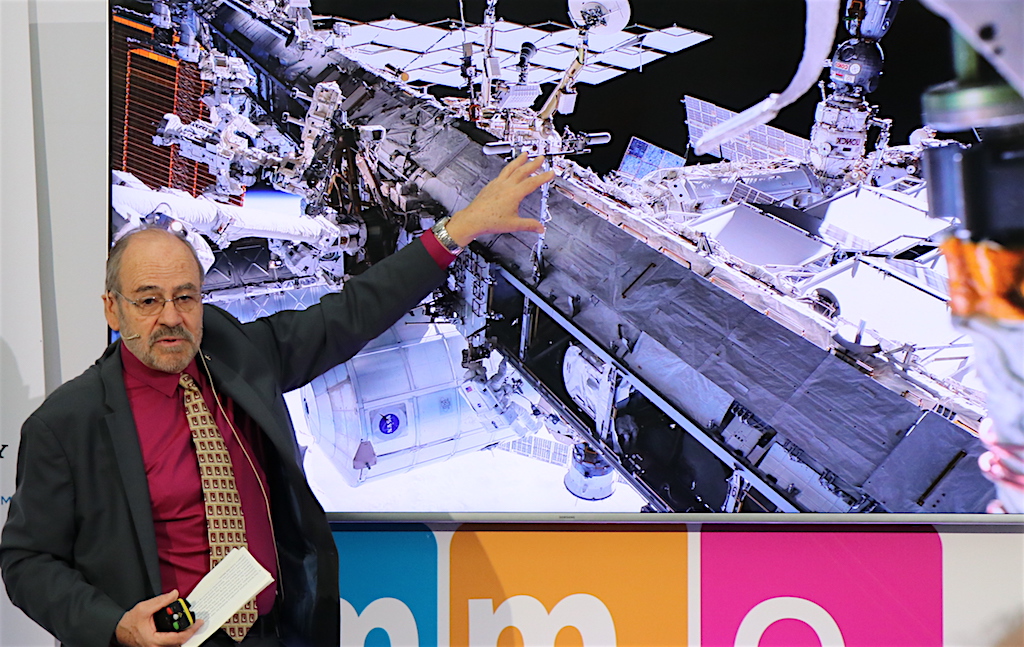
Ahora, la NASA colabora estrechamente con la industria audiovisual para poner a prueba la última tecnología en captación. Unas de las últimas incorporaciones han sido dos cámaras RED Dragon Helium con las que están capturando espectaculares imágenes en resolución 8K a bordo de la Estación Espacial Internacional.
Fontanot ha comentado también que uno de los principales retos en la Estación Espacial es adaptar la nueva tecnología a la ya existente combinando soluciones IP con SDI.
The gestión de datos es otro reto, “ya que cada vez tenemos más fuentes de información con todo tipo de cámaras a bordo, y según avanza la tecnología, con más resolución. Estos cambios hay que hacerlos a bordo y pueden afectar a los sistemas existentes en cuanto a contribución de imágenes”.
Fontanot ha señalado también que el regreso a La Luna previsto para 2024 supondrá el desarrollo de nuevas tecnologías, muchas de las cuales se están probando ya desde la Estación Espacial.
La NASA pondrá en órbita un gateway (una pequeña estación espacial, como la ha definido Fontanot) desde la que en una órbita elíptica alrededor de la Luna saldrán los vehículos que viajarán a nuestro satélite y Marte.
La importancia de contar con imágenes de Ultra Alta Definición no solo tiene relación con la recopilación de material audiovisual sino que es clave desde el punto da vista técnico ya que ayudan a detectar fallos, microimpactos…
En este aspecto, Fontanot ha destacado cómo la radiación espacial afecta a los sensores de las cámaras. “Deberemos proteger mejor los sensores para preservarlos de los impactos de los rayos gamma sobre todo de cara a viajes de larga duración como la Luna o Marte”, ha subrayado.
En este momento, la Agencia está explorando con Ultra Alta Definición (8K), las posibilidades del HDR y una mayor eficiencia en el tratamiento de datos. De cara a la nueva misión a la Luna el reto será determinar si se contará con suficiente ancho de banda para, además de telemetría y comunicaciones, poder enviar señales 4K. Y es que diferencia de hace 50 años, en 2024 podríamos ver la a una mujer pisando la superficie lunar en 4K como parte del proyecto Artemis (Artemisa) que supondrá el retorno de las misiones tripuladas al satélite de la Tierra.
Did you like this article?
Subscribe to our NEWSLETTER and you won't miss anything.
Related articles
 Clear Life Media puts Blackmagic's new replay system to the test
 Emmy winner Stephen McGee puts Fujinon optics to the test
 History premieres 'Apollo Station' coinciding with the 50th anniversary of NASA's first manned mission to the Moon
 NASA recreates the first trip to lunar orbit in 4K
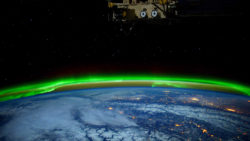 NASA launches the first 24/7 UHD HDR video streaming service in the world
 Sony tests its new Virtual Production service
 Ateme tests the possibilities of the new American standard ATSC 3.0 at the PyeongChang Olympic Games
 PyeongChang 2018 tests 8K and 5G production
 Zhejiang TV launches its new International TV Center with Lawo equipment
 Sapec puts its new HEVX Main422P and 10-bit UHD decoder to the test
 WeLab tests the new Varicam LT
 The Television Academy willing to organize a new face to face between the president and the opposition leader
 ¿Qué planteamiento tienen los principales partidos políticos ante el I+D+i de cara a la próxima Legislatura?
 Planet 51 is tested in Spain