





Is the future of audiovisual lighting only LED?
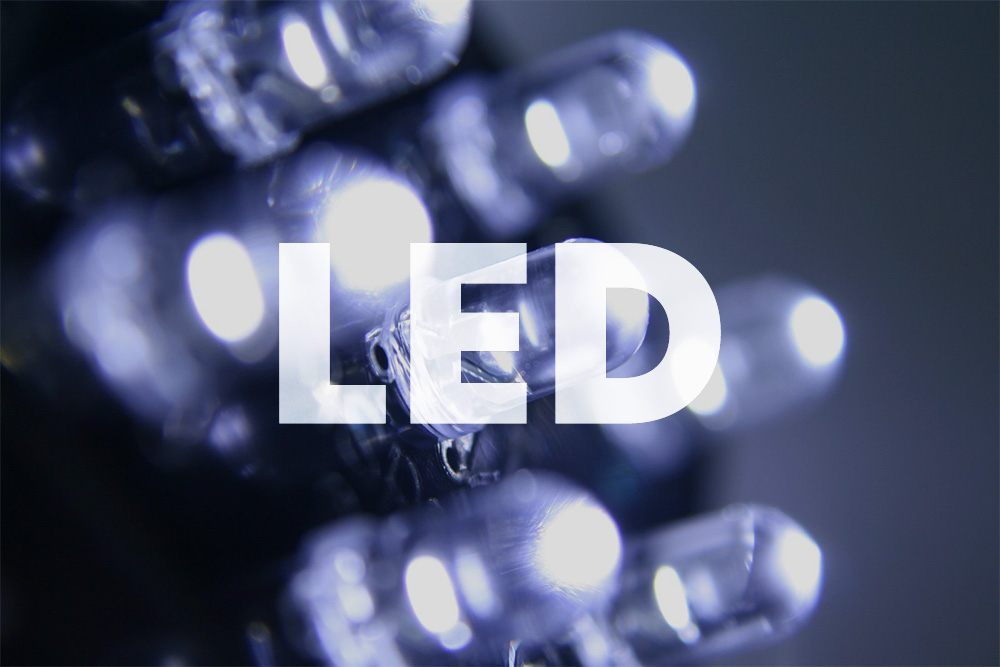
Jordi Bransuela, director of photography and director of the Master in Photography Direction at the CHESS, aborda la siempre determinante cuestión de la iluminación en los rodajes. ¿El día de mañana de la iluminación pasa por el uso exclusivo del LED?
En mi anterior artículo en Panorama reflexionaba sobre la viabilidad y resurgimiento del negativo cinematográfico. Ahí mencionaba algunas de las revoluciones más trascendentes que se han sucedido a lo largo de la historia del séptimo arte y profundizaba sobre todo en la última, la llegada del cine digital en sustitución del celuloide como material de captura y exhibición de películas. Hoy quiero hablaros de otra revolución, quizá algo menos disruptiva que la del cine digital, pero igualmente importante y que todavía estamos viviendo. Supongo que si empezáis los artículos por el título ya sabréis de qué estoy hablando, o sea que, sin más preámbulos, vamos a entrar en materia.
He LED, acrónimo de Light-Emitting Diode, es una tecnología de emisión de luz que se conoce desde hace más de 60 años, pero que no empieza a penetrar en la industria audiovisual (y de forma testimonial y para aparatos muy concretos) hasta hace aproximadamente 10-15 años. Su evolución en nuestra industria ha ido pareja a su desarrollo en la sociedad y en la necesidad de encontrar fuentes de luz más eficientes, menos contaminantes y de mayor durabilidad. En general, a los directores de fotografía y a los iluminadores, nunca nos han preocupado demasiado esas tres premisas, pero no podemos obviar que la sociedad en la que vivimos exige a veces una adaptación a los nuevos tiempos, nos guste a nosotros o no (todavía tengo varias cajas de bombillas incandescentes guardadas en mi buhardilla para poder seguir usándolas en rodajes).
No quiero decir con esto que seamos unos negacionistas climáticos que no entienden que hay que cuidar el planeta. Simplemente, me refiero al hecho de que, para nosotros, lo que más importa no son esas cualidades, sino otras muy distintas; cualidades relacionadas con la calidad cromática de la fuente iluminante, la temperatura de color, la textura y brillo de la luz emitida, la dureza de la fuente de luz, etc.. Es por eso que aún nos duele ver cómo las maravillosas bombillas de incandescencia de toda la vida, con una luz de una calidad cromática excepcional, han sido substituidas por bombillas LED, que en la mayoría de los casos cuestan cinco veces más y que, además, al menos a nivel fotográfico, emiten una luz cuya calidad cromática es más que discutible. ¡Pero no nos rasguemos las vestiduras todavía! No vengo aquí a criticar al LED (¡aunque de momento lo parece!). Seamos justos: son igual de malas las luces producidas por los fluorescentes domésticos, las bombillas de bajo consumo (menuda trola nos metieron…) o cualquier luz emitida por tecnología de descarga (excepto la HMI). Pero no nos desviemos del tema.
 El porqué del LED
Volviendo al LED y a su revolución silenciosa y que lleva años invadiendo y transformando nuestros rodajes, la pregunta es simple: ¿Por qué? Intentaré ser breve, porque ya me estrené en esta tribuna con un artículo de diez páginas y no quiero que el editor me vete definitivamente, ¡así que al grano!
El LED no es malo en sí mismo (fotográficamente hablando, se entiende), igual que no lo es el fluorescente o cualquier otra tecnología emisora de luz que ha sido debidamente probada y perfeccionada para ser utilizada en la industria audiovisual. El LED no es una excepción y actualmente tenemos una gran variedad de fabricantes de aparatos LED que nos ofrecen plenas garantías para utilizar sus fuentes de luz en rodajes o platós. También, y todo hay que decirlo, hay mucho fabricante que se aprovecha de la expansión LED actual para vender cosas similares en cuanto a diseño y funcionalidad, pero que, en lo más esencial, en la calidad de la luz emitida, no se les asemejan en nada (mucho, mucho cuidado con estos aparatos…)
¿Entonces el LED es ahora mejor que todo lo que había antes en el mercado de la iluminación audiovisual (cine y TV)? Pues la respuesta a bote pronto es no, pero necesitamos aclarar algunos puntos previamente.
 Evolución de la iluminación en el audiovisual
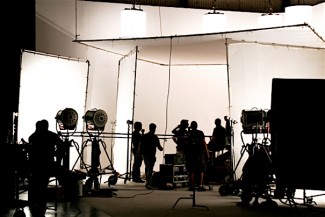
Hasta mediados de los 2000 se utilizaban en iluminación, básicamente, tres tipos de tecnologías de luz: incandescencia, HMI y fluorescencia. La primera es la más antigua y se utiliza en el mundo del cine desde la llegada del sonoro en 1927. Es poco eficiente, se calienta mucho y su vida es también bastante limitada por el desgaste del filamento. Como todo el mundo sabe, porque todos hemos usado bombillas, su temperatura de color es cálida y se normalizó a 3200º K.
He HMI es una tecnología posterior y que sustituyó en su momento a unos aparatos históricos conocidos como “arcos”, que emitían, al igual que los HMI, luz blanca de alrededor de 6000ºK; es decir, más fría que la luz solar. Son utilizados básicamente para combinar con la luz del sol, pero pueden usarse para cualquier otra cosa.
Finalmente, la fluorescencia es todavía más reciente, mediados de los 80 y los 90. Está representada básicamente por un fabricante que dominaba el mercado: Flo Cinema. Los tubos de fluorescentes pueden fabricarse de cualquier temperatura de color, son muy eficientes, ligeros y con una vida útil muy larga si la comparamos con el HMI o el tungsteno.
La llegada del LED
Cuando la tecnología LED presenta sus primeros aparatos específicos para la industria del cine, lo hace intentando quitar mercado, sobre todo, a la fluorescencia y a la pequeña incandescencia. No es una entrada triunfal y tiene todavía muchas cosas a mejorar, como por ejemplo su respuesta cromática o to textura de la propia luz (los DoP a menudo se quejaban de las microsombras producidas por los centenares de diodos led que forman los paneles y que proporcionan una sombra sucia y múltiple). No obstante, todo el mundo es consciente de que, si evoluciona en la dirección adecuada, tiene muchas posibilidades de consolidarse en la industria y de hacerse un hueco entre las tres grandes (HMI, fluos e incandescencia).
Pues bien, estamos en 2021 y podemos afirmar que esa evolución no solo se ha producido, sino que amenaza con desbancar a las tecnologías de emisión de luz que dominaron el mercado en los últimos 30 años. A partir de la segunda década de los 2000, algunos fabricantes de primer nivel (ARRI, Kino-Flo, Rosco…) y otros de nueva creación (Velvet, DMG Lumière, Cineroid…) empezaron a presentar aparatos cada vez más evolucionados y con una clara mejora colorimétrica respecto a los primeros que se utilizaron. Es la época del famoso CRI (Índice de reproducción cromática), donde estar por encima de 90 te daba el billete a las grandes producciones y estar por debajo te condenaba a la miseria absoluta como fabricante. Gracias a Dios, en la actualidad ya no nos basamos solo ese parámetro, totalmente insuficiente, para garantizar la calidad cromática de las fuentes de luz (pero de eso hablamos otro día).
 Las claves diferenciadoras del LED
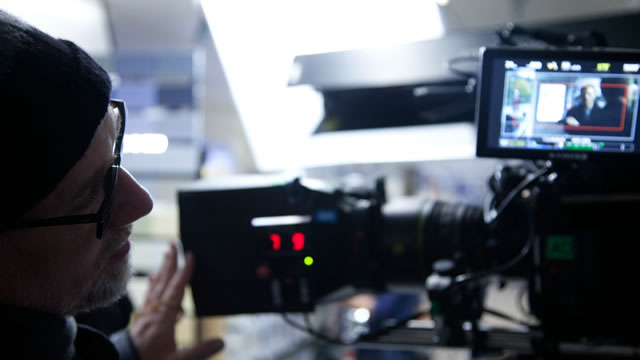
Como decía, esos aparatos empiezan a inundar las ferias del sector y, en muy pocos años, se muestran como una opción muy muy sólida que va introduciéndose en el mercado. ¿Cuáles son, a priori y sin entrar en aparatos concretos, esas diferencias respecto otras fuentes de luz? Pues, en primer lugar, el consumption. Son fuentes de luz que, en la mayoría de los casos, consumen muy poca energía porque son enormemente eficientes y eso provoca que con muy pocos vatios podamos conseguir la misma cantidad de luz que con otras fuentes mucho más potentes. Eso también permite dos cosas más: conectarlos en cualquier lugar (raro es el aparato LED que sobrepase los 1000-2000W) y alimentarlos con batería, cosa que permiten evitar el cable de corriente y hace posible que una vez colocado el aparato, no tenga entonces que esconderse o pasarse el cable hasta su fuente de corriente. Esto ahorra una enorme cantidad de tiempo y de problemas en rodaje, porque los dichosos cables han llevado de cabeza durante décadas a operadores de cámara, que debían detectarlos escondidos por el decorado, y al departamento de arte, que en muchos casos debía de ingeniarse como esconderlos.
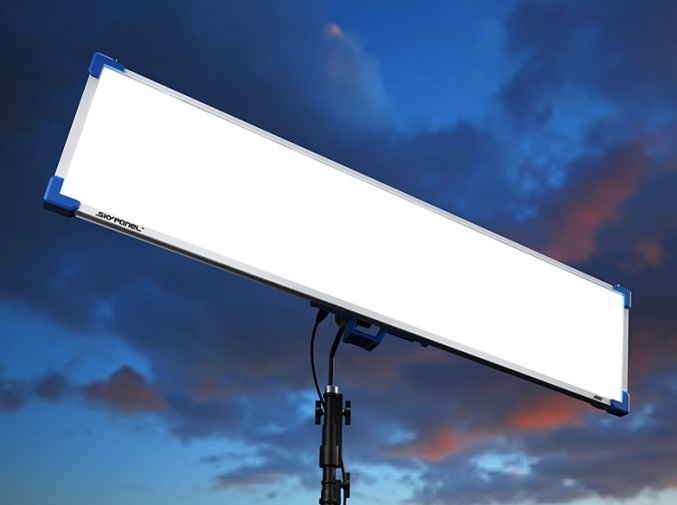
Por otro lado, los de producción están encantados, porque en muchos casos significa el ahorro del alquiler y gestión del generador eléctrico de turno o, al menos, la reducción del tamaño de dicho generador. Otra gran ventaja es que, al ser una fuente de luz tan pequeña y eficiente (el diodo), pueden fabricarse aparatos enormemente ligeros y planos, llegando incluso a ser planchas de luz flexibles y tiras de luz que nos permiten esconder y poner luz en cualquier lugar. Ninguna otra fuente de luz puede hacer eso.
 Una amplia lista de beneficios
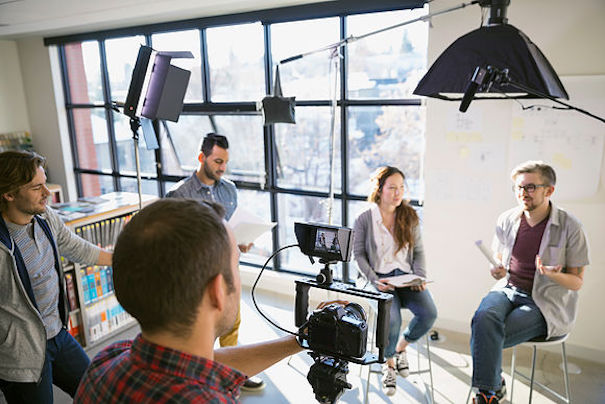
Inicialmente, los LED eran de una sola temperatura de color, pero poco a poco se han ido introduciendo modificaciones en la composición de los diodos, incorporando primero los aparatos “bicolor”, con diodos azules y amarillos, para poder pasar de una temperatura cálida a una temperatura fría; y posteriormente con los aparatos RGB, que han incorporado diodos de los tres colores principales de la suma aditiva (RGB), haciendo posible la mayoría de colores del espectro visible. Estos últimos parece que se están consolidando en los últimos tiempos sobre los bicolor o los monocolor por su flexibility a la hora de cambiar el color de luz que emite, pudiendo incluso imitar cualquier gelatina de color que existe hoy en día en el mercado (este era uno de los sueños de cualquier DoP, tener todo el catálogo de gelatinas a un solo clic y pudiendo ver en directo como afectaba a su decorado…). A todo esto, hay que decir que la tecnología LED permite cambiar la intensidad de la luz sin modificar la temperatura de color (casi) y la conexión por protocolo DMX sin mayor dificultad.
Además, a diferencia de otras tecnologías, permite incorporar fácilmente dispositivos WiFi y bluetooth para su gestión remota, haciendo que su control sea extremadamente fácil y preciso, además de poder sincronizar todos los aparatos simultáneamente.
 ¿Y si prescindimos del LED?
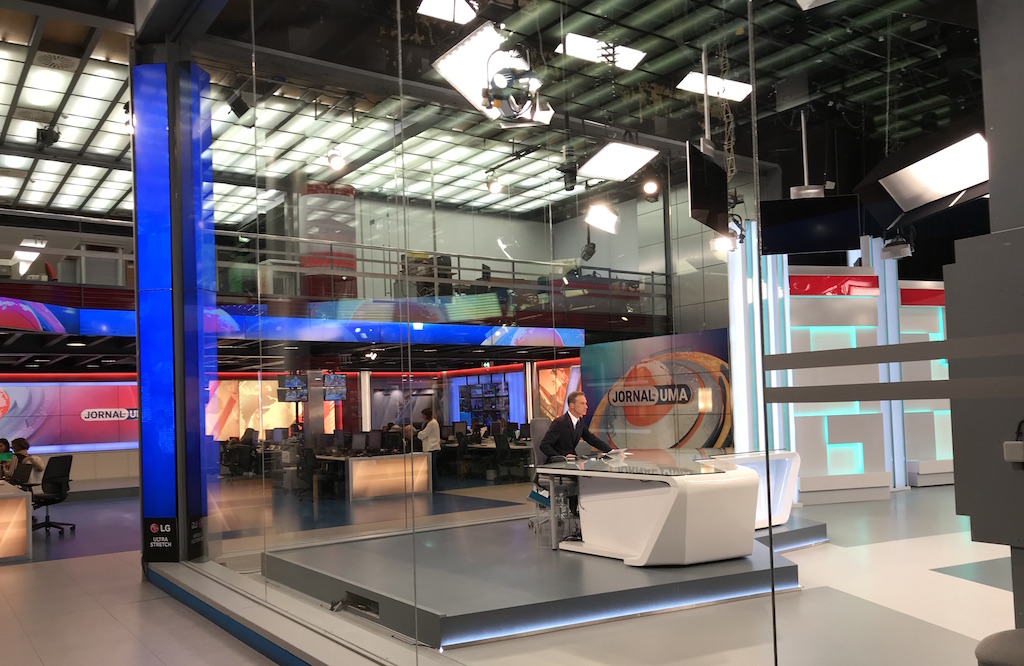
En fin, la lista de beneficios es incluso abrumadora y seguramente el lector debe estar ahora mismo preguntándose si hay alguien en el sector audiovisual que todavía use algo que no sea LED. La respuesta es claramente sí, sin duda. Las otras tres tecnologías siguen vigentes, quizá con mucho menos mercado que hace 10 años y con una reducción anual importante, pero siguen estando disponibles en las casas de alquiler porque los DoP las siguen pidiendo. La pregunta es por qué. Lo cierto es que en cine 2 y 2 no siempre dan 4, y del mismo modo que algunos prefieren la captación fotoquímica a la digital, aquí también hay directores de fotografía que prefieren fuentes de luz tradicionales a los nuevos LED. Hablaríamos de textura, hablaríamos de color, de sombra, de brillo, de caída de luz…parámetros no siempre al alcance del usuario medio. pero que para un director de fotografía si son relevantes.
Igual que en fotoquímico, la fuerza que tienen los directores de fotografía no será suficiente para parar la evolución de la industria y estoy seguro de que, en pocos años, veremos desaparecer algunas de esas fuentes de luz que tanto nos gustan a algunos. No olvidemos que los famosos arcos, prácticamente desaparecidos desde los 60-70, no fueron capaces de sobrevivir a pesar de ser, según dicen, la mejor y mas brillante luz de sol jamás recreada (tenían otros problemas, eso sí…)
 Rodajes más rápidos y más eficientes
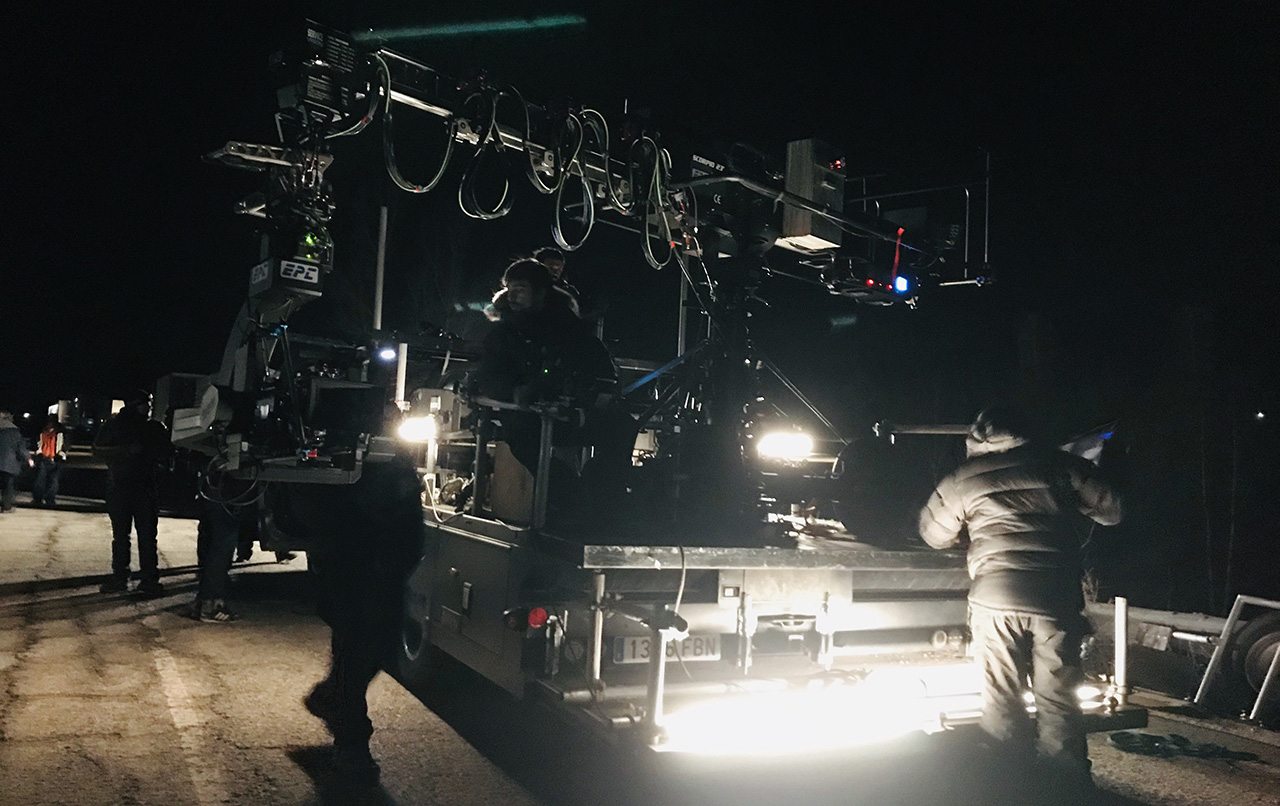
Pero volviendo al LED y todo lo que todo ello está suponiendo en nuestros rodajes y platós, de igual forma que el digital transformó la manera de hacer películas y de rodarlas, la tecnología LED está transformando la manera en que las iluminamos. Las múltiples ventajas que ofrece esta tecnología a nivel logístico (peso, consumo, calor, temperatura de color, manipulación y control…) está cambiando la manera de trabajar en los sets de rodaje. La velocidad a la que se ilumina y se rueda ha crecido exponencialmente gracias a estas ventajas, y eso ha aumentado notablemente el número de planos diarios rodados, afectando sin ninguna duda al número de jornadas de rodaje, permitiendo reducirlas al final de una producción (esto siempre dependerá finalmente de cada productora y del tipo de producción).
En rodajes pequeños se ha reducido habitualmente el número de eléctricos, porque estos aparatos suelen ser muchos más ligeros y versátiles, permitiendo que con menos gente se vaya igual de rápido o incluso más que antes. Aparatos que van a batería, que se esconden y pueden colocar en cualquier lado, que puedes cambiar la intensidad y el color en dos clics y que permiten una velocidad a la hora de iluminar hasta ahora desconocida… Se puede rodar en cualquier localización porque la versatilidad y tamaño de algunas de estas fuentes nos permiten afrontar cualquier reto por difícil y complejo que sea.
 Los límites del LED
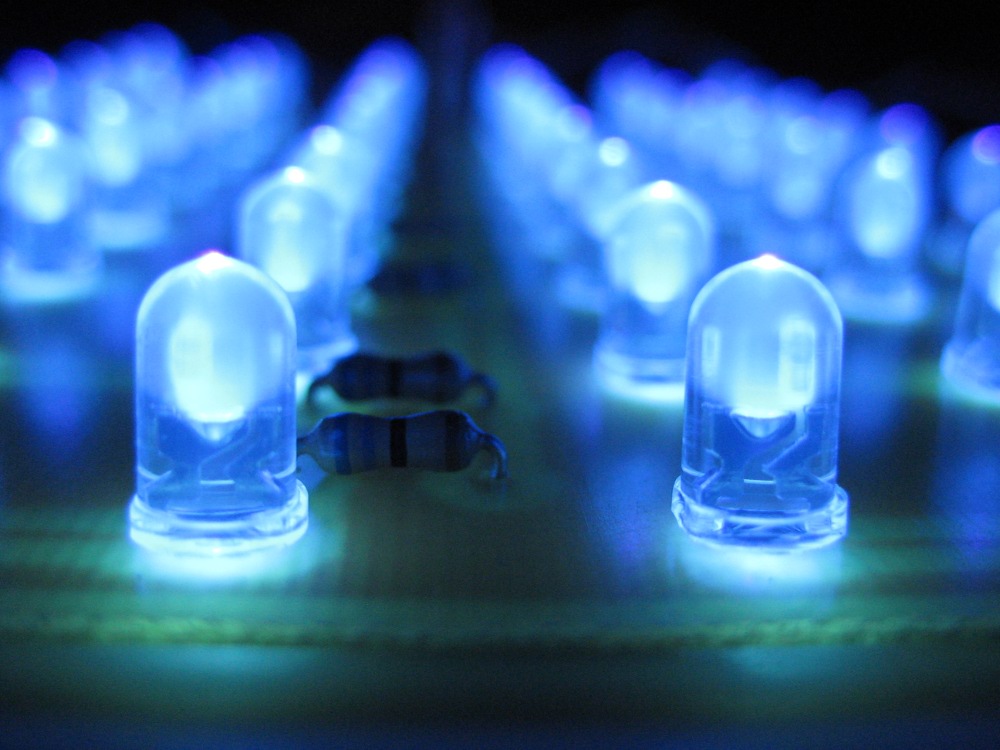
¿Y donde esta el límite del LED? ¿Qué frontera le queda por conquistar? Tal como hemos dicho antes, hay aparatos y tecnologías que, a pesar de ciertos “inconvenientes”, sobre todo logísticos, siguen siendo del gusto de muchos operadores y seguirán estando disponibles en los rentals de alquiler. Sin embargo, los aparatos “grandes”, los focos de más de 5KW, es donde el LED todavía no ha podido llegar. Estos aparatos, representados sobre todo por la incandescencia y el HMI, no tienen todavía un equivalente asequible en LED y, a día de hoy, siguen siendo imprescindibles para determinadas situaciones donde se requieren grandes golpes de luz.
Estoy seguro de que, mientras escribo estas líneas, alguno de los amigos que tengo en las casas de alquiler o en empresas de fabricación de luces están pensando que en breve tendré que escribir un nuevo artículo rectificando lo escrito. No obstante, a día de hoy (y seguramente la pandemia ha tenido algo que ver en esto), todavía no ha sucedido. Tiempo al tiempo.
Mientras tanto, y a pesar de ser un acérrimo defensor de aparatos concretos con texturas y luces muy particulares, soy de los que pienso que la tecnología LED nos ha traído muchas cosas buenas y que su uso en los rodajes nos permite ser más rápidos, más ágiles y llegar más lejos en nuestras propuestas creativas. Estamos en el principio de una nueva era en la manera de iluminar cine y televisión. Y estoy seguro de que, aunque ya hemos visto el potencial de esta nueva tecnología, todavía no lo hemos visto todo.
Jordi Bransuela
Director of Photography and colorist.
For 3 years he has directed the Master's Degree in Photography Direction at the CHESS, where He also develops his teaching side, something that he is passionate about and that allows him to continue learning and experimenting every day.
Did you like this article?
Subscribe to our NEWSLETTER and you won't miss anything.
Related articles
 Madrid Audiovisual Observatory: a window to the future of the sector
 The future of audiovisual robotics, at the Mobile World Congress in Barcelona
 NFT and the audiovisual world: the future or just another smokescreen?
 El MAC mira hacia el futuro en la comunicación audiovisual de proximidad
 High-profile professionals once again trust BIT Audiovisual to anticipate the future of audiovisual
 BIT Audiovisual: 30 years advancing the future of audiovisual
 BIT Audiovisual: 30 years advancing the future of audiovisual
 Hugo Serra: “in Spain it is not realistic to produce anything solely through crowdfunding”
 The Spanish audiovisual future under debate at the Vitoria TV Festival
 The Panorama Audiovisual Congress defines the future of the audiovisual industry in Brazil
 Adobe will market its solutions only under a subscription model with Creative Cloud
 The future of training in the audiovisual industry
 AFIAL 2011: sound, lighting and, now also, audiovisual integration
 The future of the audiovisual sector in Spain, under debate